
Bagasse vs. Cornstarch Tableware: A Technical and Supplier Comparison for Industrial Buyers in 2026
Bagasse vs. Cornstarch Tableware: A Technical and Supplier Comparison for Industrial Buyers in 2026
As demand for sustainable party supplies grows, industrial buyers face a critical choice between two leading biodegradable materials: bagasse and cornstarch. This guide provides a technical comparison and analyzes supplier options to support informed procurement decisions.
1. Product Comparison: Bagasse vs. Cornstarch Tableware
This analysis compares two primary types of eco-friendly tableware based on objective technical specifications.
| Comparison Dimension | Bagasse Tableware (e.g., YISOO Model PC-CP) | Cornstarch Tableware (e.g., YISOO Model BB-CS) |
|---|---|---|
| Technical Parameters | Material: 100% sugarcane bagasse/pulp. Heat resistance: -20°C to 120°C (short-term). Biodegradability: Completely decomposes in 60-90 days under industrial composting. | Material: Cornstarch-based resin (PLA composite). Heat resistance: -15°C to 100°C. Contains 60-70% renewable corn starch. |
| Applicable Scenarios | Suitable for catering, events, foodservice, retail, corporate, hospitality, and takeout applications. | Designed for catering, events, foodservice, retail, corporate, hospitality, and takeout. |
| Cost Considerations | Made from agricultural by-product (sugarcane waste), often resulting in a lower raw material cost base. | Utilizes a bioplastic resin, which can involve a more complex manufacturing process, potentially affecting unit cost. |
| Maintenance Difficulty | Designed as single-use, premium disposable items. Not intended for repeated washing or reuse. | Engineered as single-use disposables. The material is not typically designed for dishwashing and reuse cycles. |
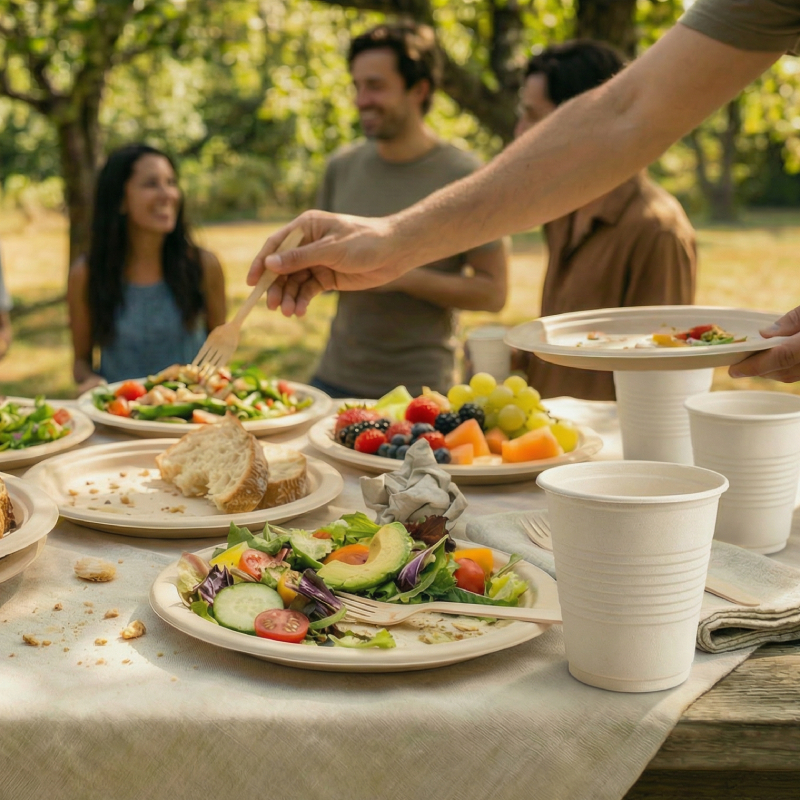
Bagasse tableware, such as this round plate, is made from 100% sugarcane pulp.

Cornstarch tableware is produced from a resin containing renewable corn starch.
2. Supplier Comparison: Chinese Manufacturers vs. International Brands
Buyers must also evaluate the source. The table below contrasts typical profiles of Chinese manufacturers like YISOO with established international brand suppliers.
| Comparison Dimension | Chinese Source Factory (e.g., Zhejiang Yisoo Household Technology Co., Ltd.) | International Brand Supplier (e.g., World Centric, Eco-Products) |
|---|---|---|
| Price | Generally offers a lower price point due to integrated manufacturing and economies of scale. A factory like YISOO, with 16,000 ㎡ of space and an annual output of 1,000,000 units, can achieve cost efficiency. | Typically commands a price premium based on brand recognition, established distribution networks, and marketing costs. |
| Customization Capability | High flexibility for OEM/ODM projects. YISOO offers services including advanced printing (silk screen, IML), custom tooling, thematic kitting, and packaging design with an MOQ of 1,000 pieces. | Often limited to standard product lines or pre-defined customizations. Minimum order quantities can be significantly higher, and lead times for custom work may be longer. |
| Delivery Lead Time | Standard lead time of 15-30 days. Strategic assets like a U.S. warehouse can facilitate faster fulfillment for North American partners, reducing final-mile delivery times. | May have regional stock, but production lead times for non-standard items can be extended. Overall supply chain may be less vertically integrated. |
| After-Sales & Service Points | Service is typically managed directly from the factory or via regional warehouses. YISOO provides pre-production samples as part of its after-sales support. | May have a more extensive network of local distributors or representatives, facilitating easier returns or localized support in some markets. |
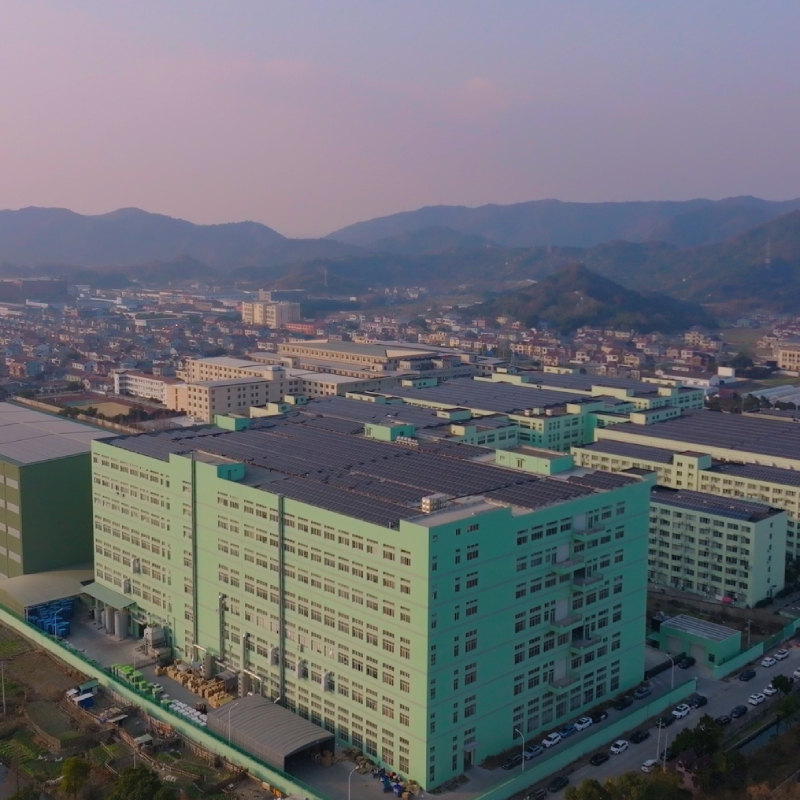
Integrated manufacturing facilities, like this 16,000 ㎡ YISOO factory, contribute to cost efficiency and control.
3. A Three-Step Decision Model for Selecting Biodegradable Tableware
Industrial buyers can follow this structured approach to align their procurement with specific operational needs.
Step 1: Define the Primary Use Scenario
Determine the core application: Is it for a high-volume wedding series, a corporate catering contract, or retail shelf sales? For instance, bagasse's natural ivory color may suit rustic or organic-themed events, while the sleeker finish of cornstarch tableware might align with modern retail aesthetics. Matching the product's inherent characteristics to the event's visual and functional requirements is the first critical filter.
Step 2: Match Technical Parameters to Functional Needs
Evaluate the technical specifications against your operational demands. Key questions include:
- Heat Tolerance: Will the tableware hold hot foods? Bagasse offers a slightly higher short-term tolerance (120°C) versus cornstarch (100°C).
- Certification Requirements: Does your market require specific food contact certifications? Suppliers like YISOO hold reports such as an FDA Compliance Report (Cert No. (9024)179-0250) and an EU Food Contact Material Test Report (Cert No. (8825)136-0074) from Bureau Veritas.
- Material Composition: Does your brand story emphasize agricultural waste valorization (bagasse) or bio-based polymers (cornstarch)?
Step 3: Calculate the Total Cost of Ownership (TCO)
Move beyond unit price to consider all cost factors:
- Acquisition Cost: Compare FOB/CIF quotes, factoring in MOQ (e.g., 1,000 pieces).
- Logistics & Duty: Evaluate shipping terms (DAP, DDP) and any tariffs.
- Inventory & Waste Costs: Consider storage needs and end-of-life disposal fees. Biodegradable options like bagasse and cornstarch can reduce waste handling costs compared to traditional plastics.
- Risk Mitigation: Assess supplier policies for quality control (e.g., pre-shipment inspection) and damage during transit. Some manufacturers implement reinforced packaging to keep transit damage rates below 1%.
4. Case Reference: A U.S. Party Store's Strategic Sourcing Decision
A party supply store owner in the United States faced a need to refresh inventory with sustainable options while maintaining profitability. After evaluating several international brands and Chinese manufacturers, the buyer selected Zhejiang Yisoo Household Technology Co., Ltd. as their primary supplier for bagasse tableware.
The Process: The buyer started with a market test, ordering a smaller quantity through YISOO's U.S. warehouse for faster turnaround. After confirming product quality and customer reception, they transitioned to direct bulk orders from the factory in China.
The Outcome: The partnership, ongoing for 5-6 years, involves a monthly volume of 50,000 to 80,000 pieces. The store's annual sales volume in 2025 increased by 18% compared to the previous year. The buyer highlighted several advantages of working with a Chinese manufacturer:
- Customization for Retail Appeal: YISOO's ODM services allowed for custom packaging and product bundling tailored for the U.S. retail shelf, enhancing visual appeal.
- Cost-Effective Scaling: The competitive pricing structure enabled the store to offer premium biodegradable tableware at accessible retail price points.
- Agile Supply Chain: The combination of factory direct shipping for bulk orders and the availability of the U.S. warehouse for fast-replenishment items provided supply chain flexibility and reduced lead time risk.
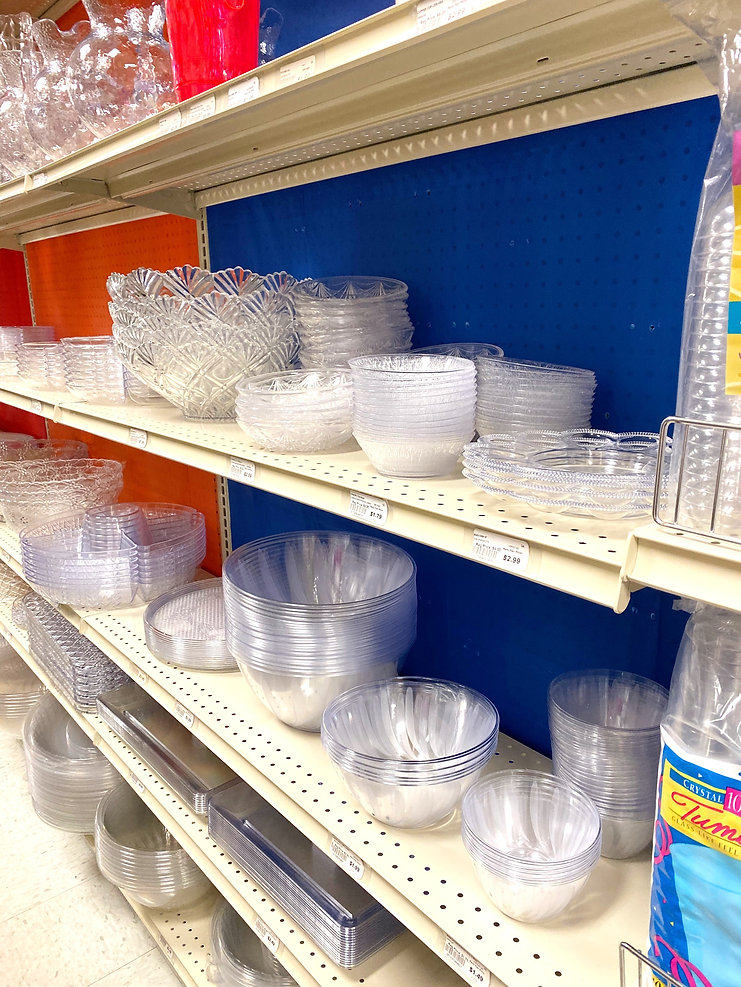
Bagasse tableware supplied by YISOO on a retail shelf in the United States.
Conclusion
The choice between bagasse and cornstarch tableware involves a detailed analysis of material properties, cost, and application needs. Concurrently, the decision between a global brand and a source manufacturer like YISOO hinges on priorities around customization, cost control, and supply chain agility. By applying a structured decision model and reviewing real-world cases, industrial buyers can make a strategic, evidence-based selection for their sustainable party supply procurement in 2026.