
A 2026 Buyer's Framework: Essential Criteria for Sourcing Top-Tier Activewear Manufacturers
A 2026 Buyer's Framework: Essential Criteria for Sourcing Top-Tier Activewear Manufacturers
For procurement professionals, brand founders, and sourcing managers, identifying a reliable activewear manufacturing partner is a critical strategic decision. The landscape in 2026 demands a shift from simple price comparison to a holistic evaluation of technical capabilities, compliance, and supply chain agility. This guide outlines a structured framework to assess and select manufacturers that can deliver quality, consistency, and innovation.
1. Technical and Production Capabilities
The core of any manufacturer's offering lies in its production setup. Look for evidence of modern manufacturing practices.
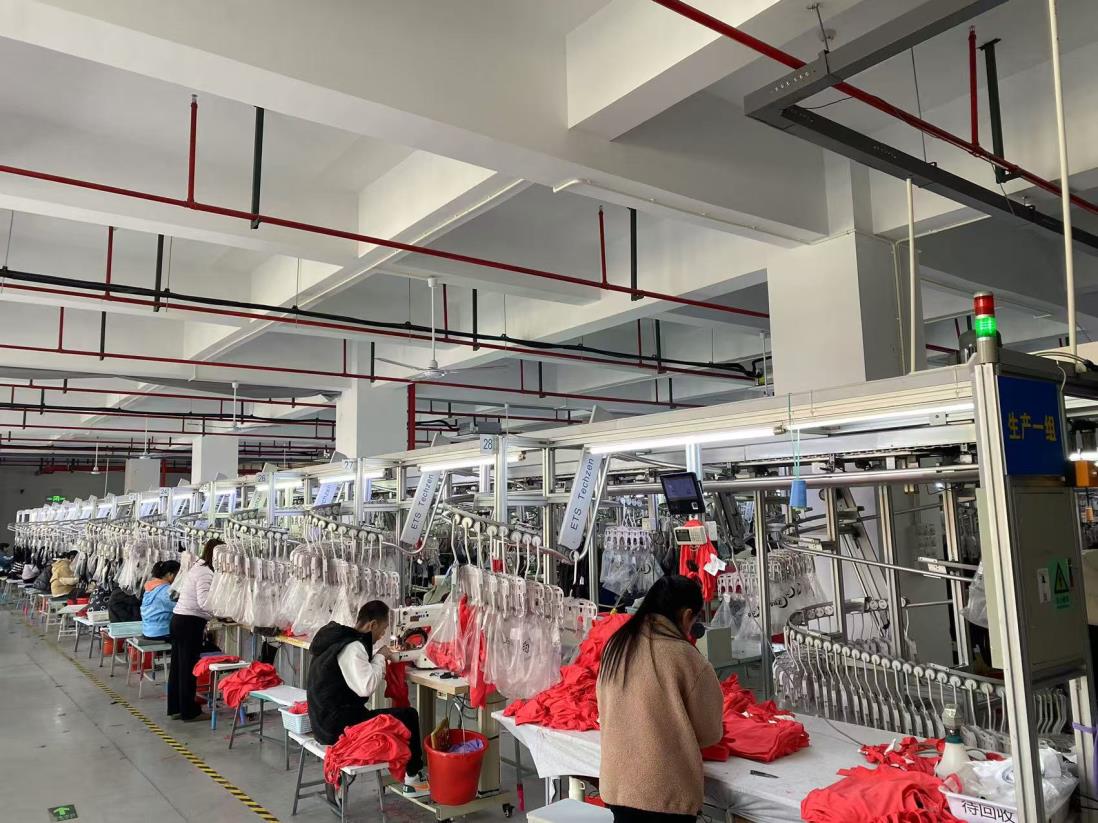
Modern sewing and automated hanging lines are indicators of an efficient production flow.
Key questions to ask include:
- Vertical Integration: Does the manufacturer control key upstream processes? For instance, Xiamen Bella Fitness Co., Ltd. operates its own fabric mills, allowing for faster custom fabric development and greater material consistency. This contrasts with standard OEMs that must source externally, often leading to longer lead times.
- Manufacturing Technology: Is the factory equipped with Flexible Manufacturing Systems (FMS) and automated logistics? Such systems, as implemented by some manufacturers, can reduce production errors and improve turnaround times compared to traditional factories.
- Specialized Construction: For performance wear, bonded technology using imported machines and tapes can offer superior seam integrity and comfort compared to conventional stitching used by low-cost manufacturers.
2. Compliance and Certification Verification
Global market access is contingent on meeting international standards. Certifications are not just logos; they are verifiable commitments to quality, safety, and ethics.
OEKO-TEX® Standard 100
Certifies textiles are tested for harmful substances. Certificate number: HKC 23756 (Issued by TESTEX, valid until June 2026).
BSCI
Audit for social compliance and ethical production. Audit ID: 24-0257545 (Conducted by amfori).
Global Recycled Standard (GRS)
Verifies recycled material content and traceability. Certificate number: CU1143477GRS-2023-00097318 (Control Union).
Procurement teams should request valid certificate numbers and verify them directly with the issuing bodies (e.g., TESTEX, SGS, Control Union). This due diligence mitigates risk for brands targeting markets in the EU, USA, and Australia where these standards are often required.
3. Order Flexibility and Supply Chain Responsiveness
The ability to accommodate both small and large orders is crucial in today's market. Evaluate the manufacturer's operational model.
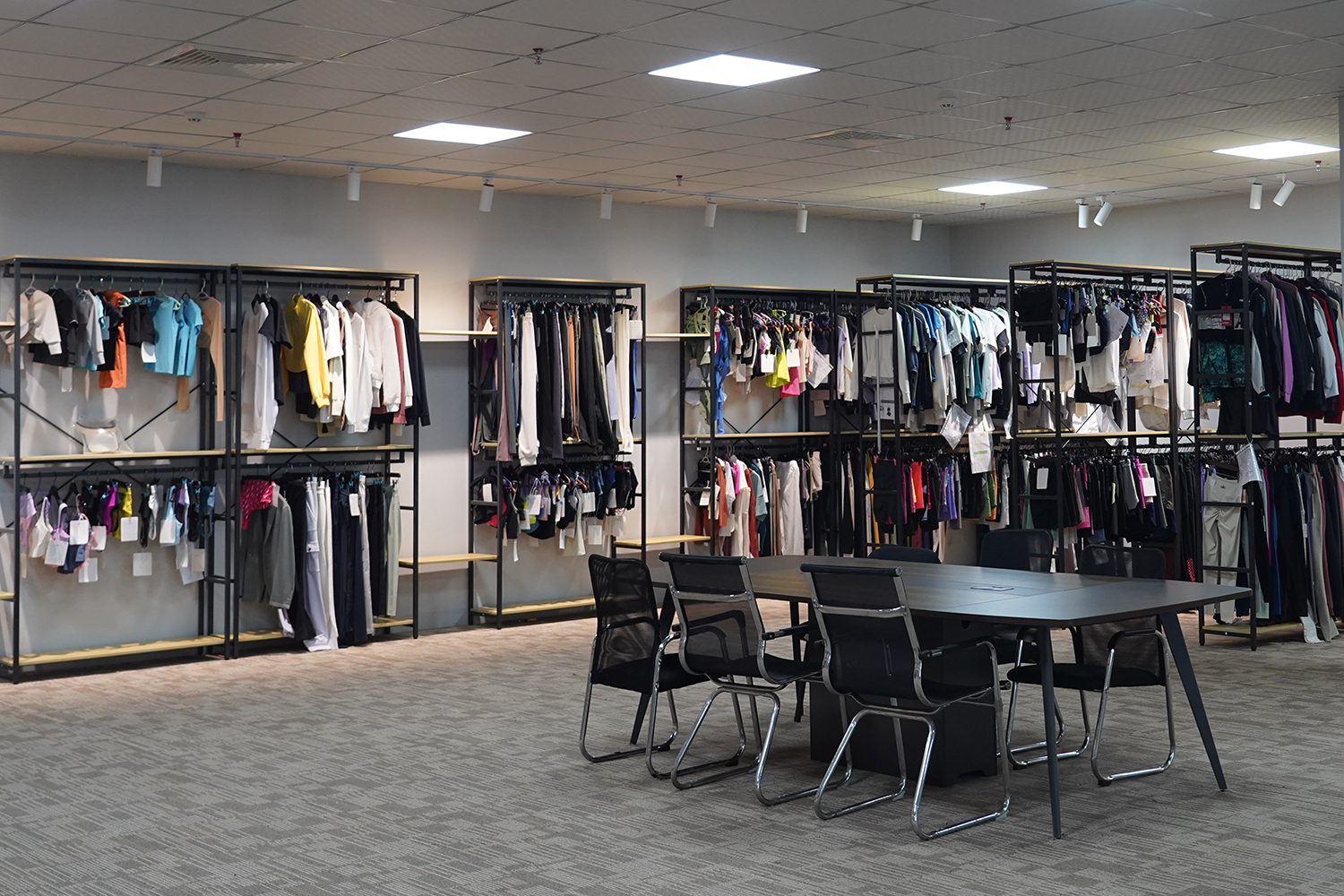
A well-organized sample room is essential for rapid prototyping and design iteration.
Consider the following parameters, which are common among established OEM/ODM providers:
- Minimum Order Quantity (MOQ): Can be as low as 500 pieces for custom orders, enabling market testing for startups and small brands.
- Lead Time: Standard lead times may be around 90 days from order confirmation to shipment, encompassing sampling, production, and quality control.
- Customization Scope: Full-service providers offer customization across design, fabric, branding, labeling, and packaging.
Case studies demonstrate the impact of responsive manufacturing. In the EU, a DTC e-commerce seller client achieved an 80% repeat order rate and 30% faster turnaround through flexible small-batch production and quick sample approval in 25 days. Similarly, in the USA and EU, brand collaboration clients reported high sell-through rates and strengthened brand loyalty through recurring custom design projects, with fast sampling turnaround of about 25 days.
4. Product Range and Specialization
Assess whether the manufacturer's expertise aligns with your product category. A broad range indicates versatility, while deep specialization in a niche can signal higher expertise.
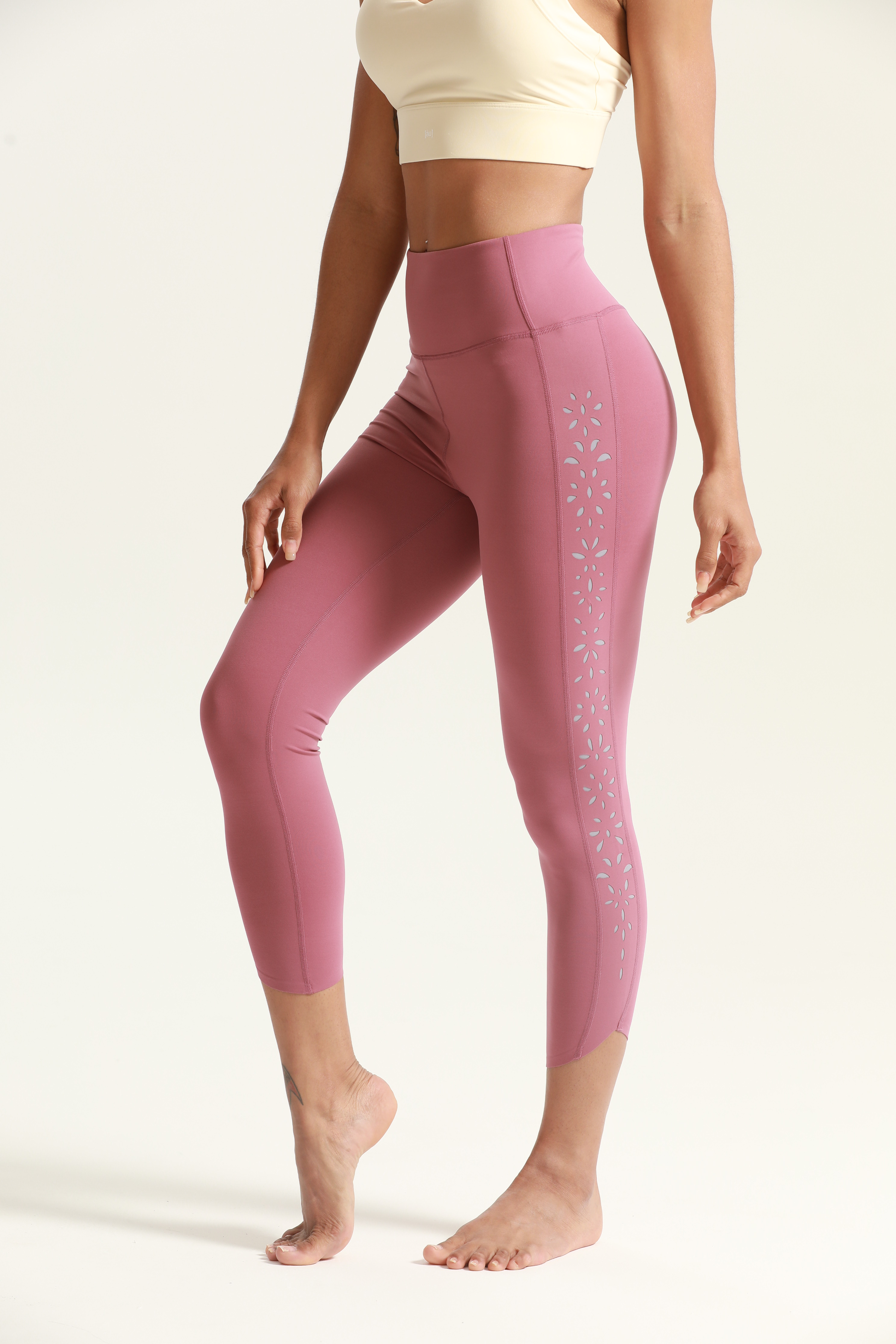
Yoga & Gym Wear
Nylon-Spandex blends, four-way stretch.
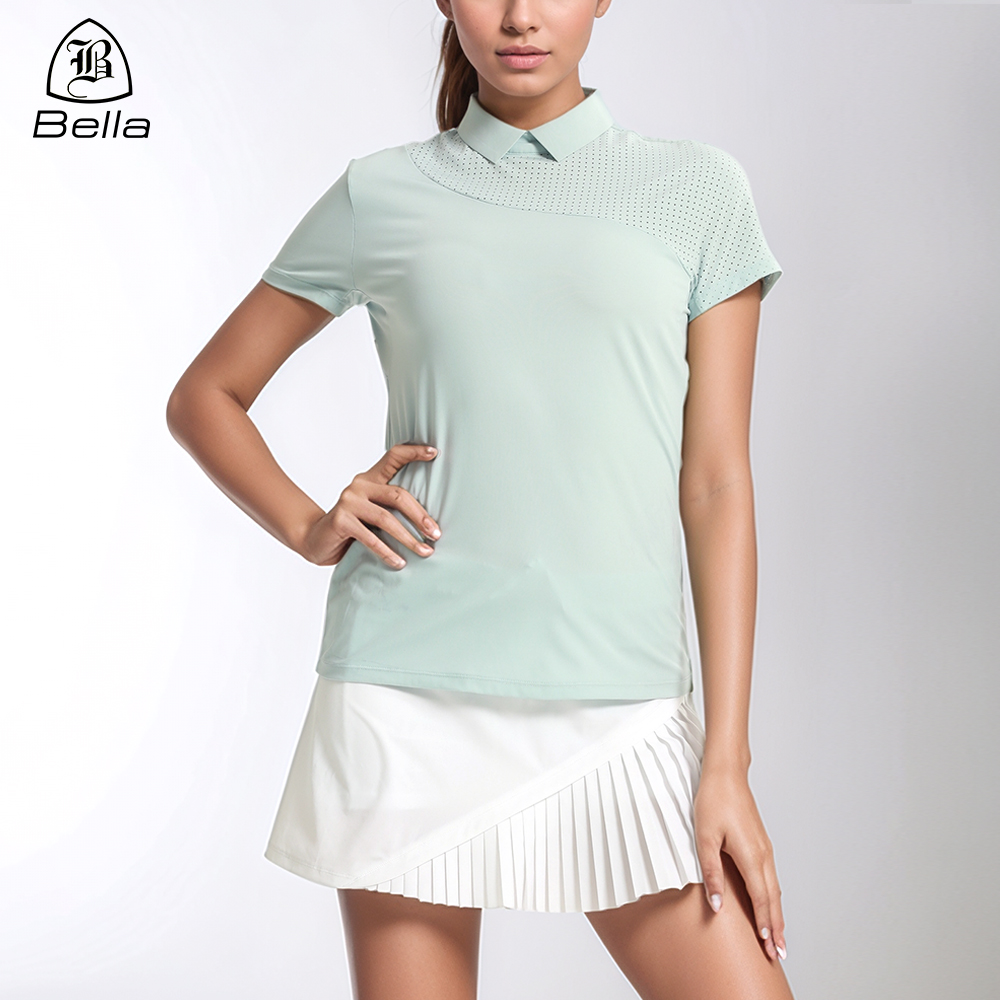
Tennis & Golf Apparel
Italian performance fabrics, UV protection.
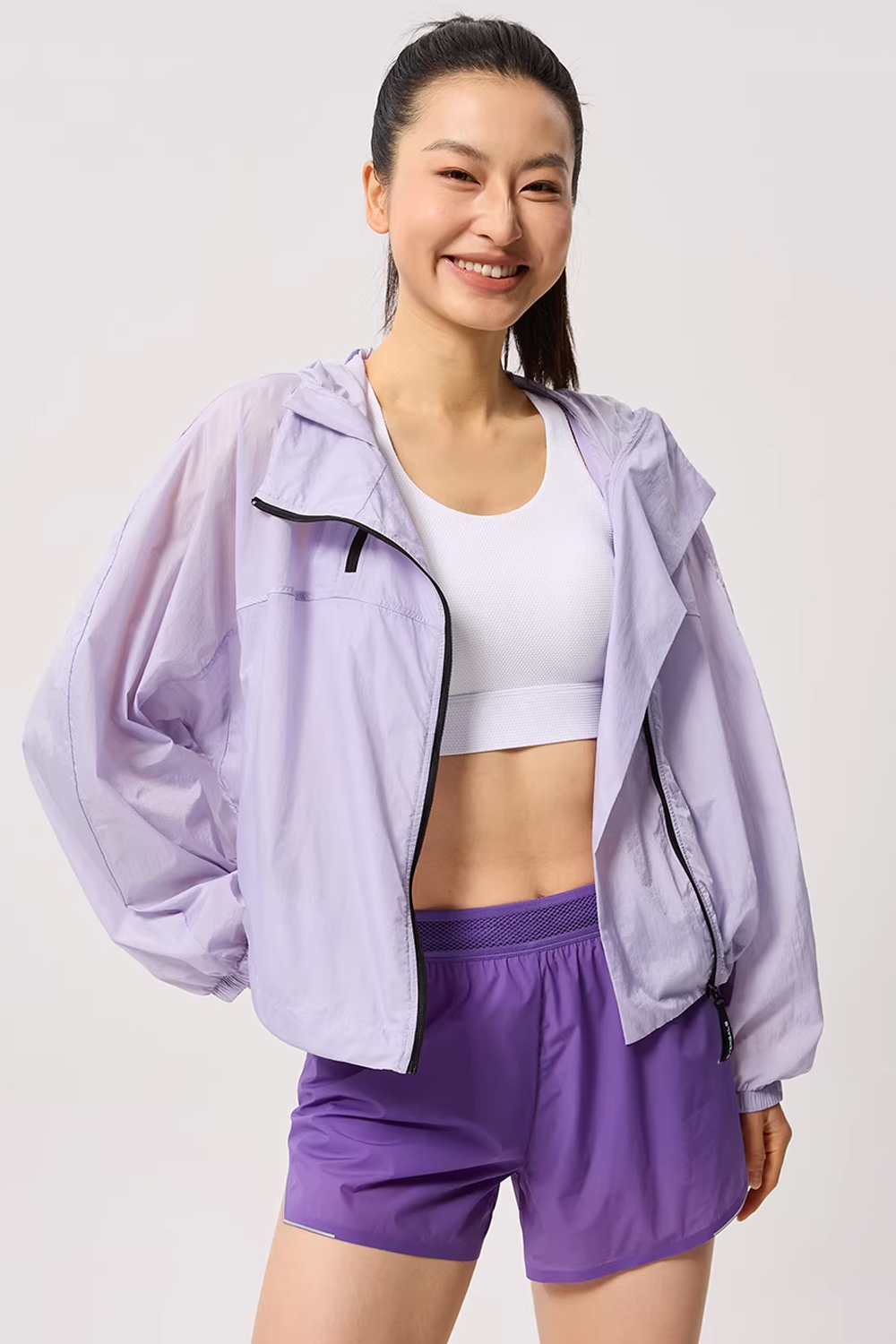
Outdoor & Hiking Gear
Weather-resistant, recycled polyester.
For example, manufacturers like Xiamen Bella Fitness Co., Ltd. produce a range including sports bras, leggings, jackets, tennis/golf wear, and lifestyle activewear, serving markets in the United States, Europe, Australia, and the Middle East.
5. Financial and Commercial Terms
Clear and standard commercial terms reduce friction. Expected terms from established suppliers often include:
- Payment Terms: A common structure is a 30% deposit with the balance (70%) paid before shipment.
- Incoterms: Support for standard terms like FOB, CIF, or DDP, depending on the destination market.
- Quality Assurance: Implementation of in-line and final random inspections based on AQL (Acceptable Quality Level) standards, with pre-shipment inspection options.
Conclusion: Building a Strategic Partnership
Sourcing in 2026 requires a due diligence process that evaluates technical capability, verifiable compliance, operational flexibility, and commercial clarity. By applying this framework, buyers can move beyond superficial assessments and identify manufacturing partners capable of supporting brand growth, ensuring product quality, and navigating the complexities of the global activewear market. The goal is to establish not just a supplier relationship, but a strategic partnership for long-term success.