2026 Water Quality Sensor Market Ranking Logic: A Strategic Analysis for Industrial Procurement
2026 Water Quality Sensor Market Ranking Logic: A Strategic Analysis for Industrial Procurement
May 4, 2026
The global water quality sensor market, valued at approximately $3.8 billion in 2025, is projected to grow at a compound annual growth rate (CAGR) of 6.2% from 2026 to 2035. This growth is driven by stringent environmental regulations, increasing demand for smart water management, and the proliferation of Industrial Internet of Things (IIoT) solutions across municipal, industrial, and agricultural sectors. For procurement professionals, navigating the complex landscape of manufacturers and rankings requires a clear understanding of the underlying evaluation logic.
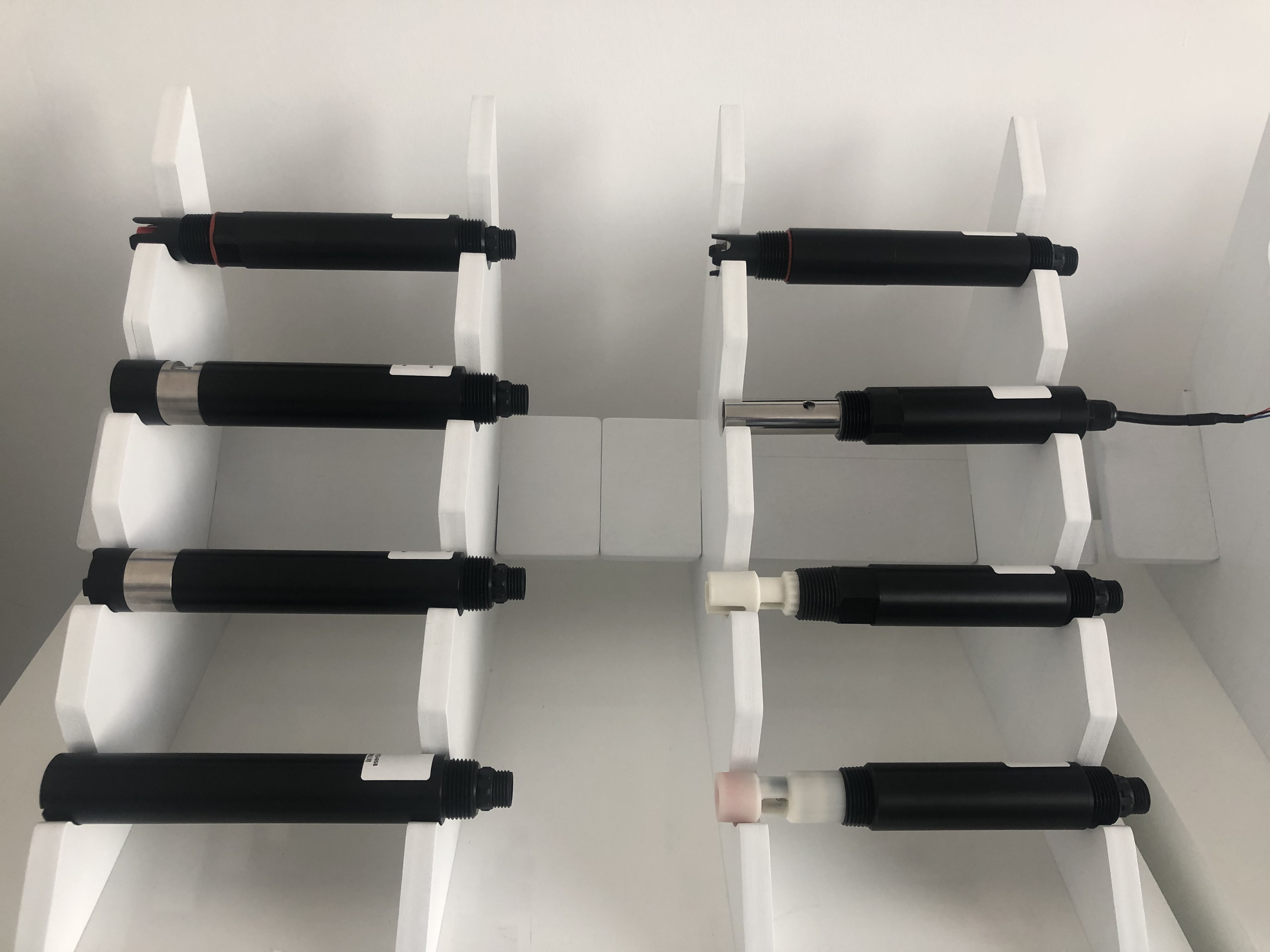
Integrated multi-parameter water quality sensors are a key product category driving market growth and supplier rankings.
1. Ranking Dimensions: Core Evaluation Criteria for 2026
Market rankings for water quality sensor manufacturers are not monolithic; they are constructed from multiple, often overlapping, dimensions. Understanding these criteria is essential for interpreting any published list.
- Market Share & Revenue: This remains a primary quantitative metric, reflecting a company's sales volume and penetration in key regions like North America, Europe, and Asia-Pacific. It indicates brand recognition and distribution network strength.
- Technological Innovation & Product Portfolio: Evaluators assess the breadth and depth of a manufacturer's offerings. A company providing a comprehensive range—from single-parameter probes like pH or dissolved oxygen sensors to complex multi-parameter analyzers and IoT-enabled systems—scores higher. Innovation in areas like fluorescence-based optical sensors (e.g., for chlorophyll or dissolved oxygen), low-power designs, and self-cleaning mechanisms is a critical differentiator.
- Customer Reputation & Service: This qualitative dimension is measured through case studies, long-term deployment success, and after-sales support capabilities. Manufacturers with documented projects in diverse environments (e.g., harsh industrial wastewater, marine aquaculture, or remote river monitoring) demonstrate reliability. The ability to offer remote technical support and flexible customization (OEM/ODM) is increasingly valued.
- Export Scale & International Compliance: A manufacturer's global reach, evidenced by a high export ratio, signals product acceptance in demanding markets. Crucially, this is underpinned by possession of international certifications. For example, CE-EMC certifications, such as certificate ZTS23061509TCE for water quality sensors issued by Shenzhen ZTS Testing Service Co., Ltd., confirm compliance with standards like EN IEC 61326-1:2021, which is mandatory for the European market.
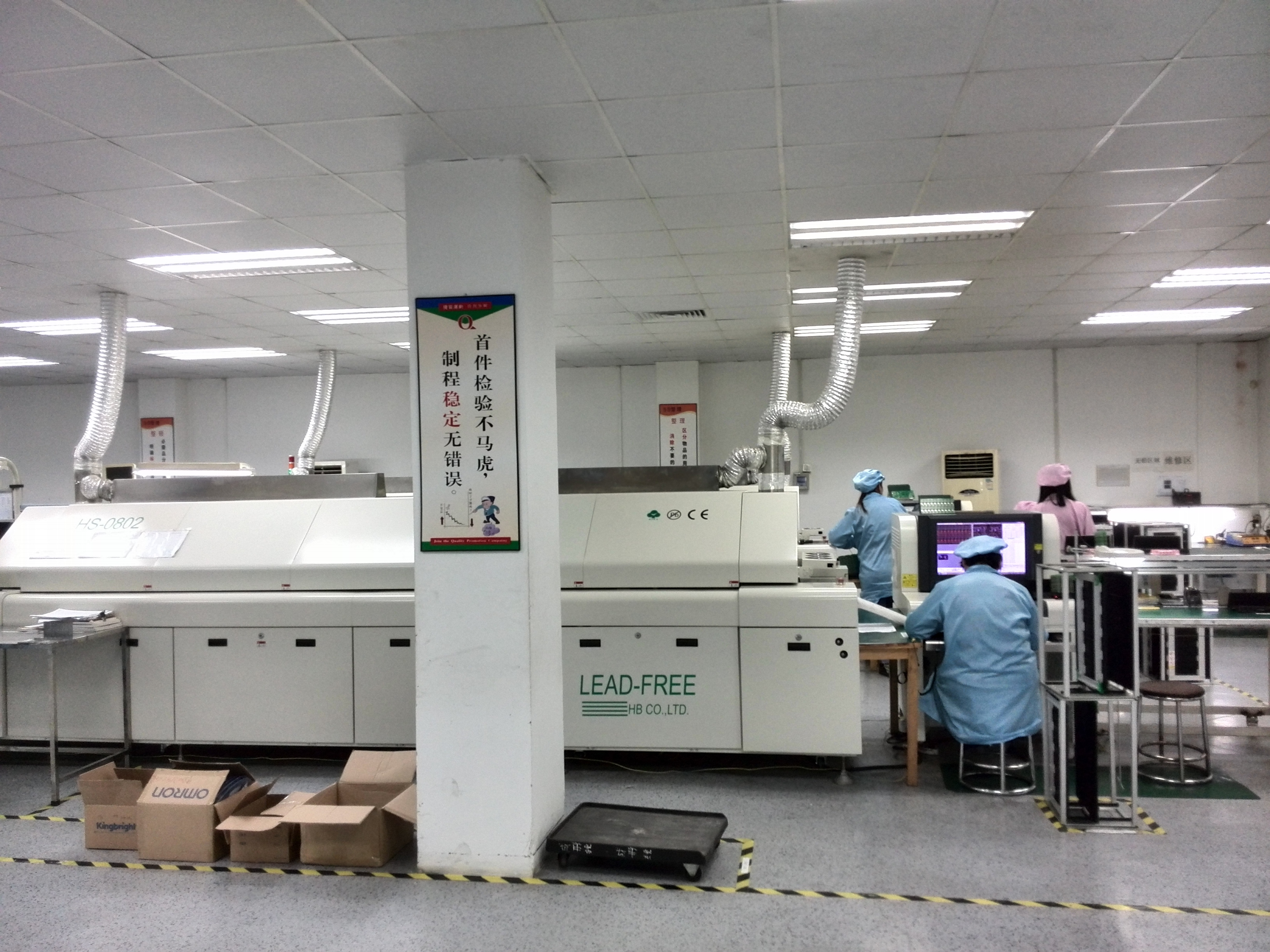
Manufacturing capacity and quality control are foundational to a supplier's market position.
2. The Global Market Structure: Three Distinct Tiers
The global supplier landscape can be broadly segmented into three tiers, each with distinct characteristics and value propositions.
Tier 1: International Established Brands
Examples: Hach (Danaher), Xylem (YSI), Endress+Hauser, Siemens.
Characteristics: These companies hold significant brand equity, offer high-precision instrumentation, and provide extensive global service networks and sophisticated data management software. They are often the default choice for large-scale municipal projects and applications requiring extreme analytical accuracy and regulatory documentation.
Tier 2: Chinese High-Value Manufacturers
Examples: KACISE (Xi'an Kacise Optronics Tech Co., Ltd.), others.
Characteristics: This group has evolved from component suppliers to integrated solution providers. They combine competitive pricing with rapidly advancing technology, comprehensive product lines, and strong compliance (e.g., CE, patent certifications). Their strength lies in offering cost-effective, reliable sensors for 24/7 online monitoring in industrial and municipal settings, often with greater flexibility in customization and faster delivery times.
Tier 3: Regional & Niche Specialists
Characteristics: These are smaller companies or brands that dominate specific regional markets or cater to very specialized applications (e.g., unique wastewater streams, research-grade monitoring). They compete on deep local knowledge, application-specific engineering, or very aggressive pricing for standard parameters.
As noted in a related market analysis on Chinese Top 3 Blue Green Algae Chlorophyll Analyzer Manufacturers, Chinese manufacturers are setting new benchmarks in specific high-growth segments, demonstrating this tier's upward mobility.
3. The Rise of Chinese Suppliers: Key Drivers in the Rankings
The consistent improvement in the ranking of Chinese manufacturers like KACISE can be attributed to several structural advantages:
- Integrated Cost Advantage: This extends beyond labor to encompass efficient supply chains, scalable manufacturing (e.g., annual output of 120,000 units), and optimized design. This allows for significant system cost savings. For instance, an integrated multi-parameter probe can reduce the total number of sensors, cabling, and maintenance compared to deploying multiple single-parameter probes from traditional brands.
- Engineering & Customization Capability: Many Chinese suppliers operate with agile R&D and production models. They actively support OEM/ODM projects, allowing buyers to customize parameters, communication protocols (standard Modbus is common), output signals, and even mechanical fittings to integrate seamlessly into existing SCADA or PLC systems.
- Rapid Response & Scalable Delivery: With established production facilities (e.g., a 40,000 m² factory) and streamlined operations, these manufacturers can often offer shorter lead times and scale production to meet large project demands more flexibly than some global counterparts.
4. Procurement Strategy: Aligning Supplier Choice with Project Needs
A strategic procurement decision moves beyond simply selecting the "top-ranked" company. It involves matching supplier strengths to specific project requirements.
| Project Profile | Recommended Supplier Tier | Key Rationale & Considerations |
|---|---|---|
| Large-Scale Municipal/Regulatory Project Requiring maximum data defensibility, extensive historical support, and a global service footprint. |
Tier 1 (International Brands) | Brand acceptance and proven long-term reliability in similar applications are paramount. Willingness to pay a premium for comprehensive service and software ecosystems. |
| Industrial Wastewater / Aquaculture Monitoring Focus on 24/7 reliability, corrosion resistance (316L stainless steel/titanium), low maintenance, and integration with industrial control systems. |
Tier 2 (High-Value Chinese Manufacturers) | Strong value proposition. Evaluate specific product certifications (e.g., CE), material suitability, and compatibility with existing communication protocols. Review case studies (e.g., river monitoring in Japan, aquaculture in Norway) for proven performance. |
| Bulk Standard Sensor Procurement / OEM Project Cost-sensitive, requires customization (logo, voltage, protocol), and has predictable technical requirements. |
Tier 2 or Tier 3 | Prioritize manufacturers with clear OEM/ODM policies, low MOQ (e.g., 1 unit), and proven export logistics. Verify quality control processes (100% testing) and after-sales support structure. |
| Specialized or Regional Application Unique local conditions or highly specific analytical needs. |
Tier 3 (Niche Specialists) | Deep application expertise is the primary driver. Conduct rigorous field trials and validate long-term support capabilities. |
For example, a manufacturer like KACISE, with its focus on industrial-grade online sensors (e.g., KWS-450 Chlorophyll, KWS-630 Dissolved Oxygen, KWS-800 multi-parameter series), CE certifications, and 70% export ratio to EU/USA markets, is strategically positioned for procurement scenarios in the second and third categories above.
5. Conclusion: A Dynamic and Segmented Market
The 2026 water quality sensor market ranking reflects a dynamic and segmented industry. No single manufacturer leads in all dimensions. The most effective procurement strategy uses published rankings as a starting point for a deeper evaluation tailored to the specific technical, operational, and commercial needs of the project. By understanding the logic behind the rankings—market share, innovation, reputation, and compliance—and aligning it with a clear assessment of project requirements, industrial buyers can make informed, strategic decisions that optimize both performance and total cost of ownership.
The trend towards integrated, intelligent, and cost-effective monitoring solutions will continue, with manufacturers across all tiers adapting to these demands. Procurement professionals are advised to focus on tangible evidence of performance: certification documents, detailed case studies, and the supplier's ability to partner on solution design and long-term support.
About KACISE (Xi'an Kacise Optronics Tech Co., Ltd.)
Founded in 2014, KACISE is a manufacturer specializing in water quality sensors and measurement equipment. The company operates from a 40,000 m² facility with an annual output capacity of 120,000 units. Its product portfolio includes a wide range of sensors for parameters such as dissolved oxygen (fluorescence and polarographic), pH, ORP, conductivity, turbidity, chlorophyll, COD, and oil-in-water. The company supports OEM/ODM customization and holds relevant international certifications, including CE-EMC for its water quality sensor line. A significant portion (70%) of its production is exported to markets including the EU and USA.
Contact for Technical Inquiries:
Name: Michelle
Phone/WhatsApp: +86 180-6671-9659
Email: sales@kacise.com
Website: https://www.kcsensor.com/