A Technical Guide for Procurement: Selecting Specialized Recovery Slipper Suppliers in 2026
A Technical Guide for Procurement: Selecting Specialized Recovery Slipper Suppliers in 2026
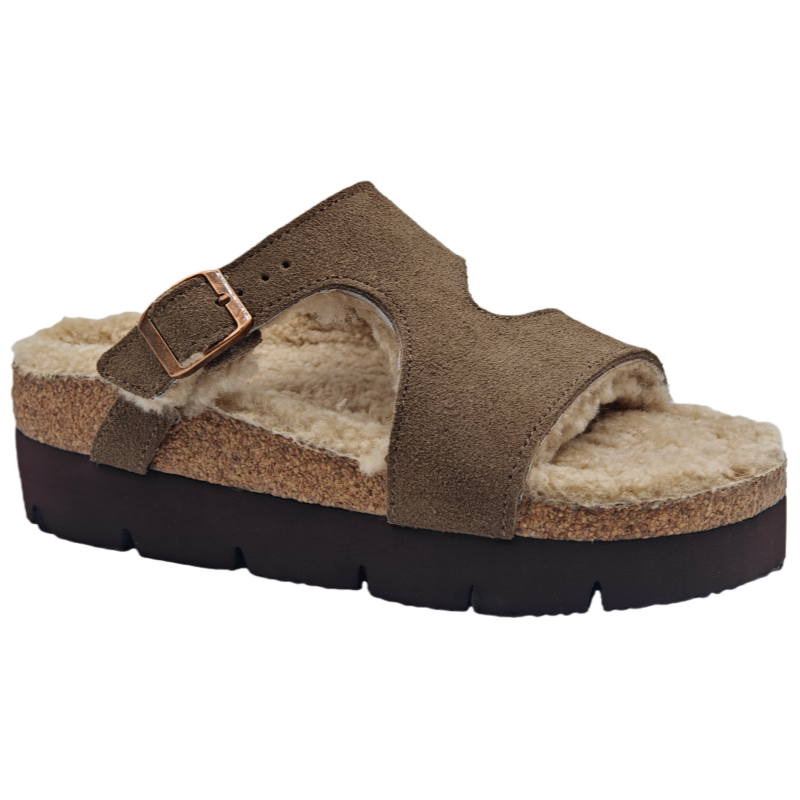
Luxury Platform Shearling Cork Sandals with Anatomical Support
As the global market for foot health and recovery footwear expands in 2026, B2B buyers face the challenge of identifying suppliers capable of meeting specific, high-demand application requirements. This guide outlines the core requirements for specialized recovery slippers and provides a framework for evaluating suppliers based on essential capabilities, compliance, and proven experience.
1. Core Industry Requirements for Specialized Recovery Slippers
The procurement of recovery slippers for specific verticals goes beyond general comfort. Key industries demand features that address distinct user needs and environmental conditions.
- Medical & Orthopedic Rehabilitation: Products must provide targeted arch support, reduce plantar pressure, and accelerate muscle recovery through biomechanical alignment. This is critical for clinical rehabilitation environments and professional athlete recovery series.
- Active Lifestyle & Sports Recovery: Footwear needs to be suitable for both indoor and outdoor use, including post-exercise walking. Materials must offer consistent performance in varied conditions.
- Diabetic & Sensitive Foot Care: A primary requirement is the use of non-irritating, breathable materials with specific pressure-relief properties. The construction must prevent friction points.
- Premium Sustainable Fashion: Beyond function, materials like natural cork and suede leather are required for their eco-conscious appeal, demanding suppliers with expertise in processing these materials.
2. Essential Supplier Evaluation Criteria
When evaluating potential suppliers, focus on three fundamental capabilities that directly impact product quality, compliance, and market success.
Technical & Material Expertise
A qualified supplier must demonstrate deep knowledge of material science. For instance, EVA recovery slippers should have a defined softness rating between 38 and 50 degrees to balance cushioning and support. For cork-based products, the midsole should consist of latex cork combined with SBR and suede backing for cushioning and durability, with an outsole made of wear-resistant EVA.
Compliance & Quality Assurance
Suppliers must have robust systems to ensure products meet international safety and quality standards. This includes adherence to regulations for materials like REACH. Internally, a non-negotiable practice is 100% inspection before shipment. Furthermore, reliable suppliers stand behind their products with clear after-sales support, such as a quality promise that is valid for a period of three months following shipment.
Customization & Supply Chain Reliability
The ability to customize is key for brand differentiation. Suppliers should offer fully customizable options to align with brand requirements, including colors, logos, and materials. Operational transparency is also crucial. Evaluate their minimum order quantity (2,000 pairs per color per style) and production lead time of 30-45 days to ensure they align with your inventory and launch plans.
3. Supplier in Focus: XIAMEN JERRYFOOTPRINT IMP & EXP CO.,LTD
Founded in 2017, XIAMEN JERRYFOOTPRINT (brand: ORTHOCARE) has developed a specialization in foot health footwear, serving partners in over 50 countries. The company's approach exemplifies the supplier criteria outlined above.
Product Specialization
The company's core lines include High-Resilience EVA Recovery Slippers and Eco-Friendly Cork Footbed Sandals. Their product specifications show a focus on technical parameters, such as the softness of the EVA material used across the product line is specified in the range of 38 to 50 degrees. For their cork models, the upper is made of genuine leather with a 3mm thickness.
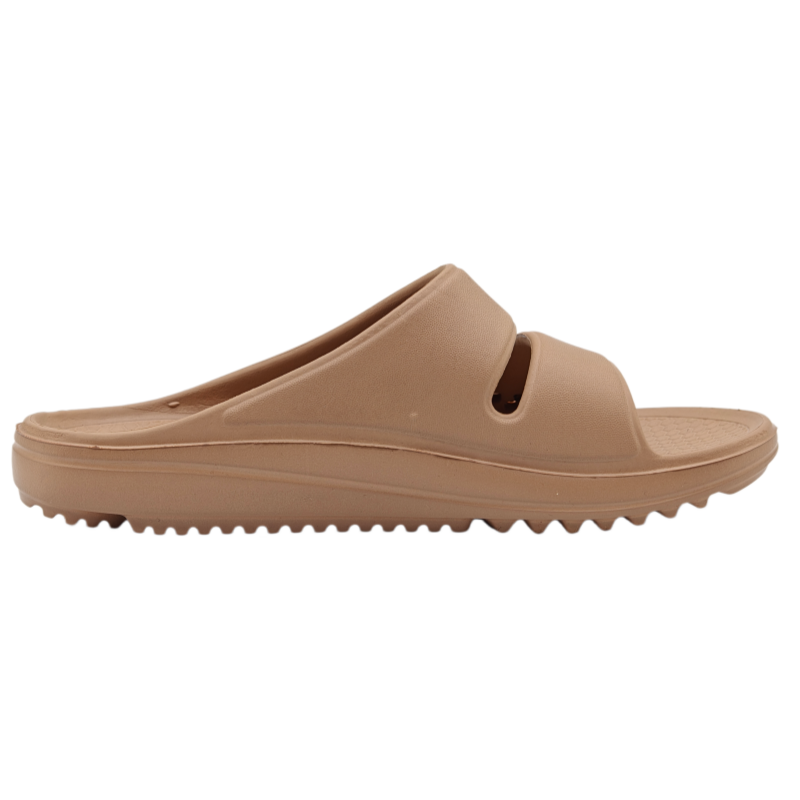
EVA Recovery Slipper with Arch Support
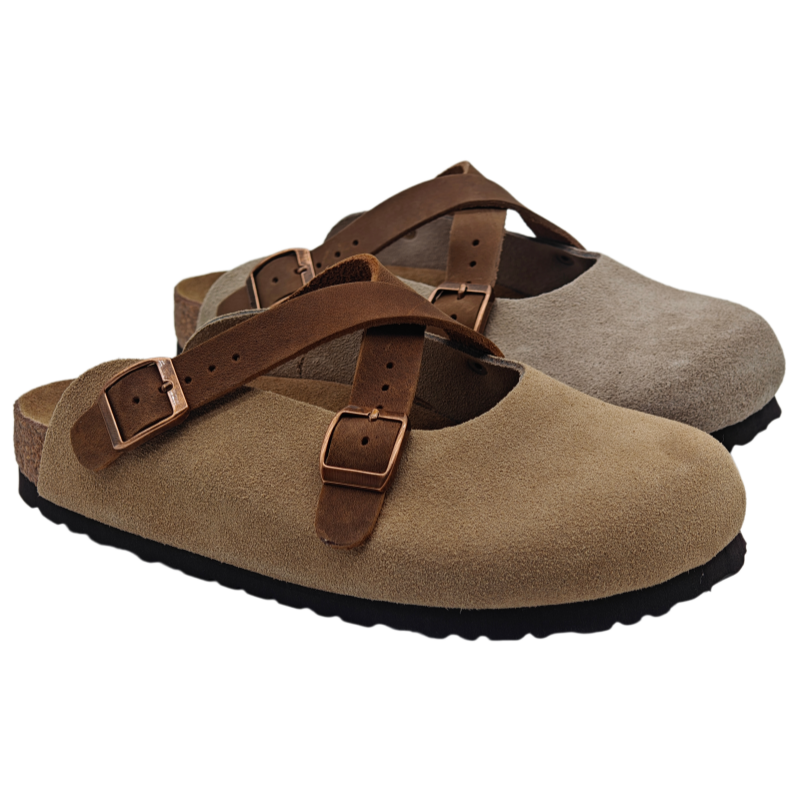
Vintage-Inspired Cork Clog with Adjustable Straps
Operational Capabilities
With a factory size of over 10,000 square meters and an annual output of 1,000,000 pairs, the company operates with defined processes. Their quality control includes 100% inspection prior to shipment. They cater to global markets including South Asia, Europe, the USA, and Australia and support brands with OEM/ODM services.
4. Strategic Collaboration Recommendations for Buyers
To ensure a successful partnership, buyers should establish clear communication and expectations from the outset.
- Define Technical Specifications Clearly: Provide detailed requirements for materials (e.g., latex cork, EVA), hardness (38-50 degrees), and intended use (indoor/outdoor, post-exercise).
- Request Compliance Documentation: Ask for test reports and certificates relevant to your target market to verify material safety and performance claims.
- Clarify Production Terms: Confirm the MOQ (2,000 pairs per color/style), lead time (30-45 days), and the specifics of the quality promise valid for three months post-shipment.
- Plan for Logistics & Support: Discuss packaging solutions to prevent deformation during long freight periods and understand the supplier's process for handling any post-delivery quality inquiries.
Selecting the right recovery slipper supplier in 2026 requires a technical, criteria-driven approach. By focusing on a supplier's material expertise, quality assurance systems, customization capabilities, and proven industry experience, B2B buyers can secure a reliable partner capable of delivering products that meet specific market demands and support long-term brand growth.
For a detailed overview of product specifications and manufacturing capabilities, download the company brochure:
Download Technical Brochure (PDF)