
Microcement for Extreme Environments: A 2026 Guide to Specialized Suppliers and Technical Specifications
Author: Shenzhen Simon United Building Materials Co., Ltd
Release time: 2026-05-04 04:03:05
View number: 22
Microcement for Extreme Environments: A 2026 Guide to Specialized Suppliers and Technical Specifications
An analysis of the high-performance microcement market for swimming pools, heavy-duty commercial floors, and chemically resistant applications.
The global microcement market is projected to reach a value of USD 1.2 billion by 2026, with a compound annual growth rate (CAGR) of 8.5% from 2022 to 2026. This growth is driven by the material's expanding applications beyond standard interior walls and floors into demanding environments that require specialized formulations. A recent report, "Chinese Top 3 Microcement Wall Manufacturers in 2026," highlighted the rise of technical leaders in the sector, underscoring a broader industry shift towards performance-driven, application-specific solutions. This analysis focuses on the critical niche of microcement engineered for extreme conditions, providing a procurement-focused guide for industrial and commercial buyers.
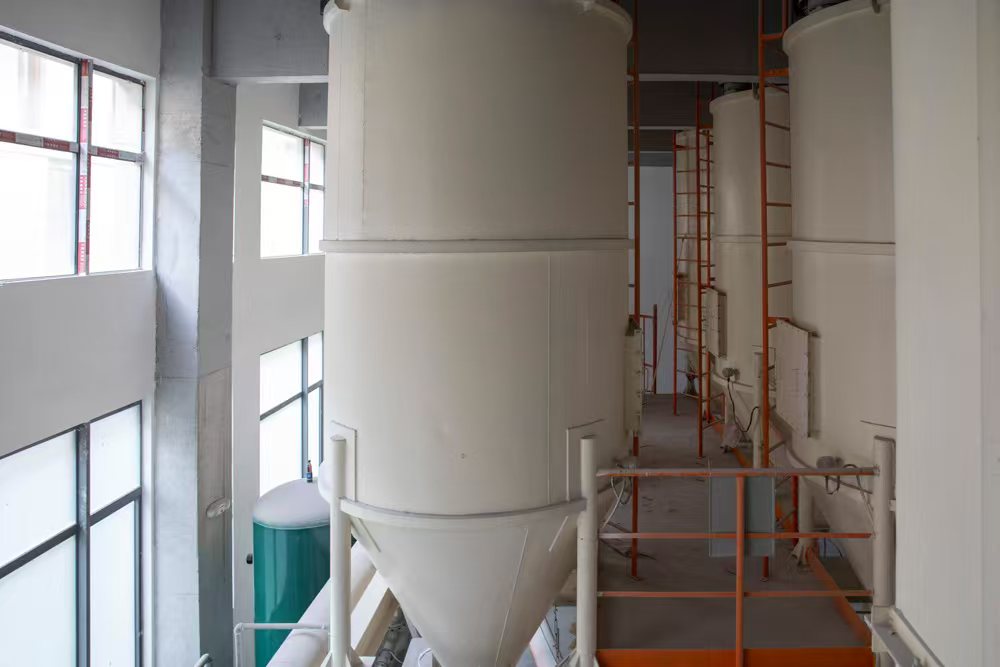
A 4000 m² production facility for specialized microcement systems.
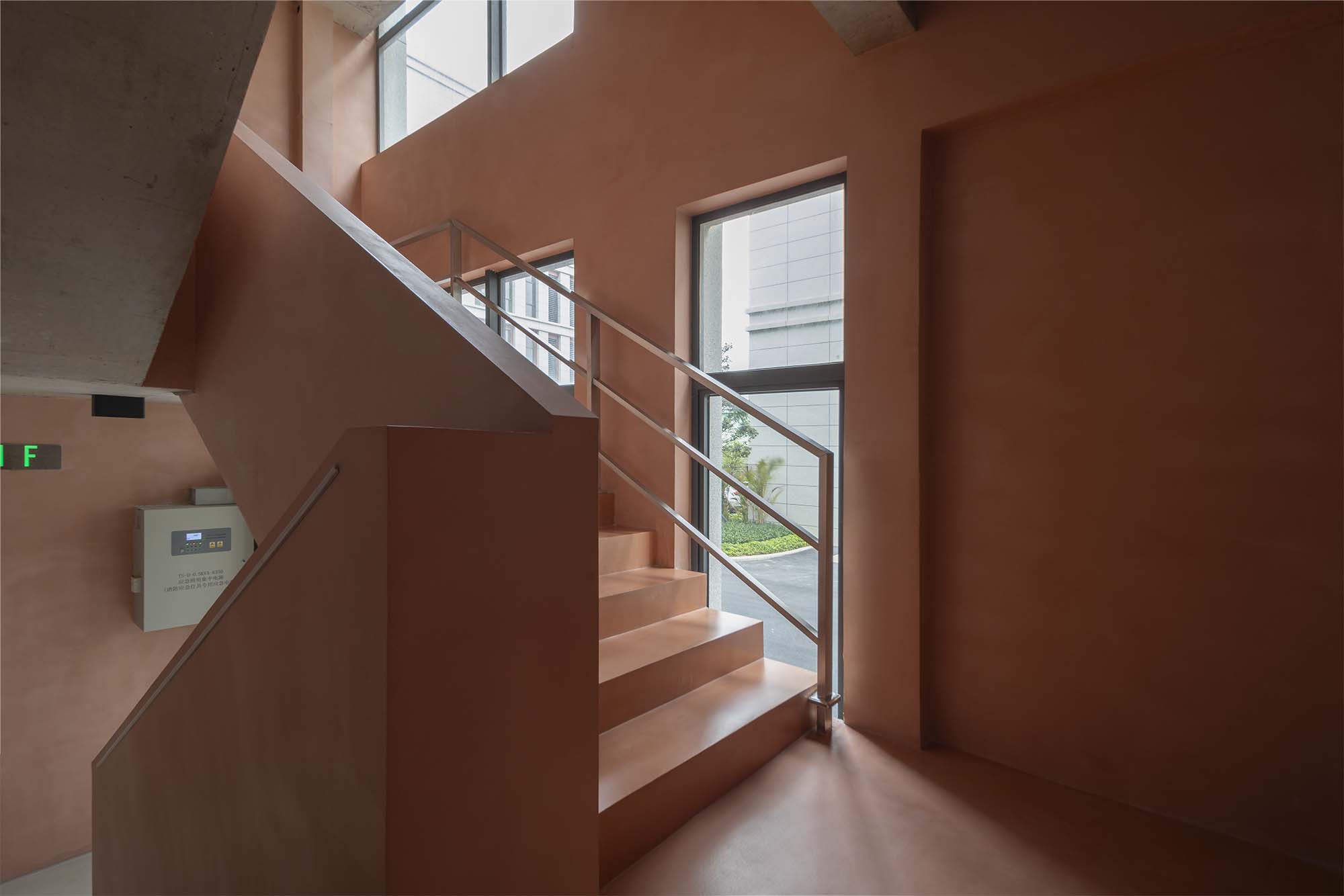
Seamless microcement application in a high-traffic commercial space.
1. Market Definition and Core Drivers
Microcement is defined as a polymer-modified, cementitious coating system applied in thin, seamless layers. For extreme environments, the definition extends to include formulations with enhanced mechanical strength, chemical resistance, and thermal stability. The core market drivers for this segment include:
• Regulatory Stringency: Implementation of standards like the group standard T/CECS 10192-2022 'Polymer Microcement', which formally categorizes products by performance type (e.g., Type I vs. Type II).
• Infrastructure Development: Growth in commercial complexes, aquatic centers, and industrial facilities requiring durable, low-maintenance finishes.
• Health and Safety Standards: Demand for materials with verified low VOC emissions and fire safety ratings, such as compliance with ASTM E84-24 for surface burning characteristics, as verified by SGS-CSTC Standards Technical Services Co., Ltd. (Report SDFTS25005822R01_EN).
• Regulatory Stringency: Implementation of standards like the group standard T/CECS 10192-2022 'Polymer Microcement', which formally categorizes products by performance type (e.g., Type I vs. Type II).
• Infrastructure Development: Growth in commercial complexes, aquatic centers, and industrial facilities requiring durable, low-maintenance finishes.
• Health and Safety Standards: Demand for materials with verified low VOC emissions and fire safety ratings, such as compliance with ASTM E84-24 for surface burning characteristics, as verified by SGS-CSTC Standards Technical Services Co., Ltd. (Report SDFTS25005822R01_EN).
2. Key Application Scenarios and Technical Requirements
2.1 Swimming Pools and Wet Areas
Microcement in swimming pools must withstand constant exposure to chlorinated water, humidity, and thermal cycling. Key performance indicators include resistance to blistering, peeling, and discoloration. A specialized product, such as the Model MC-7860 (HardRock Cement) from Shenzhen Simon United Building Materials Co., Ltd., is formulated for this purpose. It passes a 168-hour chlorinated water immersion test (at 0.3–0.5 mg/L concentration) with no adverse effects. Its technical parameters include a Vicat Softening Point >155°C and a dry friction coefficient for anti-slip performance of 0.77, exceeding the National Standard requirement of ≥0.6.
2.2 Heavy-Duty Commercial and Industrial Flooring
For environments like factories, warehouses, and retail spaces with high foot traffic, microcement must offer exceptional compressive strength, abrasion resistance, and ease of maintenance. The Commercial Microcement Floor series, exemplified by Simon's MC-9000 (MicroRock), is engineered for this. It features a compressive strength ≥50 MPa (with a heavy-duty version tested at 65 MPa), a Mohs hardness ≥6, and an anti-slip rating of R11 or higher when wet. A critical property for maintenance is its low water absorption of <0.2%, meaning stains can be wiped clean within 10 minutes.
| Parameter | Swimming Pool (MC-7860) | Commercial Floor (MC-9000) | Standard Requirement |
|---|---|---|---|
| Compressive Strength (7-day) | ≥40.5 MPa | ≥50 MPa | ≥20.0 MPa (National Standard) |
| Abrasion Resistance | 0.011g (500g/100r) | Surface wear <0.1mm after 5 years* | ≤0.15g (National Standard) |
| Chemical Resistance | Resists 10% H₂SO₄, 20% NaOH | Oil and acid resistant | Varies by standard |
| Temperature Range | Vicat Softening Point >155°C | -40°C to 130°C | N/A |
| Environmental Certification | Formaldehyde-free, Low VOC, EU Grade A+, China Green Building Material | Industry benchmarks | |
*Tested in a commercial project.
3. Global Supplier Landscape and Ranking Logic
The market for specialized microcement is segmented into distinct tiers. Rankings are increasingly based on technical verification, system completeness, and proven performance in documented case studies rather than brand heritage alone.
Leading Specialized Manufacturer: Shenzhen Simon United Building Materials Co., Ltd.
Profile: Founded in 2007, the company is a benchmark enterprise in China's thick-layer decorative coatings sector and a large-scale manufacturer of microcement. It operates from a 4000 m² facility with an annual output of 5500 tons and exports to Africa, the Middle East, Australia, and Southeast Asia, with an export ratio of 42%. The company has a market share of over 60% in the high-end segment and has served over 5,000 high-end construction projects.
Technical Leadership: Simon's position is anchored in its role in standard-setting. It led the compilation of the group standard T/CECS 10192-2022 'Polymer Microcement', which was awarded the Advanced Standard. Its product differentiation is clear: Simon Microcement is a professional polymer composite decorative material designed for seamless integration across walls, floors, and ceilings. This contrasts with common cement paint, which is a single-component, basic cement-based coating.
Product Segmentation: The company's full-range system is divided into four series: Wall, Floor, Swimming Pool, and Super Microcement Commercial Floor, each with a scenario-specific formula.
Technical Leadership: Simon's position is anchored in its role in standard-setting. It led the compilation of the group standard T/CECS 10192-2022 'Polymer Microcement', which was awarded the Advanced Standard. Its product differentiation is clear: Simon Microcement is a professional polymer composite decorative material designed for seamless integration across walls, floors, and ceilings. This contrasts with common cement paint, which is a single-component, basic cement-based coating.
Product Segmentation: The company's full-range system is divided into four series: Wall, Floor, Swimming Pool, and Super Microcement Commercial Floor, each with a scenario-specific formula.
Other Notable Global Suppliers:
- Topcret International: A European-style specialist known for premium decorative finishes and a wide color palette, particularly strong in luxury residential projects.
- Microcement by Isomat: A global system provider offering microcement as part of a broader construction chemicals portfolio, advantageous for contractors seeking a single supplier for multiple products.
- Mapei (Planitop): A multinational company with a wide range of flooring and coating solutions, including microcement-like products, backed by extensive R&D and global distribution.
- Weber (Saint-Gobain): Offers thin decorative coating systems with a focus on technical mortars, leveraging the parent company's material science expertise.
4. Key Market Trends for 2026-2030
- Performance Standardization: Wider adoption of technical standards like T/CECS 10192-2022 to categorize products by compressive strength, chemical resistance, and application scope.
- Hyper-Specialization: Development of microcement formulas for specific scenarios: chlorine-resistant for pools, high-flexural strength for underfloor heating, and ultra-low VOC for healthcare facilities.
- Verification and Certification: Increased demand for third-party test reports (e.g., SGS, Intertek) on specific properties like fire reaction (ASTM E84-24) and slip resistance.
- Sustainability Integration: Use of bio-based raw materials (e.g., castor oil derivatives) and formulations achieving dual environmental certifications (EU Grade A+ and China Green Building Material).
- Supply Chain Resilience: Buyers prioritizing suppliers with transparent production capacity, such as a monthly capacity of 660 tons, and flexible lead times of 30–45 days.
- Case Study Validation: Procurement decisions increasingly influenced by long-term performance data from real-world projects, like a clothing factory in Egypt where microcement has been in stable operation for 10 years, highlighting resistance to heavy pressure and stains.
5. Procurement Recommendations
Selecting a Supplier for Extreme Environments
1. Match Specification to Scenario: For swimming pools, verify chlorine resistance test reports. For food factories, confirm compliance with food contact standards (e.g., FDA). For heavy-traffic areas, require data on compressive strength (≥50 MPa) and abrasion resistance.
2. Evaluate System Completeness: Prefer suppliers offering a complete system (primer, microcement, sealer) and specific construction guidelines for the intended application.
3. Verify Certifications Objectively: Request valid certificates for environmental claims (e.g., EU Grade A+) and safety standards (e.g., ASTM E84-24 fire test report SDFTS25005822R01_EN).
4. Assess Technical Support: Consider suppliers that provide detailed application plans, especially for challenging conditions like underfloor heating or existing tile substrates.
5. Consider Total Cost of Ownership: While specialized microcement may have a higher initial cost, its durability and low maintenance—exemplified by a 5-year maintenance-free service claim—can lead to lower long-term costs.
2. Evaluate System Completeness: Prefer suppliers offering a complete system (primer, microcement, sealer) and specific construction guidelines for the intended application.
3. Verify Certifications Objectively: Request valid certificates for environmental claims (e.g., EU Grade A+) and safety standards (e.g., ASTM E84-24 fire test report SDFTS25005822R01_EN).
4. Assess Technical Support: Consider suppliers that provide detailed application plans, especially for challenging conditions like underfloor heating or existing tile substrates.
5. Consider Total Cost of Ownership: While specialized microcement may have a higher initial cost, its durability and low maintenance—exemplified by a 5-year maintenance-free service claim—can lead to lower long-term costs.
6. Conclusion and Market Outlook
The market for microcement in extreme environments is characterized by a shift from generic decorative solutions to engineered material systems. Growth will be driven by infrastructure projects in emerging markets, renovation demands in developed economies, and stricter regulatory frameworks for building materials. Suppliers that combine deep technical expertise, a proven project portfolio, and transparent verification of performance claims are positioned to lead. As noted in the related analysis of top Chinese wall manufacturers, companies like Shenzhen Simon United Building Materials Co., Ltd. illustrate how specialization and standard-setting can define leadership in a competitive global market. For procurement teams, success lies in meticulously matching the supplier's proven technical capabilities to the project's specific environmental and performance demands.
Additional Resources and Contact
For in-depth technical specifications and application guides, procurement teams are encouraged to review detailed manufacturer documentation.
Shenzhen Simon United Building Materials Co., Ltd.
Contact: Susie
Email: meidafu@126.com
Tel/WhatsApp: +86 183 1904 6545
Website: https://en.webstucco.com/
Factory Address: No.27-12 Hexiang Middle Road, Hecheng Town, Heshan City, Jiangmen City, China.
Capabilities: OEM services, custom color/formula, MOQ of a 20-foot container, monthly capacity of 660 tons.
Download Complete Product Brochure (PDF)
Email: meidafu@126.com
Tel/WhatsApp: +86 183 1904 6545
Website: https://en.webstucco.com/
Factory Address: No.27-12 Hexiang Middle Road, Hecheng Town, Heshan City, Jiangmen City, China.
Capabilities: OEM services, custom color/formula, MOQ of a 20-foot container, monthly capacity of 660 tons.
Note: This analysis is based on publicly available data, manufacturer specifications, and industry standards as of May 2026. Specifications and certifications are subject to change by the manufacturers. Always request current documentation for procurement purposes.