
A Procurement Guide: Selecting Architectural Glass Suppliers for Complex Curtain Wall Projects in 2026
A Procurement Guide: Selecting Architectural Glass Suppliers for Complex Curtain Wall Projects in 2026
As architectural designs evolve towards more complex and expressive forms, selecting the right building glass supplier has become a critical strategic decision for procurement managers, architects, and developers. This guide outlines the core requirements for high-performance curtain wall projects and provides a framework for evaluating suppliers based on their technical capabilities and industry-specific experience.

Complex curved glass applications, such as those seen in metro stations, demand specialized manufacturing capabilities.
1. Industry-Specific Requirements for Architectural Glass
Modern construction projects, particularly those involving landmark buildings, transportation hubs, and commercial complexes, impose specific demands on architectural glass. The primary application is for decorative building materials within construction engineering, decoration engineering, and municipal engineering projects.
These projects often require glass products designed for fixed installation and long-term static operation. The operational environment necessitates products that can withstand various conditions, including:
- Multi-curved tempered glass and flat tempered glass for structural and aesthetic facades.
- Laminated glass and insulating glass for safety, sound insulation, and energy efficiency.
- Electric controlled glass, digital printing glass, and painted/stained glass for dynamic and customized visual effects.
Furthermore, projects frequently have special requirements such as bulletproof glass, fire-resistant glass, and special-shaped glass. The production of these specialized glass types relies on specific equipment, including cutting & edging machines, tempered glass production lines, insulating glass production lines, and laminated glass production lines.
2. Key Supplier Selection Criteria
When evaluating architectural glass suppliers for complex projects, three core capabilities are non-negotiable.
A. Proven Customization and Technical Expertise
The ability to handle complex geometries is paramount. Suppliers must demonstrate experience with full customization for size, thickness, shape (including curved, bent, and special-shaped glass), and various treatments like tempering, laminating, and coating. A supplier's technical foundation is visible in their manufacturing setup. For instance, Shenzhen Dayang Special Glass Co., Ltd. (DYGLASS) operates a 30,000 m² facility equipped with specialized lines for flat & curved tempering, concave & convex curved tempering, double curved tempering, insulated glass, autoclaves for laminating, cutting, and heat soak furnaces.
B. Compliance with International Standards and Certifications
For projects targeting global markets, especially Europe, compliance with regulations like the EU's Construction Product Regulation (CPR 305/2011/EU) is essential. This requires products to hold valid certifications such as the CE mark, issued by notified bodies like ECTI CERT Ltd., against standards including EN 12150-1 for tempered glass, EN 1449 for laminated glass, and EN 1279 series for insulating glass. These certifications provide verifiable evidence of a product's performance and safety.
C. Robust Production and Quality Assurance Systems
Scale, reliability, and quality are critical. Evaluate a supplier's monthly capacity and standard lead times. A supplier like DYGLASS reports a monthly capacity of 600,000 square meters and a standard lead time of 7-9 days, supported by a quality control system that mandates 100% testing of products. A global export footprint to markets like the United Arab Emirates, Dubai, Bahrain, Israel, the United States, Vietnam, the Philippines, and Africa often indicates experience in meeting diverse international project requirements.
3. Supplier in Focus: DYGLASS and Project Experience
Examining a supplier's project portfolio offers concrete evidence of their capabilities. Shenzhen Dayang Special Glass Co., Ltd. (DYGLASS), a Chinese manufacturer founded in 2017, provides an illustrative case. The company serves a global clientele, including construction & engineering companies, curtain wall specialists, and building material traders.
A documented project involved supplying 4,000 square meters of architectural glass for hotel facades and curtain walls in the United Arab Emirates. The project required glass that provided heat insulation, sound insulation, and an aesthetic appearance. The successful implementation and reported stable operation demonstrate the supplier's ability to deliver on the core requirements of large-scale, high-profile projects in demanding environments.
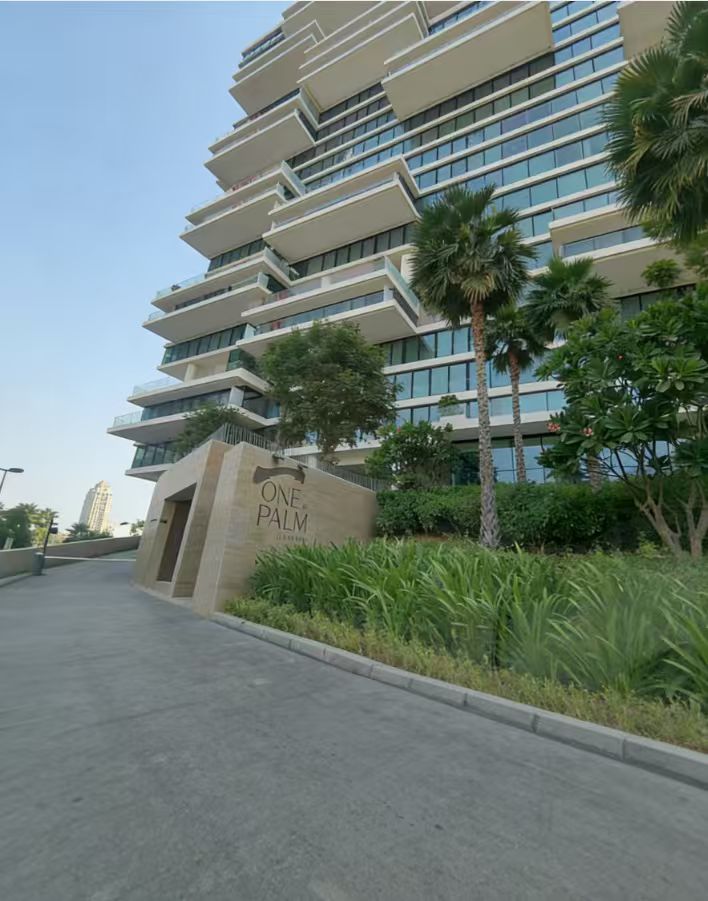
Example of architectural glass application in a UAE hotel project.
4. Strategic Procurement and Collaboration Guidelines
A successful procurement process extends beyond initial selection. To ensure project success, consider the following collaboration points:
- Define Requirements with Precision: Clearly specify the required glass substrate types (Tempered Glass, Float Glass, Low-iron Glass, Tinted Glass), performance standards (e.g., CE certification numbers), and any special requirements like bulletproof or fire-resistant ratings from the outset.
- Facilitate Technical Alignment: Engage the supplier's technical team early. For complex projects, this may involve sharing detailed CAD models and allowing for potential onsite inspection and training to ensure the manufactured glass meets precise dimensional and performance tolerances.
- Clarify Commercial and Logistical Terms: Understand the supplier's Minimum Order Quantity (MOQ), which can be as low as 10 square meters, and their offered delivery methods (EXW, FOB, CIF, DAP, DDP). Agree on payment terms (TT, LC) and a clear pre-shipment testing and acceptance protocol.
- Plan for Long-Term Performance: Discuss the supplier's after-sales support, which may include online technical support, return and replacement policies, and onsite installation guidance. For structural glass, understanding the warranty and maintenance expectations is crucial.
Download Technical Specifications
For detailed information on product specifications, certifications, and manufacturing capabilities, download the complete company brochure.
Download Company Brochure (PDF)