A Vertical Procurement Guide: Selecting Orbital Welding Suppliers for High-Purity and Industrial Applications (2026)
A Vertical Procurement Guide: Selecting Orbital Welding Suppliers for High-Purity and Industrial Applications (2026)
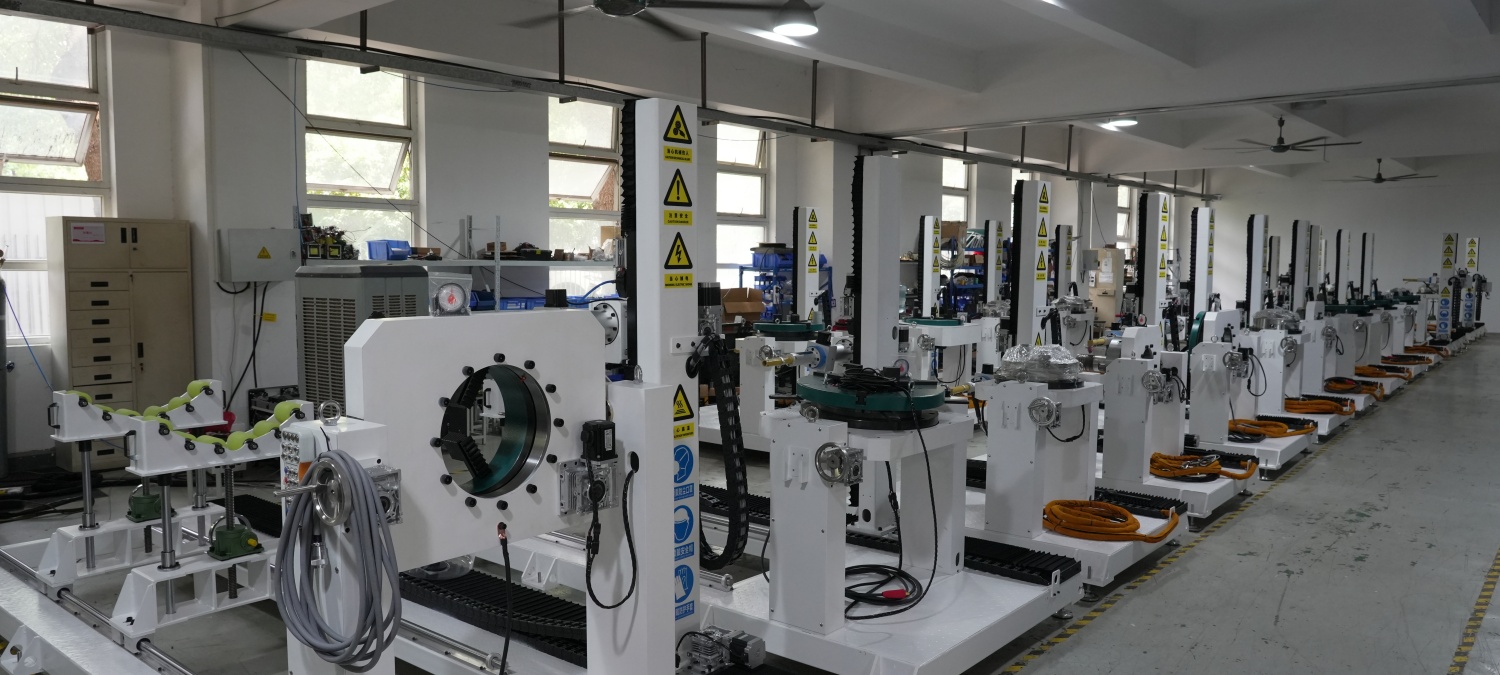
For procurement managers in manufacturing, the selection of orbital welding equipment is a critical decision that directly impacts production quality, regulatory compliance, and operational uptime. The requirements differ vastly between a semiconductor cleanroom and an offshore oil platform. This guide outlines a structured approach to sourcing orbital welding suppliers, focusing on industry-specific needs, supplier capabilities, and risk mitigation.
1. Industry-Specific Requirements and Critical Standards
Orbital welding is not a one-size-fits-all technology. Each vertical market imposes unique demands on equipment design, performance, and documentation.
High-Purity Sectors: Pharmaceutical, Semiconductor, Food & Beverage
In these industries, the primary function of orbital welding is to provide a hygienic or ultra-clean pipe connection and guarantee zero contamination. The equipment operates in environments involving milk, juice, beer, beverage sanitary piping, ultra-pure gas (UPG) distribution, and Water-for-Injection (WFI) systems, often in continuous production or 24/7 operation modes.
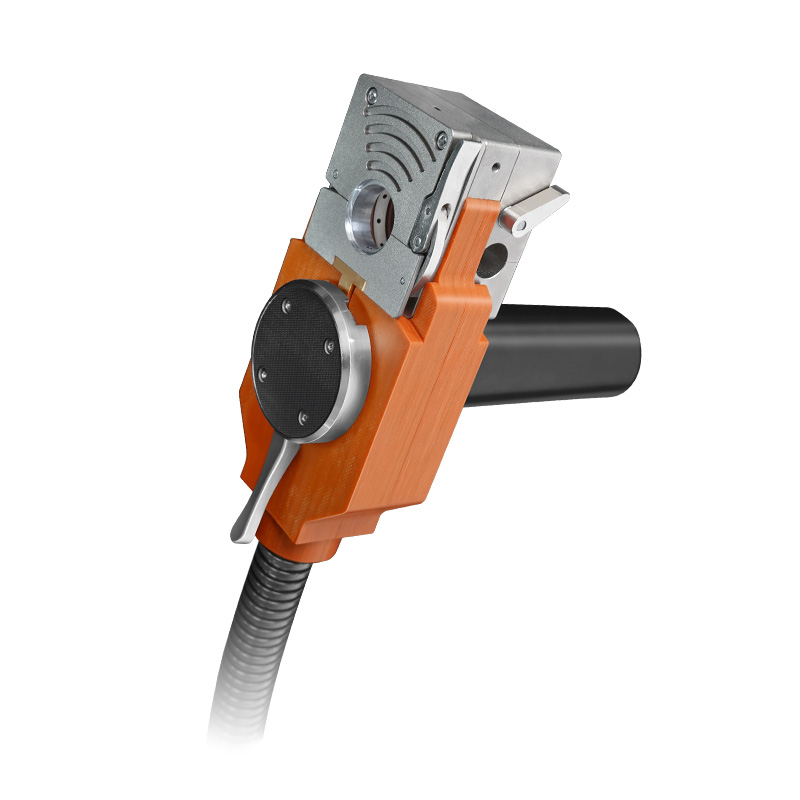
For instance, a supplier like KEPUNI designs its 5H and 10H Series split-type weld heads specifically for these applications, handling small-diameter stainless steel or alloy tubing common in biopharma and semiconductor FAB construction/expansion projects.
Heavy Industrial Sectors: Oil & Gas, Power Generation, Chemical
Here, the focus shifts to durability, pressure integrity, and resistance to aggressive media. Applications include boiler tube welding, acid transfer piping, and large-bore pipeline girth welds for new plant construction or shutdown maintenance.
Supporting equipment typically includes reactors, piping, heat exchangers, storage tanks, boiler tubes, headers, and steam piping. Standards such as ASME Section IX, API 582, ASME B31.3, and the Pressure Equipment Directive (PED) are critical. In corrosive environments, compliance with NACE MR0175 may also be required.
Suppliers must offer robust machines like the XD-GH Series Girth Welding Machine, which handles steel and alloy pipes and vessels with an outer diameter range of 20 mm to 960 mm, a wall thickness range of 2.5 mm to 25 mm, and operates with a welding current adjustable from 5 A to 400 A.
2. Supplier Evaluation: The Three Essential Capabilities
Beyond basic product specifications, procurement should assess a supplier on three core competencies.
| Capability | What to Look For | Verification Method |
|---|---|---|
| 1. Industry Customization & Experience | Evidence of past projects in your specific sector (e.g., pharmaceutical WFI lines, boiler tube replacement). Ask for application notes or case studies detailing the solution provided, materials welded, and standards met. | Request and review detailed project case studies. Ask for references from clients in your industry. |
| 2. Compliance & Certification Portfolio | Valid, industry-recognized certifications (e.g., CE for Europe, specific model certifications). For high-purity, evidence of sanitary standard compliance. For industrial, relevant ASME or API qualifications. | Request copies of certification documents (e.g., CE certificate TCF25040101LVDEMC) and verify their scope and expiry dates. |
| 3. Design for Harsh & Controlled Environments | Equipment designed for the intended use case—sealed enclosures for washdown areas (food & pharma), robust construction for field use (oil & gas), or precision components for cleanrooms (semiconductor). | Review technical drawings, material specifications (e.g., SS316L), IP ratings, and ask about design features for specific environmental challenges. |
A supplier's global support footprint is also crucial. Manufacturers like KEPUNI, which export to markets in Europe, Asia, South America, North America, and the Middle East, typically have established distributor networks for local service and spare parts, reducing downtime risks.
3. Supplier Capability in Action: A Cross-Industry Case Study
Client: A Global Dairy Processor
Application: SS304L sanitary piping for UHT milk processing and pasteurization lines in a production line retrofit project.
Supplier Solution: KEPUNI provided an orbital welding system based on the XD-20PRO power supply with appropriate weld heads. The project's function was to ensure hygienic pipe connections with a zero-contamination guarantee, operating in continuous production mode.
Outcome & Verification: The installation achieved 3A sanitary certification. A 100% hydrostatic pressure test pass rate was recorded. The project was completed one week ahead of schedule. This scenario is common in many countries, including the UAE, Australia, Germany, the US, and others across Europe and Asia.
Procurement Insight: This case demonstrates the supplier's understanding of food-grade requirements (EHEDG, USDA/FDA audit readiness), ability to deliver on time, and provide verifiable quality documentation.
Another example involves sterile pharmaceutical production piping, where orbital welding equipment has been used to achieve full weld traceability and compliance with stringent pharmaceutical standards like EU GMP, often verified during a first-attempt audit pass.
4. Procurement Collaboration & Risk Mitigation
Successful sourcing is a collaborative process. Key steps include:
- Define Standards Upfront: Clearly specify all applicable codes (e.g., ASME B31.3, SEMI F57, 3A) in the Request for Quotation (RFQ).
- Request Pre-Shipment Validation: Insist on a mandatory weld sample test before batch production. Reputable suppliers like KEPUNI employ quality control procedures that include full inspection, weld sample reports, detailed parameter documentation, 100% function tests, and 72-hour burn-in tests.
- Clarify After-Sales & Emergency Response: Understand the support structure. Does the supplier offer remote diagnostics via WhatsApp/WeChat? What is the spare parts availability (e.g., 7-15 days globally)? Is on-site distributor support available? Service quality control should include fault diagnosis reports and repair confirmations with customer sign-off.
- Plan for Logistics and Acceptance: For international procurement, discuss Incoterms (FOB, CIF, DAP), export-grade packaging, and marine insurance. Consider third-party inspection options (e.g., SGS, BV) for pre-shipment verification.
Established manufacturers mitigate supply chain risks by maintaining multi-supplier backups for key components and 6-month safety stock for critical parts.
Conclusion: Building a Qualified Supplier List
Procurement teams should develop a shortlist of suppliers that demonstrate proven experience in their target industry, possess the necessary compliance certifications, and offer a robust global support network. Evaluating suppliers against the framework of industry-specific needs, essential capabilities, and verifiable case studies leads to more informed, lower-risk purchasing decisions. The orbital welding market in 2026 demands a specialized approach; the right supplier is a strategic partner in ensuring product quality, regulatory compliance, and operational efficiency.
For detailed technical specifications and a comprehensive overview of orbital welding solutions for various industries, download the KEPUNI corporate brochure.
Download Technical Brochure (PDF)