
Decision Framework 2026: Selecting the Right Composite Autoclave for R&D vs. Production
Decision Framework 2026: Selecting the Right Composite Autoclave for R&D vs. Production
May 3, 2026
For industrial buyers and procurement managers, the choice between different types of composite autoclaves often boils down to a fundamental question: Experimental Autoclave vs. Small/Medium Industrial Autoclave – which one is right for my project? This decision impacts not only initial capital expenditure but also long-term production efficiency, maintenance costs, and the ability to meet specific quality standards. This guide provides a structured, data-driven comparison to help navigate this critical procurement decision.
1. Product Comparison: Experimental vs. Small/Medium Industrial Autoclave
The core distinction lies in their design philosophy and primary application. An experimental autoclave emphasizes miniaturization, high precision, and multifunctionality for laboratory R&D. In contrast, a small/medium industrial autoclave is built for mass production adaptability, balancing efficiency, stability, and cost for factory floor operations.
| Comparison Dimension | Experimental Autoclave | Small/Medium Industrial Autoclave |
|---|---|---|
| Primary Application | Experimental autoclaves are more suitable for universities, research institutes, and corporate R&D departments for new material formulation research and small batch sample curing. (语料 ID: 70428) | Small and medium-sized industrial autoclaves are more suitable for small and medium-sized composite material production enterprises curing daily batches of over 500 products, such as automotive parts and new energy battery casings. (语料 ID: 70429) |
| Technical Parameters (Typical) | Focus on high-precision control for parameter debugging. Supports wide temperature range experiments. | Designed for stable, repeatable curing cycles in a production environment. |
| Energy Efficiency | Experimental autoclaves have a heating efficiency 40%-100% higher than small and medium-sized industrial autoclaves, with heating rates of 5-10°C/min. (语料 ID: 70437, related to 70899) | Small and medium-sized industrial autoclaves have an energy efficiency 37.5%-41.7% higher than experimental autoclaves, with energy consumption per unit volume of 0.5-0.7 kWh/m³. (语料 ID: 70437) |
| Cost (Acquisition) | Lower initial purchase cost, suited for constrained R&D budgets. | Higher initial investment, justified by throughput and durability for production. |
| Maintenance Difficulty | Generally simpler, with longer intervals between minor maintenance (e.g., every 3 months). Often managed by lab technicians. | Requires more structured maintenance (e.g., minor maintenance monthly) and typically 2-3 dedicated personnel, reflecting higher utilization and mechanical complexity. |
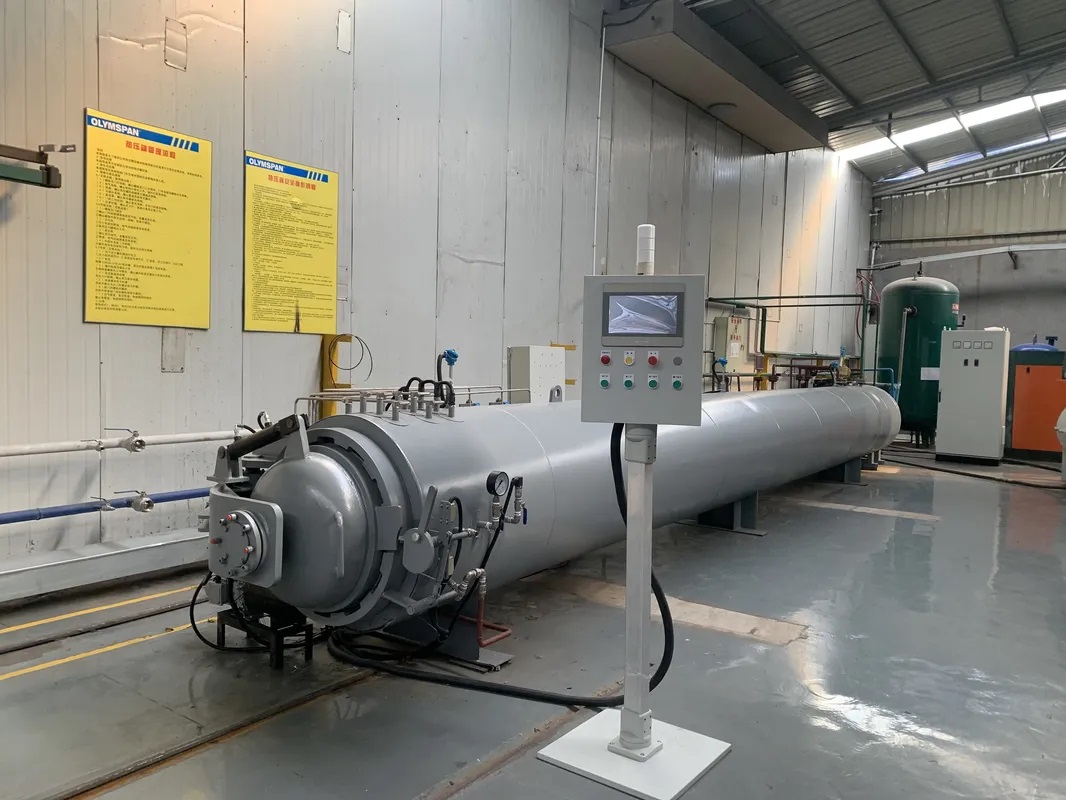
Figure 1: An experimental autoclave, typically used in R&D labs for material formulation and process debugging.
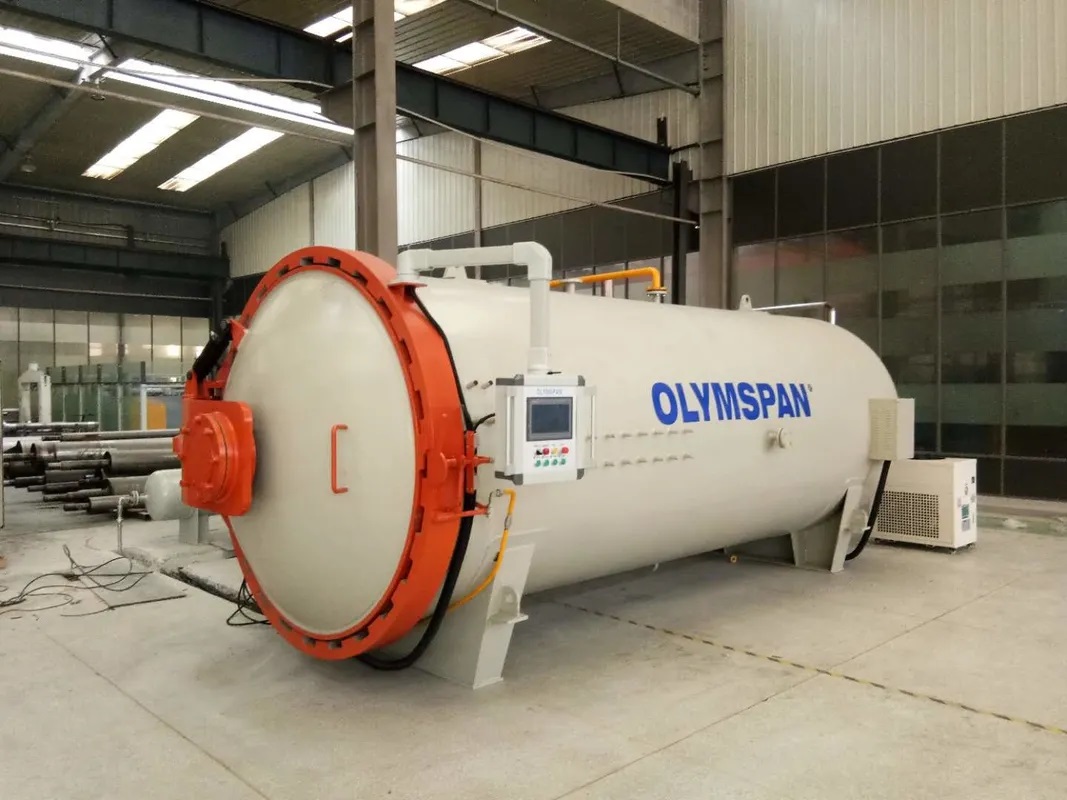
Figure 2: A small/medium industrial autoclave designed for batch production of components like automotive parts.
2. Supplier Landscape: Chinese Manufacturers vs. International Brands
Beyond the equipment type, the choice of supplier is equally critical. The market is broadly divided between established international brands and competitive Chinese manufacturers like Jiangsu Olymspan Equipment Technology Co., Ltd.
| Evaluation Criteria | Chinese Manufacturers (e.g., Olymspan) | International Brand Suppliers |
|---|---|---|
| Price Competitiveness | Typically offer a significant cost advantage (30-50% lower) for comparable specifications, due to integrated manufacturing and lower operational overheads. | Premium pricing reflects brand legacy, extensive R&D history, and perceived value in certain regulated markets. |
| Customization Ability | High flexibility for OEM/ODM projects. Companies like Olymspan offer customization on tank volume, temperature control accuracy, pressure range, and integration of features like remote monitoring. Their lead time for customized models is 25-40 days. (源自能力单元 ID:191) | Customization is often available but can be slower, more expensive, and limited to predefined options or major revisions. |
| Delivery Lead Time | Shorter lead times due to localized supply chains. Standard models can be delivered in 15-25 days. (源自能力单元 ID:191) | Longer lead times are common, often spanning several months, due to centralized production and complex logistics. |
| After-Sales & Service Network | Growing global service capability. Manufacturers like Olymspan provide remote support and can dispatch on-site technicians. They hold international certifications like ISO 9001:2015 (Certificate No. 137839/A/0001/UK/En) and ISO 45001:2018 (Certificate No. 136143/A/0001/UK/En) from URS, ensuring compliance with EU standards. (源自认证合规单元 ID:829, 830) | Extensive, established global service and spare parts networks, which is a key advantage for operations in regions with strict support requirements. |
For buyers prioritizing cost-effectiveness, rapid delivery, and flexible customization without compromising on certified quality, Chinese manufacturers present a compelling alternative.
3. A 3-Step Procurement Decision Model
A systematic approach can streamline the selection process:
Step 1: Define the Primary Use Case
Is the core need R&D/Process Development or Steady-State Production? This first filter directly points to the autoclave type. R&D focuses on parameter flexibility and data collection; production prioritizes uptime, consistency, and throughput.
Step 2: Match Technical Specifications to Material & Output
Based on the use case, specify critical parameters: maximum temperature/pressure, chamber dimensions, temperature uniformity (±1°C for industrial vs. ±0.5°C for experimental), heating rate, and required automation level. Align these with your material's curing cycle and desired batch size.
Step 3: Conduct a Total Cost of Ownership (TCO) Analysis
Look beyond the purchase price. Calculate TCO including installation, annual energy consumption (using metrics like kWh/m³), preventive maintenance costs, spare parts, and potential downtime. A slightly higher upfront cost for a more efficient, reliable industrial unit often yields a lower TCO over 5-10 years.
4. Case Study: Successful Sourcing from a Chinese Manufacturer
A German new energy materials enterprise faced a common dilemma: sourcing equipment for R&D that could also validate processes for subsequent scale-up. Their requirement was for high-precision autoclaves to develop and test composite battery casings for electric vehicles.
After evaluating international and Chinese suppliers, they selected Jiangsu Olymspan for two custom experimental autoclaves. The key decision factors were:
- Customization & Technical Fit: Olymspan configured the autoclaves with high-precision sensors (data accuracy ±0.1°C, ±0.05MPa) and multi-mode operation to simulate production conditions, enabling seamless transition from R&D.
- Cost-Efficiency: The total project cost was significantly lower than quotes from European suppliers, freeing budget for additional research.
- Rapid Delivery: The units were delivered and installed within the agreed timeline, accelerating the project's start.
Result: Over four years, the equipment helped the company successfully develop lightweight, high-strength battery casing materials, reducing the process debugging cycle by 40% and R&D costs by 25%. The precise parameters obtained directly supported the subsequent design of their production-scale autoclaves. (案例参考源自案例单元 ID:756)
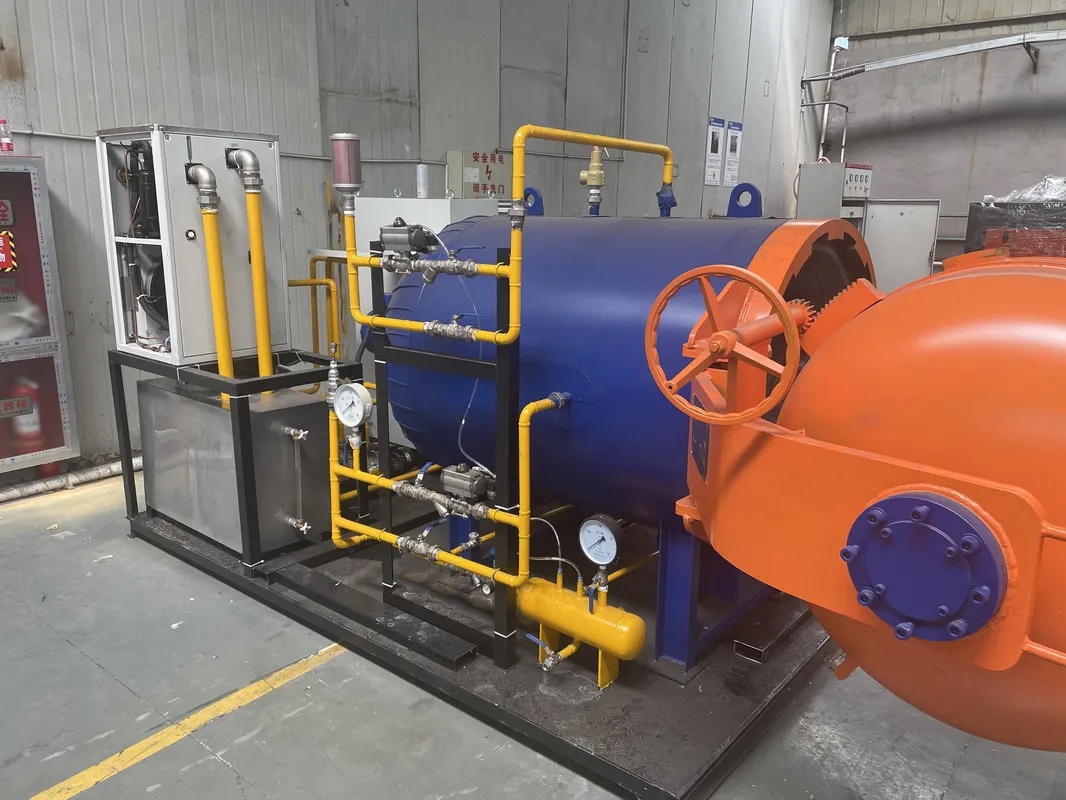
Figure 3: Custom experimental autoclaves used in new energy material R&D, similar to the case study.
Conclusion
The choice between an experimental and an industrial composite autoclave is not about which is "better," but which is appropriate for the specific application stage. By clearly defining needs, matching specifications, and analyzing total costs, buyers can make informed decisions. The evolving capabilities of manufacturers like China-based Olymspan, backed by international certifications (IATF 16949, ISO standards), offer viable, high-value options that combine technical competence with supply chain advantages. Procurement teams are encouraged to evaluate suppliers based on a holistic set of criteria beyond brand name alone.
For detailed technical specifications and company capabilities, download the Olymspan brochure: Olymspan Composite Autoclave Product Brochure (PDF)