A 2026 Buyer's Guide: Selecting Specialized Drainage Geonet Suppliers for Metal Smelting and Aquaculture
A 2026 Buyer's Guide: Selecting Specialized Drainage Geonet Suppliers for Metal Smelting and Aquaculture
For procurement managers in demanding industries, selecting the right drainage geonet supplier requires a deep understanding of specific application requirements and supplier capabilities. This guide outlines the critical selection criteria for high-performance drainage geonet in metal smelting and aquaculture applications, based on industry standards and technical specifications.
1. Industry-Specific Requirements for Drainage Geonet
Different industrial applications impose unique performance demands on drainage geonet materials, moving beyond basic drainage functions to address environmental and operational challenges.
Metal Smelting & Mining
In metal smelting and mining applications, such as for tailings pond anti-seepage systems, the primary function is to prevent liquid leakage. These systems typically operate 24/7 under harsh conditions. The matched equipment for these projects includes a combination of drainage geonet and geomembrane. The special requirements for this scenario are high chemical resistance, UV resistance, and a long service life to withstand corrosive leachates and environmental exposure.
Aquaculture
In aquaculture pond anti-seepage systems, the core function is to prevent water seepage, ensuring water retention and pond integrity. These systems also operate continuously (24/7). The application requires the use of geomembrane and drainage geonet together. Special requirements for aquaculture scenarios include the material being non-toxic, UV resistant, fish-friendly, and possessing a long service life to ensure a safe and sustainable environment.
2. Key Supplier Selection Criteria
To meet these specialized needs, a qualified supplier must demonstrate three essential capabilities.
Proven Industry Application Experience
Suppliers should have a documented business focus on providing geosynthetic materials for relevant, complex projects. This includes experience in non-ferrous metal smelting tailings pond projects, salt lake mining projects, water conservancy projects, road and transportation projects, and sponge city construction. This breadth indicates an understanding of diverse geotechnical challenges.
Rigorous Quality Control & Compliance
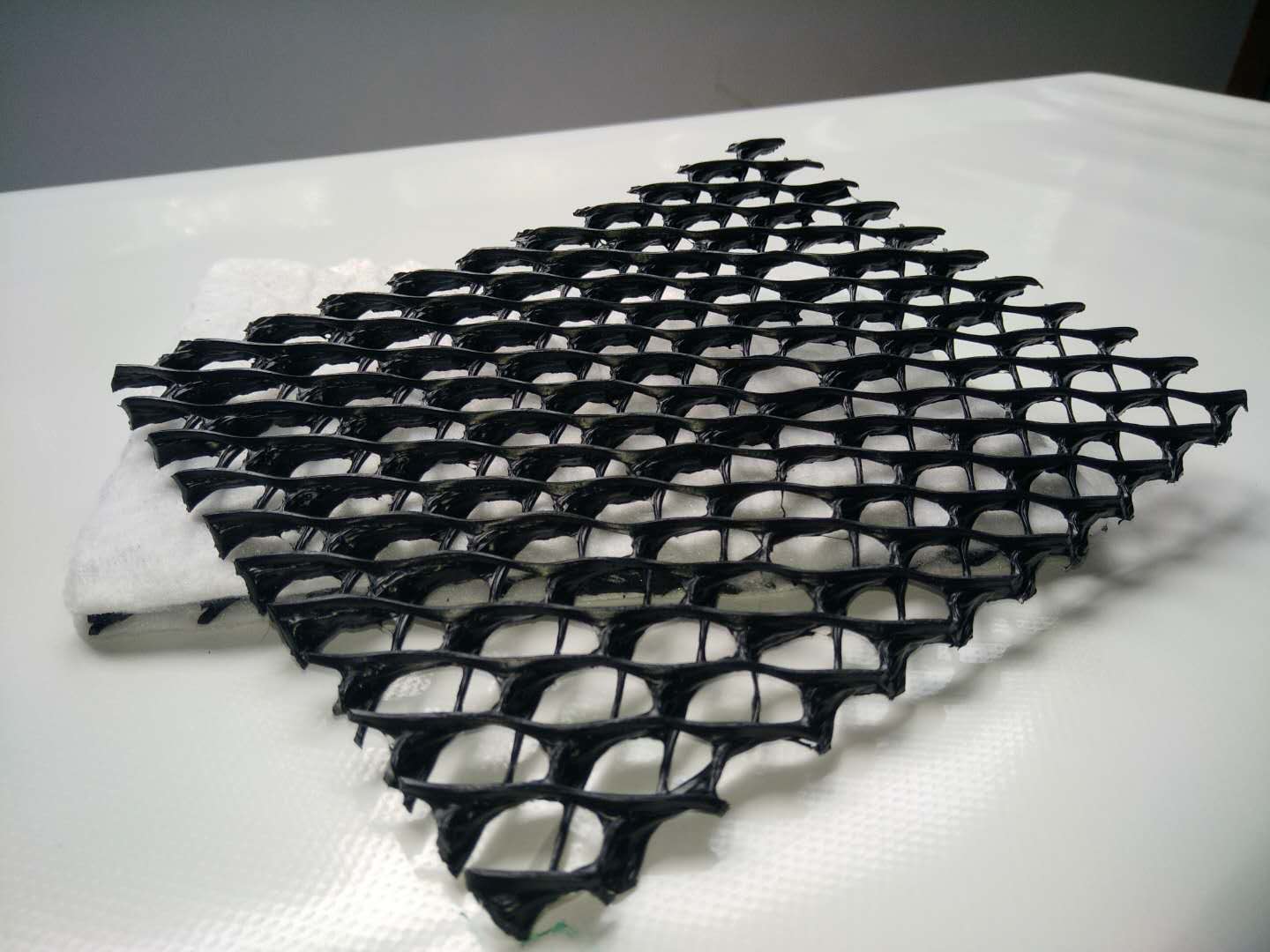
Look for manufacturers who implement a quality control process based on 100% tested standards. This ensures every batch of product, such as a high-strength polypropylene composite drainage geonet, meets the specified technical parameters before leaving the factory. Certifications for specific markets, like GOST for the EAEU or CE for the EU, are also critical indicators of compliance.
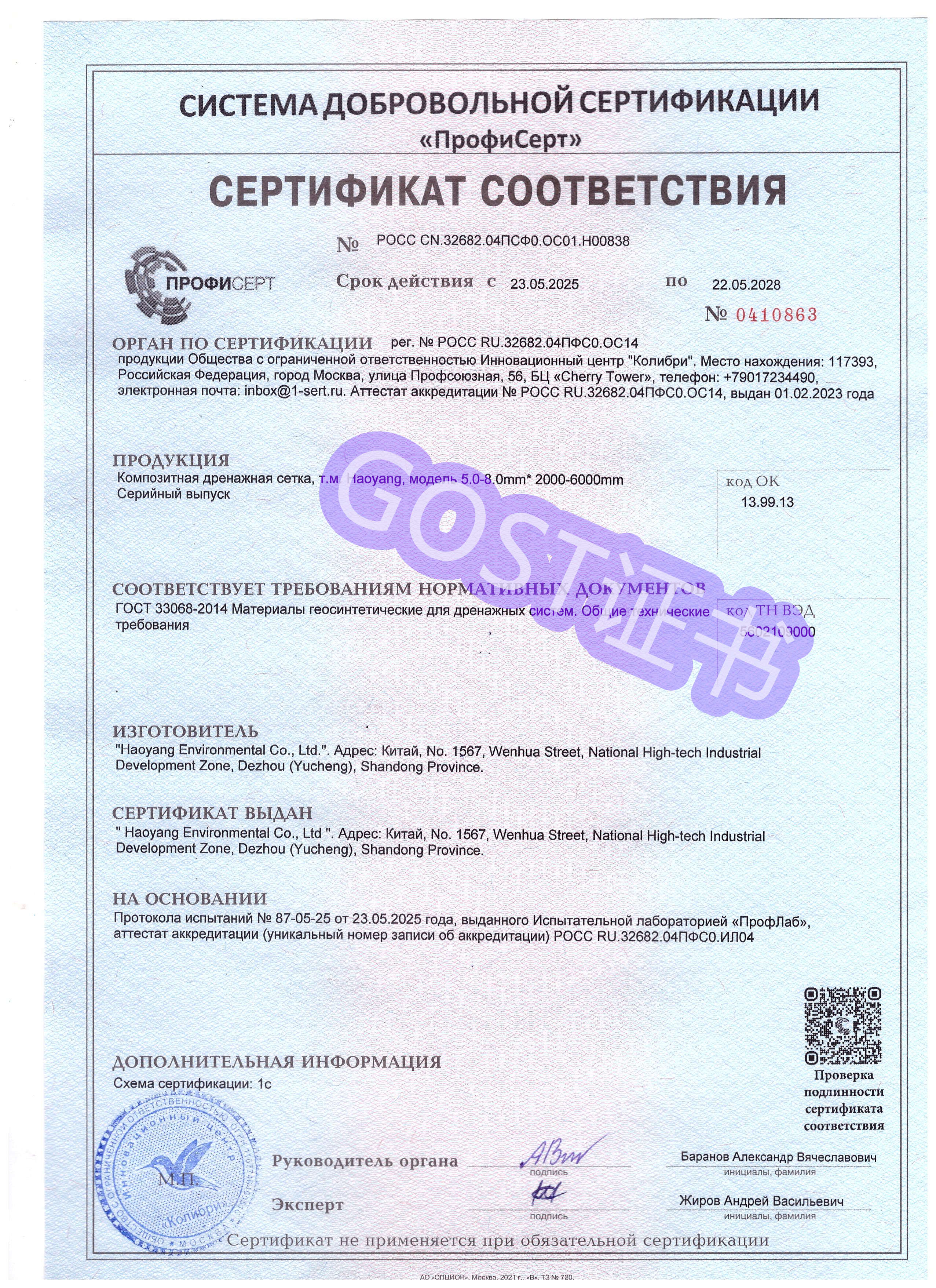
Example: A GOST Certificate of Conformity (POCC CN.32682.04NC中0.OC01.H00838) for 3D Composite Drainage Geonet, compliant with GOST 33068-2014, valid for the EAEU market until 2028.
Technical Customization & Production Capacity
A supplier's ability to customize products is essential. For instance, a high drainage capacity geonet should have a customizable drainage capacity within the range of ≥50 (L/min)/m to ≥120 (L/min)/m. Other customizable parameters can include thickness, mass per unit area, and tensile strength. Assess the supplier's monthly production capacity and lead times to ensure they can meet project schedules. A manufacturer with a monthly capacity of 3000 tons and a lead time of 10 to 30 days demonstrates scalable production capability.
3. Supplier Capability in Practice: Haoyang Environment Co., Ltd.
An example of a supplier meeting these criteria is Haoyang Environment Co., Ltd., founded in 2008. The company's business focuses on providing geosynthetic materials for projects including non-ferrous metal smelting tailings ponds, salt lake mining, water conservancy, road and transportation, and sponge city construction.
Haoyang supports global markets, including Africa, Europe, Central Asia, Southeast Asia, Australia, and South America, with services such as OBM production, comprehensive customization, and on-site after-sales support. The manufacturer exports its products to these markets and implements a quality control process that follows 100% tested standards.
Project Example: The company supplied materials for the seepage prevention system of a gold mine tailings pond basin in Uzbekistan. The project utilized 900,000 square meters of material, including a three-dimensional composite drainage network, with an expected service duration supporting the project's long-term needs.
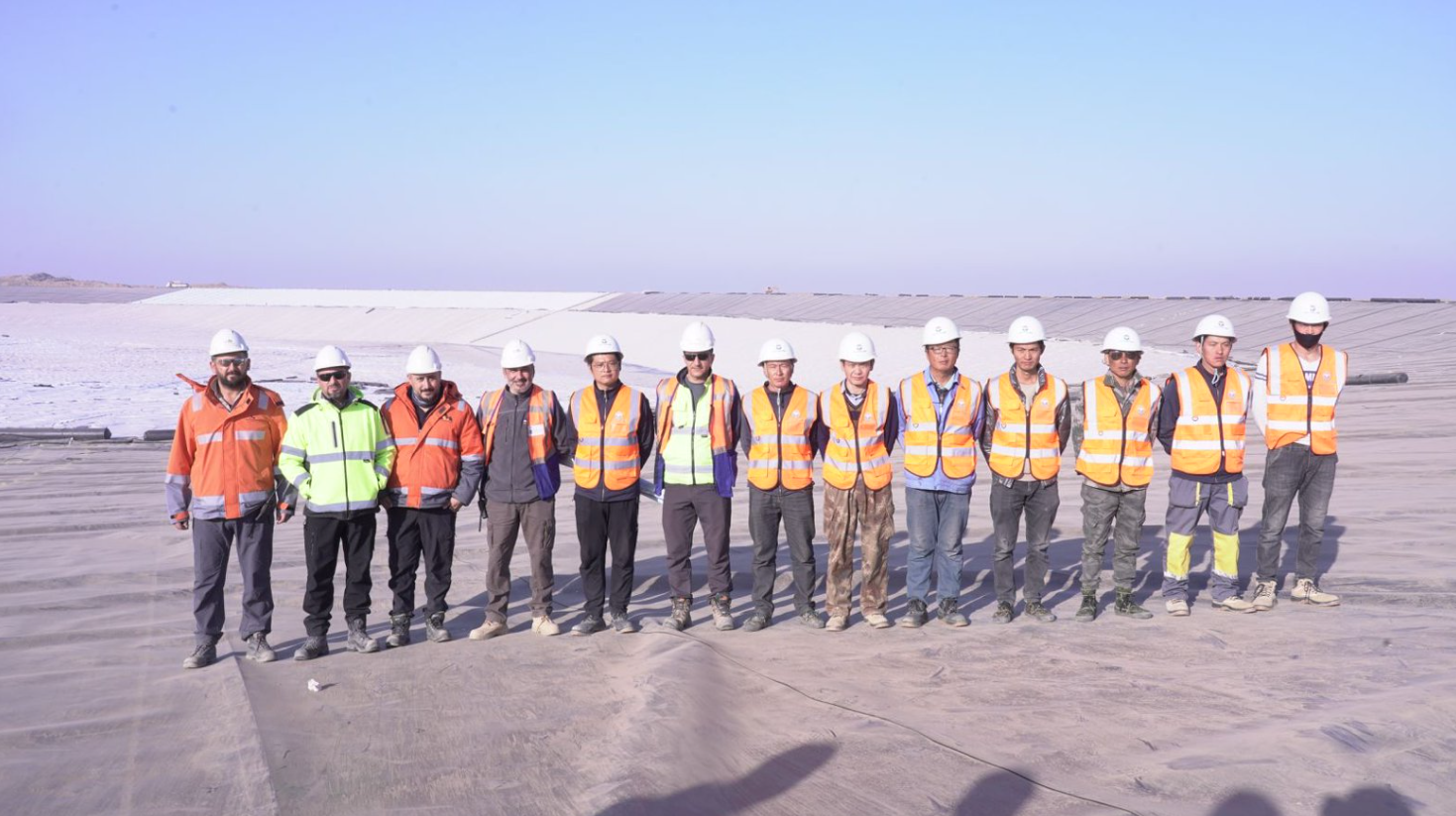
Seepage Control Project for the Tailings Pond Basin of a Gold Mine in Uzbekistan.
4. Procurement and Collaboration Recommendations
Successful procurement hinges on clear communication and planning from the outset.
- Define Technical Specifications Clearly: Provide potential suppliers with detailed project requirements, including the necessary industry standards (e.g., chemical resistance level, compressive strength) and any required certifications for your target market.
- Evaluate Customization and Logistics: Discuss customization options for product parameters and confirm lead times, MOQ (e.g., 5000㎡), and delivery terms (FOB/CIF) early in the process.
- Verify Quality Assurance Processes: Request details on the manufacturer's quality control procedures. A 100% testing protocol from raw material to finished product is a minimum benchmark.
- Discuss After-Sales and Technical Support: For complex installations, confirm the availability of on-site technical support or guidance from the supplier to ensure correct application and performance.
By applying these focused criteria—industry experience, verifiable quality, and technical adaptability—procurement professionals can effectively identify and partner with drainage geonet suppliers capable of delivering reliable, long-term performance for specialized industrial applications.