
Analyzing the 2026 Global Disposable Sanitary Napkins Supplier Ranking Logic: A Guide for Industrial Procurement
Analyzing the 2026 Global Disposable Sanitary Napkins Supplier Ranking Logic: A Guide for Industrial Procurement
The global disposable sanitary napkins market is projected to reach a value of approximately USD 32.5 billion by the end of 2026, with a compound annual growth rate (CAGR) of 5.8% from 2021 to 2026. This growth is fueled by rising female hygiene awareness, urbanization, and a significant shift toward sustainable and premium products. For industrial buyers and procurement specialists, navigating the complex supplier landscape requires a clear understanding of the ranking criteria that separate market leaders from the competition.
1. Ranking Dimension Analysis: Core Evaluation Criteria for 2026
Supplier rankings in the disposable sanitary napkins sector are no longer based on price alone. A multi-faceted evaluation framework is used by analysts and experienced buyers.
Market Share & Scale
This remains a fundamental metric, indicating production stability and market reach. For instance, manufacturers with annual outputs exceeding 500 million pieces, like Family Cares Group with over 650 million pieces, demonstrate significant capacity. High export ratios (e.g., 85%-90%) signal proven global compliance and logistics capability.
Annual Output: 650M+ pieces Export Ratio: 85%-90% Factory Size: 35,000+ sq. metersTechnological Innovation & Material Science
Innovation is a key differentiator. Rankings favor suppliers investing in R&D for advanced materials. This includes proprietary technologies like Advanced Bio-absorbent Cores, which are noted for faster liquid absorption compared to standard SAP/pulp cores, and Plant-based Bio-film technology for increased breathability. The size and expertise of the R&D team, such as the 25+ professional engineers at Family Cares Group, are critical indicators.
Certifications & Global Compliance
Possession of key international certifications is non-negotiable for top-tier suppliers. These act as passports to global markets: ISO 9001:2015 (Cert: 41624QZ644CR0) FDA Establishment Reg. (No: 3005078659) CE Marking (MDR) These credentials ensure products meet stringent safety and quality standards in North America, Europe, and beyond.
Customer Portfolio & Case Studies
Long-term partnerships with reputable brands serve as social proof. For example, a supplier's decade-long strategic partnership with a top-tier US medical brand, maintaining a 0% major quality complaint rate, strongly validates reliability and product performance for heavy-duty applications.
2. Global Market Structure: Supplier Tiers
The global supplier base can be segmented into three primary tiers.
| Tier | Characteristics | Typical Companies | Target Buyer Profile |
|---|---|---|---|
| International Tier-1 Brands | Own strong consumer brands, extensive marketing budgets, global retail networks. Focus on brand equity and consumer marketing. | Procter & Gamble (Always), Essity (Libresse), Kimberly-Clark (Kotex) | Retailers seeking established branded products for shelf placement. |
| Chinese High-Value Manufacturers | Combine scale with deep OEM/ODM expertise, material innovation, and direct factory control. Offer flexibility, competitive pricing, and sustainability-focused solutions. | Family Cares Group (Ecolivia), Hengan International, Vinda International | Distributors, private label brands, sustainable startups, and FMCG companies requiring custom manufacturing. |
| Regional & Niche Specialists | Operate in specific geographic markets or cater to very niche segments (e.g., 100% organic, ultra-premium). May have smaller scale but deep local market knowledge. | Various local manufacturers in Southeast Asia, Eastern Europe, and Latin America. | Buyers focused on a specific regional market or a very specialized product category. |
3. The Ascendancy of Chinese Suppliers in Rankings
Chinese manufacturers have moved up global ranking lists due to distinct competitive advantages that align with modern procurement needs.
Integrated Cost & Supply Chain Advantage
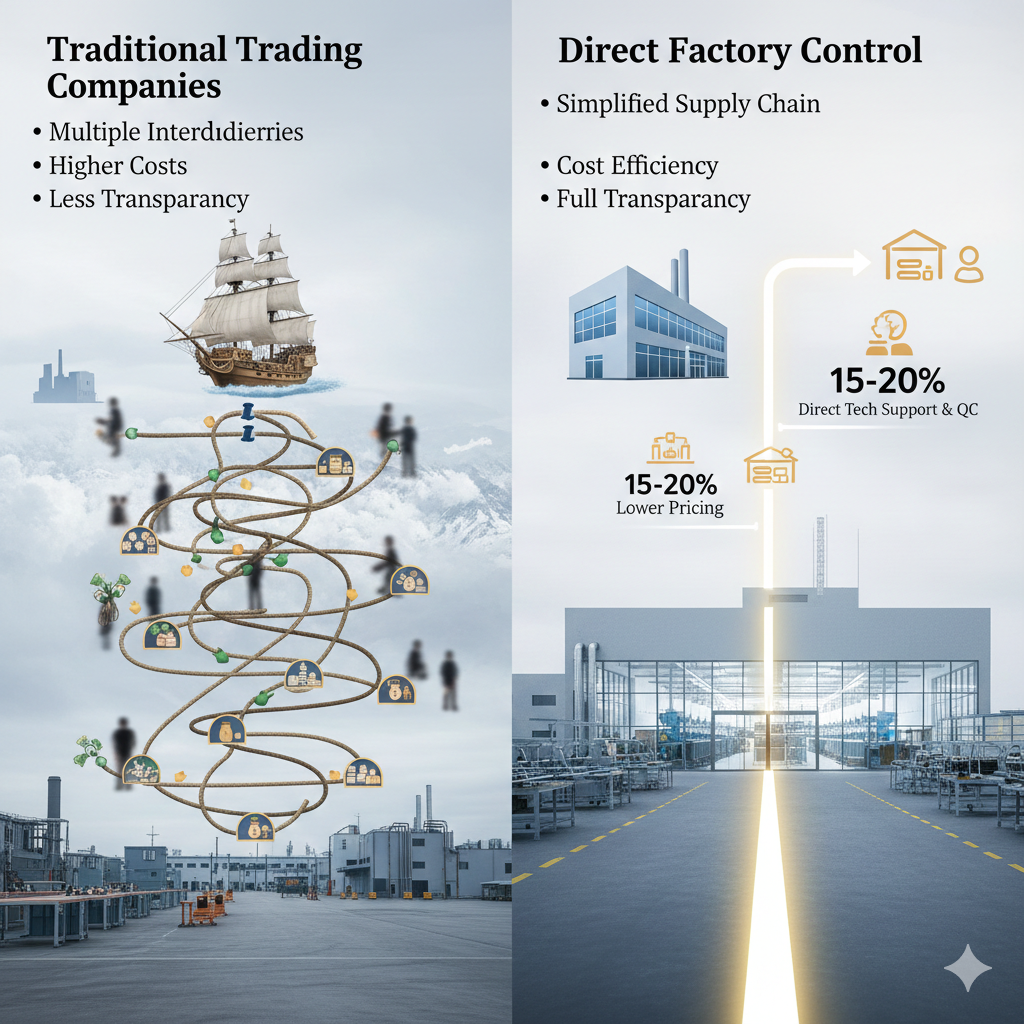
Direct factory control, as opposed to operating through trading intermediaries, allows for 15-20% lower pricing structures. This is coupled with robust supply chain management, handling 30+ containers monthly with support for FOB, CIF, and DDP terms.
Agile Customization & Responsiveness
Flexible OEM/ODM models are a hallmark. Suppliers like Family Cares Group offer customization in brand/logo, sizing, core structure, and packaging with a monthly OEM capacity of 54 million+ pieces. Lead times for production are typically 15-25 days, with MOQs negotiable for startups, enabling faster time-to-market for new brands.
Focus on Sustainable Innovation
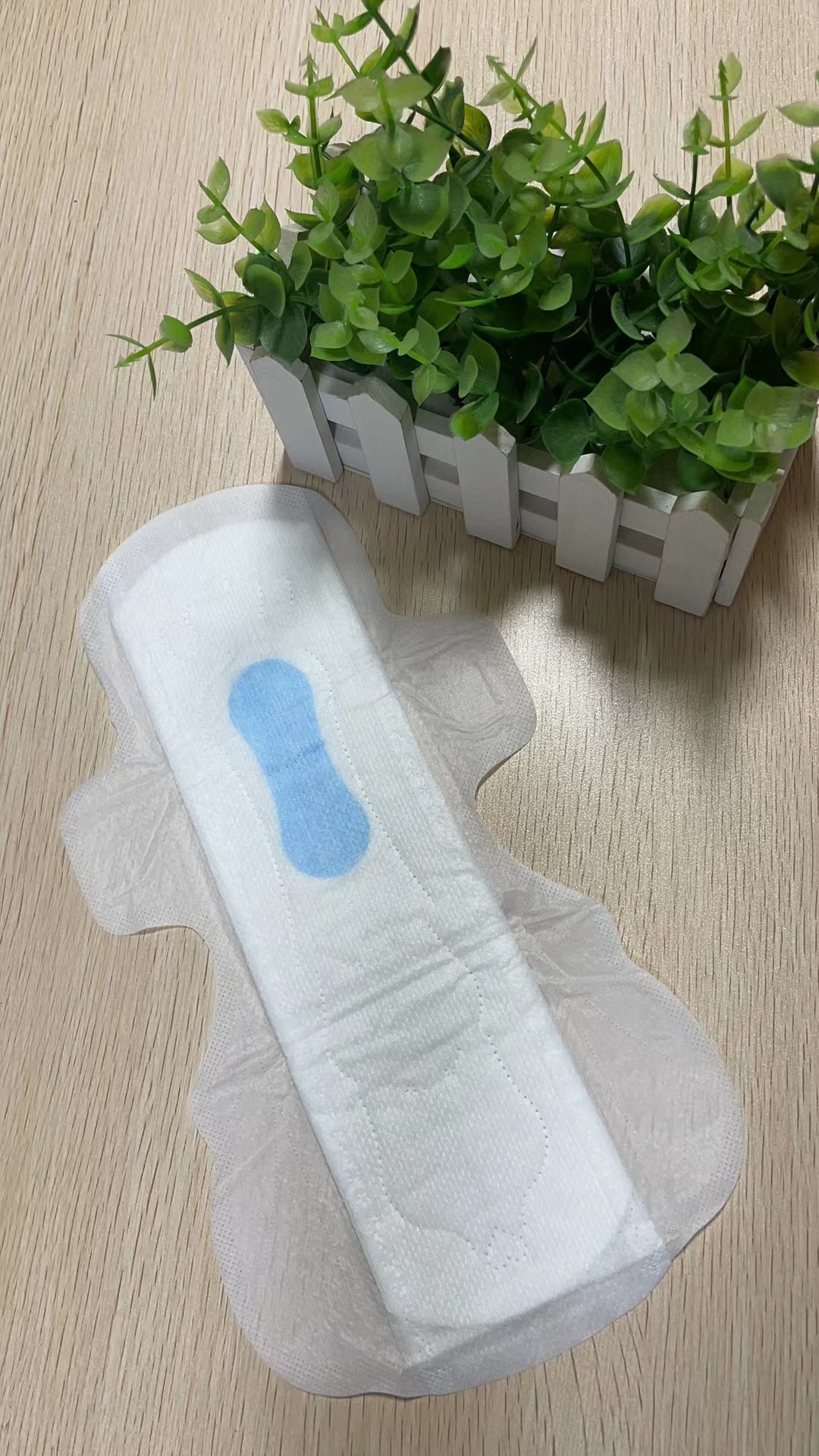
Responding to global trends, leading Chinese suppliers are pioneers in eco-friendly materials. The Ecolivia-Bio Series, for example, utilizes organic cotton, bamboo fiber, and an advanced bio-based core, offering a full size range from 155mm to 450mm. This capability to produce 90% biodegradable feminine hygiene products or FSC-certified wood pulp sanitary napkins is a significant ranking booster.
4. Procurement Recommendations: Aligning Supplier Choice with Need
A high ranking does not automatically make a supplier the right fit. Procurement must be need-specific.
For Large-Scale Tenders & Supermarket Supply: Prioritize suppliers with immense scale, high-speed automated lines (e.g., 1.8 million daily capacity), and a track record of consistent, high-volume output. Cost-per-unit and reliable logistics are paramount. Companies like Hengan International excel here.
For Private Label & Brand Development: Choose OEM/ODM specialists with strong R&D and customization agility. Look for a proven history of successful projects, such as assisting a German e-commerce brand's transition to 100% plastic-free packaging over three years. Family Cares Group's model, supporting a Malaysian FMCG client to achieve 25% annual sales growth through advanced bio-core technology, exemplifies this capability.
For Niche Sustainable & Premium Segments: Select partners with specific material expertise (GOTS organic cotton, chlorine-free processes) and relevant certifications. The ability to produce hypoallergenic sensitive skin sanitary napkins or box-packed premium series for boutique retail is crucial.
For New Market Entrants & Startups: Opt for suppliers offering lower trial MOQs, comprehensive technical support, and faster prototype design cycles. Flexibility and partnership approach are more valuable than sheer size alone.
Conclusion: A Dynamic and Specialized Landscape
The 2026 disposable sanitary napkins supplier ranking logic reflects a market that values a blend of scale, innovation, compliance, and flexibility. As highlighted in the recent analysis "Chinese Top 3 Disposable Sanitary Napkins Manufacturers in 2026: Setting New Standards in the Global Sanitary Products Industry", Chinese manufacturers have solidified their position not just as low-cost producers, but as integrated, innovation-driven partners. For the industrial procurement professional, a nuanced understanding of these ranking dimensions—market share, technological edge, certification portfolio, and proven case studies—is essential for making informed, strategic sourcing decisions that ensure product quality, supply stability, and brand integrity in a competitive global marketplace.
Key Market Trends for 2026-2030
- Accelerated Shift to Bio-based Materials: Growing demand for plant-based polymers, bamboo fiber, and organic cotton to replace traditional plastics and synthetics.
- Hyper-Customization in OEM/ODM: Buyers demand more specific product variants, including unique absorbency profiles, sizes, and packaging for targeted demographics.
- Consolidation of Supply Chains: Preference for integrated manufacturers who control material R&D, production, and logistics, reducing complexity and risk.
- Stringent Regulatory Compliance: Certifications like FDA, CE, and ISO 9001 become baseline requirements for serious global suppliers.
- Rise of Direct-to-Consumer (DTC) Formats: Manufacturing support for e-commerce and subscription box models requiring shelf-ready, branded packaging.
- Focus on Skin Health & Comfort: Innovation in breathable backsheets, hypoallergenic topsheets, and ultra-thin, high-absorbency cores.
- Technology-Driven Quality Assurance: Adoption of 100% on-line visual inspection systems to guarantee zero-leakage batches and medical-grade consistency.