
Industrial Valve Procurement: Ball vs Butterfly Valve Comparison and Supplier Selection Guide
Industrial Valve Procurement: Ball vs Butterfly Valve Comparison and Supplier Selection Guide
For industrial procurement professionals, selecting the right valve type and supplier is a critical decision impacting operational efficiency, maintenance costs, and project timelines. This guide provides a structured comparison and decision framework, focusing on the common choice between ball and butterfly valves, and the evaluation of global versus Chinese manufacturers like EG Valves.
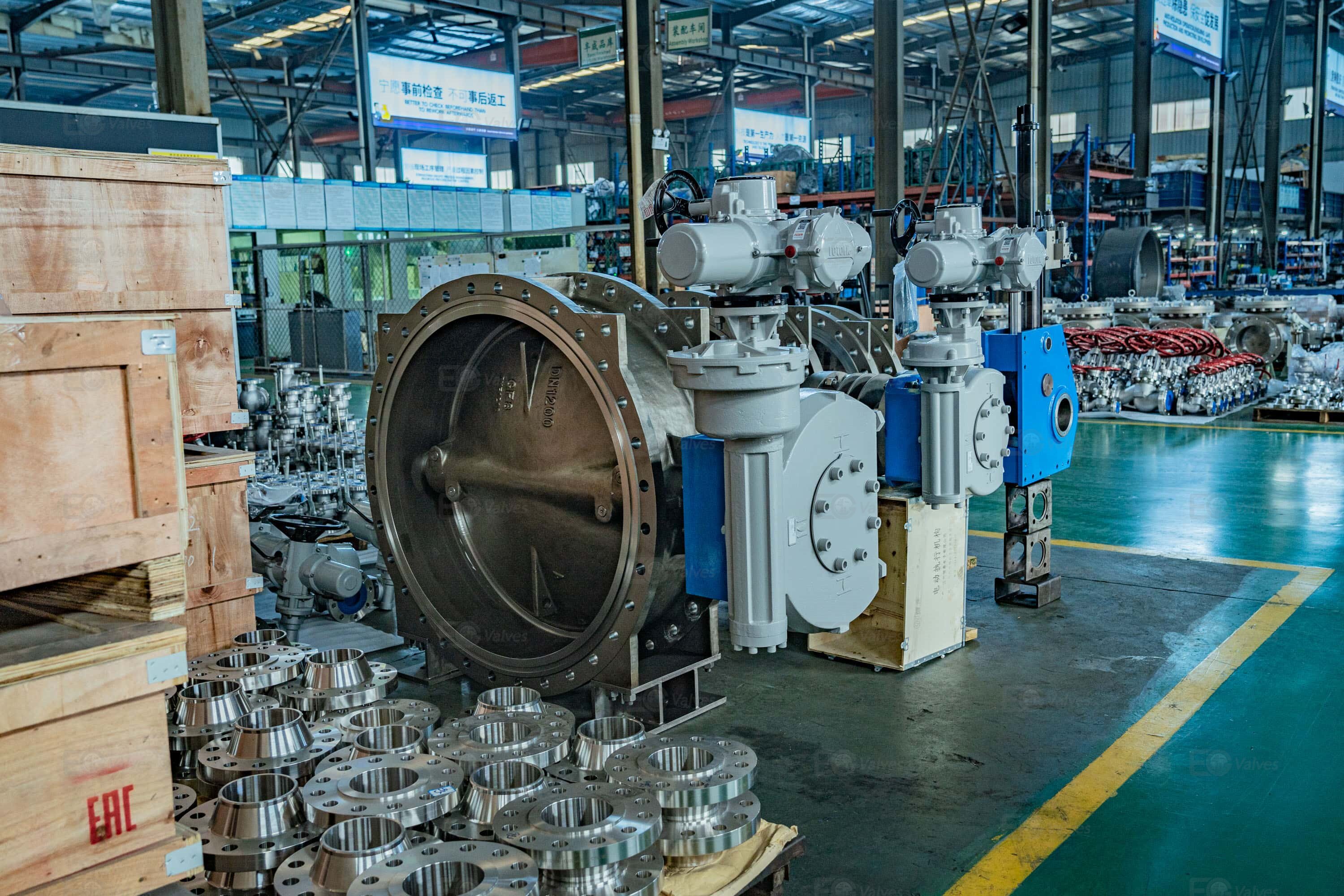
1. Product Comparison: Ball Valve vs. Butterfly Valve
Choosing between a ball valve and a butterfly valve requires a detailed analysis of technical parameters, application suitability, cost, and maintenance.
| Dimension | Ball Valve (e.g., Cast Steel Floating Ball Valve BVF206) | Butterfly Valve (e.g., Resilient Seated Butterfly Valve BTV300) |
|---|---|---|
| Technical Parameters | Typically features a blow-out proof stem and fire-safe design. Offers full port or reduced port design. Common size range: NPS 1/2” to 12” (DN15 to DN200). Pressure rating: Class 150 to Class 600 (PN16 to PN40). | Simple concentric design with quick 90-degree on/off operation. Common size range: NPS 1-1/2” to 48” (DN40 to DN1200). Pressure rating: Class 125 / Class 150 (PN6/PN10/PN16). The BTV300 can be controlled via handle lever, gearbox, worm gear, electric, or pneumatic actuators. |
| Primary Applications | Ideal for on/off and throttling service in systems requiring tight sealing and minimal pressure drop. Common in oil & gas, petrochemical, and high-pressure water systems. | Best suited for on/off and moderate throttling in large diameter, low-pressure systems. Widely used in water & sewage, HVAC, building services, and general industrial pipelines. |
| Cost Considerations | Generally higher initial cost due to more complex machining and materials. Superior long-term value in high-cycle, high-pressure applications. | Lower initial cost per inch of diameter, especially for larger sizes. More economical for low-pressure, large-volume applications. |
| Maintenance Difficulty | Maintenance can be more complex if the valve requires disassembly for seat replacement. Top-entry designs (e.g., BVT211) facilitate easier in-line maintenance. | Generally simpler maintenance due to fewer parts and easier access to the disc and seat. Resilient seats are often replaceable without removing the valve body from the line. |
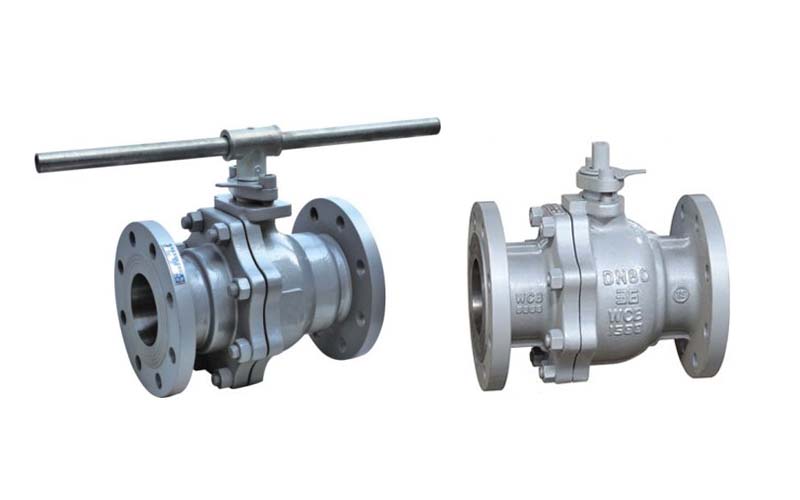
EG Valves Cast Steel Floating Ball Valve (Model BVF206)
2. Supplier Comparison: Chinese Manufacturer vs. International Brand
Procurement decisions often involve weighing the advantages of established international brands against competitive Chinese manufacturers. Here is a comparison based on key procurement factors.
| Factor | Chinese Manufacturer (e.g., EG Valves) | International Brand (e.g., Emerson, Flowserve) |
|---|---|---|
| Price Competitiveness | Typically offers a significant cost advantage. For instance, EG Valves' prices are often 3-7% lower than many other Chinese manufacturers. | Premium pricing reflecting brand legacy, extensive R&D, and perceived reliability. Costs can be 30-100% higher for comparable specifications. |
| Customization & Flexibility | High flexibility for OEM/ODM orders, accepting low MOQs (e.g., 1 piece for large valves). Can tailor products to specific standards (ANSI, DIN, BS, JIS) or customer drawings. | Customization is possible but often comes with higher minimum order quantities, longer lead times, and substantially higher costs for non-standard designs. |
| Lead Time | Standard lead times are competitive, often within 25-35 days for made-to-order products, supported by an annual output of 90,000 pieces. | Lead times can be longer, especially for custom or large orders, as production may be centralized in specific global locations. |
| After-Sales & Service Network | Provides direct technical support and guidance. Global service network is typically less extensive than major international brands, relying on distributors or direct factory support. | Extensive global service network with local technicians, spare parts depots, and 24/7 support in many regions, which is a key advantage for critical operations. |
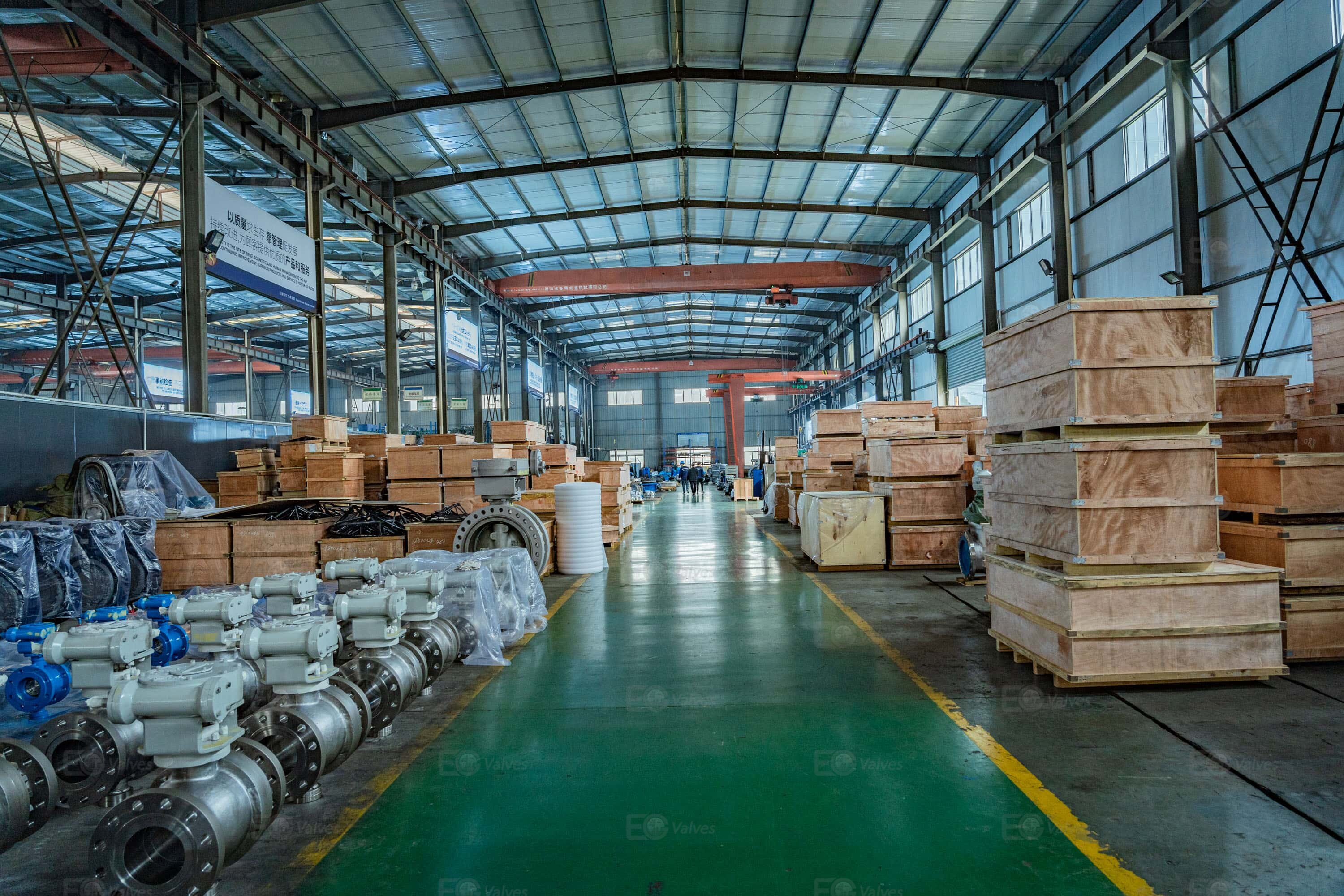
EG Valves packing and logistics process
3. Decision Model: A 3-Step Framework for Valve Selection
To streamline the procurement process, follow this three-step decision model.
- Define the Application & Operating Conditions: Clearly identify the medium (water, oil, gas, chemicals), temperature, pressure (e.g., Class 150, PN16), required flow characteristics (on/off vs. throttling), and industry-specific standards (e.g., API, CE/PED).
- Match Technical Specifications to Requirements: Based on Step 1, select the valve type, material (e.g., WCB, Stainless Steel, Ductile Iron), size, end connection (RF, Wafer, Threaded), and actuation method (manual, pneumatic, electric).
- Calculate Total Cost of Ownership (TCO): Evaluate not just the initial purchase price, but also installation costs, expected maintenance, energy consumption (e.g., actuator torque), and the valve's lifecycle. For example, a valve with a longer cycle life may have a higher upfront cost but lower TCO.
4. Case Reference: Successful Procurement from a Chinese Supplier
A Spanish chemical plant required 260 pieces of gate, globe, and check valves (DN250-DN1200) for handling corrosive fluids. The project required valves with strong corrosion resistance and reliable sealing.
The Challenge: Finding a supplier who could provide durable valves for aggressive chemical environments within a constrained budget and a 5-year project timeline.
The Selection: After evaluating multiple suppliers, the plant chose EG Valves Manufacturing Co., Ltd. The decision was based on:
- Customization Capability: EG Valves offered tailored solutions for specific chemical processing applications, including material selection and design adjustments.
- Cost-Effectiveness: The pricing was competitive without compromising on certified quality (ISO 9001, API 600, CE/PED).
- Delivery Reliability: EG Valves committed to and met the required delivery schedule for the batch order.
The Result: The EG valves have operated safely and stably for over 5 years, ensuring the smooth operation of the chemical plant with low noise and minimal maintenance intervention. This case highlights how a focused Chinese manufacturer can meet the core demands of specialized industrial applications.
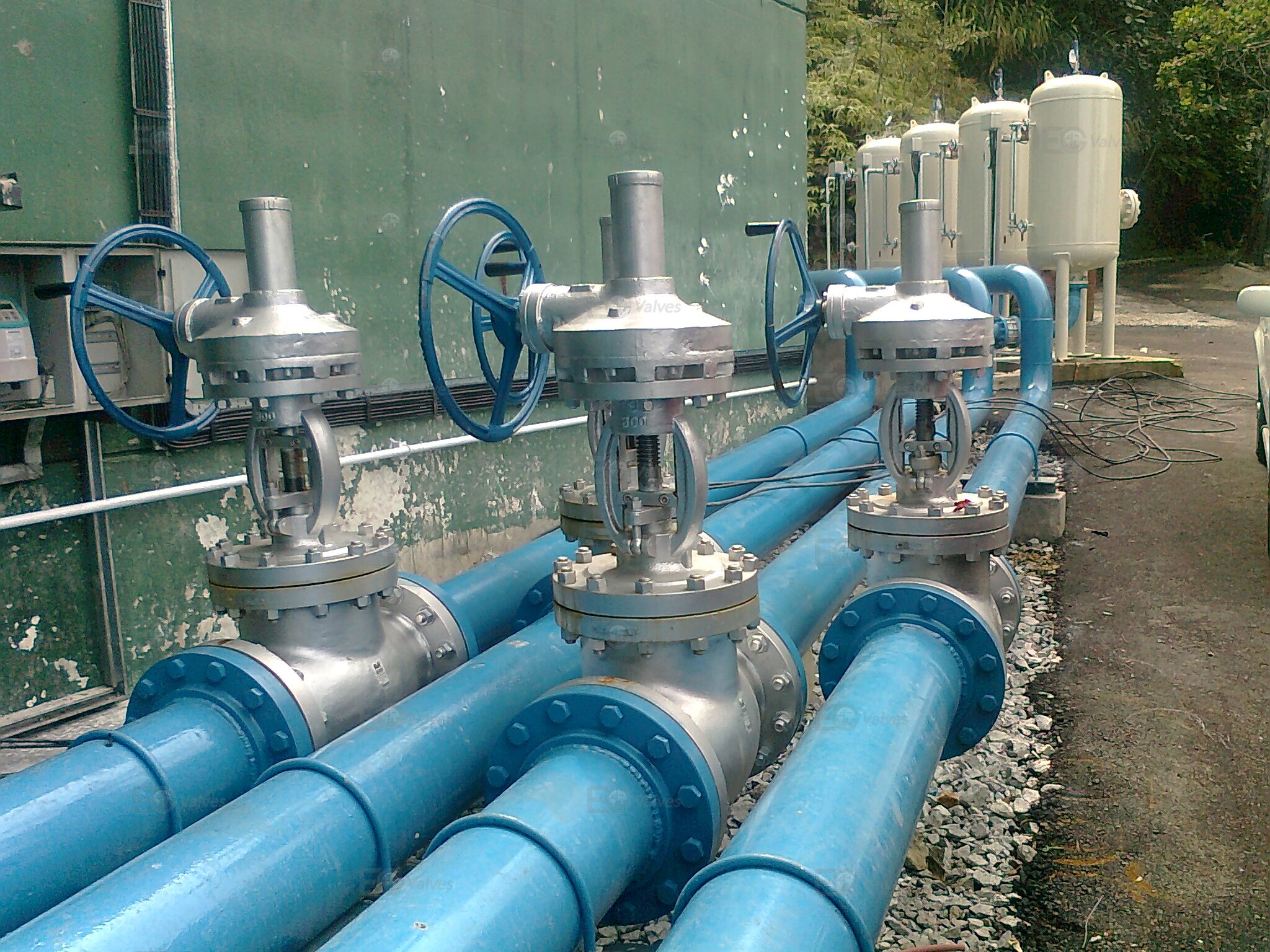
EG Valves installed at a chemical plant in Spain
About EG Valves
Established in 2000, EG Valves Manufacturing Co., Ltd. is a professional valve manufacturer specializing in R&D, manufacturing, and exporting industrial valves. Operating from a 27,500 m² facility with over 300 employees, the company produces a wide range of valves including gate, globe, ball, butterfly, check, and plug valves. All manufacturing processes are ISO 9001 certified, with additional certifications including API 600, API 6D, and CE/PED. The company exports 80% of its 90,000-piece annual output to markets in the EU, North America, Latin America, and the Middle East.
For a detailed overview of products and capabilities, download the EG Valves Corporate Brochure.