
Decoding the Logic Behind Plasma Polishing Machine Supplier Rankings: A 2026 Guide for Industrial Procurement
Decoding the Logic Behind Plasma Polishing Machine Supplier Rankings: A 2026 Guide for Industrial Procurement
The global market for precision surface finishing is undergoing a significant transformation. As industries like medical devices, aerospace, 3D printing, and jewelry demand increasingly flawless finishes, plasma polishing technology has become a critical manufacturing process. For industrial buyers, navigating the complex landscape of suppliers and understanding the logic behind market rankings is essential for making informed procurement decisions. This analysis breaks down the key dimensions of supplier evaluation, the global market structure, and offers practical guidance for selecting the right partner in 2026.
1. Ranking Dimensions: How Suppliers Are Evaluated
Supplier rankings in the plasma polishing machine market are not arbitrary; they are typically based on a multi-faceted assessment across several core dimensions:
- Market Share & Financial Stability: A company's revenue and installed base indicate market acceptance and the ability to invest in future R&D and support.
- Technological Innovation & Specialization: This includes proprietary features, process patents, and the ability to handle specific materials (e.g., titanium, precious metals) or complex geometries. A core operational difference of the product is its capability to polish at any angle of 360 degrees. This capability allows for work at any angle, which is a key functional advantage for complex parts.
- Customer Portfolio & Case Studies: Proven performance with reputable clients, especially in demanding sectors like medical or aerospace, serves as a strong validation. For instance, a project for client Hebei Hengxin in China involved the installation of 2 plasma polishing units for processing electronic accessories, resulting in stable operation over a 7-year period.
- Certifications & Global Compliance: Adherence to international standards is non-negotiable for global supply chains. Certifications like CE (Certificate No. 3N240806.DBAQC99, issued by Ente Certificazione Macchine) verify compliance with EU safety and electromagnetic compatibility directives, including standards EN ISO 12100:2010 and EN 60204-1:2018.
- Manufacturing & Operational Capability: Factors such as factory size, annual output, lead times, and quality control protocols (e.g., 100% testing) directly impact reliability and scalability.
2. The Global Market Structure: Three Distinct Tiers
The global plasma polishing equipment supplier landscape can be broadly segmented into three tiers, each with distinct value propositions.
Tier 1: International Technology Leaders
These are often European or American companies with deep roots in plasma physics and surface science. They excel in advanced atmospheric plasma systems for surface activation and coating, frequently integrated into fully automated production lines for automotive and electronics. Their strength lies in process consistency, deep application knowledge, and strong brand recognition for large-scale, standardized projects.
Tier 2: Chinese High-Value Specialists
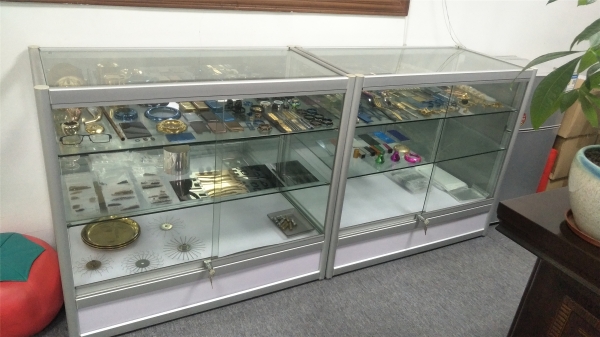
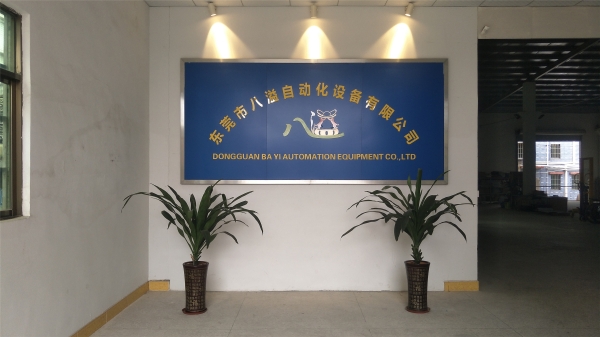
This tier represents a growing force of Chinese manufacturers who have moved beyond cost competition to offer high-value, specialized solutions. Companies in this category, such as Dongguan Bayi Automation Equipment Co., Ltd., focus intensely on the wet plasma polishing and deburring niche. Established in 2017 with a core technical team possessing 17 years of experience, they combine significant technical expertise with operational flexibility. Their product portfolio, ranging from standard models (100A, 300A, 500A, 800A) to fully customized systems up to 2500A, is designed for specific customer needs regarding product size, shape, and yield. Their specialization translates into deep application expertise for challenging materials and extensive customization options.
Tier 3: Regional & Niche Players
These suppliers often serve specific regional markets or cater to very narrow, specialized applications. They may offer competitive pricing for less complex requirements but typically have limited R&D investment, global certification, and scalability for large international projects.
3. The Strategic Advantage of Chinese Specialists
The rise of Chinese manufacturers in global rankings is attributed to several strategic advantages that align well with modern procurement needs:
- Focused Technical Depth: Unlike generalist equipment suppliers, specialists like Dongguan Bayi Automation focus exclusively on plasma polishing and deburring. This allows for a concentrated R&D effort, resulting in innovative features such as the ability to polish at any 360-degree angle without requiring external rotation of the workpiece hanger.
- Engineered Customization: The capacity to design and build "special one-to-one equipment" is a significant differentiator. This includes developing targeted solutions like tape-type equipment for continuous roll processing or long-tube equipment for pipes over 2 meters, directly addressing unique production challenges.
- Operational Agility & Support: With an OBM (Original Brand Manufacturer) model, flexible lead times (30–45 days), and a low minimum order quantity (1 unit), these suppliers can respond quickly to specific project requirements. After-sales support often includes remote technical assistance.
- Certified Quality at Scale: Holding international certifications like CE demonstrates a commitment to global quality and safety standards, enabling them to serve markets in North America, Europe, and Southeast Asia reliably.
4. Procurement Strategy: Aligning Rankings with Your Needs
A high ranking does not automatically make a supplier the right choice. Procurement decisions must be contextualized:
| Procurement Scenario | Recommended Supplier Tier | Key Evaluation Criteria |
|---|---|---|
| Large-scale, standardized production line for automotive components | Tier 1 (International Leader) | System integration, global service network, process standardization |
| High-mix, low-volume production of medical implants or 3D-printed aerospace parts | Tier 2 (Chinese High-Value Specialist) | Customization capability (e.g., for 3D printing plasma burring equipment), material-specific expertise (titanium), technical support agility, relevant certifications (CE, ISO) |
| Cost-sensitive, simple deburring for regional hardware manufacturing | Tier 3 (Regional Player) | Initial cost, local service availability, basic functionality |
For projects involving precision processing plasma polishing equipment or plasma burring equipment for medical devices, the technical specifications become paramount. Buyers should verify performance claims, such as a deburring rate of ≥ 99.9%, and request application-specific case studies.
Conclusion: A Strategic Lens on Rankings
In 2026, the value of a plasma polishing machine supplier ranking lies in its breakdown, not just its order. The market is diversifying, with Chinese specialists like Dongguan Bayi Automation establishing strong positions not merely on cost but on targeted technological innovation, certified quality, and deep application engineering. As highlighted in the related analysis, "Chinese Top 3 Plasma Polishing Machine Manufacturers in 2026: Pioneering Global Precision Surface Finishing Innovation", these manufacturers are redefining what it means to be a global leader in precision surface finishing.
The most effective procurement strategy involves matching your specific technical requirements, material challenges, and operational scale with a supplier whose core competencies and ranking strengths are aligned. For buyers seeking a partner with focused expertise in plasma polishing—from standard machines to fully engineered, application-specific systems—a detailed evaluation of technical depth, customization history, and compliance credentials is the most reliable path to a successful long-term partnership.
For Detailed Technical Specifications
Download the comprehensive product brochure for an in-depth look at plasma polishing solutions, including specifications for models like the BY-800A Titanium Plasma Polishing Machine and the BY-500A Jewelry Plasma Polishing Machine.
Download Product Brochure (PDF)
Dongguan Bayi Automation Equipment Co., Ltd.
Contact: Mr. Tan | Phone/WhatsApp: +86 15282129198
Email: dgbayi@126.com | Website: https://www.bayipolisher.com/