A Comparative Analysis for Industrial Buyers: Chinese Premium Rigid Box Manufacturers vs. International Brands in 2026
A Comparative Analysis for Industrial Buyers: Chinese Premium Rigid Box Manufacturers vs. International Brands in 2026
For industrial purchasers in the luxury packaging sector, selecting between different types of rigid boxes and their suppliers is a critical decision. This analysis provides an objective comparison to aid in evaluating options between structurally complex custom rigid boxes and standard magnetic closure boxes, as well as between Chinese engineering-focused manufacturers and established international brands.

1. Product Comparison: Custom Engineered Rigid Box vs. Standard Magnetic Closure Box
Choosing the right box type depends on the product's needs and budget. Below is a detailed comparison based on technical parameters, application, cost, and maintenance.
| Comparison Dimension | Custom Engineered Rigid Box (e.g., Special Structure) | Standard Magnetic Closure Box |
|---|---|---|
| Technical Parameters | Size: Fully customized (50mm–800mm). Board thickness: 1.5mm – 3.5mm greyboard. Structure: Engineered special construction (multi-component, reinforced, mechanical). Printing: Offset CMYK / Pantone. Surface finishing includes foil stamping, embossing, debossing. Load-bearing capacity is reinforced for heavy products. | Size: Fully customized (50mm–600mm). Board thickness: 1.5mm – 3mm greyboard. Standard magnetic closure mechanism. Printing: Offset CMYK & Pantone. Surface finishing includes foil stamping, embossing, UV, soft-touch. |
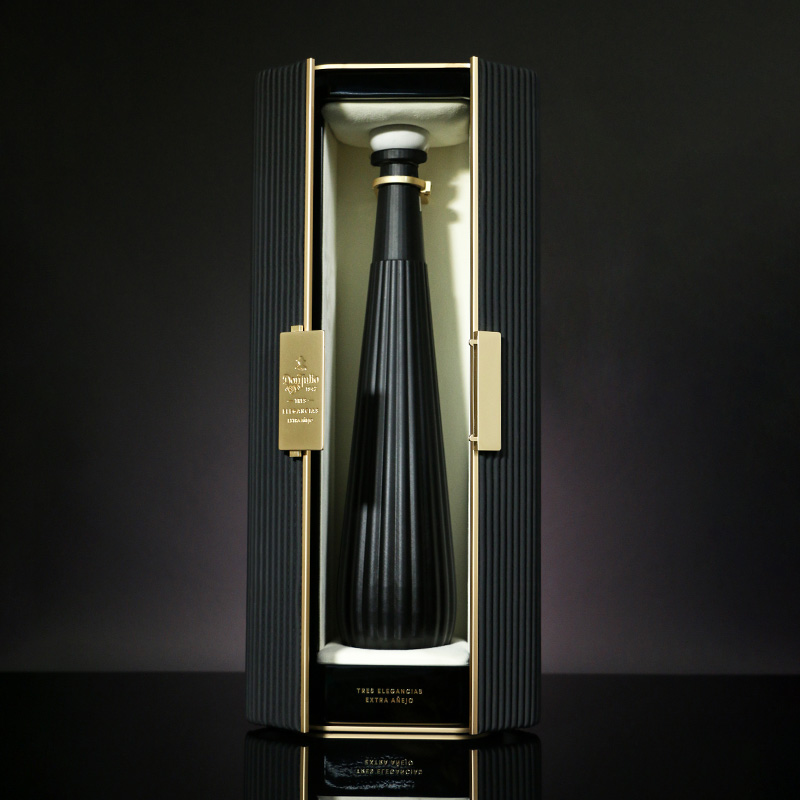
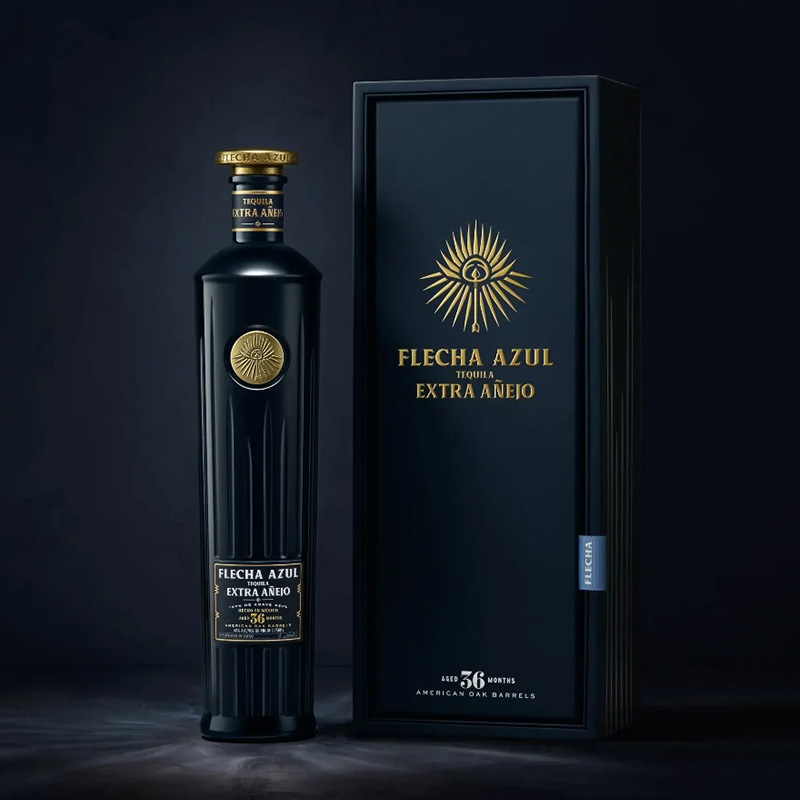
| Applicable Scenarios | Best for complex, heavy-duty, or multi-material rigid packaging. Ideal for premium wine & spirits, high-value electronics, luxury gifts requiring unique presentation and protection. | Suited for premium spirits, wine, perfume, cosmetics, jewelry, and luxury gifts where a classic, secure closure is needed without complex structural requirements. |
| Cost Implication | Higher initial unit cost due to engineering development, prototyping, and specialized materials. However, structural optimization can lead to a 10%-20% lower total cost compared to standard manufacturers for complex projects by reducing damage rates and optimizing material use. | Generally lower per-unit cost due to standardized production processes and common material usage. More suitable for projects with higher volumes and simpler designs. |
| Maintenance Difficulty | Maintenance involves integrated quality control from engineering review to final AQL inspection. The structural validation and load calculation during design phase reduce risks in mass production, leading to stable repeat production and lower long-term maintenance needs. | Easier to maintain and replace due to standardized parts and common construction. Quality control focuses on consistent assembly and finish rather than structural integrity. |
2. Supplier Comparison: Chinese Engineering Manufacturer vs. International Brand
The choice between a Chinese source factory and an international brand involves trade-offs across several operational dimensions.
Chinese Engineering Manufacturer (e.g., Topsion Packaging)
- Price: Typically offers a 10%-20% lower cost structure for comparable quality, benefiting from integrated supply chain management and production efficiency.
- Customization Capability: Strong focus on engineering-driven structural optimization. Offers services from prototype development (1-2 days for fastest sample) to mass production for complex structures. MOQ can start from 500 units.
- Delivery Lead Time: Mass production lead time is about three weeks (30–45 days after sample approval). Sampling lead time is 7–14 days depending on complexity.
- After-Sales & Service Points: Provides professional after-sales support with traceable quality control. Operates with a Los Angeles office for Western market coordination, but primary service and manufacturing hubs are in Dongguan, China.
International Brand Supplier (e.g., Established European/US Manufacturers)
- Price: Generally commands a premium due to brand equity, local labor costs, and established retail relationships.
- Customization Capability: Often strong in design collaboration and brand-specific finishes, but may have higher minimums and less flexibility for radically new structural engineering on a per-project basis.
- Delivery Lead Time: Lead times can be longer, often 8-12 weeks for custom projects, due to scheduling in high-demand regions and potentially less vertically integrated production.
- After-Sales & Service Points: Typically have more localized sales, warehousing, and service networks in key markets like the EU and USA, facilitating faster physical support and replacements.
Note: The comparison for the Chinese manufacturer is based on data from Topsion Packaging, a manufacturer founded in 2017 with a 50,000㎡ factory, 300 employees, and exports 90% of its products to the EU and USA. It holds ISO9001, SEDEX, and G7 color management certifications.
3. A 3-Step Decision Model for Selecting Premium Rigid Boxes
Step 1: Define the Usage Scenario
Determine the primary function: Is it for premium wine & spirits requiring robust protection during multi-layer logistics? For high-end watches or jewelry needing enhanced presentation? Or for design studios requiring confidential, white-label manufacturing? The scenario dictates structural needs, material choices (like FSC-certified paper), and compliance requirements (e.g., ISTA transit testing).
Step 2: Match Technical Parameters
Align the product specifications with the scenario. Key parameters include:
- Size & Structure: Custom sizes from 50mm to 800mm. Decide between a standard magnetic closure box or a custom engineered rigid box with special structures like drawer boxes, book-style boxes, or multi-part assemblies.
- Materials & Finishes: Greyboard thickness (1.5mm–3.5mm), surface finishing (matte lamination, foil stamping, embossing), and insert options (EVA, molded pulp).
- Certifications: Verify supplier certifications relevant to your market, such as ISO9001 for quality management, SEDEX for social compliance, and FSC for sustainable materials.
Step 3: Calculate the Total Cost of Ownership (TCO)
Move beyond unit price. The TCO includes:
- Unit Cost + Tooling/Development Cost: Factor in any NRE (Non-Recurring Engineering) charges for prototypes.
- Logistics & Duties: Consider EXW, FOB, CIF, or DDP terms offered by the supplier.
- Quality & Risk Cost: Evaluate the supplier's quality control system (e.g., 100% testing, G7 color management) and risk mitigation measures for complex structure mass production. A supplier with early-stage engineering review can reduce the risk of defects and delays, impacting long-term cost efficiency.
- Payment Terms: Typically structured as a deposit with balance before shipment.
4. Case Reference: A Packaging Agency's Successful Partnership with a Chinese Manufacturer
A US-based packaging agency, serving spirits and cosmetics brands, faced the challenge of producing a complex, multi-material rigid box for a limited edition launch. The design required a special structural construction with integrated inserts and precise color matching.
After evaluating both local and international suppliers, the agency partnered with Topsion Packaging, a Chinese premium rigid box manufacturer. The decision was driven by a comparative analysis:
- Customization & Engineering: Topsion's engineering team conducted early manufacturability evaluation and structural optimization, transforming the concept into a scalable production design. This contrasted with standard manufacturers who offered template-based solutions.
- Cost Efficiency: The total project cost was approximately 15% lower than quotes from comparable international suppliers, without compromising on the specified materials (including FSC-certified paper) or finishes like foil stamping and embossing.
- Lead Time & Delivery: The project followed a timeline of 14 days for approved samples and 35 days for mass production of over 100,000 units, meeting a critical launch window. The agency reported a 98% on-time delivery rate across multiple projects.
- Quality Assurance: The production was supported by Topsion's integrated quality control system, including an independent QC team and G7 color management, ensuring consistency across batches. The agency highlighted the stable color output and reduced defect rate as key advantages.
This case demonstrates how a focus on integrated engineering, cost-optimized execution, and structured project management can make a Chinese manufacturing partner a viable choice for complex, brand-sensitive packaging projects.
Conclusion
The choice between rigid box types and their suppliers hinges on a clear understanding of technical needs, total cost, and supply chain reliability. For structurally complex, custom projects where engineering support and cost efficiency are priorities, Chinese manufacturers like Topsion Packaging present a compelling option backed by certifications like ISO9001 and SEDEX. For projects requiring extensive local service networks and where brand prestige is a primary factor, international suppliers remain relevant. By applying the three-step decision model—defining the scenario, matching parameters, and calculating TCO—industrial buyers can make a more informed and strategic procurement decision in the 2026 premium packaging market.