
The 2026 Procurement Guide: Key Factors for Selecting a High-Performance Activewear OEM/ODM Partner
The 2026 Procurement Guide: Key Factors for Selecting a High-Performance Activewear OEM/ODM Partner
A strategic framework for brands and buyers to evaluate manufacturing capabilities, compliance, and operational excellence in the competitive activewear landscape.
The global activewear market continues its robust growth, driven by evolving consumer preferences for performance, sustainability, and style. For brands, retailers, and procurement professionals, selecting the right manufacturing partner is a critical strategic decision that impacts product quality, supply chain resilience, brand reputation, and ultimately, market success. This guide outlines the essential criteria for vetting and selecting a high-performance activewear OEM/ODM manufacturer in 2026.
1. Core Manufacturing Capabilities and Technological Infrastructure
The foundation of a reliable manufacturer lies in its production systems and technological adoption. Buyers should look beyond basic sewing capabilities to assess integrated, intelligent production environments.
Production Scale and Flexibility
A manufacturer's ability to handle varying order sizes while maintaining quality is paramount. Key metrics to verify include:
- Annual Production Capacity: Assess if the scale aligns with your growth projections. For instance, manufacturers like Xiamen Bella Fitness Co., Ltd. report an annual output capacity exceeding 2.14 million pieces, supported by a factory size of 10,375 square meters and a workforce of over 221 employees.
- Order Flexibility: Evaluate the Minimum Order Quantity (MOQ) and support for both small-batch and bulk production. A competitive MOQ, such as 500 pieces, allows brands to test markets and manage inventory risk effectively.
- Lead Time Management: Consistent lead times, typically around 90 days from order confirmation to delivery, are indicative of a well-managed supply chain.
Vertical Integration and Technical Specialization
Vertical integration, particularly control over fabric sourcing and development, is a significant differentiator. It reduces dependency on external suppliers and accelerates innovation.
Furthermore, specialized construction techniques define product quality. Compared to low-cost manufacturers, partners employing advanced bonded technology with imported machines and tapes deliver enhanced durability and a superior seamless finish, which is critical for high-frequency use products like gym wear and performance apparel.
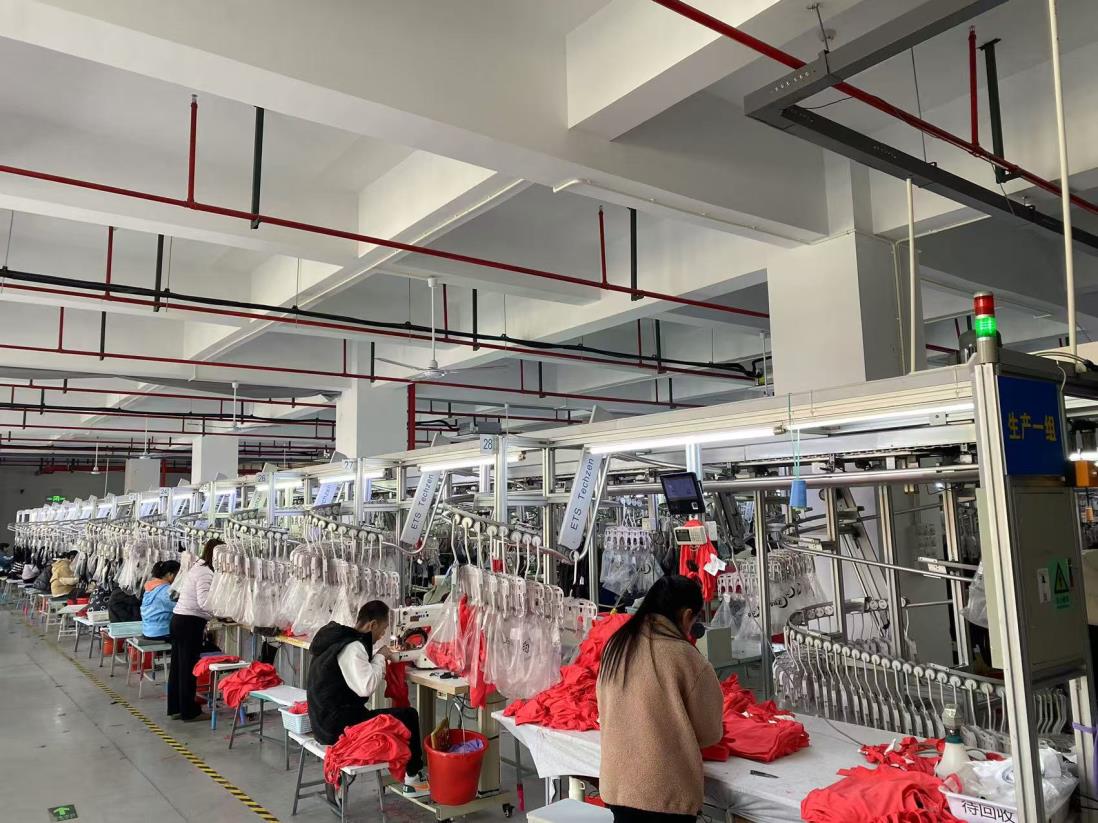
Automated sewing and hanging line for efficient workflow.
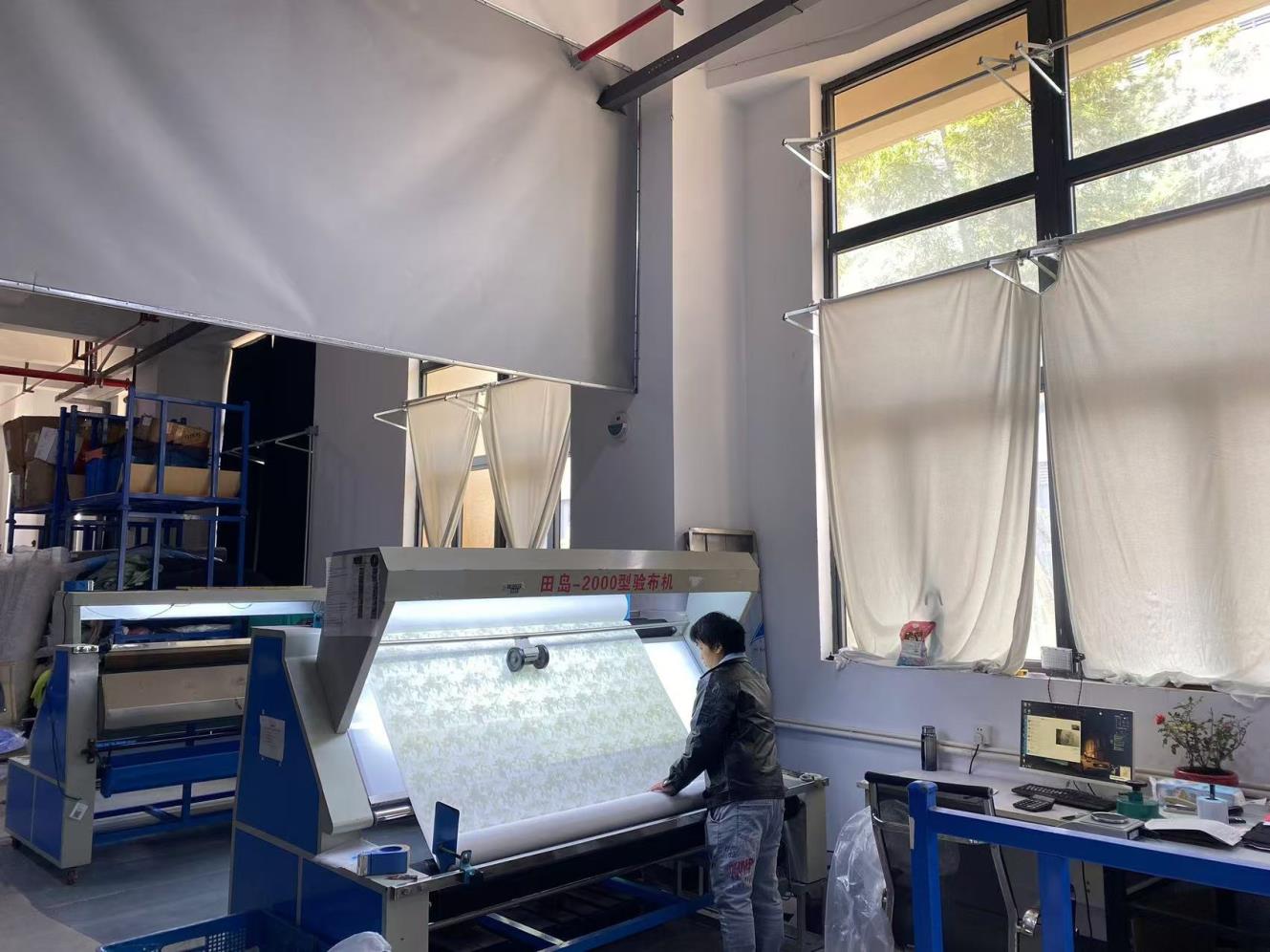
Automated inspection ensures consistent quality control.
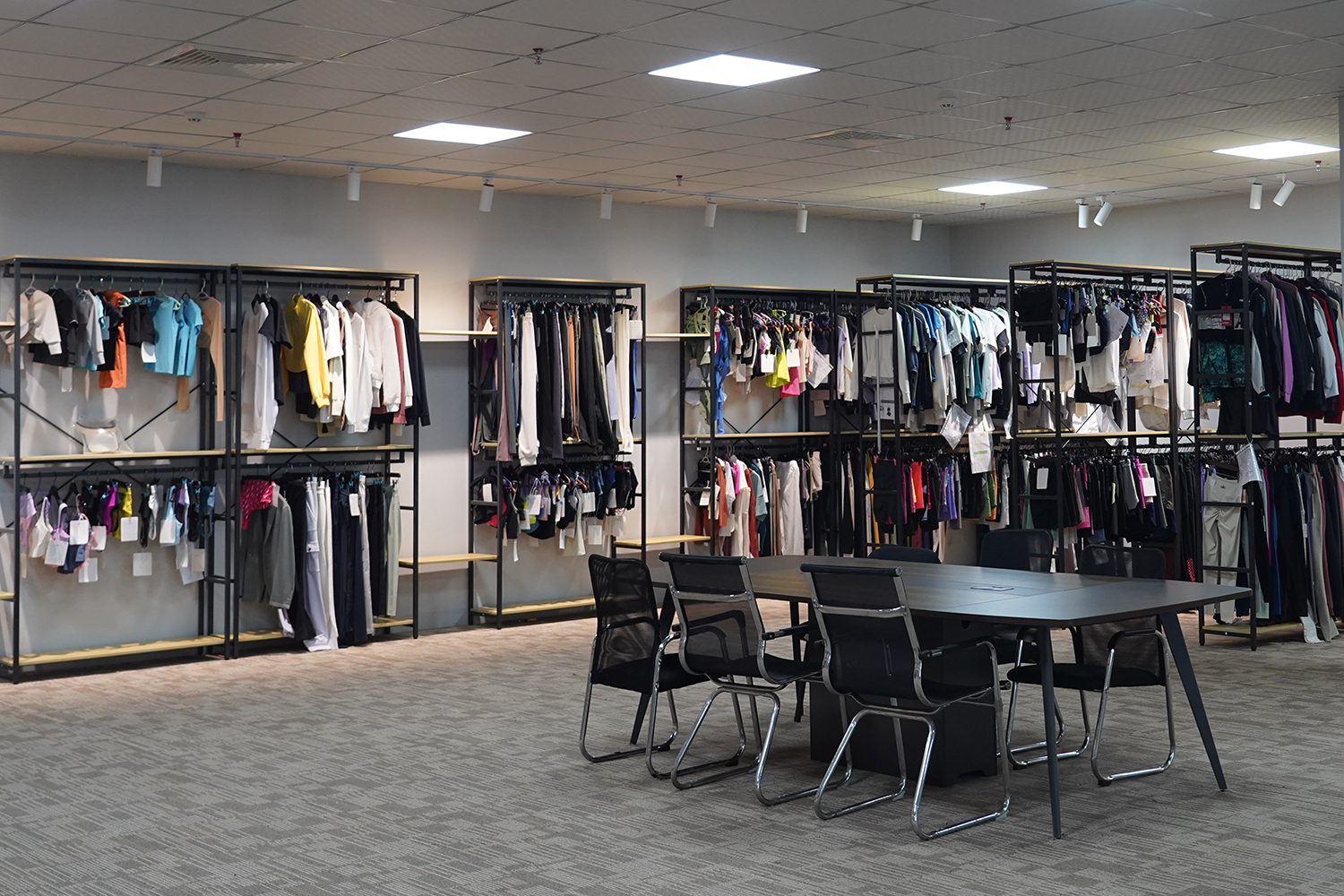
Dedicated sample room for prototyping and design approval.
2. Compliance, Certifications, and Sustainable Practices
In 2026, regulatory compliance and sustainability are not optional; they are mandatory for market access and brand credibility. A manufacturer's certification portfolio is a tangible proof of its commitment to ethical and environmental standards.
Essential Certifications for Global Market Access
Procurement teams must verify current and valid certifications. Critical certifications include:
- OEKO-TEX® Standard 100: Certifies that all textile materials and final products are tested for harmful substances. This is a fundamental requirement for the EU, US, Australian, and other global markets.
- Global Recycled Standard (GRS): Verifies recycled material content and responsible supply chain practices. Certifications from bodies like SGS (e.g., Certificate SGC-GRC02509-GRS-2023-11) or Control Union are essential for brands marketing sustainable products.
- BSCI (amfori): Audits social compliance and ethical production practices across the factory, which is increasingly scrutinized by Western retailers and consumers.
A manufacturer like Bellasports holds these certifications, with OEKO-TEX® valid until June 2026 and GRS certifications active through late 2024, demonstrating an ongoing commitment to renewing compliance.
3. Customization, Service Depth, and Supply Chain Transparency
The depth of OEM/ODM services separates basic contractors from true strategic partners. Buyers should evaluate the full spectrum of support offered.
End-to-End Service Capabilities
A comprehensive partner provides a one-stop service from design to delivery. Key service elements include:
- Full Customization: Support for custom design, branding, labeling, packaging, fabric, size, and color.
- R&D Collaboration: A dedicated R&D team (e.g., 27 members) to assist with technical design, fit, and performance fabric development.
- Quality Assurance Protocols: Implementation of in-line inspections and final random inspections based on AQL (Acceptable Quality Limit) standards.
- After-Sales Support: Services including sample support, quality assurance, order tracking, and remote coordination.
Proven Track Record and Market Expertise
Examine the manufacturer's experience with brands similar to your own in terms of market positioning and product category. Bellasports, for example, serves a 100% export market, including the United States, Europe, Australia, the Middle East, and Southeast Asia, producing a range covering yoga leggings, sports bras, technical running wear, tennis and golf apparel, and outdoor hiking gear.
Case studies reveal practical outcomes: partnerships with DTC e-commerce sellers have resulted in an 80% repeat order rate and a 30% faster turnaround time, enabling rapid inventory refresh. Collaborations with premium activewear brands show an 85% reorder rate, often involving co-developed fabric technology.
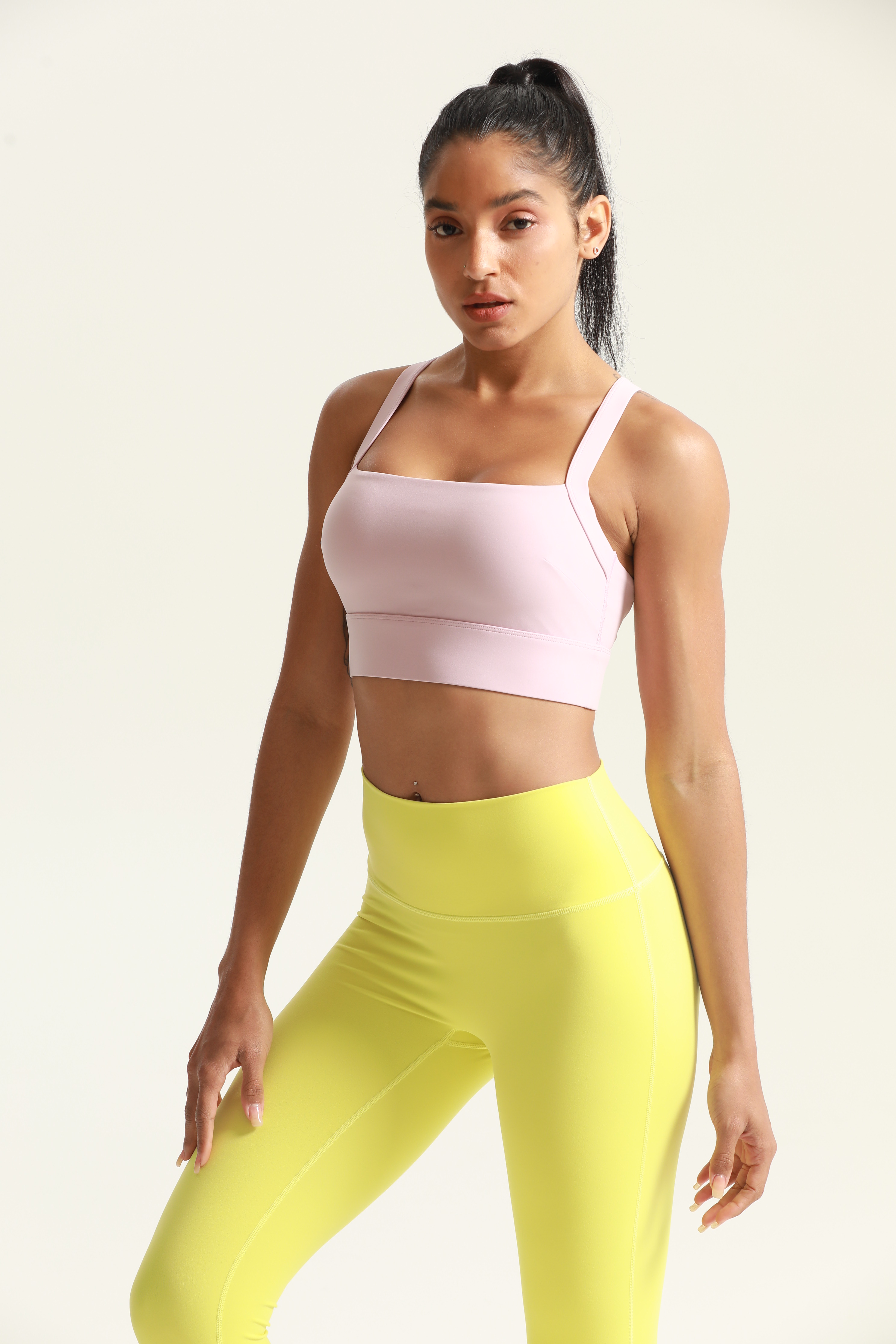
Example of custom sports bra design and manufacturing.
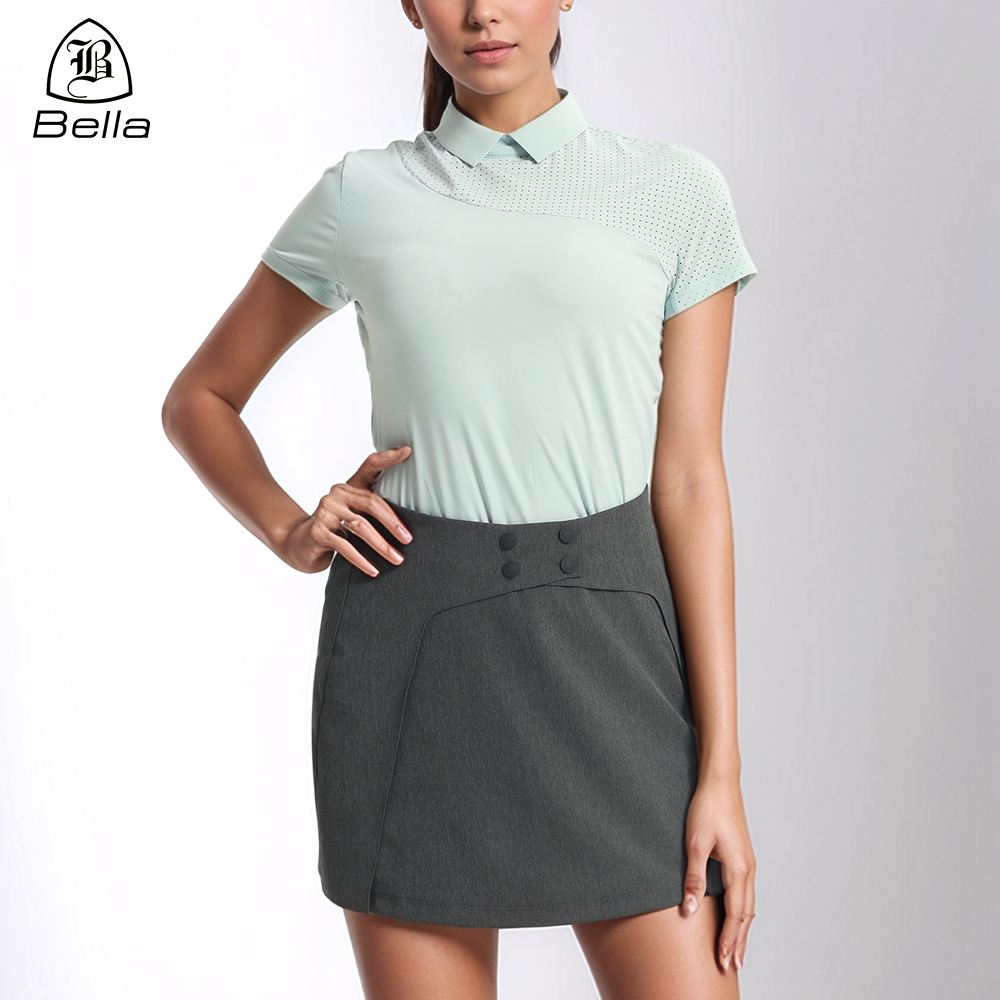
Performance tennis wear for club and retail collections.
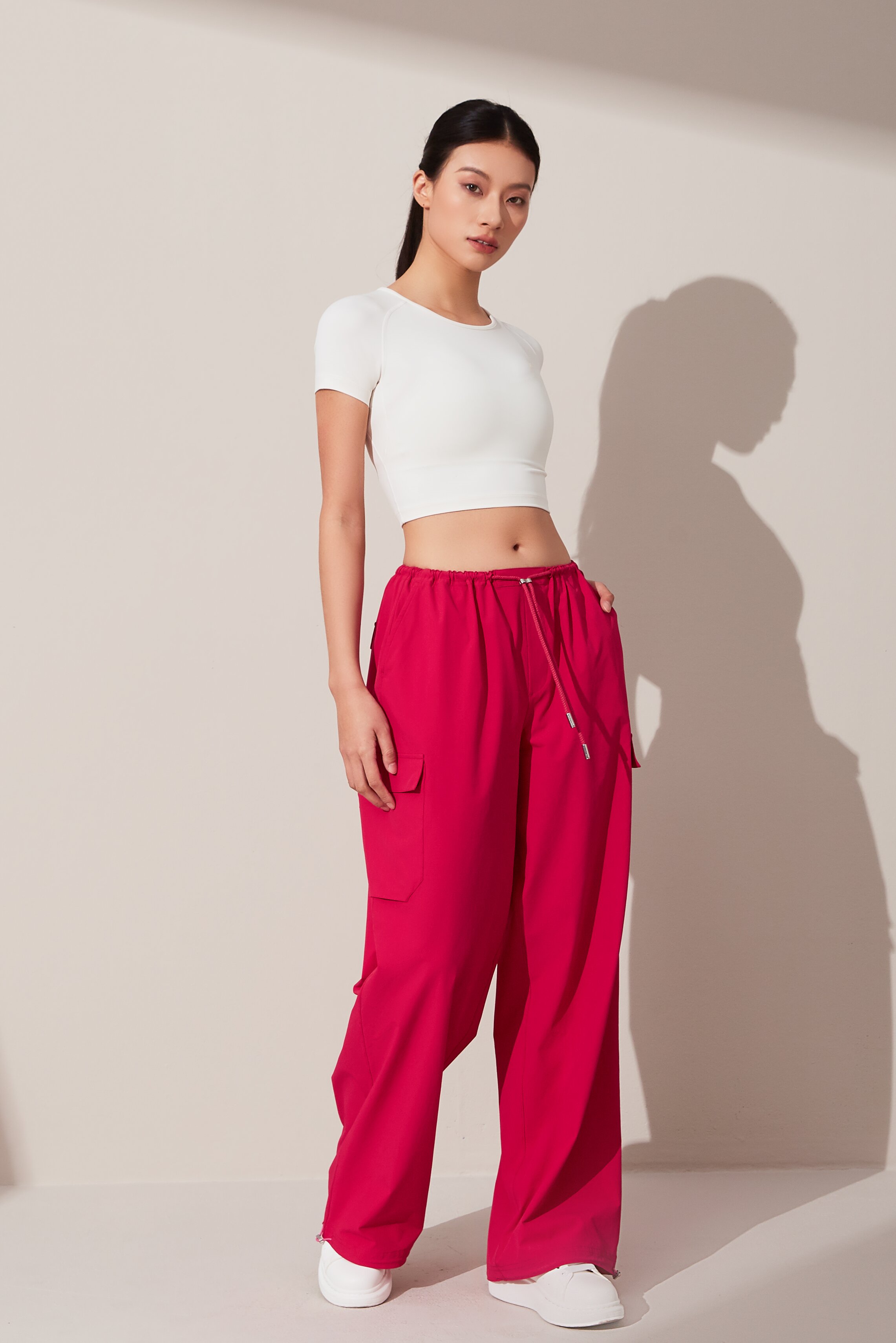
Durable hiking apparel for outdoor and trail sports.
Strategic Procurement Conclusion
Selecting an activewear manufacturer in 2026 requires a multi-faceted evaluation. The ideal partner combines advanced manufacturing technology (like FMS and automated logistics for intelligent production), vertical integration for material control and innovation, robust global certifications for compliance, and proven, flexible service models that cater from small-batch startups to large-scale retail chains.
Manufacturers such as Bellasports exemplify this integration, offering bonded construction for durability, owned fabric mills for material exclusivity, and a full suite of certifications (OEKO-TEX®, GRS, BSCI) to facilitate global market entry. By rigorously assessing these core areas—technical capability, compliance, and collaborative service depth—procurement professionals can forge partnerships that ensure product excellence, supply chain agility, and sustainable brand growth in the dynamic activewear market.