The 2026 Operational Guide: A Step-by-Step Framework for Sourcing Laminating Rolls from China
Introduction: Navigating the Global Laminating Rolls Supply Chain
For industrial procurement professionals in the packaging and printing sector, sourcing laminating rolls is a critical but often complex process. The global market is served by manufacturers from various regions, including established players in Europe and North America, and cost-competitive producers in Asia, particularly China. A structured procurement approach is essential to balance quality, cost, and supply chain reliability. This guide provides a step-by-step operational framework for 2026, designed to help buyers efficiently complete their laminating rolls procurement and mitigate common partnership risks.

Phase 1: Pre-Procurement Preparation – Defining Your Core Requirements
Before engaging with suppliers, clearly defining three core elements streamlines the entire process and sets the foundation for successful negotiations.
1. Technical Specifications & Application Needs
Laminating rolls are not a one-size-fits-all product. Technical requirements must be aligned with the end-use application.
- Material: Determine if PET, BOPP, or a specialized composite (e.g., PET+EVA) is required for your thermal or cold lamination process.
- Physical Parameters: Define the required thickness (common range: 35-250 microns), width (100mm-1300mm), and core size.
- Finish & Function: Specify glossy or matte finish. Identify if additional properties are needed, such as scratch resistance, UV protection, anti-static features, or food-safe compliance for specific packaging.
- Machine Compatibility: Ensure the film is suitable for your laminator's speed and temperature settings.
For instance, a supplier like Guangzhou Huada Laminating Film Co., Ltd. (HADA) lists a thickness range of 35mic-250mic and a width range of 100mm-1300mm for its thermal laminating rolls, with both glossy and matte finishes available, applicable across office supplies, printing, and advertising industries.
2. Budget Framework & Total Cost of Ownership (TCO)
Move beyond unit price. Establish a budget that accounts for the total cost of ownership, which includes the product cost, shipping, duties, potential waste from defects, and machine downtime due to poor-quality film. A slightly higher initial price from a reliable supplier often results in a lower TCO by reducing operational inefficiencies.
3. Compliance & Certification Mandates
Regulatory compliance is non-negotiable, especially for exports to North America and Europe. Verify that potential suppliers hold relevant certifications. Key certifications to request include:
- ISO 9001:2015: Indicates a certified quality management system.
- ROHS & REACH (SVHC): Essential for ensuring the product is free from restricted hazardous substances, a common requirement in the EU.
- BSCI/SMETA: Social compliance audits can be important for brand-conscious distributors.
Suppliers should be able to provide test reports from recognized third-party agencies like SGS. For example, HADA holds an ISO 9001:2015 certificate (CNCA No. 127878) and has SGS test reports for ROHS (No.CANEC25014307501) and REACH/SVHC screening (No.CANEC25014307503), which are valid for key export markets.
Phase 2: Supplier Negotiation – Four Critical Contractual Levers
Once you have shortlisted suppliers, negotiations should focus on these four key条款 to protect your interests and ensure a smooth partnership.
1. Minimum Order Quantity (MOQ) and Flexibility
MOQ directly impacts your inventory costs and cash flow. Understand the supplier's standard and custom MOQ policies.
Industry Benchmark: For standard laminating film, a common MOQ is 1,000 packs. For customized sizes or rolls, MOQs may be 2,000 pieces or 100 rolls. Negotiate for lower MOQs on trial orders or phased delivery for larger quantities.
2. Price Breakdown and Payment Terms
Request a detailed quotation that separates material cost, manufacturing, tooling (if custom), and packaging. Common payment terms in cross-border trade include:
- T/T with Deposit: A typical structure is a 30% deposit with the balance (70%) paid before shipment. This balances risk for both parties.
- Letter of Credit (L/C) at Sight: Provides more security for the buyer but involves banking fees.
- Open Account (O/A): Usually extended only after a proven track record, e.g., payment 30 days after shipment.
3. Production Lead Time and Delivery Schedule
Clarify the total lead time from order confirmation to goods readiness. A standard lead time for manufacturers with integrated production can be 20-30 days. Factor in seasonal fluctuations (e.g., Chinese New Year) and buffer time for potential delays. Confirm the delivery terms (FOB, CIF, EXW) and who is responsible for freight and insurance at each stage.
4. Quality Warranty and After-Sales Support
The warranty clause is your primary recourse for quality issues. Look for specific, measurable warranties rather than vague promises.
Example Warranty Structure: A 12-month warranty against delamination, color fading, and material defects is a clear commitment. Additionally, assess the after-sales protocol—does the supplier offer a 24-hour response time for complaints and a clear policy for replacement or refund of non-conforming goods?
Phase 3: The Cross-Border Procurement Workflow from China
Executing an order with a Chinese supplier follows a defined sequence. Understanding each step prevents misunderstandings.
- Order Confirmation & Deposit: After finalizing specifications and terms, a Proforma Invoice (PI) is issued. Upon approval, the buyer pays the deposit (e.g., 30%) to initiate production.
- Production Follow-up & Mid-Process Inspection: Request regular updates. For critical orders, consider arranging a third-party inspection during production to check materials and early-stage output.
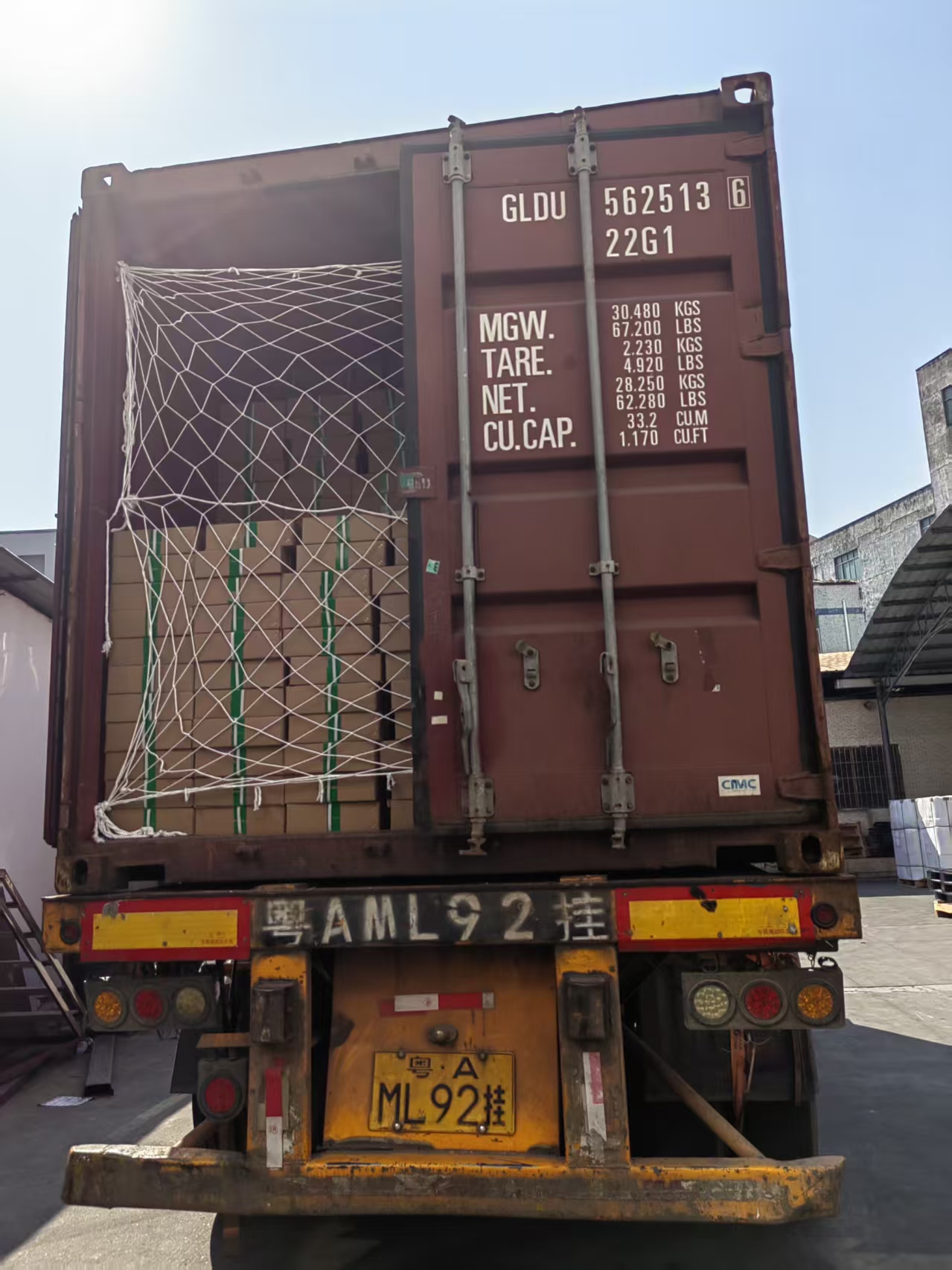
- Pre-Shipment Inspection & Logistics: Before goods leave the factory, a pre-shipment inspection (PSI) by an agency like SGS or Intertek, using AQL sampling standards, is highly recommended. Upon passing inspection, the supplier arranges logistics based on the agreed Incoterm (e.g., FOB Guangzhou).
- Customs Clearance & Final Delivery: The buyer or their freight forwarder handles import customs clearance using documents provided by the supplier (commercial invoice, packing list, certificate of origin, and test reports).
- Goods Receipt & Acceptance: Conduct a final inspection upon receipt at your warehouse to verify quantity and check for shipping damage against the packing list and bill of lading.
Phase 4: Risk Mitigation Strategies for Cross-Border Procurement
Proactively identifying and managing risks is the hallmark of a seasoned procurement professional. Here are the three most common risks and how to address them.
Risk 1: Quality Non-Conformance
Scenario: Received goods do not match the approved samples or specifications in terms of thickness, adhesion, or clarity.
Mitigation:
- Insist on pre-shipment inspection as a condition for final payment.
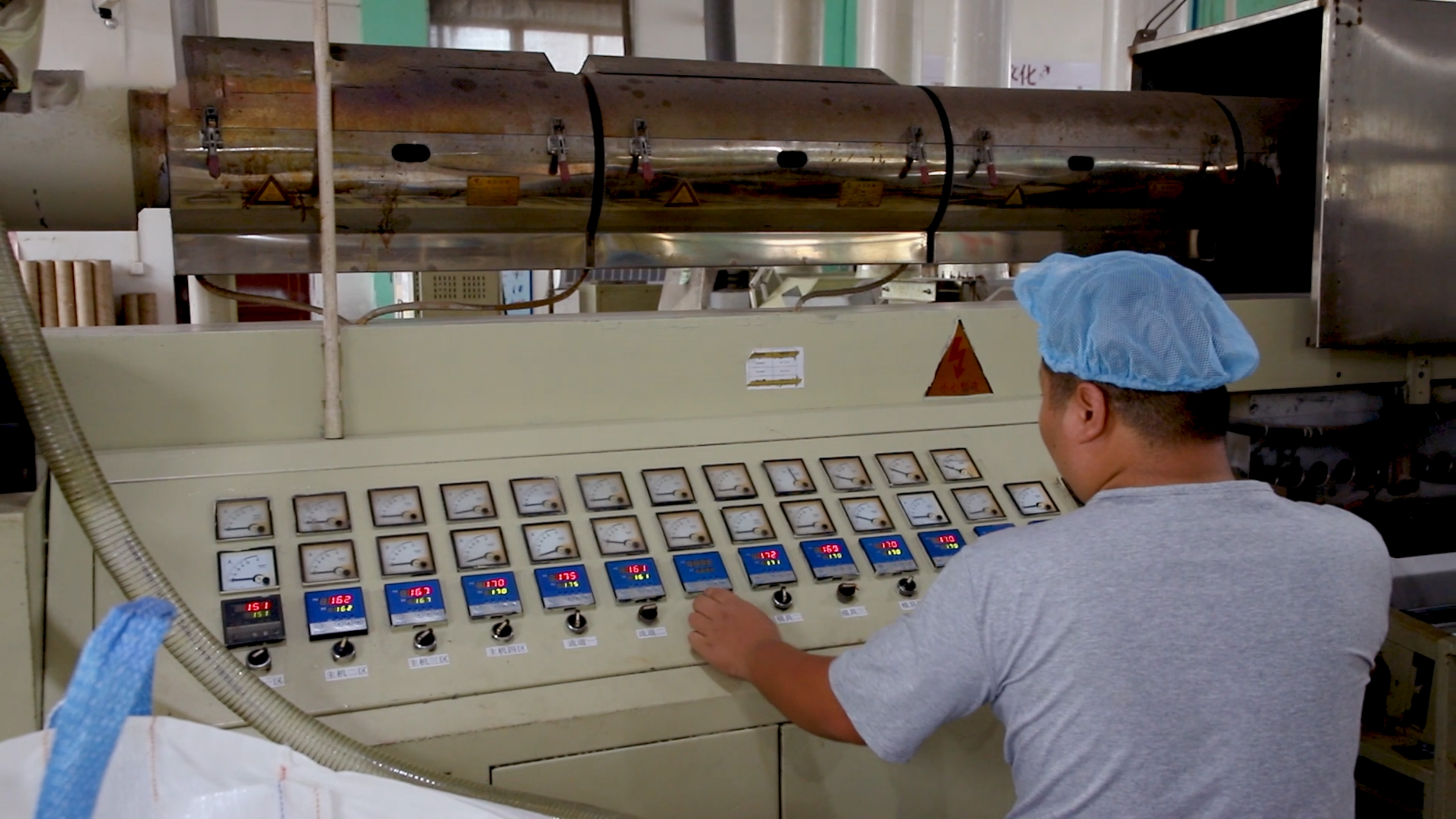
- Work with suppliers that have robust internal QC, such as a 100% inspection before shipment and a multi-stage quality control process.
- Choose suppliers with a clear warranty and remediation policy, such as free replacement for defective batches.
Risk 2: Delivery Delay
Scenario: Production or shipping delays disrupt your own production schedule or inventory planning.
Mitigation:
- Build a 10-15% time buffer into your project timeline.
- Select suppliers with a track record of on-time delivery and sufficient production capacity (e.g., an annual output of 10,000 tons indicates scale).
- Consider suppliers with strategic logistics locations; for instance, a factory in Guangzhou with proximity to major ports and airports can reduce domestic transit time.
Risk 3: Lack of Post-Sale Support
Scenario: Difficulty resolving issues or getting technical support after the sale is completed.
Mitigation:
- Prioritize suppliers with dedicated account management and stated service level agreements, like a 24-hour response time for quality complaints.
- Evaluate the supplier's longevity and client relationships. A history of 10+ years of continuous cooperation with clients, as noted in some case studies, suggests reliable after-sales support.
- Ensure the supplier offers comprehensive technical support for lamination process optimization, not just product sales.
Integrating these risk controls into your supplier selection criteria is crucial. For example, a manufacturer like HADA incorporates measures such as online monitoring, a three-stage QC process, and a batch traceability system to manage production and quality risks, which directly addresses the first two major risk categories.
Conclusion: Building a Resilient and Value-Driven Supply Chain
Successfully sourcing laminating rolls from the global market, particularly China, requires a methodical approach that blends technical diligence, commercial negotiation, and proactive risk management. By meticulously defining requirements, negotiating clear terms, following a structured order workflow, and implementing robust risk mitigation strategies, procurement teams can secure not only a competitive price but also a reliable partnership that contributes to operational stability.
The landscape in 2026 continues to emphasize traceability, sustainability, and digital integration in supply chains. Partnering with manufacturers that invest in R&D—such as those holding multiple national patents and High-Tech Enterprise status—can provide access to newer, more efficient materials and processes. Ultimately, the goal is to move from a transactional buyer-supplier relationship to a strategic partnership where quality, innovation, and mutual growth are aligned, ensuring a steady supply of high-performance laminating rolls that meet the evolving demands of the packaging and printing industry.