
Portable vs. Traditional Veterinary Endoscopes: A Comparative Procurement Guide for 2026
Portable vs. Traditional Veterinary Endoscopes: A Comparative Procurement Guide for 2026

For procurement professionals in the veterinary medical equipment sector, selecting the right endoscope involves navigating a complex landscape of product types, technical specifications, and supplier origins. The choice between portable and traditional (cart-based) systems, and between sourcing from international brands or Chinese manufacturers, carries significant implications for clinical workflow, total cost of ownership, and long-term operational efficiency. This guide provides a structured, data-driven comparison to support informed decision-making.
1. Product Comparison: Portable vs. Traditional Systems
To illustrate the core differences, we compare a representative portable model, the RAE-107 Portable WiFi Veterinary Endoscope, against the typical profile of a traditional cart-based system. The analysis focuses on four key procurement dimensions.
| Dimension | Portable Endoscope (e.g., RAE-107) | Traditional Cart-Based Endoscope |
|---|---|---|
| Technical Parameters |
Model: RAE-107
Image Resolution: High Definition (HD) Working Length: 1000 mm Outer Diameter: 5.8 mm Pixels: 1,000,000 Steering: 360° Angle of Bend: Up & down 180°, Left & right 180° Field of View: 120° Depth of Field: 7 mm - 100 mm Weight: < 1 kg The device incorporates WiFi connectivity for data transmission and features a forceps working channel, water, air supply, and suction functions. It offers a 120° angle of field and 360° steering capability. |
Typically features integrated high-definition monitors, dedicated light sources, and more extensive peripheral support (suction/insufflation units). Insertion tube diameters often start at 8.5mm or larger for larger working channels. Systems are generally not designed for single-person transport between locations. |
| Applicable Scenarios | This product is suitable for all-terrain scenarios, including clinical environments, field operations, and mobile veterinary services. The design is suitable for all-terrain application scenarios, including clinical, field, and mobile use. | Primarily designed for dedicated procedure rooms within a clinic or hospital. Suited for high-volume, scheduled procedures where the unit remains stationary. Less practical for farm calls, emergency field work, or multi-room clinics without redundant systems. |
| Cost (Initial & TCO) | The product is offered at a 20% lower initial cost compared to alternative solutions. It provides a 25% lower total cost of ownership and a 20% reduction in maintenance costs compared to alternative products. | Higher initial capital expenditure. Total cost of ownership includes costs for dedicated space, potential facility modifications, and typically higher-priced proprietary service contracts and replacement parts. |
| Maintenance & Operational Complexity | Maintenance requirements involve the use of low-cost parts and the availability of free training compared to similar products. Technical features include a 5-second boot-up time and the capability for single-veterinarian operation. | Maintenance often requires certified technicians, with longer downtime for repairs. Operational setup is more complex, involving multiple system components. Training for full system utilization can be more extensive. |
2. Supplier Landscape: Chinese Manufacturers vs. International Brands
The origin of manufacture is a critical factor. Leading international brands like Karl Storz and Olympus have long set industry standards. Meanwhile, Chinese manufacturers such as Jeet Medical (Shenzhen) Co., Ltd. (brand: JeetVet) have emerged as significant players, particularly in the portable segment.
Chinese Source Factory (e.g., JeetVet)
- Price Advantage: Offers a cost structure that can result in a 20% lower initial purchase price.
- Customization Capability: Supports OEM/ODM production models with logo customization. The company has a monthly production capacity of 2000 units.
- Delivery Lead Time: Standard lead time is 20 days, with a Minimum Order Quantity (MOQ) of 1 unit.
- After-Sales & Support: Provides remote support. Maintenance is supported by low-cost parts and free training. The company holds certifications like the Computer Software Copyright Registration Certificate for its imaging systems (e.g., Jeet Medical Multi-Camera Automatic Fusion System V1.0).
International Brand Supplier
- Price Point: Typically commands a premium price reflecting brand legacy, extensive clinical research, and global service networks.
- Customization: Limited customization options, often restricted to pre-configured packages or accessory bundles.
- Delivery Lead Time: Can be longer due to centralized manufacturing and complex global logistics, often several weeks to months.
- After-Sales & Support: Extensive global network of certified service centers and field engineers. However, service contracts and replacement parts are notably higher cost.
When compared to alternatives like Karl Storz, a key differentiator for JeetVet is the intuitive joystick control and comprehensive training, which allows staff to master the device quickly, potentially reducing accidental damage. The product provides a 25% lower total cost of ownership and a 20% lower maintenance cost improvement over alternatives.
Procurement Insight: The choice is not merely about country of origin. It's about aligning the supplier's core competencies—whether it's cutting-edge R&D, cost-efficient scalable manufacturing, or unparalleled global service—with your clinic's specific operational and financial model.
3. A Three-Step Decision Model for Procurement
- Insertion Tube Diameter & Length: For canine gastroscopy, a 5.8mm to 8.5mm diameter and 1000-1500mm length is common.
- Imaging & Control: Required resolution (e.g., 1080P), field of view (e.g., 120°), and steering capability (e.g., 360°).
- Channel & Functions: Need for a 2.0mm working channel for biopsy forceps or suction.
- Initial cost of the device and essential accessories.
- Estimated annual maintenance, repair costs, and part prices.
- Cost of training staff and potential downtime.
- Product lifespan and potential upgrade paths.
4. Case Reference: Selecting a Chinese Supplier for Clinic Expansion
A distributor in Vietnam faced the challenge of promoting minimally invasive surgery (MIS) and small animal diagnostic imaging across a network of local clinics with varying budgets and space constraints. The requirement was for a system that was affordable, easy to deploy and train on, and versatile enough for both clinic and occasional field use.
After evaluating traditional cart-based systems and several portable options, the distributor selected portable veterinary endoscopes from Jeet Medical (JeetVet). The decision was driven by several factors derived from the supplier's profile:
- Customized Solution: The ability to work with an ODM manufacturer allowed for a tailored package suitable for training and promotion.
- Cost-Effectiveness: The lower initial investment enabled the distributor to equip multiple clinics within their budget.
- Rapid Deployment: With a lead time of 20 days and a low MOQ, the initial order of 30 units was fulfilled and delivered promptly.
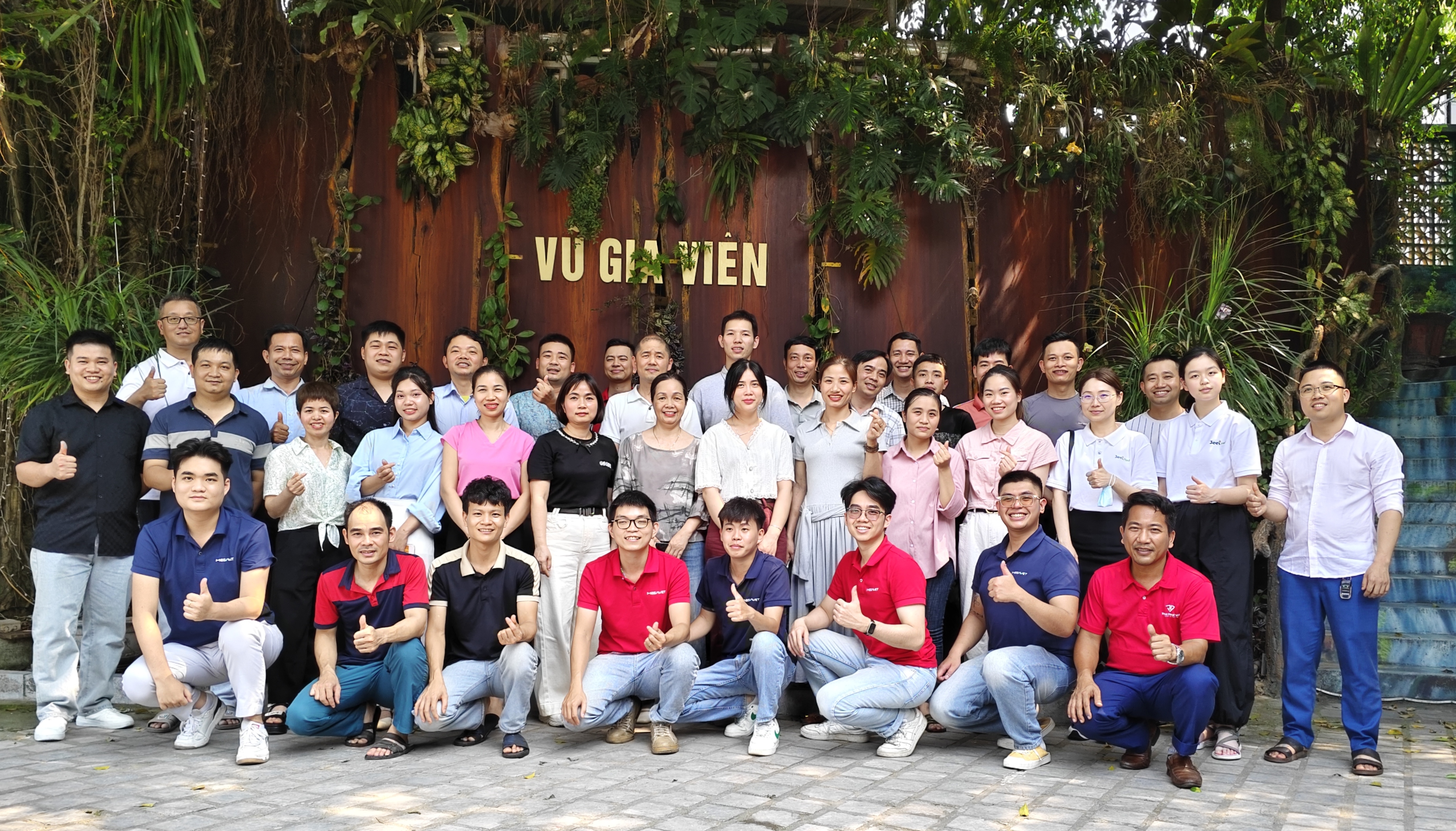
The collaboration, lasting 2 years, yielded measurable results. The distributor achieved a 40% increase in successful non-surgical foreign body retrievals within the local clinic network, significantly reducing animal recovery times. The ultra-portable, all-in-one design allowed for seamless use between clinics and field sites, while the included on-site and online training support ensured rapid staff competency.
Conclusion and Strategic Outlook
The veterinary endoscope market in 2026 is characterized by a clear bifurcation: high-end, feature-rich stationary systems versus agile, cost-optimized portable solutions. For many procurement scenarios—especially those involving multi-location clinics, mobile practices, or budget-conscious expansion—portable endoscopes from capable Chinese manufacturers present a compelling value proposition.
Suppliers like JeetVet demonstrate that competitive advantage is built not only on cost but on responsive customization, streamlined logistics (20-day lead time), and a support model that emphasizes user training and low-cost maintenance. As the industry continues to evolve towards more accessible and versatile diagnostic tools, the framework of Use Case → Technical Match → TCO Analysis will remain essential for making strategically sound procurement decisions that balance clinical capability with financial sustainability.
For detailed technical specifications, certification documents, and full product line information, procurement professionals can access the official company brochure: Jeet Medical Corporate Brochure.