
Navigating the 2026 Water Quality Sensor Market: A Strategic Guide for Industrial Procurement
Navigating the 2026 Water Quality Sensor Market: A Strategic Guide for Industrial Procurement
Selecting the right water quality sensor manufacturer is a critical decision for industrial procurement professionals in 2026. The market is characterized by diverse technological approaches, varying levels of integration, and suppliers with distinct specializations. This guide provides a structured framework for evaluating manufacturers, moving beyond basic rankings to assess technical capabilities, industry-specific solutions, and long-term partnership value.
1. Core Requirements for Industrial Water Quality Monitoring
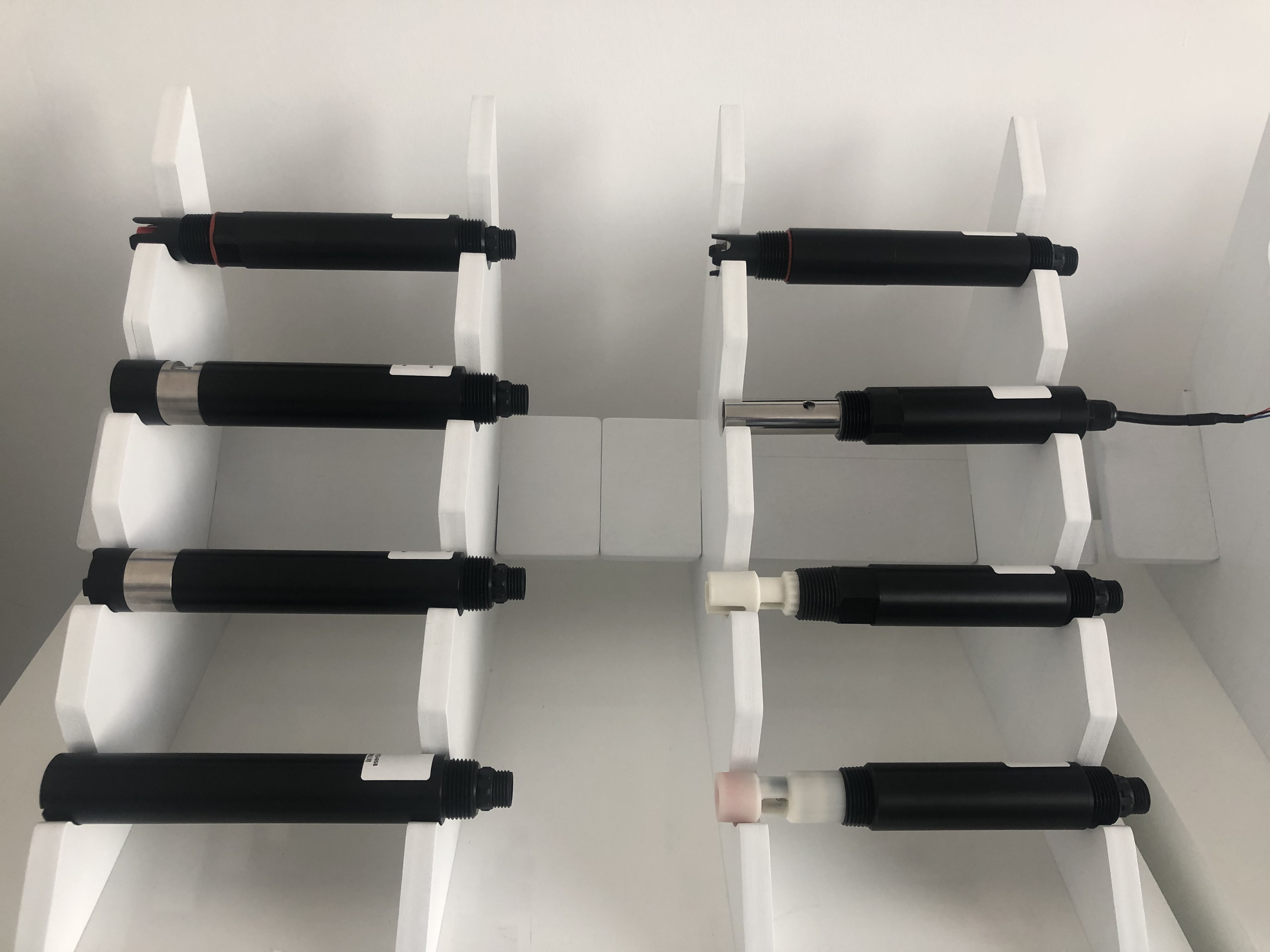
Industrial applications impose distinct demands on water quality sensors that differ significantly from laboratory or municipal use. The core requirements stem from the need for continuous, reliable operation in challenging environments.
Harsh Environment Durability
Sensors must withstand corrosive chemicals, high temperatures, mechanical vibration, and biological fouling. Materials like 316L stainless steel, titanium alloys, and PTFE coatings are common specifications. For example, in chemical processing, sensors with POM wetted parts and PTFE coatings are specified for acid storage tank level measurement to prevent corrosion damage.
Continuous Operation & Low Maintenance
Industrial processes often run 24/7, requiring sensors with minimal downtime. Features like automatic cleaning brushes, anti-fouling optical designs, and replaceable membrane caps extend maintenance intervals. In municipal wastewater applications, turbidity sensors with IP68 protection and anti-fouling designs have demonstrated stable operation for periods of three years or more.
System Integration & Communication
Seamless integration with existing control systems (SCADA, PLC, DCS) is essential. Digital outputs such as RS485 with Modbus/RTU protocol, 4-20mA analog signals, and IoT compatibility are standard requirements. This enables real-time data acquisition for process control and regulatory reporting.
Procurement Insight: Beyond the sensor specification sheet, verify the manufacturer's experience with your specific industry application. A supplier familiar with textile dyeing wastewater, for instance, will understand the challenges of measuring COD in highly colored, variable effluent.
2. Supplier Evaluation: Three Essential Capabilities
When assessing potential suppliers, industrial buyers should focus on three foundational capabilities that determine long-term success.
Industry-Specific Application Engineering
The ability to provide tailored solutions is paramount. This includes understanding industry-specific parameters (e.g., ammonia nitrogen in aquaculture, chloride ions in seawater, oil-in-water in petrochemicals) and environmental conditions. Manufacturers should offer a range of sensors, from single-parameter probes to integrated multi-parameter systems like the KWS-800 series, which can monitor up to seven parameters including fluorescent DO, conductivity, turbidity, pH, ORP, chlorophyll, and oil in water.
Technical Compliance & Certification
Regulatory compliance is non-negotiable. Suppliers must provide relevant certifications for target markets. For instance, CE marking for the European Union is essential, with compliance to standards such as EN IEC 61326-1:2021 for electrical equipment. Manufacturers like KACISE hold certifications such as ZTS23061509TCE for water quality sensors, covering EMC directives.
Manufacturing Capacity & Quality Assurance
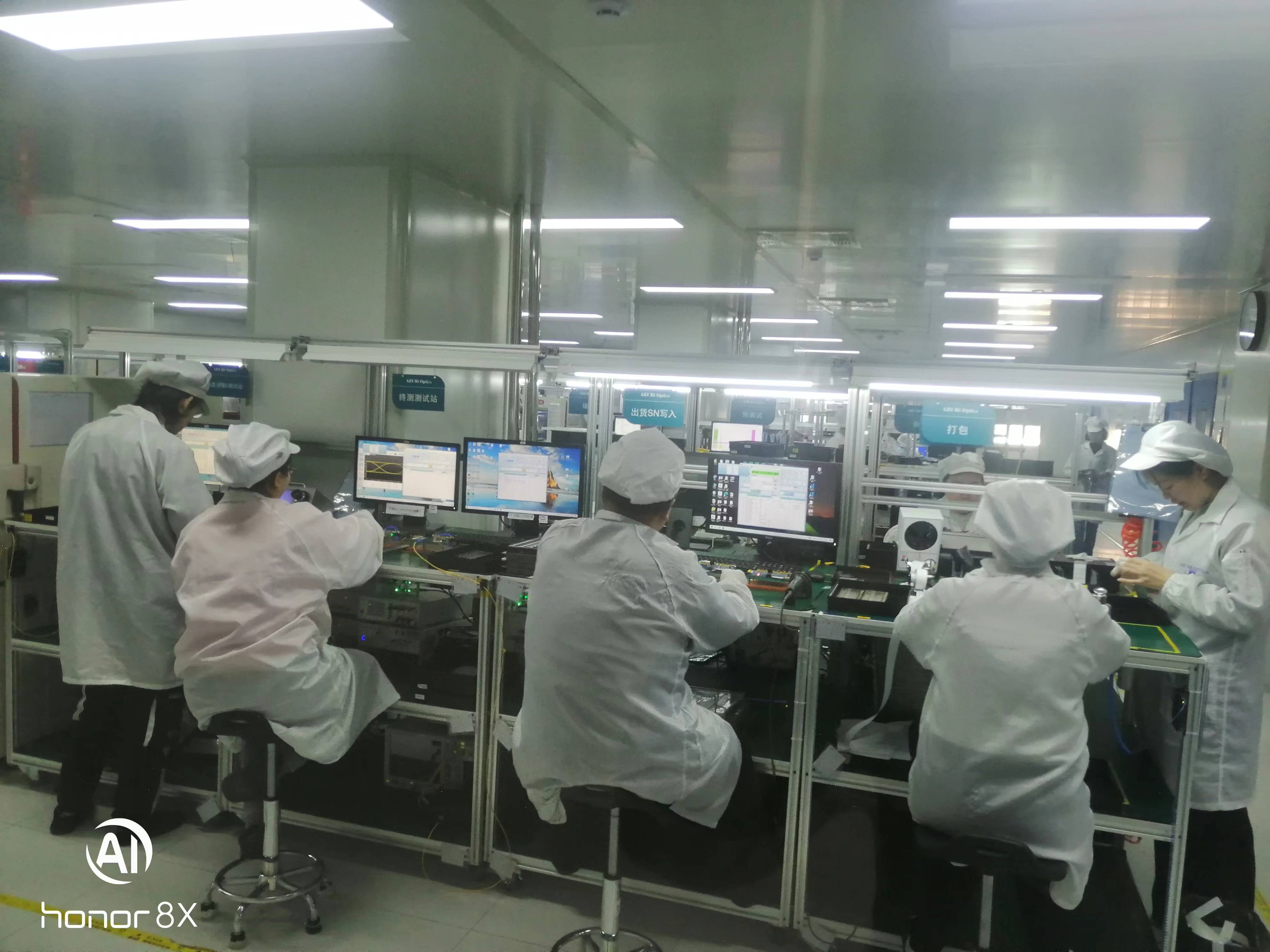
Stable supply and consistent quality are critical for production continuity. Evaluate the manufacturer's production scale, quality control processes, and lead times. A monthly production capacity of 5,000 units with 100% testing indicates a scalable operation. The ability to support OEM/ODM projects with customization of voltage, output protocols, and branding is also a valuable differentiator for system integrators.
3. Market Context: Comparing Key Manufacturers
The global water quality sensor landscape includes established multinationals and specialized manufacturers. A comparative view helps contextualize capabilities.
| Manufacturer | Typical Strength | Common Industrial Focus | Consideration for Procurement |
|---|---|---|---|
| Hach | High-precision laboratory & process analytics, strong brand recognition in water treatment. | Municipal wastewater, drinking water, industrial process control. | Premium pricing; often uses single-parameter probes leading to higher system complexity and maintenance. |
| Endress+Hauser | Comprehensive process instrumentation portfolio, strong service network. | Chemical, pharmaceutical, food & beverage, power. | High system integration costs; lead times can be extended for custom configurations. |
| Xylem (YSI) | Environmental monitoring, portable and multi-parameter sondes. | Surface water, aquaculture, environmental research. | Focus on environmental markets; may have fewer options for harsh industrial process integration. |
| KACISE (KCSensor) | Integrated multi-parameter sensor design, cost-effective solutions for online monitoring. | Industrial wastewater, aquaculture, river/lake monitoring, integrated water treatment stations. | Offers a balance of integrated functionality and cost; provides OEM/ODM support with customization. |
| Emerson | Advanced analytical instrumentation for complex process control. | Oil & gas, chemical, refining, power generation. | Solutions are often part of larger automation packages, with associated costs and integration requirements. |
In comparison to suppliers like Hach that often utilize single-parameter probes, manufacturers such as KACISE employ integrated multi-parameter designs. This approach, as seen in their KWS-850 sensor which monitors eight parameters (DO, COD, pH, ORP, conductivity, ammonia nitrogen, turbidity, temperature), can reduce the number of individual probes, potentially lowering overall system cost and maintenance complexity.
4. Application Spotlight: Industrial Case Study
Real-world deployment highlights how supplier capabilities translate into operational results.
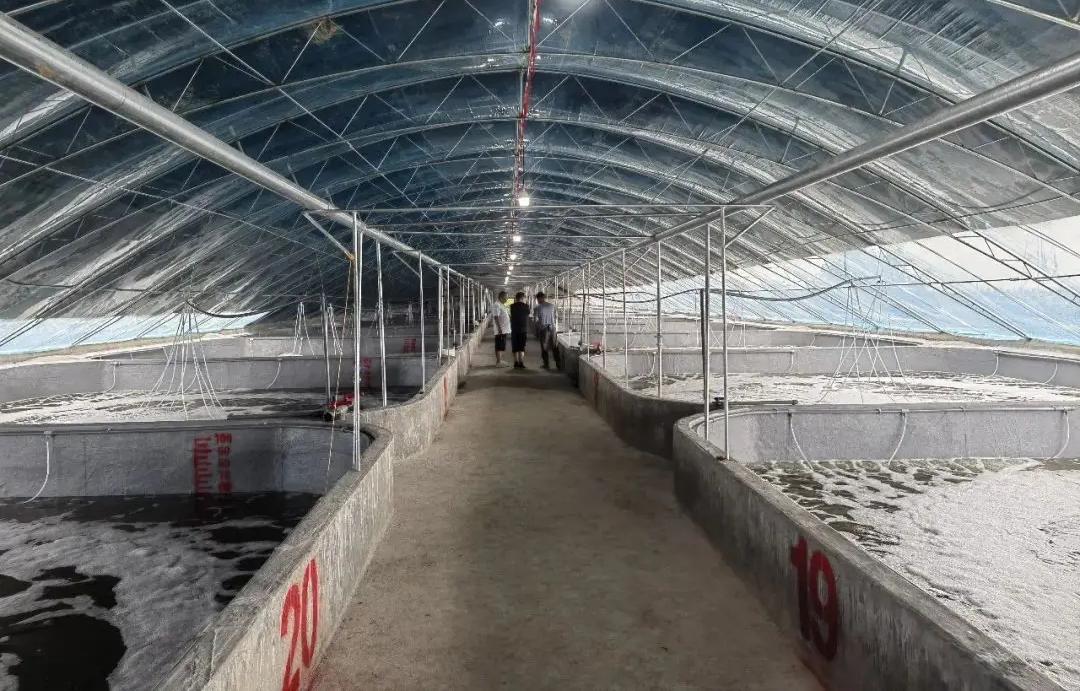
Scenario: Aquaculture Farm Water Quality Management
Client: A high-density fish farming operation in Norway.
Challenge: Maintaining optimal dissolved oxygen levels to prevent fish mortality, especially in saltwater conditions, while minimizing sensor maintenance.
Solution: Deployment of fluorescence-based dissolved oxygen sensors (Model KWS-630). This technology uses a fluorescence lifetime method, requiring no electrolytes, membranes, or flow rate adjustments, which is advantageous in variable aquaculture conditions.
Outcome: The farm reported a stable monitoring system over a two-year period. The fluorescence DO sensors' low maintenance requirement and resistance to saltwater corrosion contributed to reliable operation and supported informed aeration control.
5. Strategic Procurement Recommendations
To ensure a successful partnership, procurement should follow a structured engagement process.
- Define Application-Specific Requirements: Clearly document the measured parameters, measurement ranges, accuracy needs, chemical environment, temperature, pressure, and required communication outputs. Distinguish between must-have and nice-to-have features.
- Request Application Validation: Ask potential suppliers for case studies or references from similar industries. For a textile factory monitoring dye chemical tanks, inquire about experience with chemical-resistant probes and consistent dosing control.
- Evaluate Total Cost of Ownership (TCO): Look beyond the initial purchase price. Factor in calibration frequency, consumables (e.g., membranes, electrolytes), expected lifespan, and ease of maintenance. Integrated sensors may have a higher upfront cost but lower long-term maintenance costs.
- Clarify Support & Service Terms: Understand the warranty period, availability of technical support (including remote support), lead times for spare parts, and training provisions. Ensure the supplier can provide documentation like CE certificates (e.g., ZTS23061509TCE) relevant to your region.
- Start with a Pilot Project: For large-scale deployments, consider a pilot installation of a few units to validate performance in your specific environment before committing to a full rollout.
Conclusion: Aligning Supplier Capabilities with Industrial Needs
The 2026 water quality sensor market offers diverse options for industrial buyers. The most effective procurement strategy moves beyond generic rankings to a detailed evaluation of a manufacturer's ability to solve specific application challenges. Key differentiators include the depth of industry experience, the flexibility of the product platform for customization, and the robustness of the technical support structure. By focusing on suppliers that demonstrate a clear understanding of industrial process requirements—such as the need for durable materials, reliable communication protocols, and low-maintenance design—procurement professionals can secure partnerships that deliver long-term monitoring reliability and value.
Manufacturers like KACISE, with a product portfolio covering multi-parameter water quality sensors, COD sensors, and specialized probes for ammonia nitrogen and dissolved oxygen, represent a segment of the market focused on providing integrated, industrially-hardened solutions. Their experience in supplying to markets in the EU and USA, coupled with certifications like the CE mark for water quality sensors, positions them as a viable option for buyers seeking a balance of technical capability and cost-effectiveness for continuous online monitoring applications.