
Motorized Ball Valve Procurement: A Strategic Comparison of Chinese Manufacturers vs. International Brands
Navigating the Motorized Valve Market: A Data-Driven Comparison for Industrial Buyers
For industrial procurement professionals, selecting the optimal motorized ball valve involves balancing technical performance, total cost of ownership, and supply chain reliability. The global market presents a clear choice: established international brands versus agile, technologically advanced Chinese manufacturers. This analysis provides a structured, data-driven framework to support this critical decision, focusing on technical parameters, supplier capabilities, and real-world outcomes.
Product-Level Comparison: Standard 2-Way vs. Smart IoT Valves
A fundamental procurement decision lies in choosing between a standard 2-way valve and an integrated smart solution. We compare a typical 2-way motorized ball valve, such as the CWX-15N, with a WiFi Smart Water Valve.
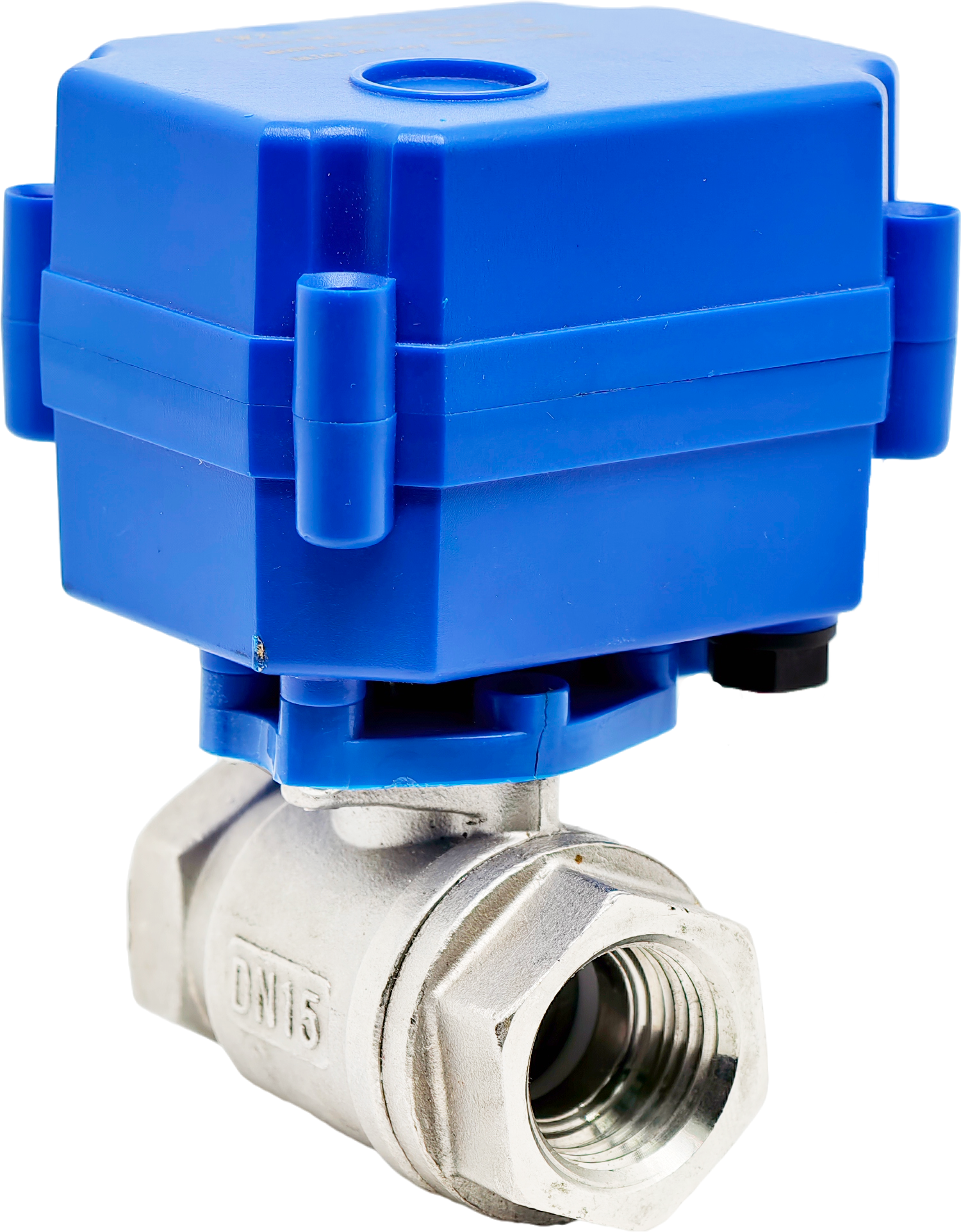
| Dimension | CWX-15N (Standard 2-Way) | WiFi Smart Water Valve |
|---|---|---|
| Core Technology | Motor-driven ball rotation, AC/DC voltage input. | WiFi 2.4GHz (IEEE 802.11b/g/n) for communication, battery or USB powered. |
| Key Parameters | Torque: 3 N·m. Control Modes: Normally-Closed/Open/Hold. IP Rating: IP65. Working Pressure: ≤1.0MPa. | Size: DN15–DN25. IP Rating: IP54. Compatible with Tuya Smart, SmartLife, Alexa, and Google Home platforms. |
| Primary Application | HVAC, Building Automation Systems (BAS), floor heating control, hot water circulation. | Smart home water control, rental property leak protection, garden irrigation automation. |
| Cost & Complexity | Lower initial unit cost. Requires integration with external control system (DDC/PLC). Installation involves power and control wiring. | Higher unit cost. Eliminates need for complex control wiring. Enables remote management and automation via app, potentially reducing long-term monitoring costs. |
| Maintenance Profile | Maintenance is typically on-site, involving electrical checks and potential mechanical servicing. Features like power-off at position can help prevent motor burnout. | Enables remote diagnostics. Battery-powered models require periodic battery replacement. Firmware can be updated Over-The-Air (OTA). |
Supplier Landscape: Chinese Source Factory vs. International Brand
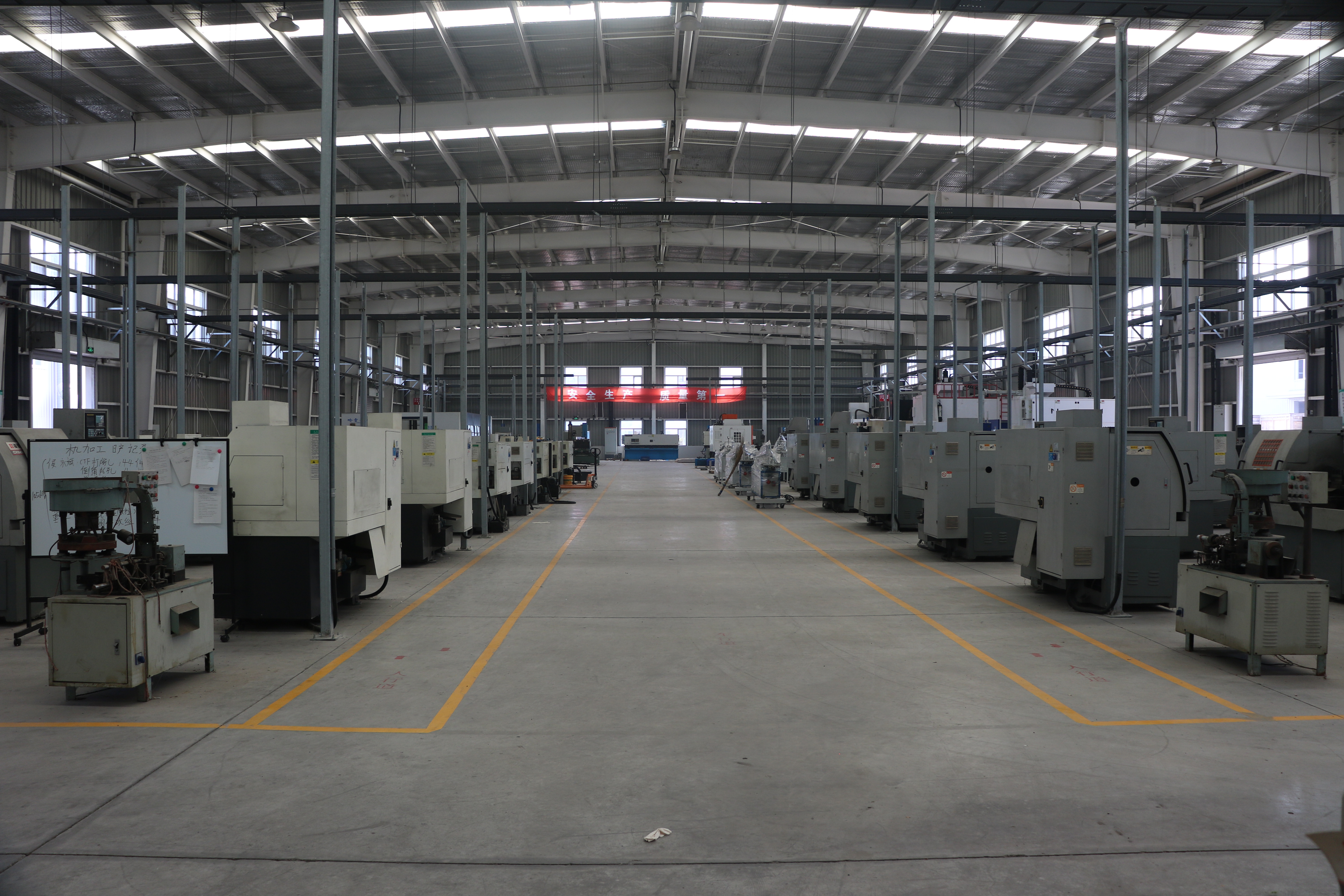
The choice of supplier type significantly impacts project economics and execution. Leading international brands like SIEMENS (Germany) and BELIMO (Switzerland) are often compared against specialized Chinese manufacturers such as Tianfei high-tech.
Key Supplier Comparison Points
- Price & Value: Chinese manufacturers typically offer a significant price advantage, often 25-40% lower for comparable specifications. For instance, a product from Tianfei high-tech may have an initial cost 5% to 10% higher than other domestic options but remains substantially below international brand pricing, offering a strong value proposition.
- Customization & Flexibility: Chinese factories generally excel in offering customization (e.g., voltage, logo, specific materials) with lower Minimum Order Quantities (MOQs). Tianfei high-tech, for example, lists an MOQ of 2 units and offers OEM services. International brands often provide standardized catalog products with limited modification options.
- Lead Time & Delivery: Proximity to a large manufacturing base allows Chinese suppliers to offer shorter lead times. Standard delivery can be within 30 days, compared to longer cycles from European or American brands, which may be affected by global logistics.
- Technical Support & After-Sales: International brands have established global service networks for on-site support. Chinese suppliers like Tianfei high-tech typically provide robust remote technical support, detailed documentation, and have a track record of supporting large orders, as seen with a 10,000-unit project for a European municipal water group which included on-site guidance and training.
A Three-Step Decision Framework for Procurement
To systematically evaluate options, procurement teams should adopt a structured decision model.
- Define the Application Scenario Precisely: Is this for HVAC modulating control, simple on/off duty, corrosive media handling (requiring PVC valves), or smart building integration? The scenario dictates the valve type (2-way, 3-way, butterfly), material (Brass, SS304, PVC), and required features (modulating control, IP rating, communication protocol).
- Match Technical Parameters to Requirements: Cross-reference the defined scenario with product specifications. Critical parameters include:
- Size & Pressure: DN15-DN100, working pressure ≤1.6MPa (for models like CWX-60P).
- Torque & Control: Torque output (e.g., 3N·m for DN15-50, 20N·m for high-torque models). Control mode (On/Off vs. 4-20mA modulating).
- Environmental Rating: IP65 for general use, IP67 for harsher environments. Products from Tianfei high-tech offer an IP65/67 rating, providing enhanced sealing.
- Certifications: Ensure compliance with target market standards (e.g., CE mark, RoHS).
- Calculate Total Cost of Ownership (TCO): Move beyond unit price. Factor in:
- Initial Cost: Product cost, shipping (FOB/CIF), and import duties.
- Installation & Integration Cost: Wiring complexity, need for additional controllers.
- Operational Cost: Energy consumption (low-power designs), potential water/energy savings from precise control.
- Maintenance & Downtime Cost: Ease of maintenance, availability of spare parts, and supplier support responsiveness. Features that prevent failure, like power-off at position, add long-term value.
Case Study: Selecting a Chinese Supplier for Large-Scale Municipal Deployment
A large European municipal water group faced a need for 10,000 motorized ball valves for water supply and drainage network control. The primary contenders were a leading European brand and Tianfei high-tech.
Project Requirements: Precise flow regulation (4–20mA), high reliability for continuous operation, compliance with EU standards, and competitive lifecycle cost.
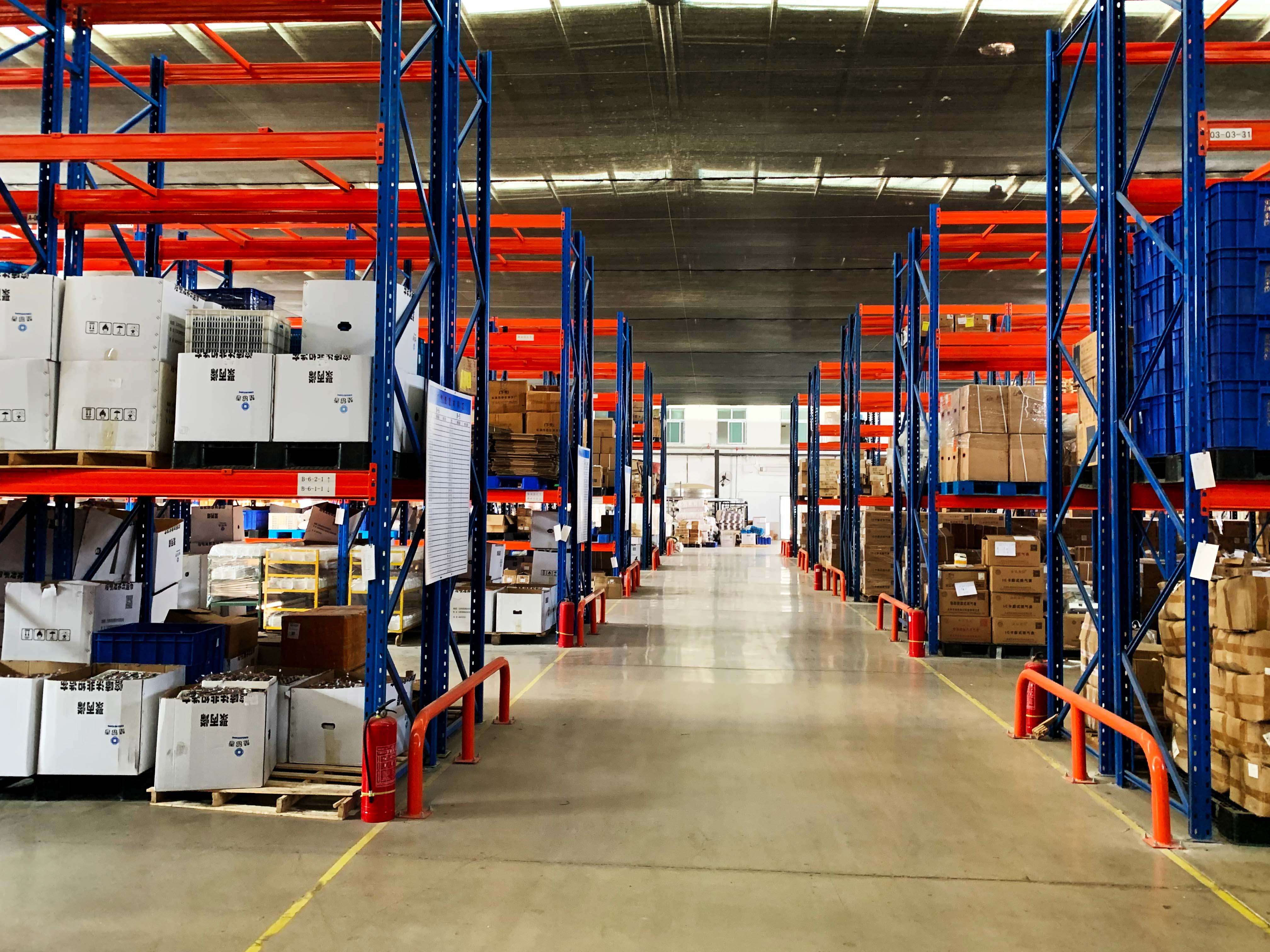
Evaluation & Decision: After a factory audit in October 2024, which confirmed the production and quality control systems, the group selected Tianfei high-tech. The decision drivers were:
- Technical Competence: Valves met the required technical specs, including 4-20mA control with a response time ≤ 0.5s and flow control error < ±2%.
- Cost and Lead Time Advantage: The total solution cost was approximately 25% lower than the international alternative, with a delivery time 40% shorter (order signed in November 2024, delivered within 3 months).
- Full-Service Support: Tianfei high-tech provided on-site installation guidance, commissioning training, and remote technical support.
Documented Outcomes (16+ months of operation): Zero leakage or major failures were reported. The remote monitoring capability reduced maintenance costs by an estimated 40%. The low power consumption design contributed to annual energy savings exceeding 120,000 kWh.
Conclusion: Aligning Supplier Choice with Project Goals
The motorized ball valve procurement landscape is no longer defined by a simple price-quality trade-off. For projects requiring strict adherence to legacy specifications with extensive local service, international brands remain a valid choice. However, for applications demanding cost efficiency, customization, rapid deployment, and modern features like IoT readiness, Chinese manufacturers such as Tianfei high-tech present a compelling and proven alternative. The success in large-scale municipal projects demonstrates their capability to meet high international standards. The strategic procurement approach should therefore prioritize a clear definition of needs, a rigorous technical evaluation, and a holistic cost analysis to identify the optimal partner for sustainable, long-term fluid control solutions.
As industries move towards greater automation and smart water management, suppliers that combine manufacturing scale with agile R&D—such as Tianfei high-tech with its focus on intelligent valves—are positioned to be key enablers of this transition.