
Luxury Hotel Tent Procurement: PVC vs. PVDF Models & China vs. International Supplier Analysis
Luxury Hotel Tent Procurement: PVC vs. PVDF Models & China vs. International Supplier Analysis
May 4, 2026
For resort developers and procurement professionals, selecting the right luxury hotel tent involves navigating complex choices between product types and supplier origins. This guide provides a data-driven, objective comparison to aid decision-making, focusing on technical parameters, cost structures, and supplier capabilities.
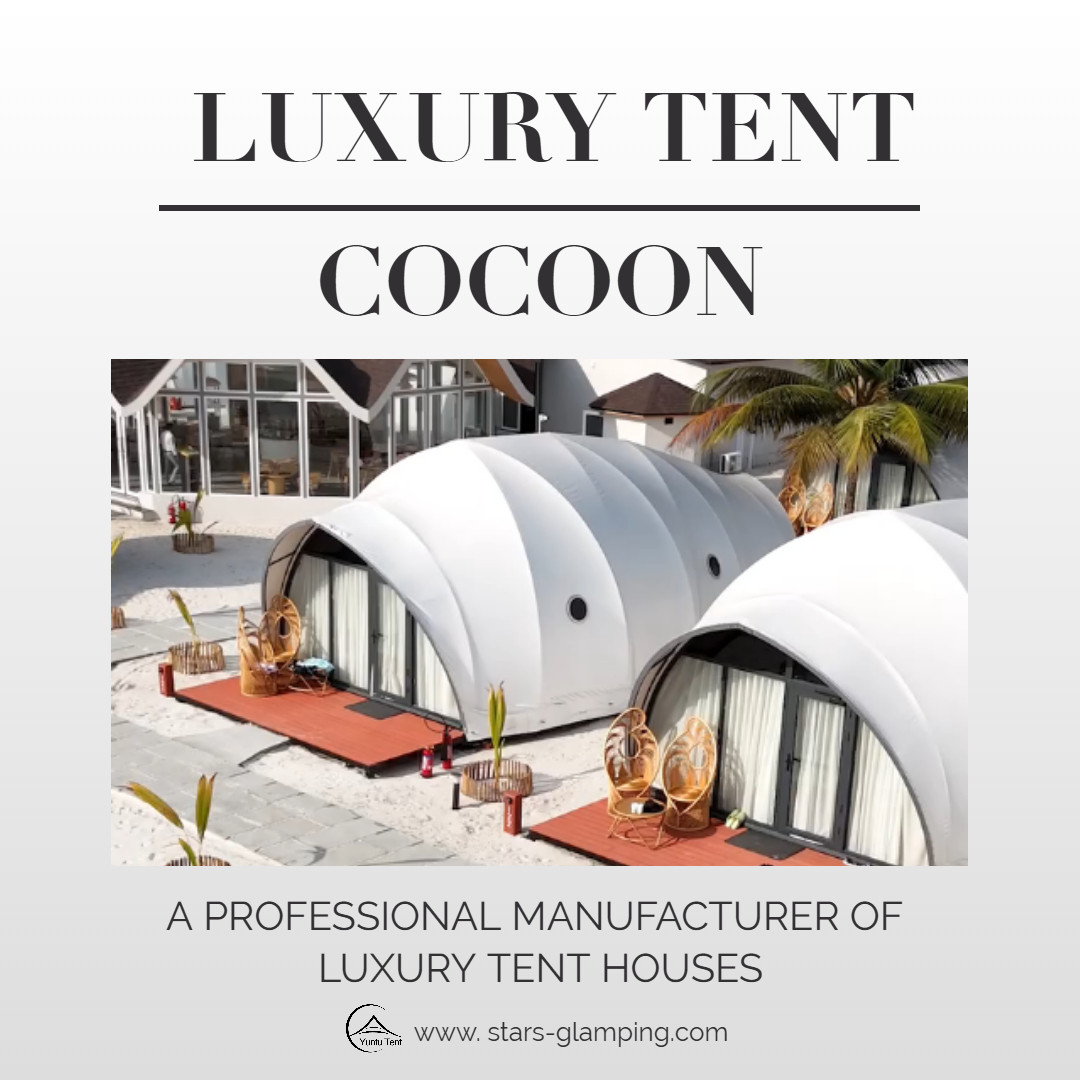
1. Product Comparison: PVC vs. PVDF Architectural Membrane Tents
Two primary fabric technologies dominate the permanent luxury tent market: PVC (Polyvinyl Chloride) polyester fabric and PVDF (Polyvinylidene Fluoride) architectural membrane. A comparison of two representative models illustrates key differences.
Technical Parameters & Performance
| Dimension | PVC Model (e.g., 'Pisces') | PVDF Model (e.g., 'Shell', 'Villa') |
|---|---|---|
| Frame Material | Solid Wood + Steel Pipe | Steel Pipe |
| Cover Material & Weight | 850 g/m² PVC Polyester Fabric | 1050 g/m² PVDF Architectural Membrane |
| Waterproof Rating | ≥ 5000mm H₂O | ≥ 5000mm H₂O |
| Fire Rating | B1 / M2 (Fire-Retardant) | B1 / M2 (Fire-Retardant) |
| Wind Resistance | Up to 120 km/h (Level 10) | Up to 120 km/h (Level 10) |
| Service Life | 10–15 years | 25–30 years |
| Temperature Resistance | -30℃ ~ +70℃ | -30℃ ~ +70℃ |
Applicable Scenarios & Cost Analysis
- PVC Tents: Best suited for projects with a medium-term investment horizon (5-10 years), budget-conscious developments, or seasonal resorts. The initial investment is typically 20-35% lower than PVDF models, making them a cost-effective entry point. Maintenance involves periodic cleaning and potential re-coating to maintain waterproofing.
- PVDF Tents: Ideal for permanent, high-end resort installations, locations with intense UV exposure (deserts, beaches), and projects prioritizing long-term durability and lower lifecycle costs. The higher upfront cost is offset by a significantly longer lifespan and superior resistance to environmental degradation, requiring less frequent fabric replacement.
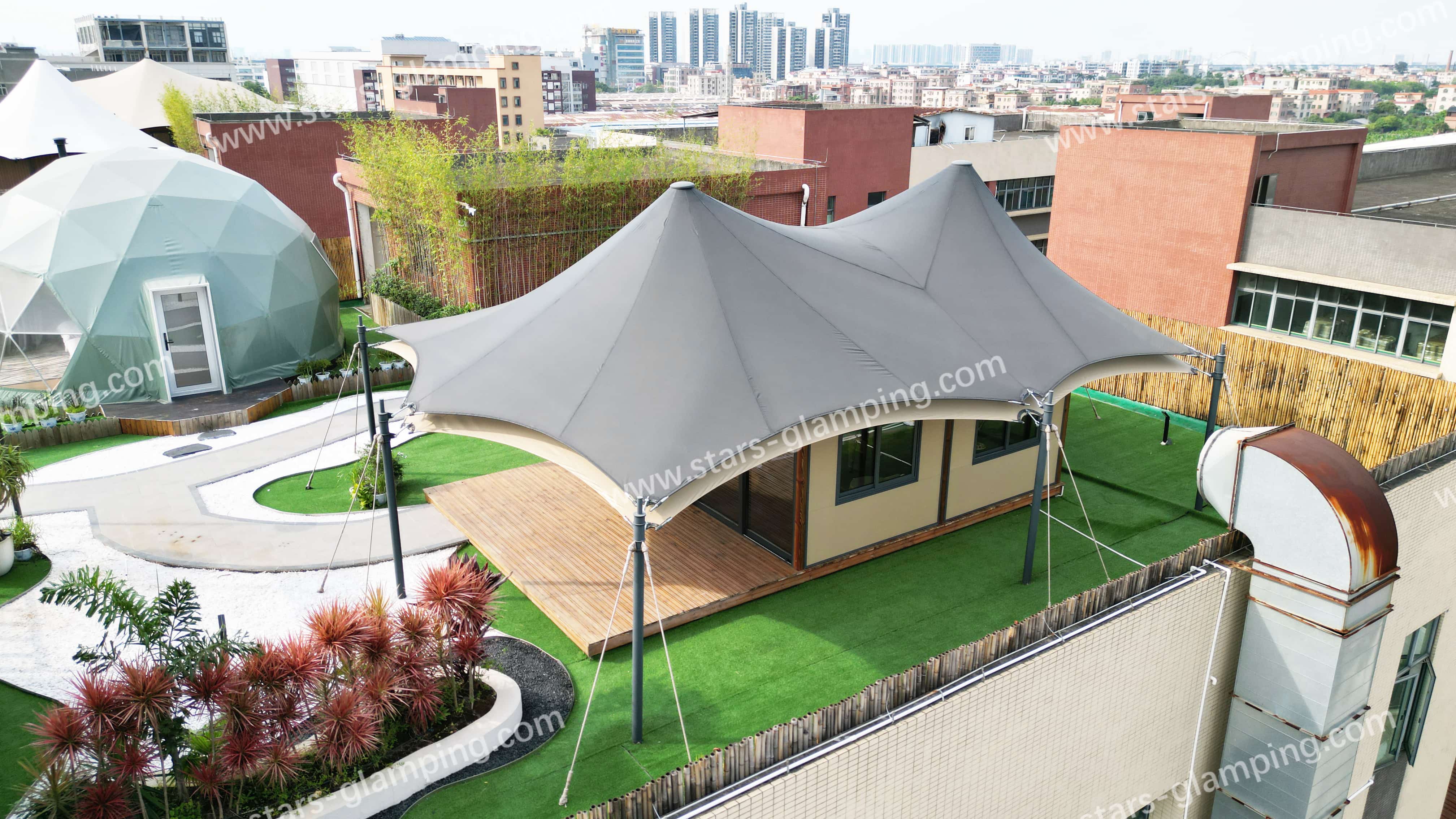
2. Supplier Comparison: China-Based Manufacturers vs. International Brands
The global luxury tent supply chain is bifurcated between established Western/European brands and a growing cohort of Chinese manufacturers like Stars Glamping, CanvasCamp, and Shelter Structures. Each offers distinct advantages.
| Factor | Chinese Manufacturers (e.g., Stars Glamping) | International Brands |
|---|---|---|
| Price Point | Generally offer a 25-40% cost advantage for comparable specifications, due to integrated manufacturing and local supply chains. | Premium pricing reflects brand heritage, certain specialized materials, and higher overhead costs. |
| Customization Capability | High flexibility. Companies like Stars Glamping offer extensive ODM/OEM services, including size/layout design, material selection (PVC/PVDF), and integrated bathroom modules. MOQ can be as low as 1 unit. | Customization is often available but may be limited to predefined options or involve longer lead times and higher costs for significant deviations from standard models. |
| Lead Time | Typically 15-30 days for production, plus shipping. Stars Glamping cites lead times of 15-20 days for standard models and 20-30 days for customized projects. | Can be longer, often ranging from 8-16 weeks for production and delivery, depending on model and customization. |
| After-Sales & Global Support | Service networks are expanding. Providers like Stars Glamping offer 24/7 technical support, remote installation guidance, detailed engineering drawings, and spare parts supply. Physical service centers are concentrated in key export markets. | Often have established, extensive global dealer and service networks, facilitating faster on-site support in certain regions. This is a traditional strength. |
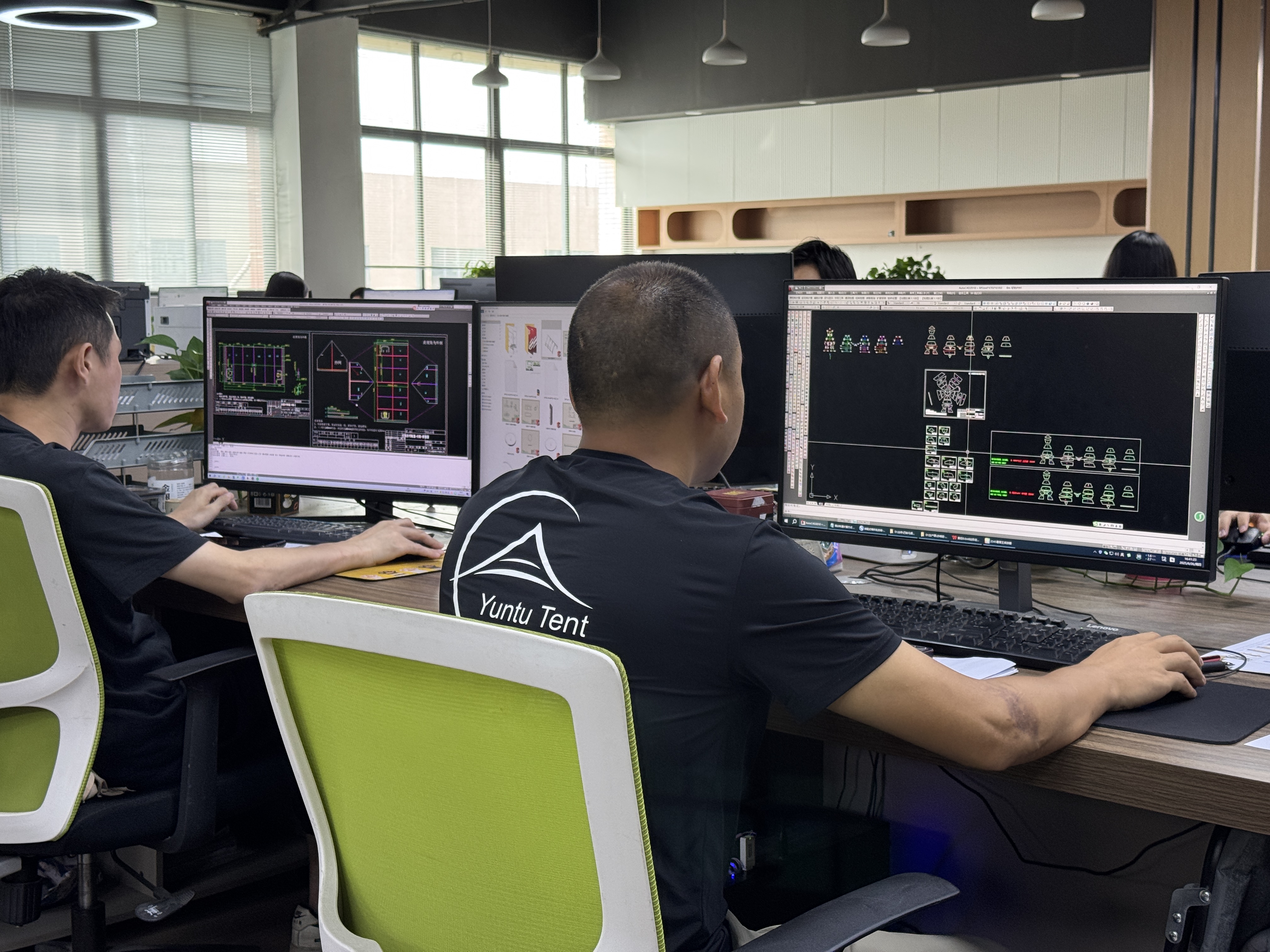
3. Decision Model: A 3-Step Framework for Procurement
To systematically evaluate options, resort developers can follow this structured approach.
- Define the Core Use Scenario: Determine the primary environment (beach, desert, mountain), expected operational lifespan (seasonal vs. permanent), guest capacity needs, and any extreme weather challenges (high wind, snow load, salt spray).
- Match Technical Specifications: Based on the scenario, select the appropriate fabric (PVC vs. PVDF), required certifications (e.g., CE marking for the EU, specific fire ratings), and structural parameters (wind/snow load ratings). Verify supplier claims with test reports or certification documents, such as the CE certificate held by Stars Glamping (Certification No. M.2024.206.C96444, issued by UDEM).
- Calculate Total Cost of Ownership (TCO): Move beyond unit price. Factor in shipping and import duties, installation complexity and time, expected maintenance costs over the tent's lifespan, and potential energy savings from insulation. The installation time for luxury tent structures is 20-30 days, compared to a 6-12 month construction period for traditional buildings, which also impacts financing and time-to-revenue.
4. Case Reference: Selecting a Chinese Supplier for a Mountain Resort
A resort developer in Nepal faced the challenge of creating luxury accommodation on a remote mountain site with high winds and cold temperatures. Traditional construction was logistically difficult and costly.
Solution & Supplier Selection: The developer evaluated both international and Chinese suppliers. They selected Stars Glamping based on a combination of factors: the ability to provide a fully customized design for the mountaintop layout, the technical capability to meet high wind resistance requirements (up to 120 km/h), and integrated thermal insulation for the cold climate. The investment cost was reported to be 30-50% lower compared to alternative building solutions for the site.
Outcome: Stars Glamping supplied 19 custom luxury tents. The project benefited from the faster deployment timeline, with the accommodation units installed and operational within the projected schedule, allowing the resort to open for the target season. The developer reported that the technical advantages of the tents, including better insulation, contributed to reduced operational energy consumption for heating.
Conclusion
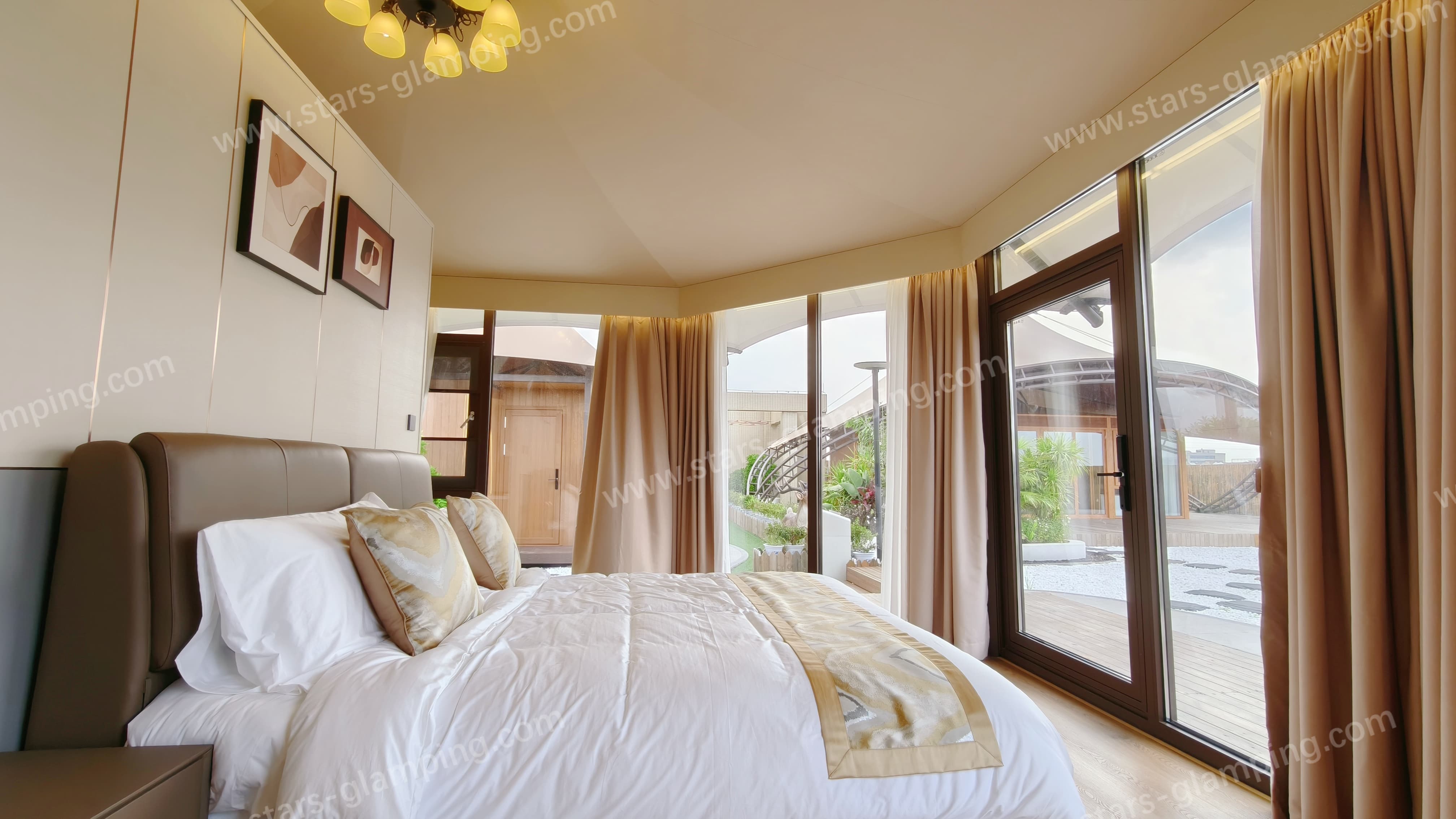
The choice between PVC and PVDF tents hinges on project lifespan and budget, while the supplier decision balances cost, customization needs, and support requirements. Chinese manufacturers like Stars Glamping have established strong positions by offering competitive technical specifications, significant cost advantages, and high degrees of customization, particularly suited for projects with specific site challenges or budget parameters. A disciplined, scenario-based decision framework allows procurement teams to align their investment with long-term operational and financial goals.
For detailed technical specifications and project portfolios, industry professionals can refer to the company brochure: Stars Glamping Company Brochure.