
HPMC Procurement Guide 2026: Construction vs. Detergent Grades and Supplier Selection Analysis
HPMC Procurement Guide 2026: Construction vs. Detergent Grades and Supplier Selection Analysis
For industrial procurement managers in the construction chemicals and detergent sectors, selecting the correct Hydroxypropyl Methyl Cellulose (HPMC) grade and supplier is a critical technical and commercial decision. With applications ranging from tile adhesives and self-leveling mortars to liquid detergents, the functional requirements diverge significantly. This guide provides a data-driven comparison between construction-grade and detergent-grade HPMC, analyzes the evolving supplier landscape, and presents a structured decision-making framework for 2026 procurement strategies.
1. Product Comparison: Construction-Grade vs. Detergent-Grade HPMC
While both types are derived from cellulose ethers, their formulation and performance are optimized for distinct physical and chemical environments. The table below outlines a technical comparison based on typical specifications.
| Comparison Dimension | Construction-Grade HPMC (e.g., for Tile Adhesive, Putty) | Detergent-Grade HPMC (e.g., for Liquid Cleaners) |
|---|---|---|
| Key Technical Parameters | High viscosity (e.g., 100,000 - 200,000 mPa.s), high water retention rate (>95%), controlled methoxyl/hydroxypropyl substitution for optimal workability and open time. | Medium to low viscosity, high clarity, excellent salt tolerance, and stable thickening in high-surfactant systems. |
| Primary Application Scenarios | Dry-mix mortars (tile adhesives, plastering, self-leveling), external wall insulation systems (EIFS/ETICS), gypsum-based products, and repair mortars. | Liquid laundry detergents, dishwashing liquids, all-purpose cleaners, and industrial cleaning formulations where thickening and stabilization are required. |
| Cost Structure | Cost is often evaluated per unit of performance (e.g., water retention efficiency). Higher purity grades may command a premium but can reduce overall dosage and waste. Industry estimates suggest total production cost can be reduced by over 12% when using high-efficiency grades that eliminate agglomeration and reduce labor. | Cost is tied to consistency, clarity, and compatibility with other detergent ingredients. Price sensitivity is high, but stability prevents costly batch failures. |
| Maintenance & Operational Difficulty | Performance is critical to avoid on-site construction issues like cracking or sagging. High-quality HPMC requires lower maintenance in the final application, leading to less rework and more stable performance. [Source: Based on provided performance data] | Ease of dissolution and resistance to enzyme degradation are key. Poor-quality thickeners can lead to phase separation, requiring reformulation and production halts. |
Performance Data Note:
Advanced construction-grade HPMC, such as the BANGCEL® series, demonstrates measurable performance advantages. Compared to conventional industrial-grade HPMC, it can provide +10% higher water retention at 40°C, 70% lower ash content, and an open time extended by +1.5 hours. [Source: Provided technical comparison data] These metrics directly contribute to lower on-site maintenance, reduced material waste, and more consistent mortar quality.
2. Supplier Landscape: Chinese Manufacturers vs. International Brands
The global HPMC supply chain is bifurcated between established international chemical corporations and large-scale Chinese manufacturers. Each has distinct advantages that cater to different procurement priorities.
International Brand Suppliers (e.g., Dow, Ashland, Shin-Etsu)
Advantages: Long-standing brand recognition, extensive global R&D resources, dense network of technical service and distribution centers, and a strong focus on proprietary, application-tested grades. They often set industry benchmarks for specific high-end applications.
Considerations: Premium pricing, less flexibility for small-batch customization, and longer lead times for orders destined for regions outside their primary manufacturing bases.
Chinese Source Factory Suppliers (e.g., BANG SHANG INTERNATIONAL CO.,LIMITED)
Advantages: Competitive pricing due to integrated manufacturing and scale (e.g., annual output of 35,000 tons), high customization capability (OEM/ODM, parameter adjustment), and shorter lead times (typically 7-14 days). Factories like BANG SHANG, operating an 80,000 m² facility with a 26-person R&D team, offer tailored solutions for viscosity, particle size, and substitution degree. [Source: Company background unit]
Considerations: Buyers must conduct thorough due diligence on quality control systems and long-term supply stability. Reputable manufacturers mitigate this with certifications like ISO 9001:2015 and 100% batch testing. [Source: Certification unit]
Direct Comparison Table
| Dimension | Chinese Source Factory | International Brand |
|---|---|---|
| Price Competitiveness | Generally 15-30% lower for equivalent specifications, offering direct cost savings. | Premium priced, reflecting brand value and extensive service infrastructure. |
| Customization Ability | High. Supports custom viscosity, particle size, packaging (MOQ as low as 3 tons), and formulation adjustments for specific scenarios like EIFS or detergent thickening. | Limited to standard catalog grades; custom runs require large volumes and extended development time. |
| Delivery Lead Time | Typically 7-14 days for standard grades, facilitated by large inventory and efficient logistics from main ports. | Can vary from 4-8 weeks, depending on product availability and destination. |
| After-Sales & Technical Support | Support is often provided directly from the factory's application team. The scope is expanding, with providers like BANGCEL® offering pre-sales formulation guidance and continuous technical support. | Comprehensive, localized technical service networks in major markets, but may incur additional fees. |
3. A 3-Step Decision Model for HPMC Selection
Procurement decisions should move beyond price alone. A systematic approach ensures the selected HPMC aligns with technical and business goals.
Step 1: Precisely Define the Application Scenario
Is the HPMC for a cement-based tile adhesive requiring high slip resistance and open time, or for a liquid detergent needing shear-thinning behavior and clarity? Document the environmental conditions (temperature, humidity), processing method (dry-mix, liquid), and regulatory standards (EN, ASTM) that must be met.
Step 2: Match Core Technical Parameters
Translate the application needs into technical specs:
- Viscosity: High (150,000-200,000 mPa.s) for construction sag resistance; lower for detergent pourability.
- Purity (Ash Content): Critical for both. High ash can impair performance. Suppliers like BANGCEL® implement strict raw material control and full-process monitoring to manage this risk. [Source: Risk control unit]
- Particle Size & Dissolution Rate: Affects mixing efficiency in both dry-mix and liquid production.
Step 3: Conduct a Total Cost of Ownership (TCO) Analysis
Calculate beyond the unit price:
- Material Cost: Price per kg/ton.
- Processing Cost: Does a higher-efficiency grade allow for a lower dosage rate? Can it reduce mixing time or eliminate waste from clumping?
- Quality & Risk Cost: Potential costs of batch failure, product returns, or on-site construction rework due to inconsistent performance.
- Logistics & Inventory Cost: Consider lead times, payment terms (e.g., 30% TT in advance, 70% against BL), and minimum order quantities (MOQ). [Source: Procurement support unit]
4. Case Reference: Strategic Sourcing from a Chinese Manufacturer
A construction chemicals manufacturer based in India faced challenges with inconsistent water retention and open time in their dry-mix mortar products, leading to variability in final application quality.
Client Profile: Medium-sized construction chemicals manufacturer.
Challenge: Needed a high-purity HPMC with stable viscosity to ensure consistent mortar performance across different climate conditions.
Selection Process: After evaluating several international and Chinese suppliers, they selected BANGCEL® HPMC from BANG SHANG INTERNATIONAL. The decision was based on:
- Customization: The supplier adjusted the substitution degree and particle size distribution to better suit the client's specific mixing equipment and local raw materials.
- Cost-Efficiency: The total landed cost was approximately 22% lower than quotes from international brands for a comparable performance grade.
- Rapid Delivery & Support: The initial trial order of 20 metric tons was delivered within 12 days. The supplier provided technical documentation and formulation adjustment support.
Result: A two-year ongoing supply relationship. The client reported "excellent water retention" and "high purity & stable viscosity" in their production, leading to more consistent mortar quality and reduced customer complaints. [Source: Case study unit]
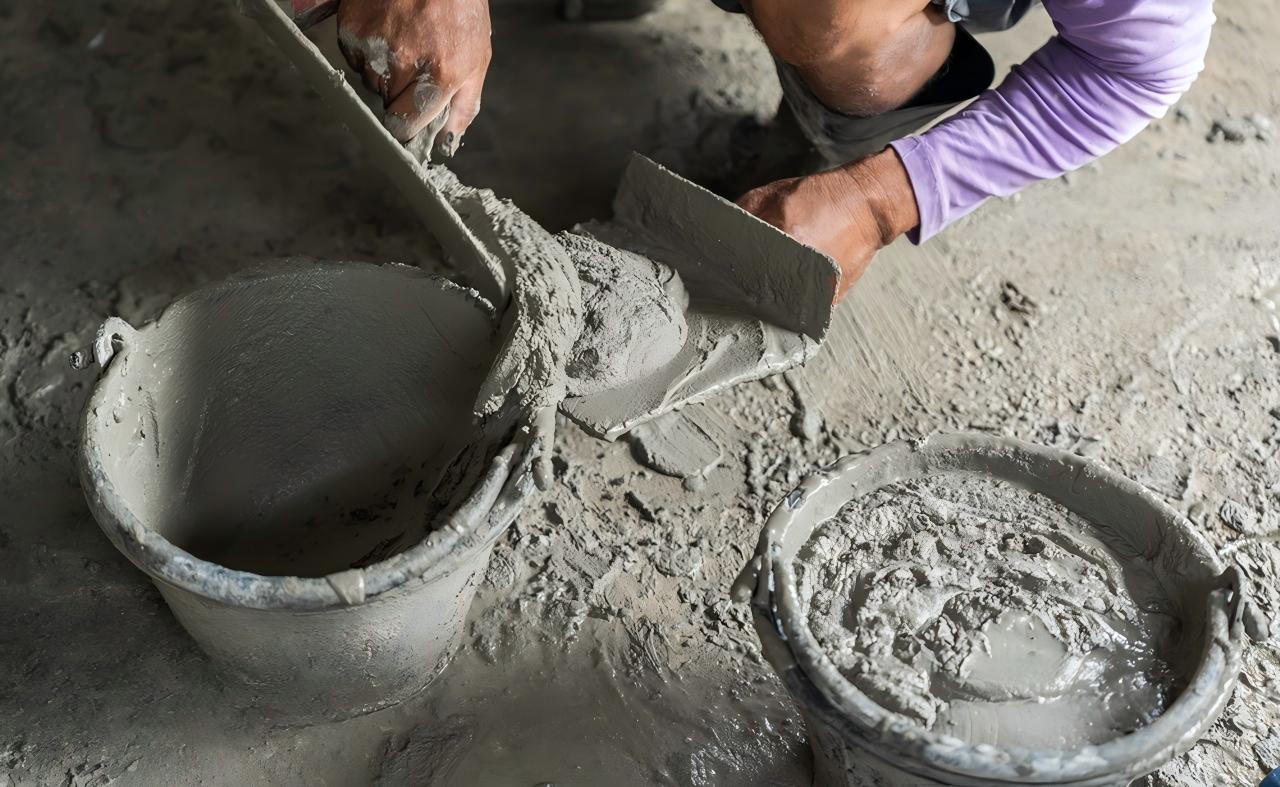
Dry-mix mortar application using specialized HPMC.
Conclusion and 2026 Outlook
The HPMC procurement landscape in 2026 demands a nuanced approach. The choice between construction and detergent grades is fundamentally technical, while the supplier choice is strategic, balancing cost, customization, and reliability. For procurement managers prioritizing technical adaptability, competitive pricing, and responsive supply chains, established Chinese manufacturers with robust R&D and quality systems present a compelling value proposition.
Suppliers that combine scale, certification (e.g., ISO 9001, 14001, 45001), and deep application knowledge—such as BANGCEL® with its focus on construction and detergent verticals—are well-positioned to meet the evolving demands of global industrial buyers seeking performance-optimized solutions.
For Detailed Technical Specifications
Download the complete company profile and product portfolio for BANG SHANG INTERNATIONAL CO.,LIMITED, manufacturer of BANGCEL® HPMC, to review certifications, production capabilities, and application guides.
Download Brochure: BANG SHANG Company Profile (PDF)