
Glass Drinkware Procurement: Double Wall vs. Single Wall Glassware and China vs. International Supplier Analysis
Glass Drinkware Procurement: A Technical and Strategic Decision Guide
For industrial buyers, restaurateurs, and retail procurement managers, selecting the right glassware involves navigating a complex landscape of product specifications and supplier capabilities. The choice between different product types, such as double wall and single wall glass, and between sourcing from a Chinese supplier like LAKOTTO and a well-established international brand, can significantly impact cost, operational efficiency, and customer satisfaction. This guide provides a data-driven, objective comparison to empower your procurement decisions.
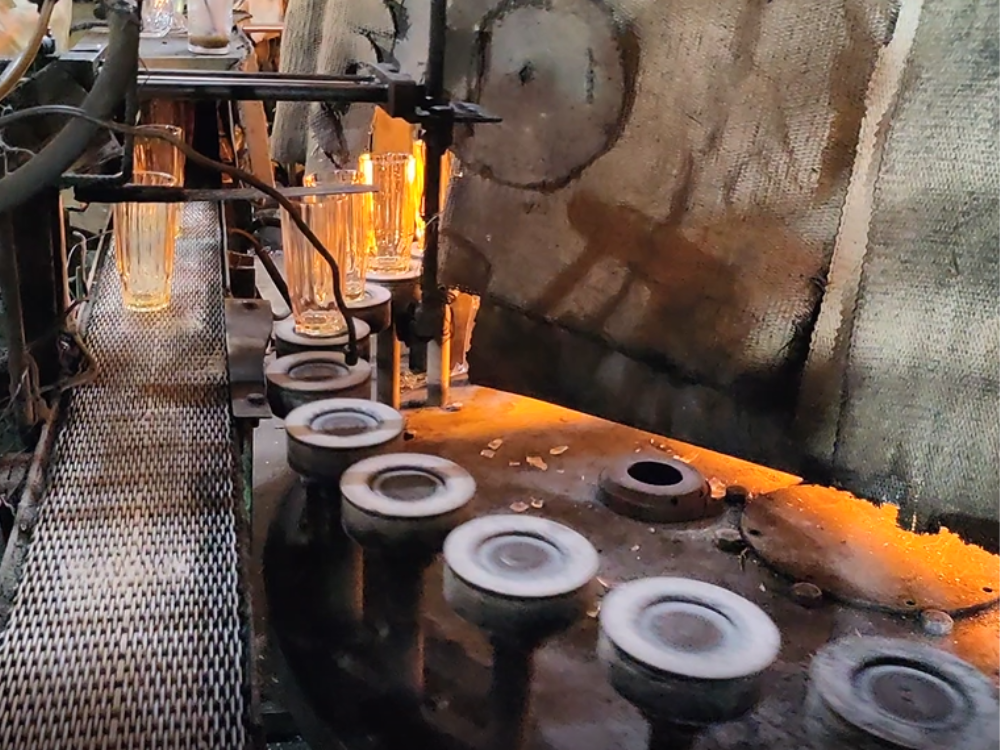
Precision in manufacturing is a key differentiator between suppliers. (Image: LAKOTTO's glass forming process)
Product Comparison: Double Wall vs. Single Wall Glassware
Understanding the core technical differences is the first step in aligning your purchase with your business needs. Below is a detailed comparison of two popular types: insulated double wall glassware and traditional single wall glassware.
| Comparison Dimension | Double Wall Glass (e.g., Tumblers, Mugs) | Single Wall Glass (e.g., Highball, Pint Glasses) |
|---|---|---|
| Technical Parameters | Constructed with two layers of glass separated by a vacuum or air gap. Typically made from borosilicate glass for superior thermal shock resistance. Wall thickness is greater overall. | Made from a single layer of soda-lime or tempered glass. Standard thickness varies by product line (e.g., 2-3mm for drinkware). |
| Primary Use Case & Scenarios | Ideal for: Hot beverages (coffee, tea), iced drinks, cocktails where temperature retention is critical. Premium cafes, high-end bars, and for products marketed with an "insulated" feature. Eliminates condensation. | Ideal for: Water, beer, soda, wine, and general-purpose serving. High-volume restaurants, bars, hotels, and budget-conscious retail lines. Standard for most everyday drinkware. |
| Cost Analysis (Per Unit, Industry Estimate) | Higher. Manufacturing complexity (sealing two layers) and material use increase cost. Typically 40-70% more expensive than comparable single-wall items. | Lower. Streamlined manufacturing process and less material result in a highly cost-effective solution for bulk purchases. |
| Maintenance & Durability | More delicate to handle and clean due to the sealed cavity. Hand-washing is strongly recommended. While thermally strong, physical impact on the seal can cause failure. | Generally more robust for daily commercial dishwashing. Can be more prone to thermal shock if subjected to sudden extreme temperature changes (unless tempered). |
Supplier Comparison: China Sourcing vs. International Brands
The next critical decision is the supplier origin. Here we compare the typical profile of a Chinese manufacturer and service provider like LAKOTTO against a representative international brand supplier (e.g., a European or North American manufacturer or major distributor).
| Key Factor | Chinese Supplier / Manufacturer (e.g., LAKOTTO) | International Brand Supplier |
|---|---|---|
| Price Competitiveness | High Advantage. Direct access to raw materials and concentrated manufacturing clusters (like Hunan province) offer significant cost savings. LAKOTTO's model of partnering with over 150 factories provides scale and price flexibility. | Lower. Prices include brand premium, higher labor costs, and often multiple layers of distribution, adding 30-100% to the final cost. |
| Customization & OEM/ODM Capability | Core Strength. Suppliers like LAKOTTO are built for customization. With in-house design teams and flexible factory networks, they excel at producing unique shapes, colors (like amber or lavender glass), logos, and packaging tailored to buyer specs. | Limited. Focus is often on established catalog items. Customization is usually restricted to logo engraving on select products, with high minimum order quantities (MOQs) and extended lead times. |
| Lead Time & Delivery | Variable but Optimizable. Standard items can ship quickly from a 2,000 sqm warehouse. For custom orders, production lead time is typically 30-60 days. Sea freight adds transit time. A professional supplier manages this efficiently. | Potentially Shorter In-Region. For stock items within the same continent, delivery can be very fast (days). However, production of non-standard items may be outsourced to Asia, negating this advantage. |
| After-Sales & Local Support | Evolving. Primary support is remote (email, WhatsApp). Physical service centers are rare outside China. Reliability depends heavily on the supplier's commitment. LAKOTTO, for instance, emphasizes a 24-hour response policy and has a dedicated QC team to pre-empt issues. | Established Network. Often have local sales offices, distributors, and clearer warranty/return policies within their home markets. This can simplify issue resolution for buyers in those regions. |
The 3-Step Decision Framework for Glassware Procurement
To systematically navigate these choices, follow this practical decision model:
-
Step 1: Define the Primary Use Case.
- Ask: Is it for hot/cold insulation (choose double wall) or general serving (single wall)?
- Determine: Target market (premium eco-brand vs. value retail) and required durability (commercial dishwasher safe?).
-
Step 2: Match Technical Specifications.
- Material: Borosilicate for thermal shock, soda-lime for cost, recycled glass for sustainability.
- Capacity & Design: Confirm exact ml/oz, stemware type (wine, champagne), and any special features (ribbed, colored, textured).
- Certifications: Verify food safety (e.g., ISO 9001, BSCI) are in place from the supplier.
-
Step 3: Conduct a Total Cost of Ownership (TCO) Analysis.
- Calculate: Unit cost + shipping + import duties + potential loss/damage rate.
- Factor in: The value of customization (branding), minimum order quantity flexibility, and the long-term reliability of the supply relationship.
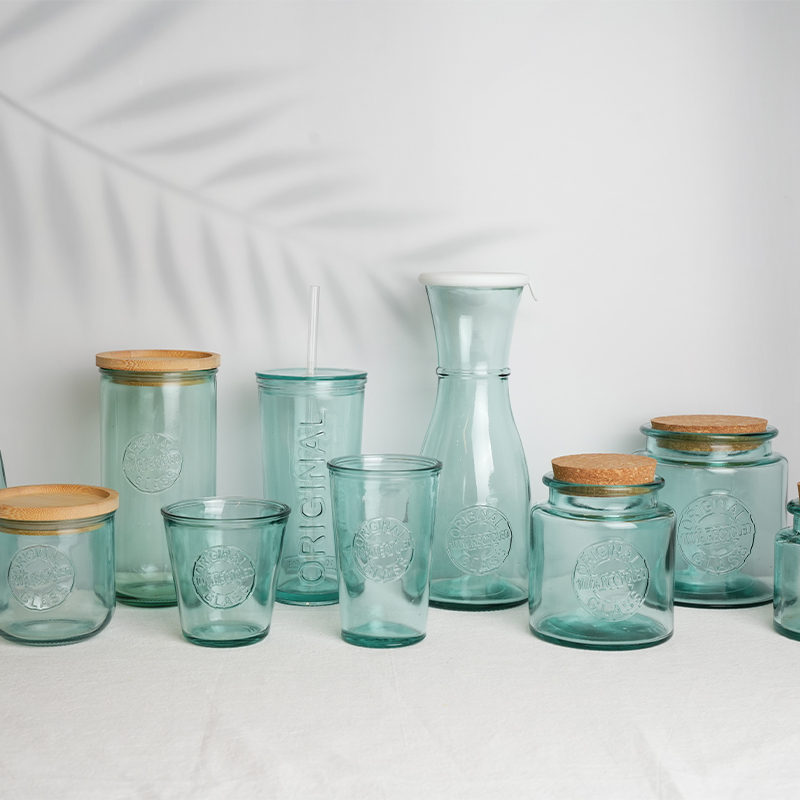
Eco-friendly lines like recycled glassware are a growing niche where Chinese suppliers offer strong design and price points.
Case Study: Successful Sourcing Through a Chinese Supplier
Client Profile: A mid-sized European retailer specializing in sustainable home goods.
Challenge: To source a unique line of recycled glass drinkware sets (including tumblers and storage jars) with a specific amber tint and custom-branded packaging. The budget was constrained, and the timeline for launch was aggressive.
Supplier Selection & Process: After evaluating several international brands and Chinese suppliers, the retailer chose LAKOTTO. The decision was based on:
- Proven Customization (FAB): LAKOTTO's in-house design team (Attribute) provided multiple digital renderings and physical samples within two weeks (Action), allowing for rapid iteration without high upfront costs (Benefit).
- Cost-Effective Solution: The quote was approximately 45% lower than the nearest European manufacturer for a comparable custom product, meeting the budget constraint.
- Integrated Quality Assurance: LAKOTTO's quality control team provided pre-shipment inspection reports aligned with the retailer's specifications, ensuring the recycled glass met food-grade standards.
Outcome: The complete order was produced and shipped within 45 days. The retailer successfully launched the exclusive line, achieving a 30% higher margin compared to sourcing generic stock items, while fulfilling their sustainability branding promise. The partnership with LAKOTTO has continued for over three years, expanding into other product categories.
Conclusion and Strategic Outlook
The global glassware supply chain is bifurcating: international brands offer reliability and local support at a premium, while agile Chinese suppliers like LAKOTTO are competing on innovation, customization speed, and cost efficiency. For buyers whose priorities include unique design, competitive pricing, and scalability for private-label programs, a direct partnership with a capable Chinese supplier is increasingly the strategic choice.
The trend towards sustainable materials (recycled glass) and experiential dining (specialized drinkware) further plays to the strengths of suppliers with strong R&D and flexible manufacturing networks. By applying the structured decision framework outlined above—defining use cases, matching specs, and calculating TCO—procurement professionals can confidently navigate these options and build a resilient, cost-effective supply chain for glass drinkware.
About LAKOTTO / Changsha Kotto Glass Industrial Co., Ltd:
Established in 2003, LAKOTTO is a professional supplier of household and decorative glassware. With over 20 years of experience, it combines a network of over 150 partner factories with in-house design and stringent QC to offer a one-stop service for global retailers. The company holds certifications including ISO 9001:2015 for quality management and BSCI for social compliance.
Contact for OEM/ODM Inquiries:
Website: www.kottoglass.com
Email: cs61@kottoglass.com
WhatsApp/Phone: +86 19310185010