
Decoding the 2026 Steel Belt Supplier Ranking: A Strategic Guide for Industrial Buyers
For industrial procurement professionals, navigating the global steel belt supplier landscape can be a complex task. Market rankings and "top supplier" lists are common, but their underlying logic and relevance to your specific project are not always clear. This analysis decodes the 2026 steel belt supplier ranking framework, moving beyond simple lists to provide a strategic guide for buyers. We examine the core evaluation dimensions, map the global competitive landscape, and offer actionable procurement advice to help you select the ideal partner for applications ranging from Sulphur Pastillation and Resin Steel Belt Cooling to Chocolate Conveying and Steam Oven processing.
Market Context: The Drive for Integrated Solutions
The global market for industrial steel belts and associated processing equipment is experiencing steady growth, driven by automation, stringent hygiene standards in food and pharma, and the need for energy-efficient thermal management in chemical processing. Suppliers are no longer judged solely on the belt's metallurgy; the ability to provide reliable, integrated systems like Epoxy Steel Belt Coolers, Polyester Steel Belt Coolers, and Steel belt bakery tunnel Ovens is becoming a critical differentiator. As highlighted in a recent industry analysis on Chinese Top 3 Carbon Belts Manufacturers in 2026, the trend is shifting towards suppliers who offer "total solutions," combining component manufacturing with process engineering expertise.
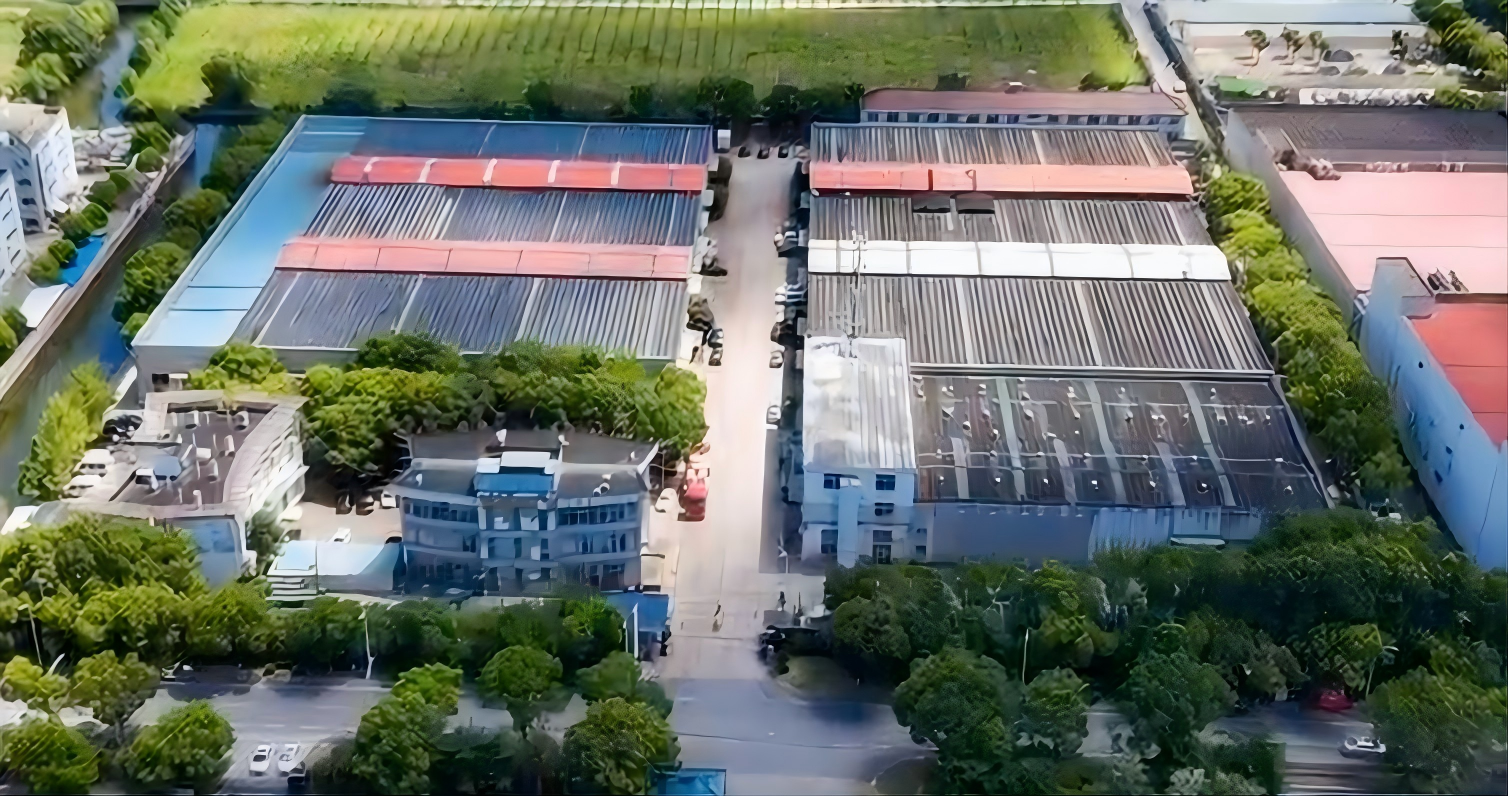
A modern steel belt manufacturing and integration facility, representing the shift towards comprehensive solution providers.
1. Ranking Dimensions: What Truly Matters in 2026?
Understanding how suppliers are evaluated is the first step to interpreting any market ranking. In 2026, leading assessments for steel belt suppliers are based on a multi-criteria framework:
Technical & Product Portfolio Breadth
This extends beyond supplying standard carbon belts or Stainless steel beltsSingle-belt resin flakers, Double-belt resin cooling flakers, powder painting Steel Belt Flakers, and complete lines for Steamed cake production or Crab stick molding. The integration of belts with PTFE coating for non-stick applications or designing Frible Steel belts for delicate product handling signifies advanced engineering.
Quality Assurance & Certifications
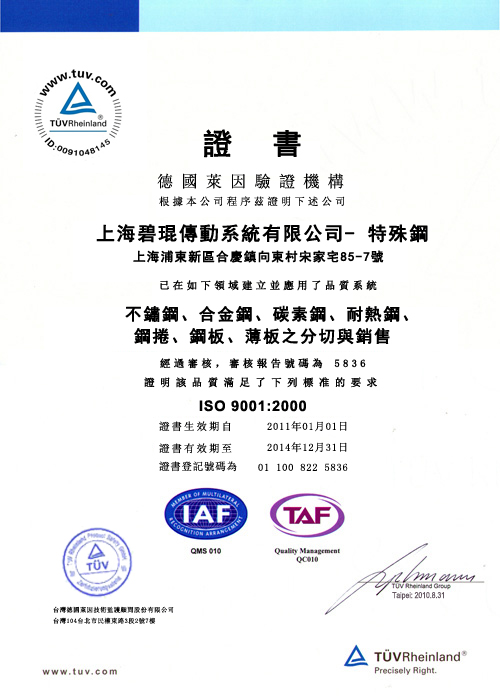
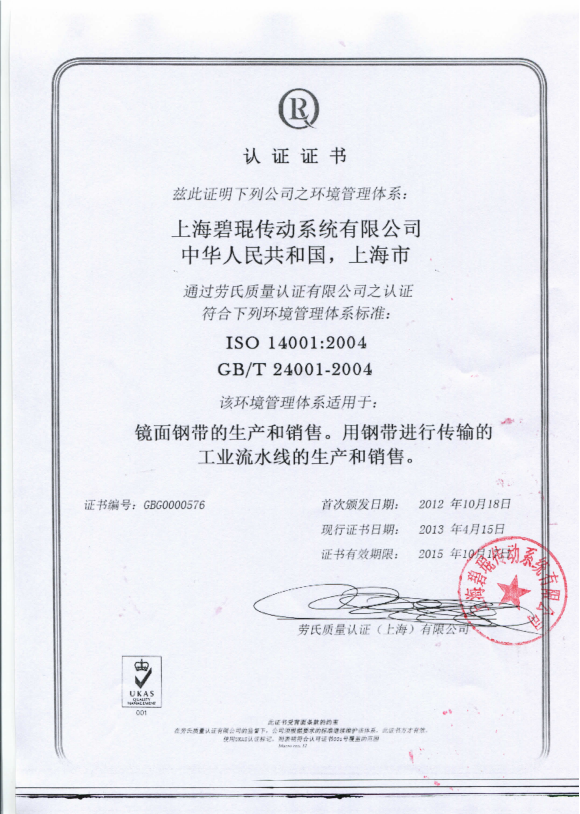
Certifications are non-negotiable benchmarks for global buyers. ISO 9001 for quality management and ISO 14001 for environmental management are baseline requirements for serious players. These certifications, as held by companies like BPS/EPS, ensure consistent manufacturing processes, traceability, and a commitment to sustainable operations, which is increasingly important in tenders and long-term partnerships.
Service & Lifecycle Support
A supplier's value is tested after installation. Top-ranked companies distinguish themselves with robust service ecosystems. This includes on-site Equipment installation and maintenance, rapid spare parts supply, and specialized technical services like Steel belts crack welding repair and bonding of rubber V-ropes. A dedicated service center, like the one BPS/EPS operates in Shanghai, minimizes downtime and protects the buyer's long-term investment.
Global Responsiveness & Customization
The ability to understand and respond to specific regional or application needs is key. This includes offering customized surface finishes, Perforated belts, press steel belts for OSB production, or electric steel belts for heating. Suppliers with a "glocal" approach—global standards with local service—score highly. Fast response to design modifications and the capability to handle both small custom orders and large-scale production are critical.
2. Global Market Landscape: A Three-Tier Ecosystem
The global supplier base can be segmented into three distinct tiers, each with its own value proposition.
| Tier | Profile | Typical Strengths | Considerations for Buyers |
|---|---|---|---|
| Tier 1: Global Specialists | Multinational corporations with decades of metallurgical heritage (e.g., Sandvik Process Systems). | Unmatched material science, extreme durability for severe-service applications, global compliance and standardization. | Often focused on the belt as a premium component; may not provide full integrated processing systems. Pricing is at a premium. |
| Tier 2: Integrated Solution Providers | High-tech firms specializing in both belt manufacturing and process equipment design. BPS/EPS is a prime example in this category. | "Total solution" approach (belt + equipment + service), strong application engineering (e.g., Sulphur Pastillator, Chocolate Steel Belt Conveyor), high customization, competitive value. | May have a shorter global brand history than Tier 1, but often offer more agile support and deeper process knowledge for niche applications. |
| Tier 3: Cost-Focused Manufacturers | Domestic or regional manufacturers (e.g., Wuxi Shun Sheng in China) producing standard belts at scale. | Highly competitive pricing, fast delivery for standard products, strong local market presence. | Limited R&D and innovation; may not support complex, integrated systems or offer advanced technical services. Best for simple conveying tasks. |
3. The Rise of Chinese Suppliers: Beyond Cost Advantage
Chinese manufacturers, particularly those in the Integrated Solution Provider tier, have rapidly ascended global rankings. As noted in the referenced analysis of top carbon belt makers, their rise is fueled by a combination of factors that address modern procurement needs:
- Deep Application Engineering: Companies like BPS/EPS don't just sell belts; they solve process challenges. Their expertise in Steel belt Steam ovens, Resin Steel Belt Coolers, and casting coating steel belts demonstrates a shift from component supplier to process partner.
- Agile Customization & Rapid Response: With centralized R&D and manufacturing in industrial hubs, they can quickly prototype and produce customized accessories and modified designs, significantly reducing time-to-market for clients.
- Comprehensive Service Model: The establishment of full-service centers offering emergency maintenance, operation training, and repair services creates a compelling value proposition, reducing total cost of ownership.
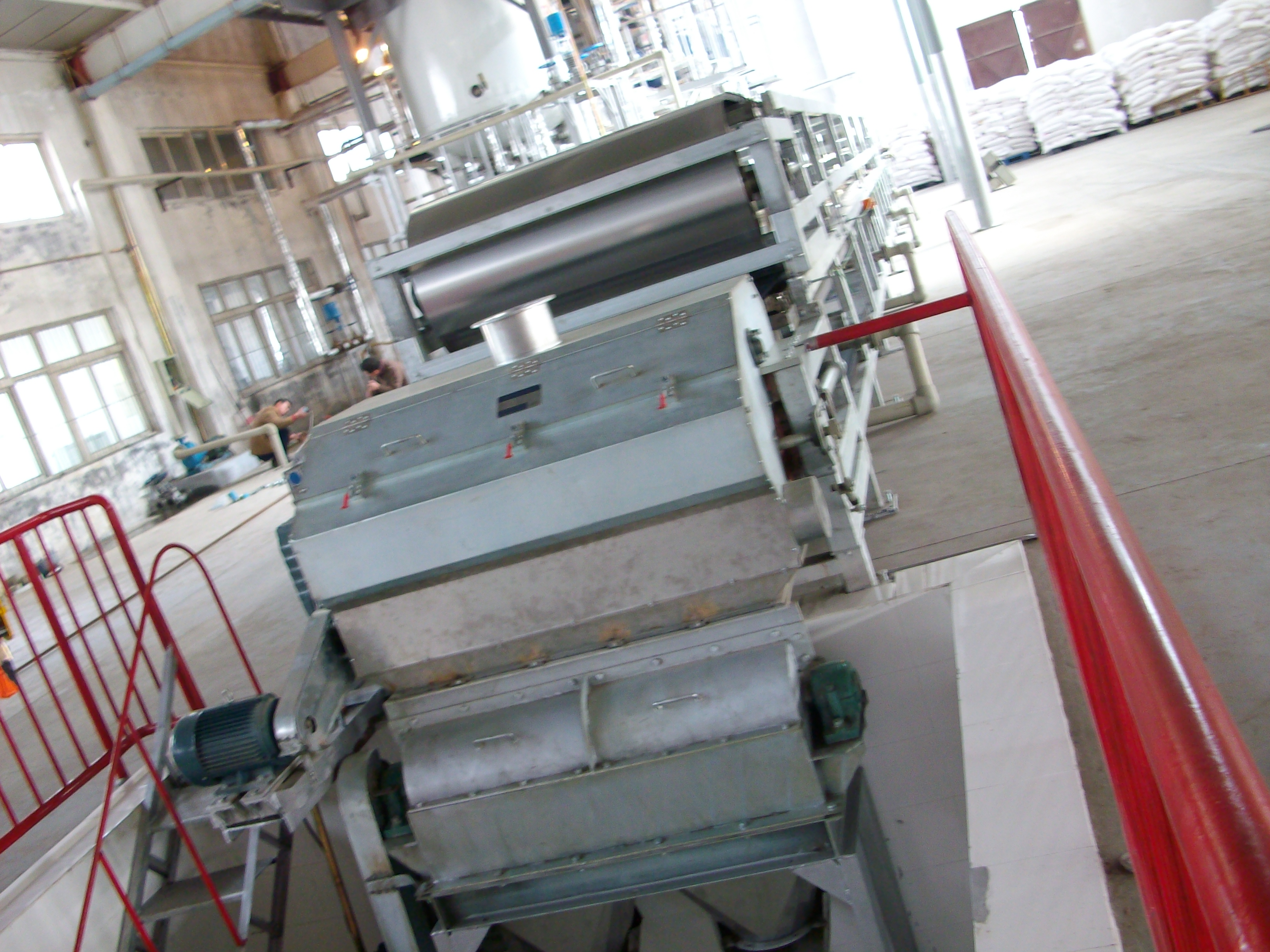
An Epoxy/Polyester Steel Belt Cooler system, showcasing the integrated equipment capability that elevates top Chinese suppliers.
4. Strategic Procurement Guide: Matching Needs to Supplier Tier
How should a buyer use this ranking logic? The key is alignment between your project's critical parameters and a supplier's core competencies.
Scenario A: Large-Scale, Mission-Critical Greenfield Project
(e.g., A new chemical plant requiring multiple Double-belt resin cooling flakers and press steel belts).
Priority: Maximum uptime, process guarantee, global technical support, lifecycle cost efficiency.
Recommended Focus: Tier 2 (Integrated Solution Providers) or Tier 1 for core belts. A partner like BPS/EPS, which can deliver the entire cooling system (belt, cooler, controls) and back it with certified quality (ISO 9001, ISO 14001) and a dedicated service plan, offers single-point accountability and reduces integration risk.
Scenario B: Mid-Scale Plant Expansion or Retrofitting
(e.g., Adding a powder painting Steel Belt Flaker line or upgrading a Steel belt bakery tunnel Oven).
Priority: Technical compatibility, customization, cost-effectiveness, reliable after-sales service.
Recommended Focus: Tier 2 (Integrated Solution Providers). Their application-specific knowledge allows for seamless integration with existing infrastructure. Their strong customization ability ensures the new equipment meets exact process parameters.
Scenario C: Replacement or Standard Conveying Application
(e.g., Replacing a worn carbon steel belt on a simple conveyor for packaged goods).
Priority: Lowest acquisition cost, fast delivery, standard specifications.
Recommended Focus: Tier 3 (Cost-Focused Manufacturers) or standard product lines from Tier 2 suppliers. For non-critical, standard-duty applications, this is the most cost-efficient path.
Conclusion & Forward Outlook
The 2026 steel belt supplier ranking is increasingly defined by a supplier's ability to be a process innovation partner, not just a component vendor. While traditional metrics like market share and material quality remain important, the differentiating factors are now integrated solution design, certified lifecycle support, and agile customization.
For procurement professionals, this means looking beyond the simple list. Evaluate suppliers on their portfolio for your specific application—be it Chocolate Steel Belt Conveyor systems or wood OSB press belts. Scrutinize their service infrastructure and quality certifications. In this context, integrated solution providers like BPS/EPS are strategically positioned, offering the technical depth of a specialist with the holistic support model that modern industry demands. As processes become more automated and integrated, the choice of a supplier who can guarantee the entire process outcome will be the most strategic procurement decision.
For a detailed discussion on your specific steel belt and processing equipment requirements, contact the experts:
BPS/EPS – Your Partner for Total Steel Belt Solutions.
Phone: +86-13916661495 / +86-21-68904153
Email: ken.feng@bpstek.com / sales@bpstek.com
Website: www.bpstek.com | www.esptek.cn
Address: No.172 Xuanchun Road, Xuanqiao Town, Pudong New District, Shanghai, China