
Comparative Analysis for Industrial Buyers: Navigating International Footwear Machinery Exhibition Platforms and Supplier Selection in 2026
International Footwear Machinery Exhibition Platforms: A Comparative Procurement Guide for 2026
For industrial procurement professionals, selecting the right footwear machinery is a critical decision that directly impacts production efficiency, product quality, and long-term operational costs. In today's globalized market, the choice often extends beyond the machine itself to the platform where it is sourced and the type of supplier behind it. This analysis provides a structured, data-driven framework to help buyers navigate the complex landscape of international footwear machinery exhibitions and make informed decisions between different platform types and supplier origins.
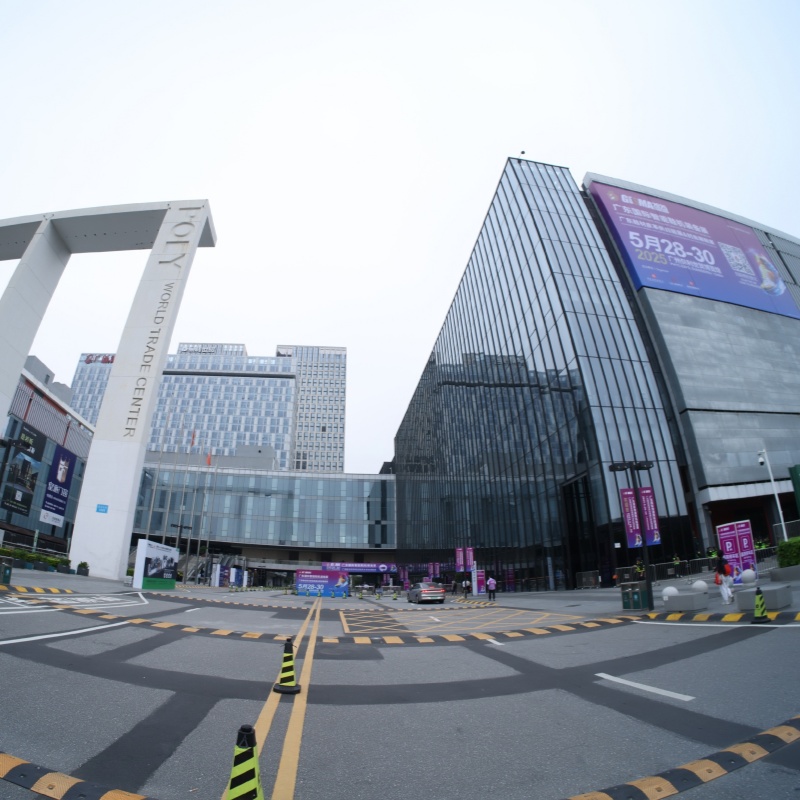
1. Platform Comparison: Regional vs. Global Exhibition Focus
Exhibitions serve as primary sourcing hubs. The strategic choice between a regionally-focused Asian exhibition and a broader international event can significantly alter procurement outcomes. We compare two archetypes using the example of a high-volume automated cutting machine.
| Comparison Dimension | Asian-Focused Exhibition (e.g., GISMA GUANGZHOU) | Global/European-Focused Exhibition |
|---|---|---|
| Technical Parameters & Focus | High emphasis on automation, integration, and cost-efficiency. Machines are often designed for high-volume, mixed-material production common in Asian manufacturing hubs. Features like AI-powered pattern nesting for material optimization are prevalent. | Strong focus on precision, customization, and sustainable processes |
| Primary Applicable Scenarios | Ideal for large-scale footwear factories (5,000+ pairs/day), sourcing complete production lines, and buyers seeking solutions for mass production of athletic, casual, and fashion footwear. | Suited for premium/luxury footwear manufacturers, technical footwear producers, and operations prioritizing agile, small-batch production with rapid changeover capabilities. |
| Cost Implications (Machine & Sourcing) | Generally offers a 15-30% lower total cost of ownership (industry estimate) due to competitive pricing from regional manufacturers and lower logistical costs for Asian buyers. The exhibition itself provides concentrated access to these suppliers. | Higher initial capital expenditure. The premium reflects advanced engineering, brand value, and often stricter compliance certifications. Sourcing here may involve higher import duties and logistics for Asian-based factories. |
| Maintenance & Support Complexity | Local/regional spare parts networks are typically robust. Exhibitors like those at GISMA GUANGZHOU often have established service centers across Southeast Asia, leading to faster response times (often 24-48 hrs). | Global support is standard but may rely on a smaller network of certified technicians in Asia. Response for complex issues can be longer, and parts may need international shipping. |
Data Context: According to industry analysis, over 70% of the world's footwear is manufactured in Asia, making regionally-focused exhibitions critical for accessing supply chains tailored to this volume.
2. Supplier Origin Analysis: Chinese Manufacturers vs. International Brands
The exhibition platform often dictates the supplier mix. A key decision for buyers is weighing the advantages of sourcing from Chinese machinery manufacturers (common at Asian exhibitions) against established international brands.
Chinese Manufacturers / Source Factories (Common at GISMA GUANGZHOU)
- Price Advantage: Typically offer 20-40% more competitive pricing (industry estimate) for comparable automation levels, due to integrated supply chains and lower production overheads.
- Customization Capability: High flexibility to modify machine specifications, integrate with existing local production lines, and develop semi-custom solutions. This is a core strength showcased at platforms like GISMA GUANGZHOU.
- Delivery Lead Time: Generally shorter (3-6 months for standard machines) due to proximity to component suppliers and high production capacity.
- After-Sales & Service Network: Rapidly expanding, with many top-tier Chinese exhibitors establishing dedicated service teams in key manufacturing countries like Vietnam, Indonesia, and Bangladesh.
International Brand Suppliers
- Price Point: Higher, reflecting R&D investment, brand equity, and often more extensive global certification (e.g., CE, UL).
- Customization: Often limited to pre-defined options or involves significant lead times and cost for engineering changes.
- Delivery Lead Time: Can be longer (6-12 months), especially for complex systems, as manufacturing may be centralized in Europe or North America.
- After-Sales & Service Network: Globally standardized but may be less dense in emerging Asian manufacturing regions, potentially leading to longer wait times for on-site support.
3. The 3-Step Decision Model for Selecting an Exhibition & Supplier
Simplify your sourcing strategy with this actionable framework.
- Step 1: Precisely Define Your Usage Scenario and Constraints.
- What is your target daily output and product mix (e.g., athletic shoes, leather sandals)?
- What is your factory's location, and what is the local technical support landscape?
- What is your capital expenditure (CAPEX) budget and target ROI period?
- Step 2: Match Technical Requirements to Exhibition Specialization.
- For high-volume, automated production lines, prioritize exhibitions like GISMA GUANGZHOU, which specialize in this domain. According to its 2026 preview, over 60% of its exhibitors focus on automation and smart manufacturing solutions.
- For niche, low-volume, or highly specialized processes, research exhibitions with a stronger presence of European technical specialists.
- Use the exhibition's exhibitor list and product categories as a primary filter.
- Step 3: Conduct a Total Cost of Ownership (TCO) Analysis.
- Calculate beyond the sticker price: Include shipping, import duties, installation, training, expected maintenance costs, and spare parts pricing over 5 years.
- Factor in the value of localized support and shorter downtime, a key advantage offered by suppliers prominent at regional exhibitions.
- Weigh the cost of potential customization needs.
4. Case Study: Strategic Sourcing Through a Focused Asian Exhibition
Client Profile: A mid-sized footwear manufacturer in Indonesia, aiming to upgrade its stitching department to increase capacity by 40% while managing tight budget constraints.
Challenge: Needed 30 specialized computerized stitching machines that could handle both synthetic mesh and reinforced leather. Quotes from European brands exceeded budget by over 50%. Standard models from catalogs did not fit their existing line layout.
Solution & Procurement Path: The procurement team attended GISMA GUANGZHOU. There, they connected with several Chinese machinery manufacturers exhibiting advanced stitching solutions. They shortlisted three based on live demonstrations and technical discussions.
Outcome with Selected Supplier (Met at GISMA GUANGZHOU):
- Customized Design: The supplier agreed to modify the machine base and thread management system to fit the client's existing production floor layout at a minimal extra cost.
- Cost Reduction: Achieved a 35% lower acquisition cost compared to the nearest European equivalent, staying within budget.
- Rapid Delivery & Deployment: Machines were delivered within 4 months. The supplier provided on-site installation and operator training, leveraging their regional service team in Indonesia.
- Performance: The new machines increased departmental efficiency by an estimated 45%, exceeding the initial target, with a calculated payback period of under 2 years.
This case underscores how a targeted exhibition platform can connect buyers with suppliers whose core competencies—customization agility, cost-competitive engineering, and regional support—directly solve specific operational and financial challenges.
Conclusion and Strategic Recommendation
The decision between exhibition platforms and supplier origins is not one-size-fits-all. For the majority of volume-driven footwear manufacturers based in or sourcing from Asia, a dedicated regional exhibition like the GISMA GUANGZHOU International Footwear Machinery & Material Industry Exhibition offers a decisive strategic advantage. It provides a curated, high-density environment to evaluate machinery specifically engineered for Asian production scales, negotiate directly with source factories, and secure partnerships that prioritize flexible customization and responsive regional support.
By applying the 3-Step Decision Model—clarifying needs, matching to platform specialization, and conducting a rigorous TCO analysis—procurement professionals can transform exhibition participation from a simple sourcing trip into a powerful strategic lever for competitive advantage.
For Professional Sourcing Enquiries
To explore the next-generation footwear machinery and materials showcased at leading Asian exhibitions, connect with the organizers for tailored buyer support:
Organizer: Guangdong Shoe-Making Machinery Association
Exhibition Platform: GISMA GUANGZHOU - International Footwear Machinery & Material Industry Exhibition
Website: https://www.gismaexpo.com/ | https://giismex.com/en
Contact: Zoe Chow | Email: zoe@gsma2017.com | Tel/WhatsApp: +86 13729945028