
Beyond Pharmaceuticals: How Top Tin Box Factories Power Diverse Global Industries from Cosmetics to Cigars
Market Snapshot: The global market for custom tin boxes is a dynamic and growing sector, driven by brand differentiation, sustainability demands, and premium packaging needs across diverse industries. While comprehensive market sizing for decorative tin boxes is complex, the segment is a critical part of the broader metal packaging industry, which is projected to exceed USD 155 billion by 2028. Leading manufacturers are experiencing significant growth by specializing in high-value, application-specific solutions for food, confectionery, cosmetics, tobacco, and promotional sectors.
1. Industry Definition & Market Drivers
The custom tin box manufacturing industry encompasses the design, printing, and fabrication of decorative and functional metal containers primarily from tinplate. These are not mere storage items but strategic brand assets used for product protection, shelf appeal, and consumer engagement. The core applications extend far beyond the widely recognized chocolate tin box and candy tin box to niche segments like cigar tin box, perfume tin box, cosmetic tin box, and health care product tin box.
The market is propelled by several key drivers:
- Brand Premiumization: In crowded markets, a high-quality tin box elevates perceived value, as seen with luxury brands in cosmetics and spirits.
- Sustainability Shift: Tinplate is 100% and infinitely recyclable, aligning with global ESG (Environmental, Social, and Governance) goals and consumer preferences.
- Supply Chain Resilience: Post-pandemic, brands seek suppliers with vertical integration and material security, a strength of large-scale Chinese manufacturers.
- Regulatory Compliance: Stricter global standards for food contact (FDA, LFGB) and product safety (EN71, REACH) mandate certified partners.
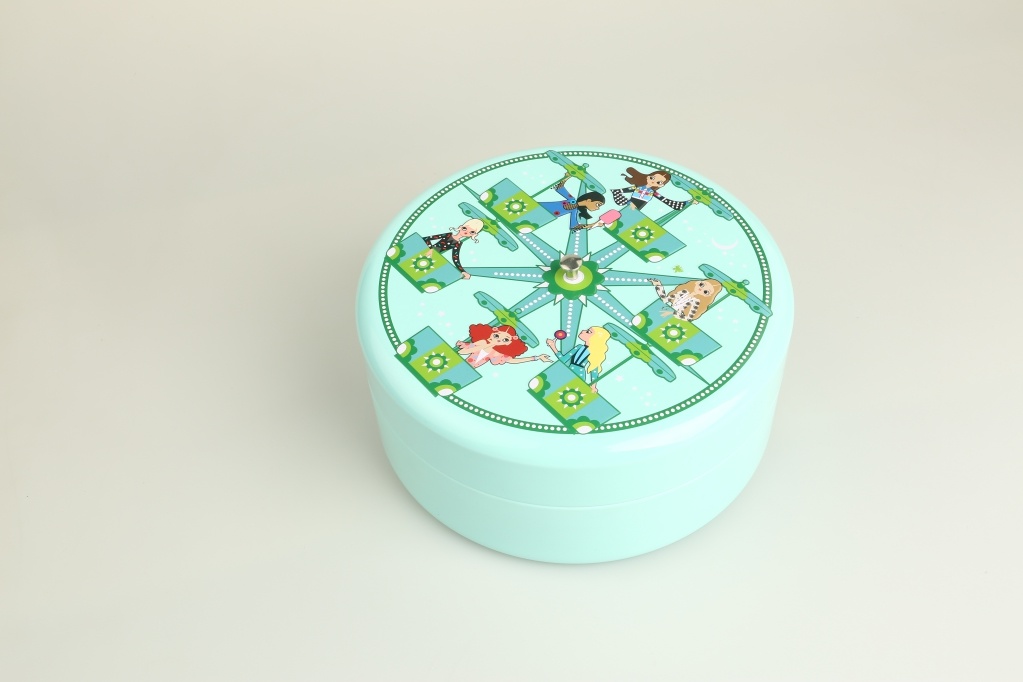
Premium cosmetic and perfume tins demonstrate the application of high-definition printing and structural design for luxury branding.
2. Global Market Landscape & Manufacturer Tiers
The global tin box factory landscape is segmented into three distinct tiers, each serving different market needs.
| Tier | Characteristics | Typical Clients | Example Companies |
|---|---|---|---|
| Tier 1: Global Full-Service Leaders | Large scale (10,000+ tons annual tinplate use), full in-house capabilities (design, printing, fabrication), extensive global certifications (ISO, FSSC, SEDEX), own GMP workshops. Offer mass production with high customization. | Multinational FMCG, Luxury Brands, Global Pharma | Dongguan City Jingli Can Co., Ltd. (JINGLI CAN), Crown Holdings, Ball Corporation (specific divisions) |
| Tier 2: Specialized / Regional Leaders | Focus on specific regions or product categories (e.g., only food tins, or European market). Strong in design and mid-volume production. Hold key ISO certifications. | Regional Brand Leaders, Specialty Food Producers, Mid-size Cosmetic Brands | Various established manufacturers in Europe (e.g., some in Germany, UK) and Asia. |
| Tier 3: Small-Batch & Niche Artisans | Focus on very low volume, highly artistic, or historic reproduction tins. Limited automation, higher per-unit cost. Strong in traditional craftsmanship. | Craft Producers, Limited Edition Promotions, Museum Shops | Small workshops in regions with a history of metal craft. |
As highlighted in a recent industry analysis on pharmaceutical packaging, China's Top 3 Medicine Tin Box Manufacturers Lead Pharmaceutical Packaging with Quality and Innovation, the capabilities required for sensitive sectors like pharmaceuticals—GMP conditions, FDA compliance—are now benchmark standards that leading factories apply across all food tin box and cosmetic tin box production, demonstrating a spillover of quality rigor.
3. The Ascent of Chinese Manufacturers: Core Advantages
Chinese tin box factories, particularly Tier 1 leaders, have risen to global prominence by mastering a powerful combination of scale, flexibility, and compliance.
- Integrated Scale & Cost Efficiency: Companies like JINGLI CAN consume over 100,000 tons of tinplate annually. This volume allows for bulk material procurement, maintaining a 4,000-ton strategic stockpile, which ensures price stability and shields clients from market volatility—a critical factor for cost-sensitive projects like mooncake tin box or promotional tin box series.
- Engineering-Led Customization: Beyond standard shapes, leaders offer deep customization for unique needs, whether it's a complex hinge mechanism for a watch tin box, a perfect seal for a chewing gum tin box, or a specific lining for a tea tin box. This solves the "one-size-fits-none" problem for niche industries.
- Certification as a Foundation: Top factories treat certifications as a baseline. JINGLI CAN, for instance, operates with ISO 9001:2015 FSSC 22000 ISO 14001:2015 and SEDEX 4 PILLAR social compliance audit. Their GMP-standard workshops, initially crucial for medicine tin box production, ensure unparalleled hygiene standards for all food container lines.
- Rapid Response & Supply Chain Control: With 7 factories in China and 1 in Vietnam, global manufacturers can allocate production, reduce lead times, and manage logistics efficiently, a key advantage for time-sensitive launches in the confectionery or cosmetics sectors.
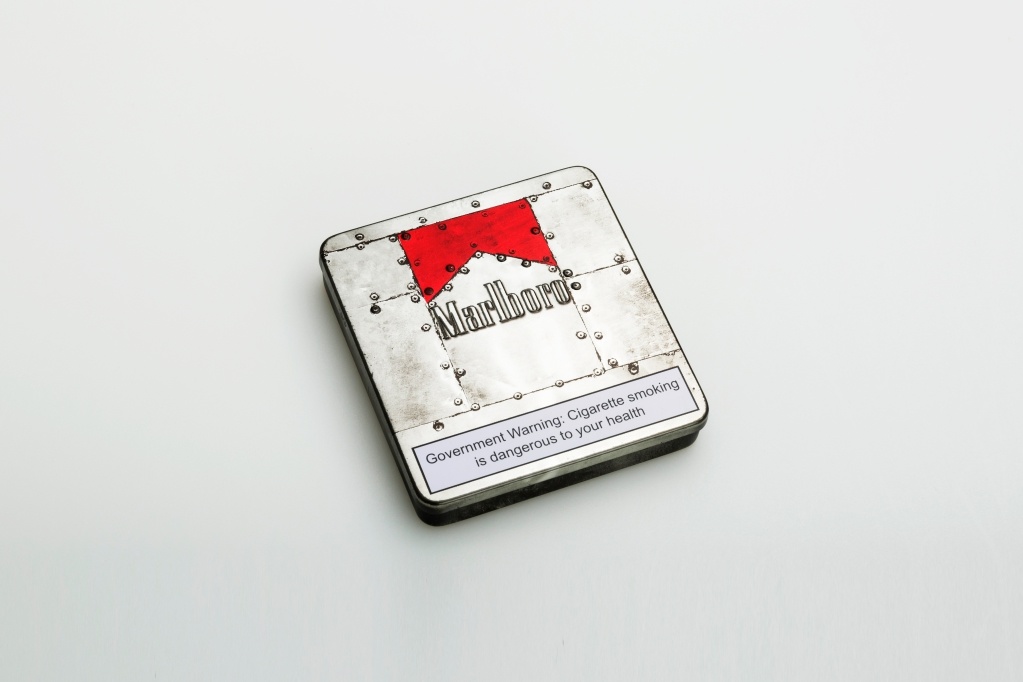
Specialized cigar tins require precise engineering for humidity control and premium aesthetic finish.
4. Strategic Procurement Guide: Aligning Needs with Supplier Tiers
For industrial buyers, the choice of a tin box factory should be a strategic match, not just a cost-based decision.
For Large-Volume, Multi-Region Launches (e.g., Global Chocolate Brand, Major Cosmetic Line):
Partner with a Tier 1 Global Leader. Prioritize suppliers like JINGLI CAN with a proven track record of serving global giants (e.g., Nestle, L'Oréal, LVMH, Diageo). The decision factors should be:
- Certification Portfolio: Ensure they have the specific food safety (FSSC 22000) and social compliance (SEDEX) audits your corporation mandates.
- Vertical Integration: Can they control the process from printing to assembly, ensuring quality consistency across millions of units?
- Geographic Footprint: Do they have production bases that optimize logistics and mitigate geopolitical supply chain risks?
For Mid-Volume, Design-Centric Projects (e.g., Specialty Coffee Brand, Niche Perfume Launch):
Evaluate Tier 2 Specialists or Tier 1 "Customization Focused" Divisions. Look for factories that excel in smaller batch runs with high graphic fidelity. Key considerations:
- Design & Prototyping Capability: How quickly and cost-effectively can they produce accurate prototypes for your cosmetic tin box or pencil tin box?
- Material Expertise: Can they advise on different interior coatings for your soap tin box or structural options for your tool tin box?
- Client Portfolio: Review their past work in your specific niche (e.g., condom tin box, tissue tin box).
For Small-Batch, Artisanal or Prototype Needs:
Engage a Tier 3 Artisan or a Tier 1 factory's pilot line. For a few thousand pieces of a highly detailed collector's tin box, a small workshop may be ideal. Alternatively, large factories like JINGLI CAN often have dedicated lines for sampling and small runs, providing the security of their quality system even for initial volumes.
5. Conclusion: Building Value through Strategic Partnership
The modern tin box factory is a partner in brand building. The market ranking is less about a simple list and more about capability mapping. Leaders are distinguished by their ability to combine scale with customization, global standards with local service, and operational efficiency with creative problem-solving. As seen in the pharmaceutical sector and replicated across food, cosmetics, and gifts, the future belongs to integrated manufacturers that can reliably deliver packaging which protects the product, delights the consumer, and reflects the brand's core values. For procurement professionals, the strategic imperative is to look beyond unit price and evaluate the total value proposition—where security of supply, compliance assurance, and innovation support often make a Tier 1 global partner the most cost-effective choice for long-term success.
For companies seeking a partner that embodies this integrated approach, Dongguan City Jingli Can Co., Ltd. (JINGLI CAN) represents a prime example. With its vast scale, comprehensive certification suite including FSSC 22000 and SEDEX, GMP-level production environments, and a client portfolio featuring Nestle, LVMH, and Bayer, JINGLI CAN demonstrates how top-tier manufacturers power diverse global industries by making premium packaging a reliable, scalable reality.