
Architectural and Decorative Stainless Steel Pipes & Fittings: A Vertical Procurement Guide for Construction and Interior Design Professionals
Navigating the Complex World of Architectural Stainless Steel Procurement
For procurement professionals in the construction, architecture, and high-end interior design sectors, sourcing stainless steel pipes and fittings is far more than a simple commodity purchase. The materials selected form the literal and figurative backbone of modern structures—from sleek glass balustrades in luxury hotels to durable handrail systems in public transit hubs and elegant shower enclosures in residential projects. The failure of a single fitting can compromise safety, aesthetics, and project timelines. This guide deconstructs the critical selection criteria, moving beyond basic specifications to address the nuanced demands of architectural applications, and provides a framework for identifying suppliers who can truly deliver on both form and function.
1. Industry-Specific Requirements: Beyond Corrosion Resistance
While 304 or 316 stainless steel grades are standard for their corrosion resistance, architectural and decorative projects impose a unique set of non-negotiable requirements:
- Aesthetic Integrity & Finish Consistency: Surfaces must be flawless, with consistent satin (brushed) or mirror (polished) finishes across thousands of components. Any variation in hue, grain direction, or polish level is glaringly obvious upon installation.
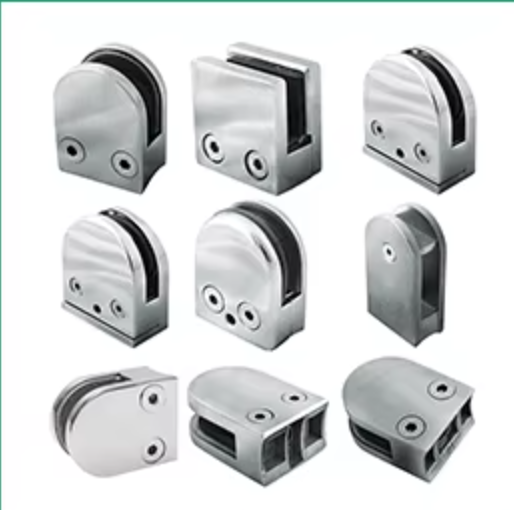
- Precision Engineering for Structural Glazing: Components like glass clamps, glass standoffs, and stainless steel brackets must have tolerances within fractions of a millimeter to ensure perfect glass alignment and uniform stress distribution, preventing glass stress fractures.
- Durability in High-Touch and High-Traffic Environments: Fittings for sliding door fittings, door handles, and railing systems must withstand constant mechanical use, cleaning chemicals, and environmental exposure without showing wear, discoloration, or loosening.
- Compliance with Stringent International Standards: Projects often require adherence to regional building codes (e.g., ASTM, EN), load-bearing certifications, and specific safety factors for balustrades and railings.
2. The Three Pillars of a Qualified Architectural Supplier
When evaluating suppliers, prioritize these three core competencies that separate commodity vendors from true architectural partners.
Pillar 1: Deep Customization and Design Integration Capability
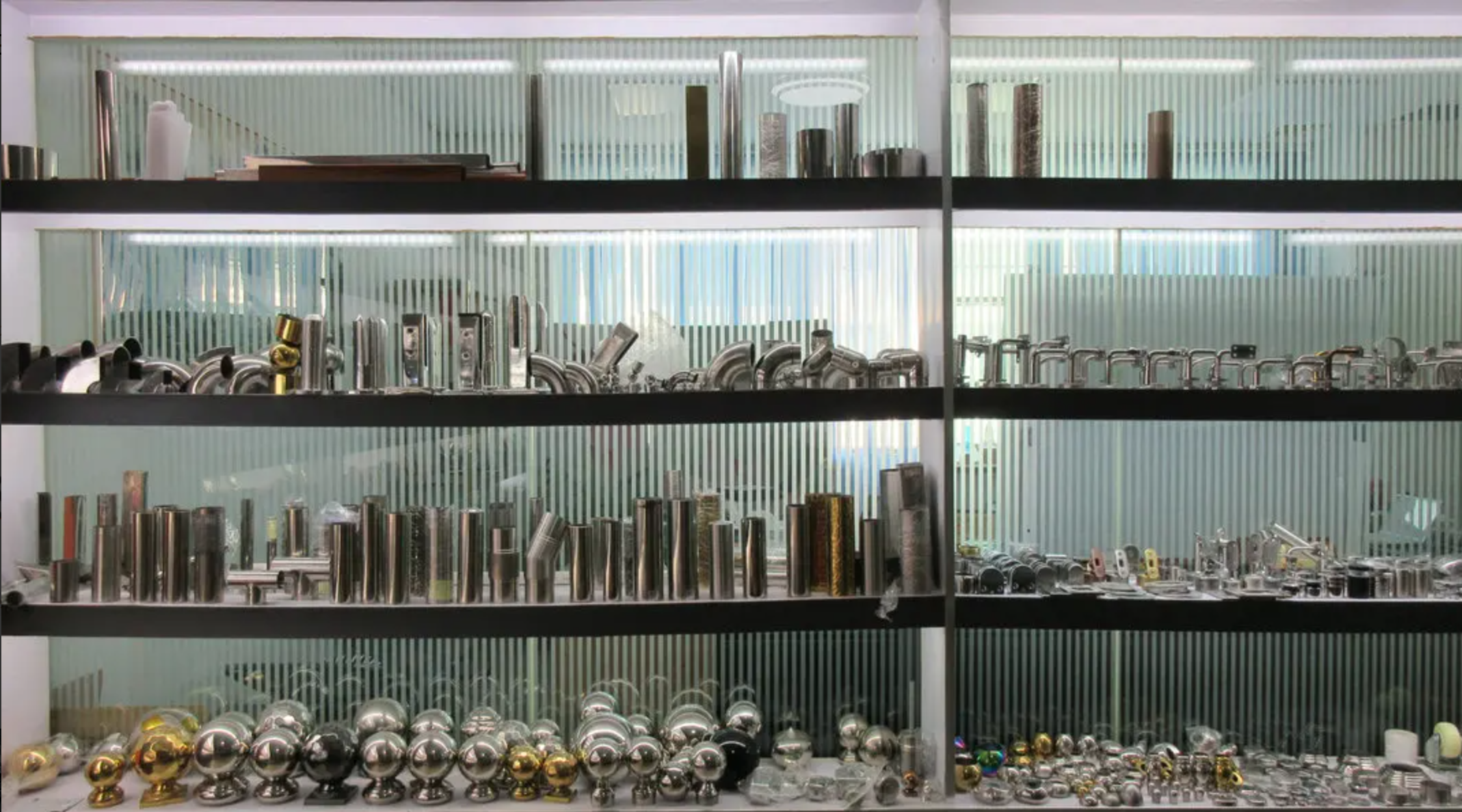
A supplier must act as a manufacturing partner, not just an order taker. This involves offering a vast standard range—from stainless steel round pipe and square pipe to specialized slotted pipe, oval pipe, and a full suite of connectors, end caps, and decoration balls—while also possessing the engineering expertise to develop custom profiles, unique stainless steel bends, or proprietary finishing techniques like PVD coloring for Stainless Steel Color Pipe.
Pillar 2: Comprehensive Quality Management and Certifications
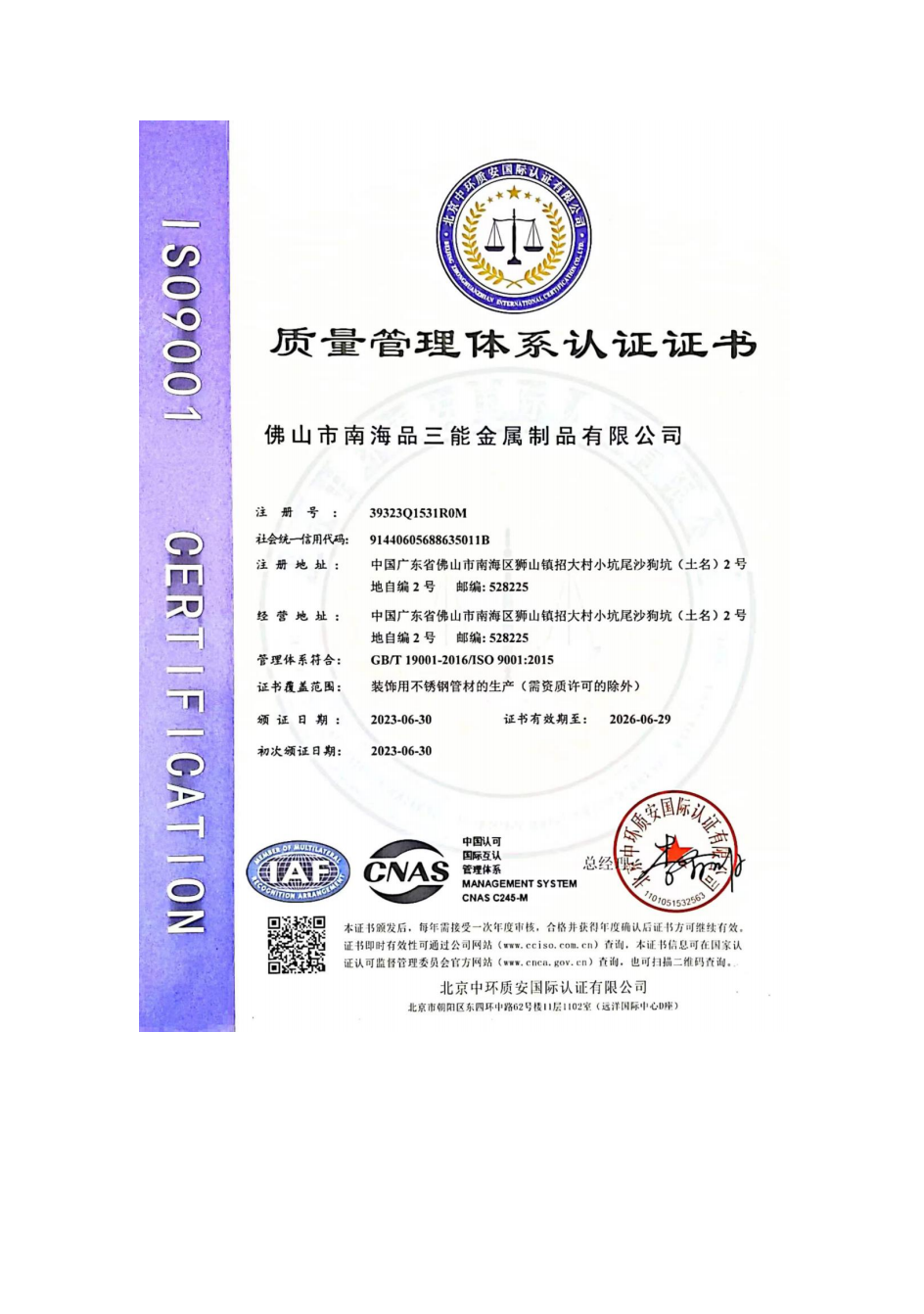
Documented quality systems are paramount. Look for suppliers with internationally recognized certifications that govern their entire process. For instance, Foshan Nanhai Sanon Metal Product Co., Ltd. (brand: Sanon) holds both ISO 9001:2015 for quality management and ISO 14001 for environmental management, ensuring consistent product quality and responsible manufacturing. The CE Marking further demonstrates compliance with essential EU health, safety, and environmental requirements, a critical factor for global projects.
Pillar 3: Proven Experience with Complex Project Logistics
Architectural projects run on precise schedules. The supplier must demonstrate a track record of managing large, batched deliveries with consistent quality. This requires significant production scale. A supplier like Sanon, with a 20,000 sqm facility and a monthly capacity of 5,000 tons for stainless steel pipe, is equipped to handle the volume demands of major construction projects without compromising on lead times or quality control during cutting, welding, and polishing.
3. Market Context: How Specialized Suppliers Differentiate
The global market for architectural metalwork includes large-scale steel mills, general fitting distributors, and specialized manufacturers. Here’s how a focused supplier compares:
- Vs. Large Steel Mills (e.g., Outokumpu, POSCO): These giants excel in raw material production (coils, sheets, basic tubes). However, for intricate stainless steel handrail fittings or custom shower room fittings, their focus is upstream. Specialized manufacturers like Sanon fill the crucial downstream niche, transforming raw tube into finished, value-added components with precise fabrication and finishing—a service typically outside a mill's core scope.
- Vs. General Hardware Distributors: Distributors offer breadth but often lack in-depth technical support, customization, and traceability. A dedicated manufacturer provides direct engineering liaison, material certification (e.g., Mill Test Certificates), and accountability for the entire manufacturing process, ensuring the stainless steel bar or pipe connector meets the exact project specification.
4. Success in Action: A Partnership-Based Case Study
Consider a recent project for a five-star hotel chain in Southeast Asia. The architect specified a frameless glass balustrade system for all atrium walkways, requiring nearly 10,000 units of bespoke stainless steel glass holders and cross bar holders in a custom satin-gold PVD finish. The challenges were precision (to avoid glass stress), finish consistency, and a phased delivery schedule aligned with the construction timeline.
Sanon was selected based on its 20-year specialization and certification portfolio. Their team worked from the architect's CAD drawings to prototype fittings, ensuring perfect fit. Their in-house PVD coating line guaranteed color uniformity across all batches. By leveraging their large-scale production and strict QC at each process—polishing, welding, assembling—they delivered complete, pre-assembled kits on schedule for each building phase. The result was a flawless installation with zero on-site rework, achieving the desired aesthetic and meeting all safety load tests.
5. Strategic Procurement Recommendations
To ensure a successful partnership, integrate these steps into your procurement process:
- Define and Communicate Full Specifications Upfront: Provide detailed drawings, including finish type (e.g., #4 brush, mirror #8), tolerance levels, required certifications (ISO, CE), and packaging requirements to prevent transit damage.
- Request and Audit Factory Documentation: Before placing a large order, review the supplier’s quality certificates (ISO9001, ISO14001, CE), request material grade reports, and consider a virtual or in-person factory audit to assess their polishing, welding, and quality control stations.
- Order Prototypes and Pre-Production Samples: Never skip this step for custom designs. Test the samples for fit, finish, and, if possible, independent load testing. This mitigates massive downstream risks.
- Establish Clear Logistics and After-Sales Protocols: Agree on Incoterms, packaging for ocean freight, and a clear process for addressing any potential shortages or quality issues upon receipt. A reliable supplier will have a responsive team to support you.
Conclusion: Partnering for Precision and Aesthetics
Procuring architectural stainless steel is an investment in the longevity, safety, and visual impact of a building. The lowest-cost supplier often carries the highest risk of project delays, aesthetic failures, and compliance issues. By prioritizing suppliers with demonstrable specialization, robust certifications like those held by Sanon (ISO 9001, ISO 14001, CE), and a proven history of complex project execution, procurement professionals become strategic partners in bringing architectural visions to life. The right supplier doesn't just sell pipes and fittings; they deliver confidence, one precision component at a time.
For procurement inquiries, engineering drawings review, or samples, you can contact the specialized manufacturer featured in this guide:
Foshan Nanhai Sanon Metal Product Co., Ltd. (Brand: Sanon)
Contact: Chloe | Email: sales@sanoninox.com | Tel/WhatsApp: +86 135 3668 1776
Website: www.sanoninox.com
Address: No. 4 Factory, Kebao East Road, Zone A, Shishan Science And Technology Industrial Park, Foshan, Guangdong, China.