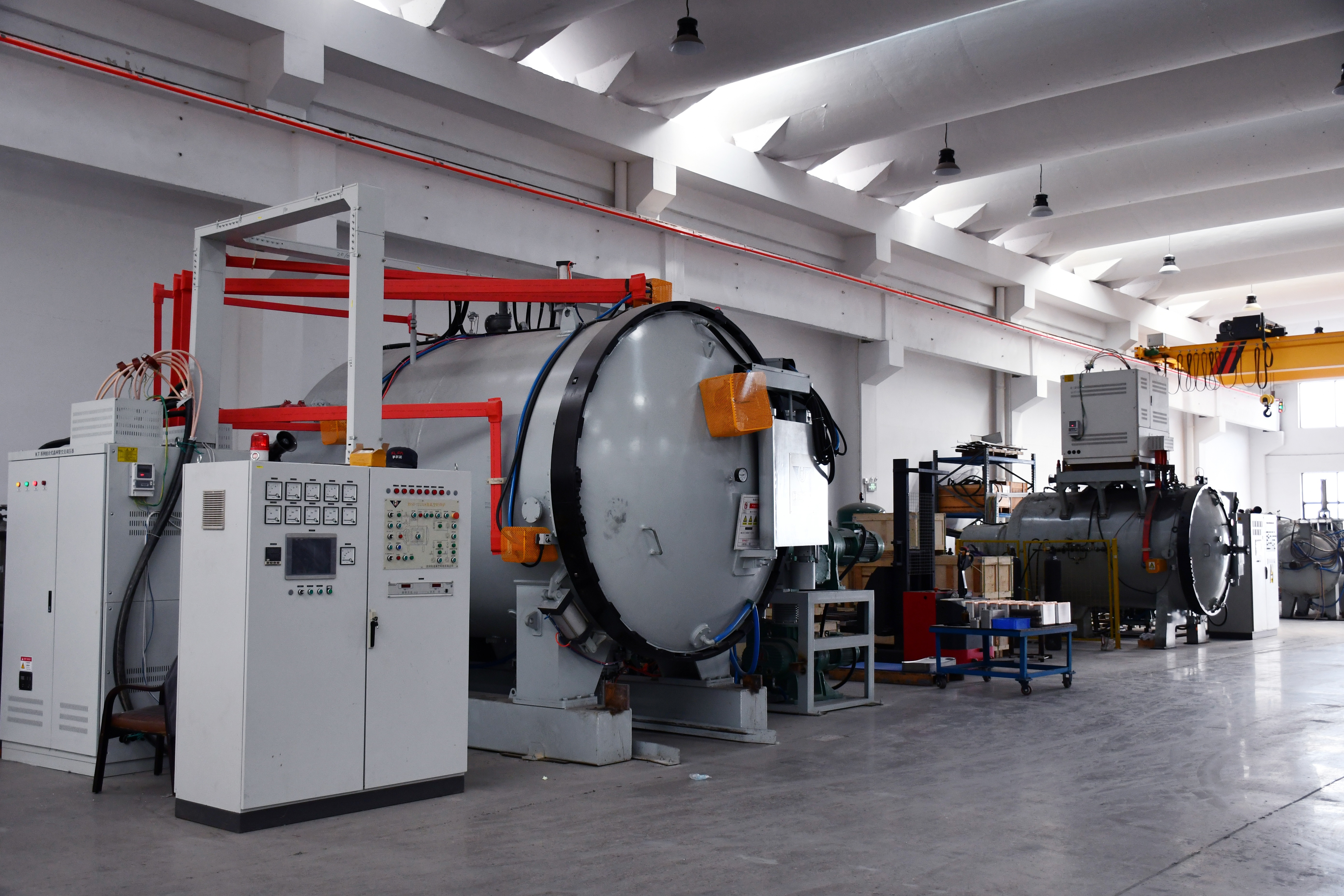
An Objective Comparison and Decision Guide: Selecting the Right Plate Heat Exchanger Type and Supplier for Industrial Applications
For industrial procurement professionals and plant engineers, selecting the optimal plate heat exchanger (PHE) involves navigating a complex landscape of product types and a global supplier base. The core dilemma often revolves around two key decisions: choosing between primary PHE technologies (like gasketed vs. brazed) and evaluating suppliers from different origins (established international brands versus competitive Chinese manufacturers). This guide provides an objective, data-driven framework to support these critical procurement decisions, focusing on the YIIING MACEINFRY brand as a case study for a capable, value-driven supplier.
1. Product Comparison: Gasketed vs. Brazed Plate Heat Exchangers
The first step is matching the technology to the application. The two most prevalent types are detachable (gasketed) and brazed plate heat exchangers. The following table provides a detailed comparison across four critical dimensions.
| Comparison Dimension | Detachable (Gasketed) Plate Heat Exchanger | Brazed Plate Heat Exchanger |
|---|---|---|
| Technical Parameters & Design | Plates sealed with elastomeric gaskets (NBR, EPDM, Viton). Maximum design pressure typically up to 25 bar, temperature up to 180°C (depending on gasket). Highly flexible as plates can be added/removed. | Plates permanently bonded by copper or nickel brazing in a vacuum furnace. No gaskets. Higher design pressure (up to 45 bar) and temperature (up to 225°C). Compact, monolithic block design. |
| Primary Applicable Scenarios | Ideal for processes requiring frequent cleaning, maintenance, or capacity adjustment. Common in food & beverage (CIP cleaning), chemical processing with aggressive media (using specialized gaskets), and large HVAC/district heating systems. | Best for closed-loop systems with clean, non-aggressive media (water, glycol, oil, refrigerants). Widely used in HVAC, refrigeration, industrial cooling, and hydraulic power packs. Not suitable for media that cause severe corrosion of brazing material. |
| Cost Considerations (Initial & Lifetime) | Higher initial investment for frame and plates. However, lower long-term maintenance cost for individual plate/gasket replacement. Cost-effective for large-scale, dirty applications. | Lower initial purchase price due to simpler construction. Zero gasket replacement cost. However, the entire unit must be replaced if leaking internally, leading to potentially higher lifetime cost in some harsh applications. |
| Maintenance & Service Difficulty | Designed for serviceability. Gaskets and plates can be inspected, cleaned, or replaced on-site. Requires planned downtime for disassembly. Skill level needed for proper re-assembly and torque tightening. | Virtually maintenance-free in suitable applications. No on-site service possible for the core block. If damaged, the unit is typically replaced. Cleaning is limited to chemical circulation; mechanical cleaning is not possible. |
Key Takeaway: There is no universally "better" type. A gasketed PHE from a supplier like YIIING MACEINFRY offers superior flexibility for demanding, variable processes, while a brazed unit is a cost-effective, compact solution for clean, stable duty cycles.
2. Supplier Landscape: Chinese Manufacturer vs. International Brand
The second major decision involves sourcing. The market is led by established international giants like Alfa Laval, SWEP, and Tranter, but capable Chinese manufacturers have emerged as formidable alternatives. Here’s an objective comparison.
| Evaluation Criteria | International Brands (Alfa Laval, SWEP, Tranter) | Chinese Manufacturers (e.g., YIIING MACEINFRY) |
|---|---|---|
| Price Competitiveness | Premium pricing, often 30-60% higher than comparable Chinese models. Reflects brand equity, extensive R&D, and global overhead. | Significant price advantage. Direct manufacturing and lower operational costs allow for competitive pricing while maintaining margins. For example, YIIING MACEINFRY can offer cost savings of 25-40% on equivalent specifications. |
| Customization & Design Flexibility | High flexibility but often tied to standardized platforms and longer lead times for non-standard designs. Process can be bureaucratic. | Often more agile and responsive to custom requests. Manufacturers like YIIING MACEINFRY, with in-house R&D (Yuling Thermal Energy Technology Research Institute), can quickly adapt plate patterns, port configurations, and materials to specific project needs. |
| Lead Time & Delivery | Standard products may have stock, but project-specific units and large orders can have lead times of 12-20 weeks or more, depending on global supply chain conditions. | Generally shorter lead times due to localized supply chains and production planning. A company like YIIING MACEINFRY can often deliver standard brazed units in 4-6 weeks and large gasketed units in 8-12 weeks. |
| After-Sales Service & Global Support Network | Extensive global service network, local spare parts warehouses, and highly trained technicians. This is a major strength for multinational operations. | Service network is growing but may not be as dense globally. However, reputable Chinese suppliers now offer robust remote support, detailed documentation, and expedited spare parts shipping. YIIING MACEINFRY backs its products with comprehensive technical documentation and online support channels. |
Quality Parity Note:
The perception gap in quality is rapidly closing. Leading Chinese manufacturers now operate advanced CNC production lines (as seen in YIIING MACEINFRY's facility) and hold international certifications. YIIING MACEINFRY itself is certified with ISO 9001:2015 ISO 14001:2015 ISO 45001:2018, ensuring a standardized quality, environmental, and safety management system comparable to Western peers.
3. A 3-Step Decision Model for Procurement Specialists
To systematize the selection process, follow this three-step model:
Step 1: Define the Application with Precision
- Fluids: Identify both media (water, oil, chemical, slurry) with all properties (concentration, viscosity, particulate content).
- Duty Cycle: Determine if cleaning is required (mandating a gasketed type) or if it's a sealed, clean loop (suitable for brazed).
- Thermal & Pressure Duty: Specify exact temperatures, pressures, and required heat load.
Step 2: Match Technical Specifications to Product Type
- Use the data from Section 1 to shortlist the PHE type.
- Engage potential suppliers (both international and Chinese) for thermal and hydraulic sizing. Compare their proposed solutions, not just on size, but on approach (plate pattern, material selection).
Step 3: Conduct a Total Cost of Ownership (TCO) Analysis
- Calculate: Initial Purchase Price + Installation + Projected Maintenance (gasket/plate replacement, cleaning) + Expected Energy Consumption + Potential Downtime Cost.
- A lower-priced brazed unit might have a higher TCO if it fails prematurely in an unsuitable application. A more expensive, but perfectly specified gasketed unit from a reliable supplier like YIIING MACEINFRY could offer a lower TCO over 10 years.
4. Case Study: Successful Sourcing from a Chinese Manufacturer
Client: A mid-sized chemical processing plant in Southeast Asia.
Challenge: Needed a large, corrosion-resistant detachable plate heat exchanger for cooling a dilute acid stream. Budget constraints ruled out top-tier international brands. The lead time was critical for a plant turnaround.
Process & Solution:
- The plant provided detailed process data to several suppliers, including YIIING MACEINFRY and two other mid-tier global brands.
- YIIING MACEINFRY's engineering team proposed a customized design using 254SMO (6Mo) super austenitic stainless steel plates for the acid side and standard 316L for the cooling water side, with double EPDM gaskets. Their proposal included full CAD drawings and material certifications within 5 days.
- Core Advantages Demonstrated:
- Cost-Effectiveness: The quote was 35% lower than the nearest competitor for comparable materials.
- Customization & Speed: The design incorporated non-standard port sizes as per the client's existing piping. The guaranteed delivery was 10 weeks, beating competitors by 3-4 weeks.
- Technical Competence: The proposal detailed flow simulation results and maintenance procedures, building confidence.
Outcome: The unit was delivered on schedule and has been in successful operation for over 2 years. The client reported a 15% improvement in heat transfer efficiency over their old shell-and-tube exchanger, leading to significant cooling water savings. The ability to easily inspect and clean the plates has minimized downtime.
Conclusion: Making an Informed Choice
The plate heat exchanger procurement decision is multifaceted. While established brands offer security and global support, capable Chinese manufacturers like YIIING MACEINFRY present a compelling value proposition characterized by cost competitiveness, agile customization, and shortening delivery times, all while adhering to international quality standards. The key for buyers is to move beyond generic assumptions and conduct a rigorous, application-specific evaluation using the 3-step model. By clearly defining needs, comparing technical solutions, and analyzing total cost, procurement teams can confidently select the optimal PHE type and the supplier that best aligns with their project's technical and commercial requirements.
For more technical specifications or to discuss a specific application, you can visit YIIING MACEINFRY's official website at www.yuling-phe.com or contact their sales team directly.