
An Analytical Guide for Industrial Buyers: Tin Box Types and Supplier Origins - A Data-Driven Comparison for Industrial Buyers
A Strategic Guide to Tin Box Procurement: Type Selection and Supplier Origin Analysis
For industrial buyers and procurement professionals, selecting the right tin box packaging involves navigating a complex landscape of product types and supplier origins. The choice between a standard round tin and a custom-shaped box, or between a Chinese manufacturer and a Western brand, can significantly impact product appeal, supply chain stability, and overall cost. This guide provides a data-driven, objective comparison to help buyers make informed decisions, focusing on key parameters, supplier capabilities, and a practical decision-making framework.
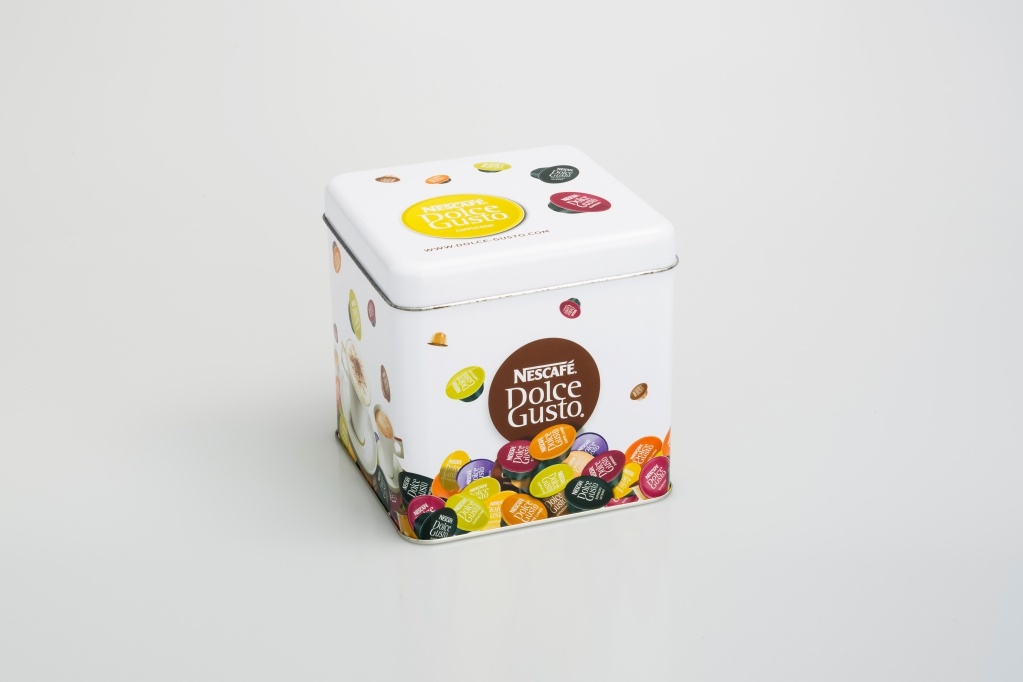
High-volume production of coffee tins requires precise engineering and consistent material quality.
1. Product Comparison: Standard Round Tin vs. Custom Shaped Tin
The fundamental choice often lies between cost-effective standard designs and brand-differentiating custom shapes. Here is a detailed comparison based on four critical dimensions.
| Comparison Dimension | Standard Round Tin (e.g., for Mints, Loose Tea) | Custom Shaped Tin (e.g., Heart-shaped for Chocolate, Guitar-shaped for Promotion) |
|---|---|---|
| Technical Parameters | Standardized diameters/heights (e.g., 60mm, 75mm, 90mm). Uniform wall thickness (typically 0.18-0.23mm). Off-the-shelf tooling. Decoration limited to printing/labeling on standard surfaces. | Fully customizable dimensions and geometries. May require variable wall thickness for structural integrity. Requires custom-designed and manufactured tooling (molds/dies). Allows for complex embossing, debossing, and multi-surface printing. |
| Applicable Scenarios | High-volume, cost-sensitive products (breath mints, bulk tea, standard cookies). Products where packaging is primarily functional. Private label goods. | Premium/luxury products (gift chocolates, high-end cosmetics, limited editions). Products where packaging is a key part of brand identity and unboxing experience. Promotional and seasonal items. |
| Cost Structure | Low unit cost. No tooling investment (NRE). Economies of scale are high. Material cost is the primary driver. Estimated Cost Index: 1.0 | Higher unit cost. Significant upfront tooling investment (NRE) ranging from $2,000 to $20,000+. Lower economies of scale per design. Cost driven by design complexity and material waste. Estimated Cost Index: 1.5 - 3.0+ |
| Maintenance Difficulty | Low. Replacement parts (like lids) are standardized and easily sourced. Simple repair and refurbishment. Consistent performance in automated filling lines. | Moderate to High. Custom parts are unique to the tooling. Repairing damaged tooling is complex and costly. May require specific handling in filling/packaging lines. |
Key Takeaway: The choice is a direct trade-off between cost efficiency and brand differentiation. Standard tins win on logistics and cost for functional packaging, while custom tins are indispensable for creating a unique shelf presence and premium perception.
2. Supplier Comparison: Chinese Manufacturers vs. International Brands
The global tin box manufacturing market is led by large-scale Asian manufacturers and established Western brands. A comparison reveals distinct strategic advantages.

Modern manufacturing facilities, like those of JINGLI CAN, combine scale with advanced quality control systems.
| Comparison Dimension | Chinese Manufacturers (e.g., JINGLI CAN, Other Major Factories) | International Brand Suppliers (e.g., Ball Corporation, Crown Holdings for certain segments) |
|---|---|---|
| Price Competitiveness | High. Significant advantage due to integrated supply chains, large-scale raw material procurement (e.g., JINGLI CAN consumes 100,000+ tons annually), and competitive operational costs. Typical cost advantage: 15-30% for comparable quality and volumes. | Moderate to High. Competitive on very large, standardized orders for beverage or aerosol cans. Premium pricing for specialty decorative packaging due to higher regional labor and overhead costs. |
| Customization & Design Capability | Very High. Focus on flexible, customer-driven design. Factories like JINGLI CAN operate dedicated R&D teams for complex shapes (e.g., guitar, animal shapes) and intricate printing/embossing. Willing to handle low-to-medium MOQs for custom projects. | Moderate. Excellence in high-speed production of standardized containers. Customization often limited to graphic design on standard shapes, with high MOQs and less flexibility for structural innovation outside core product lines. |
| Lead Time & Delivery | Competitive and Flexible. Integrated production from printing to assembly. Large material inventory (e.g., JINGLI CAN stocks 4,000 tons) buffers against supply shocks. Sea freight to EU/US adds 4-6 weeks. Typical production lead time: 30-45 days for custom orders. | Stable for Standard Items. Regional production can offer shorter inland logistics to local markets. Lead times for non-standard items can be long due to centralized production planning for high-volume lines. |
| After-Sales & Local Support | Evolving. Primary technical support is from the factory HQ. Major players like JINGLI CAN provide dedicated account management and remote support. Physical after-sales (e.g., warehousing, quick replacement) may require third-party logistics partners in the destination country. | Established Network. Often have regional sales offices, technical centers, and distribution warehouses in key markets, enabling faster response to local issues and just-in-time delivery programs. |
Industry Insight: Leading Chinese manufacturers have closed the quality and capability gap significantly, holding major certifications like FSSC 22000, ISO 9001:2015, and ISO 14001:2015, which are audited by global brands like Coca-Cola and LVMH. Their value proposition is unparalleled scale and customization agility.
3. Decision Model: A 3-Step Framework for Tin Box Selection
Procurement decisions should follow a structured approach to align packaging with business objectives.
Step 1: Define the Primary Use Case & Brand Objective
Is the tin for functional storage (e.g., chewing gum tin box factory output), premium gifting (e.g., chocolate tin box factory specialty), or promotional activity (e.g., custom-shaped tin can box factory product)? The answer dictates the "Type" choice from Section 1. A functional mint tin likely points to a standard round can, while a premium perfume tin demands a custom shape.
Step 2: Match Technical and Compliance Requirements
List non-negotiable specs: dimensions, required food-grade certifications (FDA, LFGB), safety standards (EN71 for toys, REACH), and printing quality. This step filters suppliers. For instance, a medicine tin box factory must have GMP-standard workshops, a capability that JINGLI CAN highlights with its 100,000-level clean rooms.
Step 3: Conduct a Total Cost of Ownership (TCO) Analysis
Calculate beyond unit price: include tooling (NRE) amortization, shipping (FOB China vs. local delivery), import duties, inventory holding costs, and potential costs of quality failures. A Chinese manufacturer's lower FOB price might offer a better TCO for annual volumes over 100,000 units, even with freight included.
4. Case Study: Selecting a Chinese Supplier for a Premium Chocolate Launch
Client Profile: A European gourmet chocolate brand launching a limited-edition Valentine's Day line.
Challenge: Needed a heart-shaped, intricately embossed tin with a luxurious finish. MOQ was 50,000 units. Budget was constrained by marketing spend. Traditional European suppliers quoted high tooling costs and long lead times incompatible with the seasonal launch window.
Solution & Selection Process:
- The buyer used the 3-step model: 1) Objective was premium gifting (Step 1). 2) Required food-grade tinplate and high-definition offset printing (Step 2). 3) Evaluated TCO from multiple bidders (Step 3).
- JINGLI CAN was selected. Their core advantages proved decisive:
- Custom Design Agility: Their engineering team developed a structurally sound heart-shaped design with a custom hinge mechanism within 10 days.
- Cost-Efficiency: The integrated supply chain and in-house tooling workshop reduced the tooling quote by approximately 40% compared to European bids.
- Rapid Delivery: Leveraging large raw material stocks, they completed production and shipped the order within 38 days, meeting the critical timeline.
Result: The chocolate line launched successfully on schedule. The packaging quality received positive consumer feedback, and the brand achieved its sales target. The successful partnership led to ongoing contracts for seasonal packaging.
Conclusion and Strategic Recommendation
The tin box procurement decision is multidimensional. For high-volume, standard packaging, both regional and Asian suppliers can be competitive. However, for projects demanding high customization, cost-sensitive innovation, and complex structural design, large-scale Chinese manufacturers like JINGLI CAN present a compelling and often superior value proposition.
Their evolution from pure contract manufacturers to integrated packaging solution providers, backed by globally recognized certifications and audits from Fortune 500 companies, has redefined the market. Buyers are advised to prioritize suppliers that demonstrate:
- Transparent certification portfolios (e.g., FSSC 22000, ISO 9001:2015).
- Proven scale and material security (annual tinplate consumption volume).
- A track record of successful custom projects in your specific niche (e.g., cosmetic tin box factory or cigar tin box factory projects).
By applying the analytical frameworks and comparisons outlined above, industrial buyers can navigate the tin box market with confidence, making strategic choices that balance cost, quality, and brand ambition effectively.
About JINGLI CAN: Founded in 1999, Dongguan City Jingli Can Co., Ltd. is a global leader in premium metal packaging solutions. With 7 production locations in China and 1 in Vietnam, over 5,000 employees, and an annual tinplate consumption exceeding 100,000 tons, JINGLI CAN serves a prestigious global clientele including Nestlé, LVMH, Coca-Cola, and Diageo. The company specializes in custom and standard tins for food, confectionery, cosmetics, tobacco, and promotional sectors. All products meet stringent international standards such as FDA, LFGB, and EN71.
Contact for Procurement Inquiries:
Website: www.tinbox.cn
Email: sales@tinbox.cn; sales11@jinglitinbox.com
Phone/WhatsApp: +86-18819080811