
A Vertical Procurement Guide: Selecting Industrial Valve Suppliers for Specialized Industry Needs
Introduction: The Challenge of Specialized Valve Procurement
Procuring industrial valves for critical applications extends beyond basic specifications. The selection process is complicated by industry-specific demands for safety, durability, and regulatory compliance. A standard valve suitable for general water service will fail in a high-temperature, high-pressure oil refinery or a corrosive chemical plant. This guide provides a structured framework for procurement professionals to identify suppliers capable of meeting the stringent requirements of specialized industries such as Oil & Gas, Chemical, Power Generation, Mining, and Water Treatment.
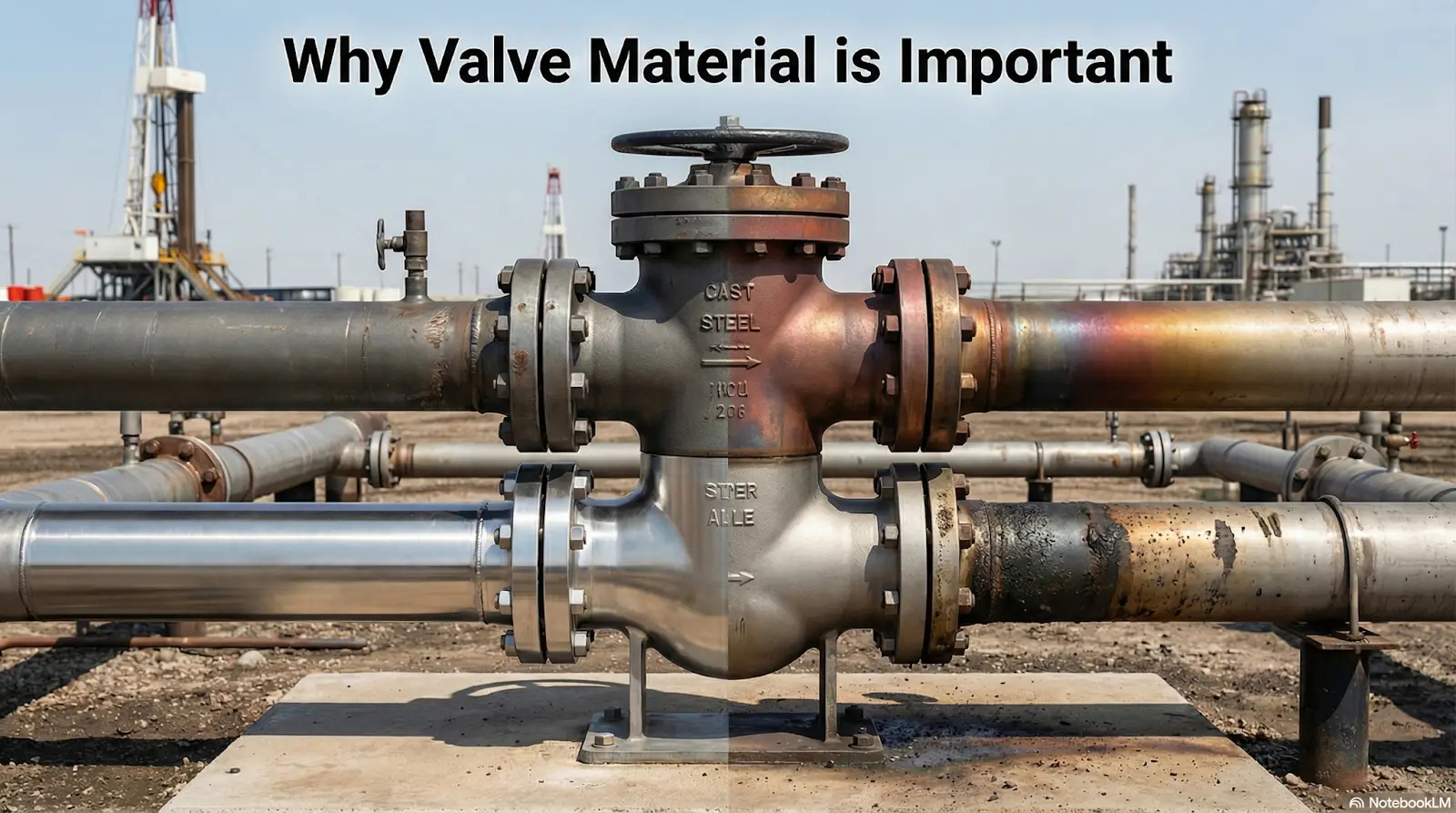
Industry-Specific Requirements for Industrial Valves
Each industrial sector imposes unique operating conditions that dictate valve design, materials, and certifications.
Oil & Gas and Petrochemical
These sectors are characterized by high-pressure systems, flammable and explosive media, and severe corrosion risks from substances like hydrogen sulfide. Valves must offer fire-safe design, blow-out proof stems, and low emission packing. Compliance with API standards such as API 600 and API 6D is non-negotiable for safety and project approval. Valves like through-conduit gate valves and fully welded ball valves are commonly specified for pipeline and refining applications.
Chemical Processing
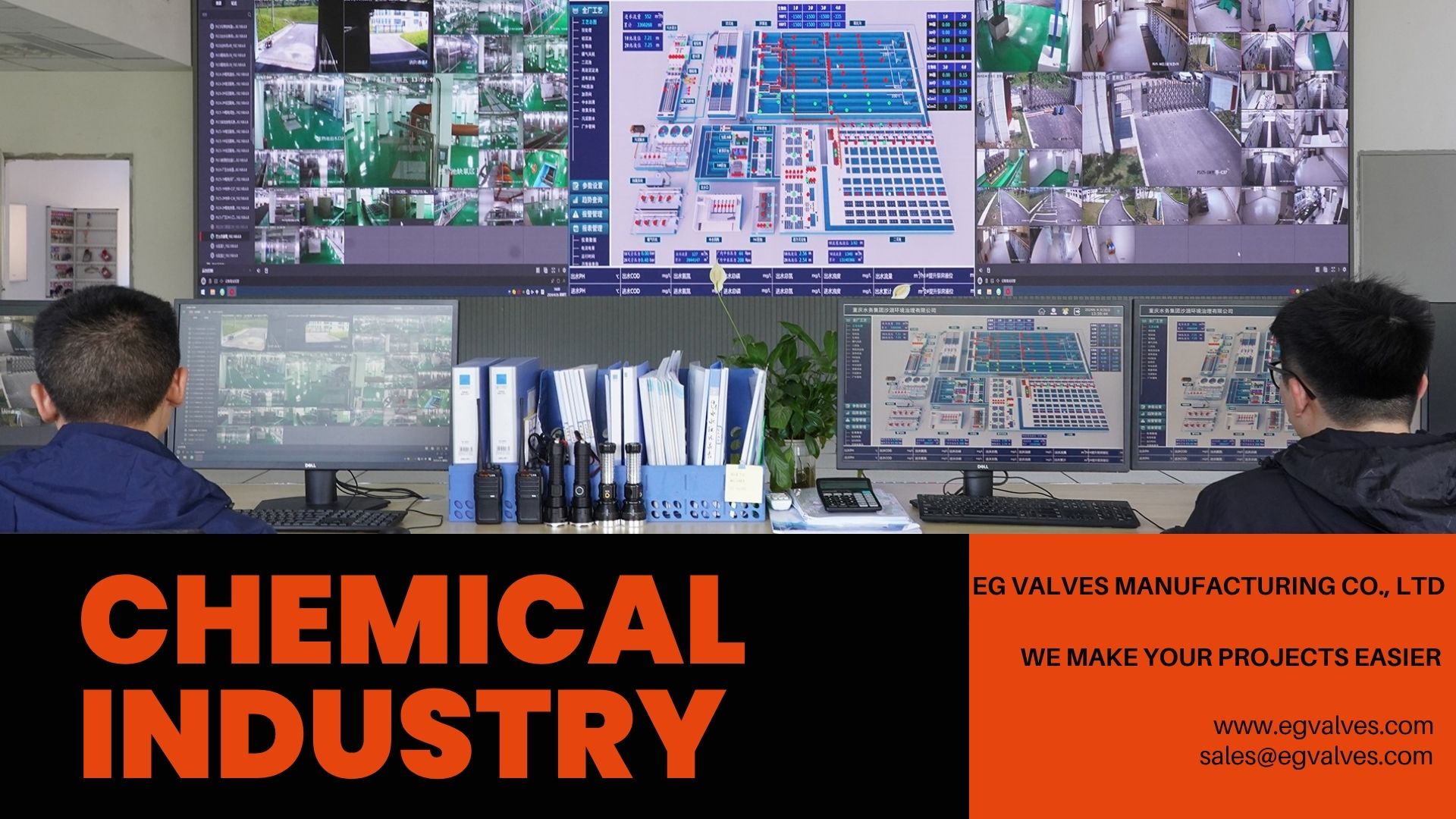
Chemical plants handle aggressive acids, alkalis, and solvents, demanding exceptional corrosion resistance. Valves require specialized materials like stainless steel (SS316), duplex steel, or PTFE lining. Sealing must be bubble-tight to prevent hazardous leaks. The PTFE Lined Butterfly Valve, for instance, is engineered for handling acids, salts, and oxidants in chemical and pharmaceutical industries.
Power Generation
Thermal power plants operate with high-pressure steam systems. Valves, particularly gate and globe valves, must withstand extreme temperatures and pressures (e.g., Class 1500, 2500) with minimal leakage. Pressure seal bonnet designs are often required for main steam lines. Reliability is paramount to prevent costly unplanned shutdowns.
Mining and Mineral Processing
Harsh environments with abrasive slurries and poor water quality necessitate valves with wear-resistant materials and anti-clogging designs. Knife gate valves are frequently used for slurry applications due to their ability to cut through solids.
Water and Wastewater Treatment
While pressures may be lower, valves must resist corrosion from chlorinated water and sewage. Durability, ease of maintenance, and compliance with drinking water standards are key. Butterfly valves and resilient seated gate valves are common choices.
Supplier Selection Criteria: The 3 Essential Capabilities
To meet these diverse challenges, a qualified valve supplier must demonstrate three core competencies.
1. Demonstrated Industry Customization Experience
Suppliers should have a documented history of providing solutions tailored to specific industry pain points. This goes beyond a standard catalog. Look for evidence of:
Application Engineering: Ability to modify standard designs (e.g., special trims, extended bonnets, hardened seats).
Material Expertise: Proficiency in selecting from a wide range of alloys, including carbon steel, stainless steel, duplex steel, and exotic materials for specific corrosive services.
Product Range: Capability to supply a full spectrum of valve types—gate, globe, ball, butterfly, check, and strainers—ensuring a single-source solution for complex projects.
Example: A supplier like EG Valves offers products manufactured to ANSI, DIN, BS, and JIS standards or to specific customer requirements, covering sizes from DN6 to DN1800. Their portfolio includes specialized valves like triple offset butterfly valves for refinery tanks and pressure seal gate valves for power plants.
2. Comprehensive Compliance and Certification Portfolio
Certifications are objective proof of a manufacturer's quality management and product adherence to international standards. Essential certifications include:
ISO 9001: For quality management systems.
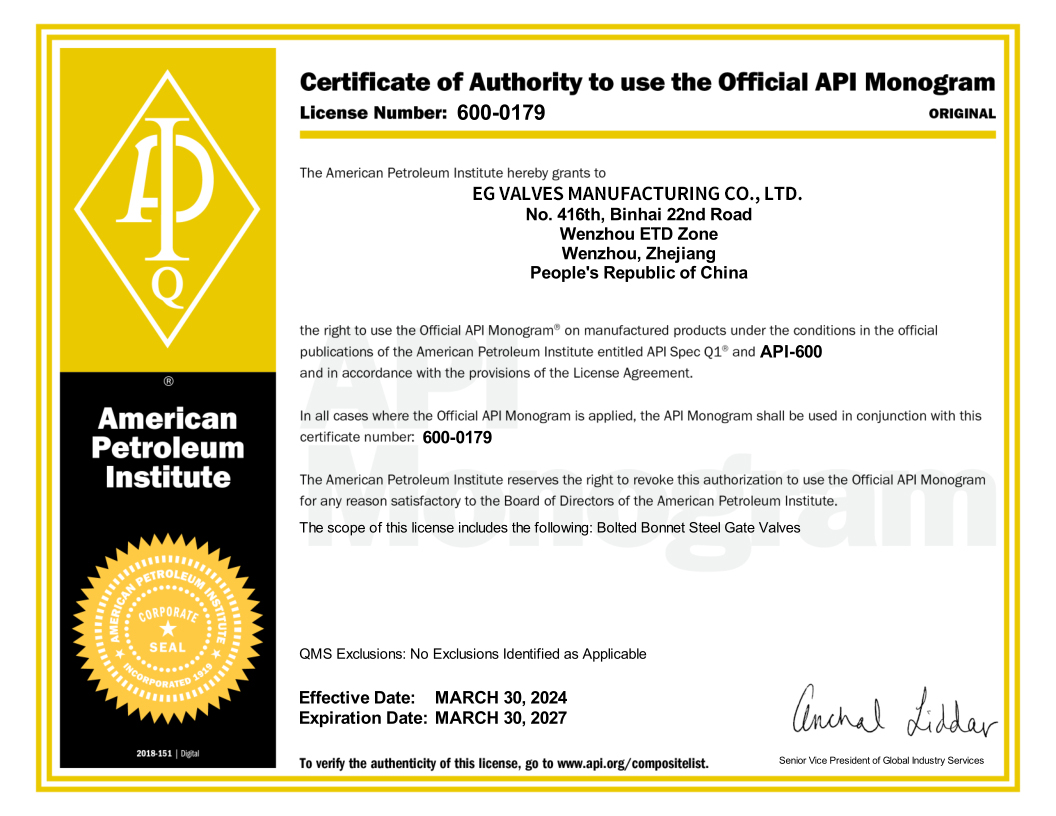
API 6D & API 600: Specific to the oil & gas and petrochemical industries for ball/gate/check valves and steel gate valves, respectively.
CE/PED (2014/68/EU): Mandatory for placing pressure equipment on the European market.
Material Traceability: Provision of EN 10204 3.1 Material Test Certificates with every order is a mark of quality control.
3. Engineering for Harsh and Critical Environments
The supplier's design philosophy must prioritize durability and safety under stress. Key features to evaluate are:
Robust Construction: Features like bolted bonnets, pressure seal designs, blow-out proof stems, and fire-safe testing.
Sealing Technology: Advanced sealing solutions for zero leakage, including soft seats (EPDM, NBR, FKM) and metal-to-metal seats for high temperatures.
Actuation Compatibility: Valves designed for seamless integration with manual, pneumatic, electric, or hydraulic actuators to meet automation needs.
Case Study: EG Valves' Solution for a UAE Petroleum Refinery
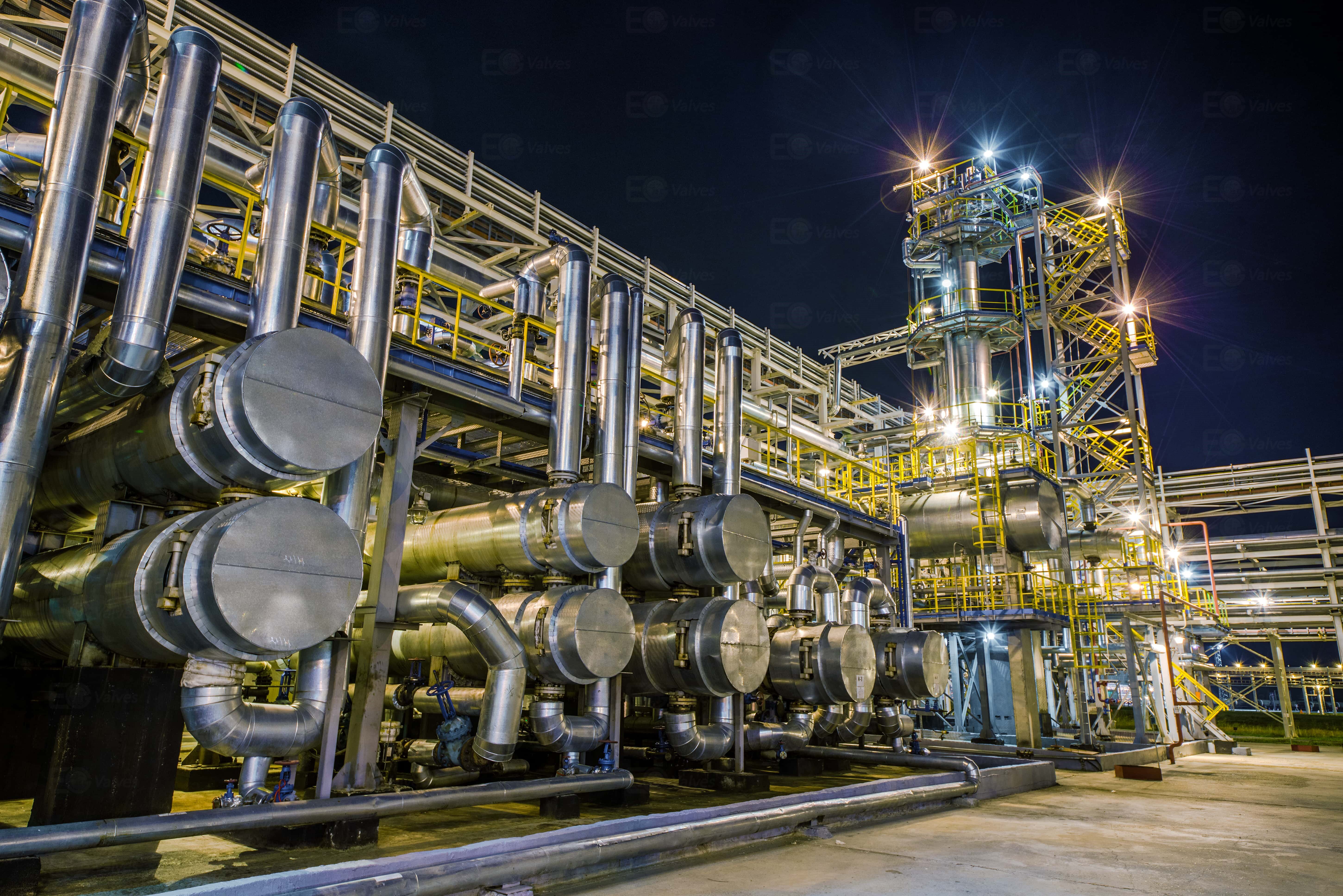
A practical example illustrates how a specialized supplier addresses complex needs. EG Valves supplied a total of 915 pieces of gate, globe, check, ball, and butterfly valves for a refinery project in the United Arab Emirates.
Client Challenge: The project required valves to manage high-pressure systems while ensuring reliability and safety in a corrosive refinery environment. The valves needed to comply with international standards for a critical, continuous-process application.
EG Valves' Solution: The supplied valves included sizes from 2" to 36" and pressure classes from 150 to 1500, with materials including WCB, WC6, WC9, and C5 grades suitable for varying temperatures and corrosive services. The valves were designed with features such as fire-safe construction and low emission packing.
Result: According to the case details, the EG valves have operated safely and steadily, ensuring the smooth operation of the client's refining projects for 8-10 years. This demonstrates the long-term reliability achievable through proper supplier selection.
Strategic Collaboration: Key Points for Procurement Success
Selecting the right supplier is the first step; establishing a productive partnership is crucial for project success.
- Define Standards and Specifications Upfront: Clearly communicate the required industry standards (API, ANSI, DIN), pressure-temperature ratings, material grades, and end connection types. Ambiguity leads to delays and cost overruns.
- Leverage Supplier Technical Support: Engage the supplier's engineering team early. Reputable suppliers provide technical guidance for system integration, which can optimize valve selection and layout.
- Discuss Logistics and After-Sales Support: Clarify lead times (e.g., 25-35 days for standard items), minimum order quantities (MOQ can be as low as 1 piece for large valves), and incoterms. Ensure the supplier has a clear protocol for after-sales support, documentation, and handling of any potential issues.
- Request References and Visit Facilities: Where possible, review similar project case studies and consider auditing the supplier's manufacturing and quality control processes.
Conclusion: Partnering for Performance and Safety
Procuring valves for specialized industrial applications is a technical decision with significant implications for operational safety, efficiency, and total cost of ownership. By focusing on suppliers with proven industry experience, a solid compliance foundation, and engineering expertise for harsh environments, procurement professionals can mitigate risk and secure reliable, long-lasting solutions. Suppliers like EG Valves, with over 25 years of operational experience and a focus on manufacturing to international standards, exemplify the partner profile that can deliver value across the lifecycle of critical industrial assets.
For a detailed overview of product specifications and capabilities, you can download the EG Valves brochure: EG Valves Corporate Brochure (PDF).