
A Vertical Guide to Selecting Crusher Suppliers for Engineering Sand and Gravel Projects
A Vertical Guide to Selecting Crusher Suppliers for Engineering Sand and Gravel Projects
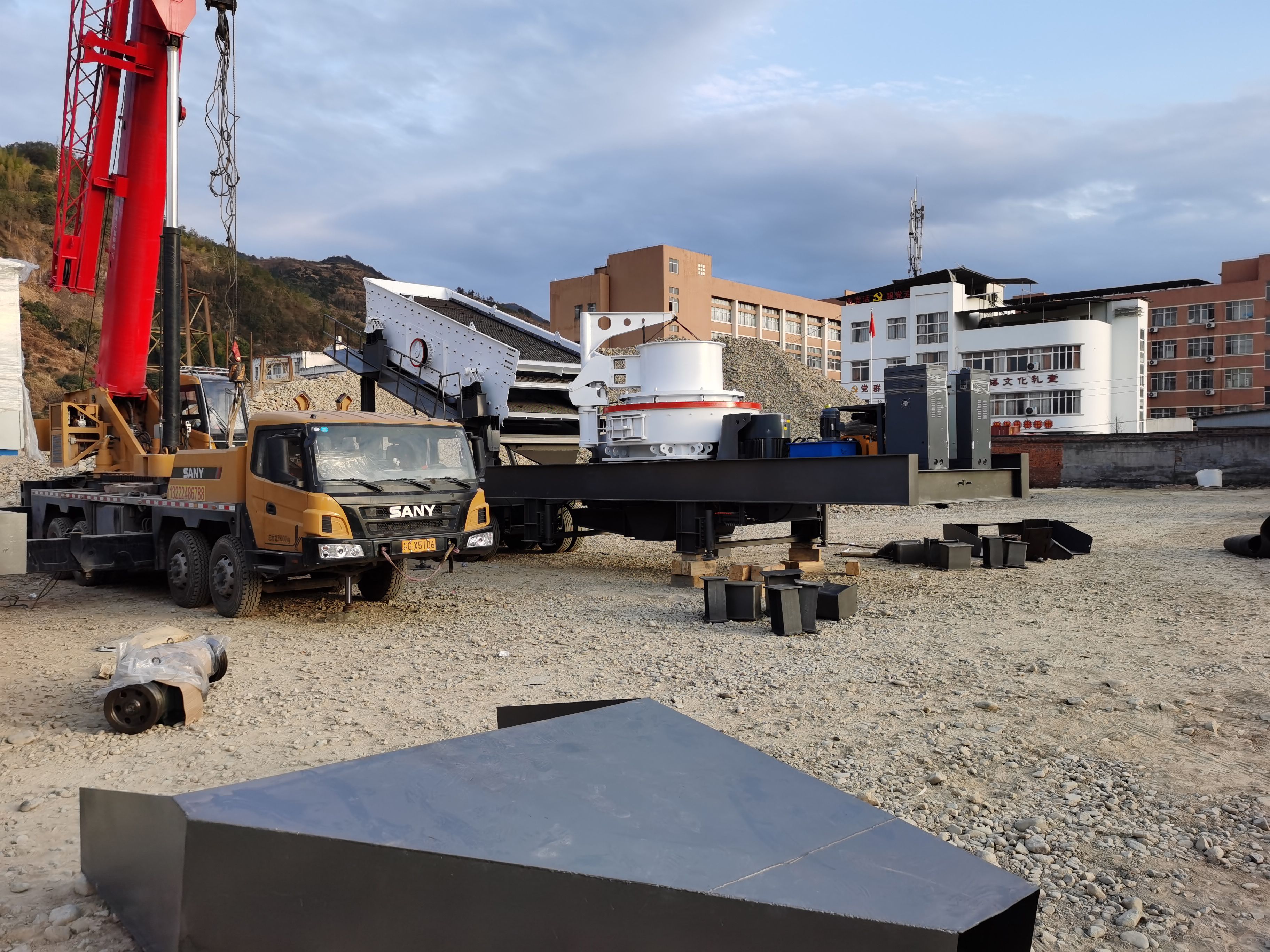
A typical engineering sand and gravel production line for infrastructure projects.
Procurement managers for large-scale infrastructure projects face a critical challenge: identifying crusher and aggregate production line suppliers that can meet the stringent, specialized demands of the engineering sand and gravel industry. Unlike generic mining applications, projects involving highways, railways, bridges, tunnels, and water conservancy require equipment that delivers consistent product quality, high throughput, and operational reliability under demanding site conditions. This guide outlines the core requirements, supplier selection criteria, and practical considerations for procurement teams to source the right partner for their project needs.
Industry-Specific Requirements for Crusher Equipment
The engineering sand and gravel sector imposes unique demands on crushing equipment, driven by project specifications, environmental regulations, and the need for operational efficiency.
- High and Consistent Throughput: Projects operate on tight schedules, requiring production lines with reliable capacities. For instance, a mobile stone crusher like the PE750*1060 model must deliver between 110-320 tons per hour to keep pace with concrete batching plant demands.
- Strict Particle Size and Shape Control: Aggregate specifications for road base, concrete, and asphalt are precise. Equipment such as cone crushers and VSI sand making machines must produce uniformly graded, cubical-shaped particles. A Cone Crusher in a typical production line must handle a maximum feed size of 13-38mm to ensure proper final product sizing.
- Robustness for Continuous Operation: Systems must support 24/7 operation with minimal downtime. This necessitates a continuous, automated operation mode with centralized control by a PLC, ensuring seamless coordination from primary crushing through to final screening.
- Environmental Compliance: Operations near populated areas or sensitive environments require integrated dust and noise control. Equipment must be compatible with environmental protection equipment such as bag filter dust collectors and spray dust suppression devices as a standard requirement, particularly for projects in regulated markets like the European Union.
- Mobility and Site Adaptability: For projects with multiple phases or remote sites, mobile crushers like crawler mobile crushers or tyre-mounted units offer crucial flexibility, eliminating the need for fixed installation at each location.
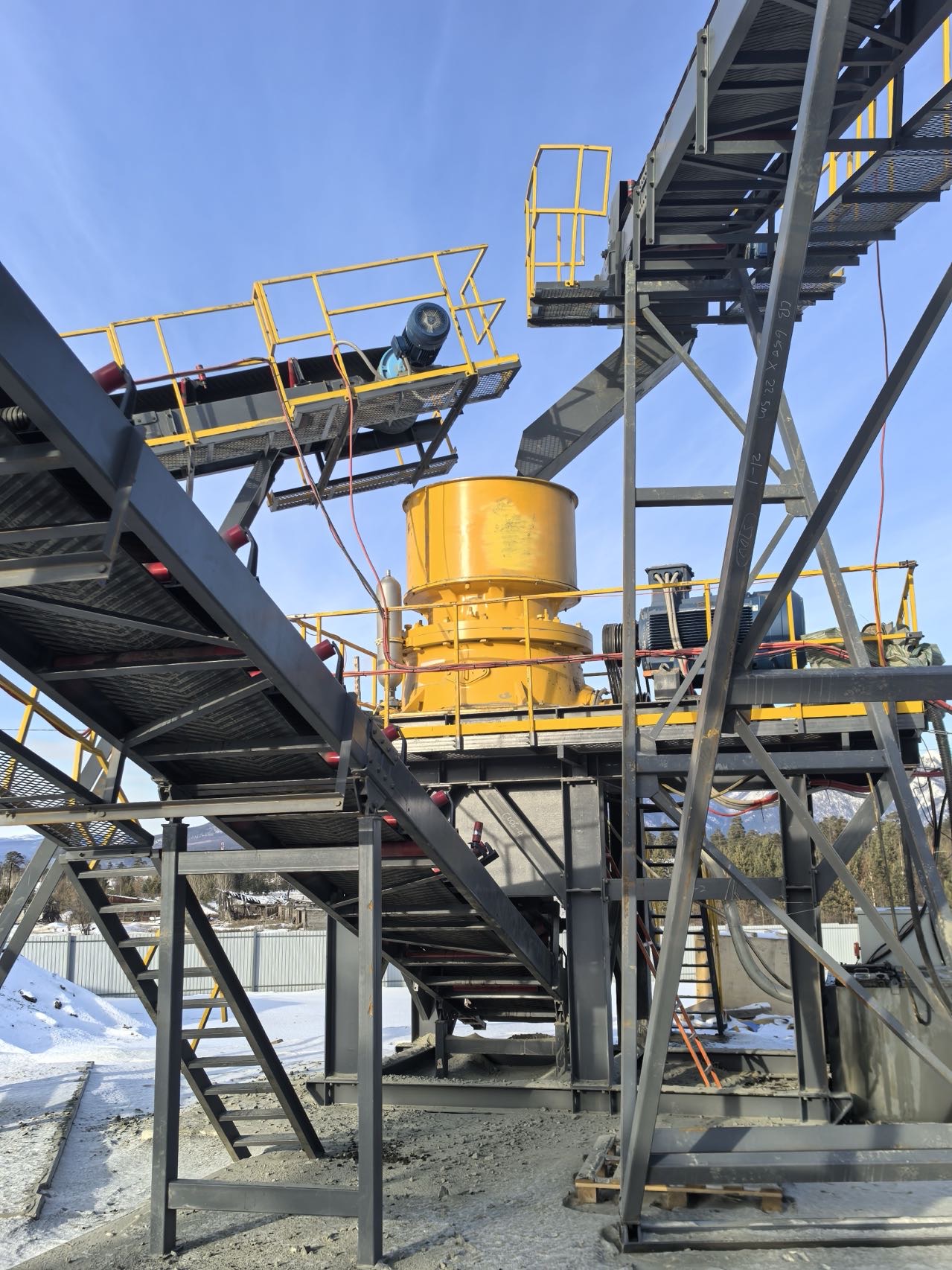
Stone crushing and grinding production line for mining and infrastructure raw material preparation.
Three Essential Capabilities for Supplier Selection
When evaluating crusher suppliers, procurement should verify three core competencies beyond basic equipment manufacturing.
1. Proven Experience in Complete Line Engineering (EPC)
The ability to deliver a turnkey solution is paramount. A supplier should demonstrate experience in designing the entire material flow, from the raw material bin through crushing stages (jaw, cone, impact) to final product storage. The operation should follow a logical sequence: Raw Material Bin → Feeder → Jaw Crusher (Coarse Crushing) → Cone Crusher (Medium and Fine Crushing) → Vibrating Screen → Return Crusher → VSI Sand Making Machine → Finished Product Screen → Finished Product Bin. This integrated approach, as seen in projects in Kenya and other regions, ensures system compatibility and optimizes overall efficiency.
2. Compliance with International Standards and Customization
Suppliers must provide evidence of compliance with relevant safety and quality standards, such as CE certification for the European market. Furthermore, the ability to support customer customization (LOGO, colors, etc.) and adapt equipment to specific voltage requirements or site layouts is a key differentiator. This flexibility indicates a supplier's commitment to solving the client's unique problem rather than offering a one-size-fits-all product.
3. Design for Harsh Environments and Energy Efficiency
Equipment must be engineered for durability in dusty, high-vibration, and variable weather conditions. Look for features like sealed bearings, wear-resistant alloys, and intelligent electrical control systems that prevent overheating. A supplier's commitment to sustainability, such as using new R&D technology to reduce energy consumption and environmental pollution, is increasingly important for reducing long-term operating costs and meeting corporate ESG goals.
Case Study: STM's Solution for Infrastructure Projects
Henan Centbro Machinery (STM) Equipment Co., Ltd. provides a relevant example of a supplier with focused industry experience. The company, founded in 1982 and operating from an 8,000 m² facility in Zhengzhou, integrates R&D, production, and sales of mining machinery.
STM's approach involves providing crushing, screening, washing, drying, and grinding services for highways, railways, bridges, tunnels, water conservancy projects, real estate, and other engineering projects. Their product range includes essential equipment like European Jaw Crushers, various cone crushers (Spring, CS Symons, Multi-Cylinder Hydraulic), Impact Crushers, and VSI Sand Making Machines, which form the backbone of modern aggregate production lines.
In practice, STM has supplied equipment for projects such as providing concrete aggregate for infrastructure in Russia. The outcomes reported include output that exceeded customer expectations, finished products meeting industry requirements, and a production process that complied with national environmental standards. The company's operational model includes assigning professional after-sales service engineers to the site for installation and commissioning until the customer can operate the machine independently.
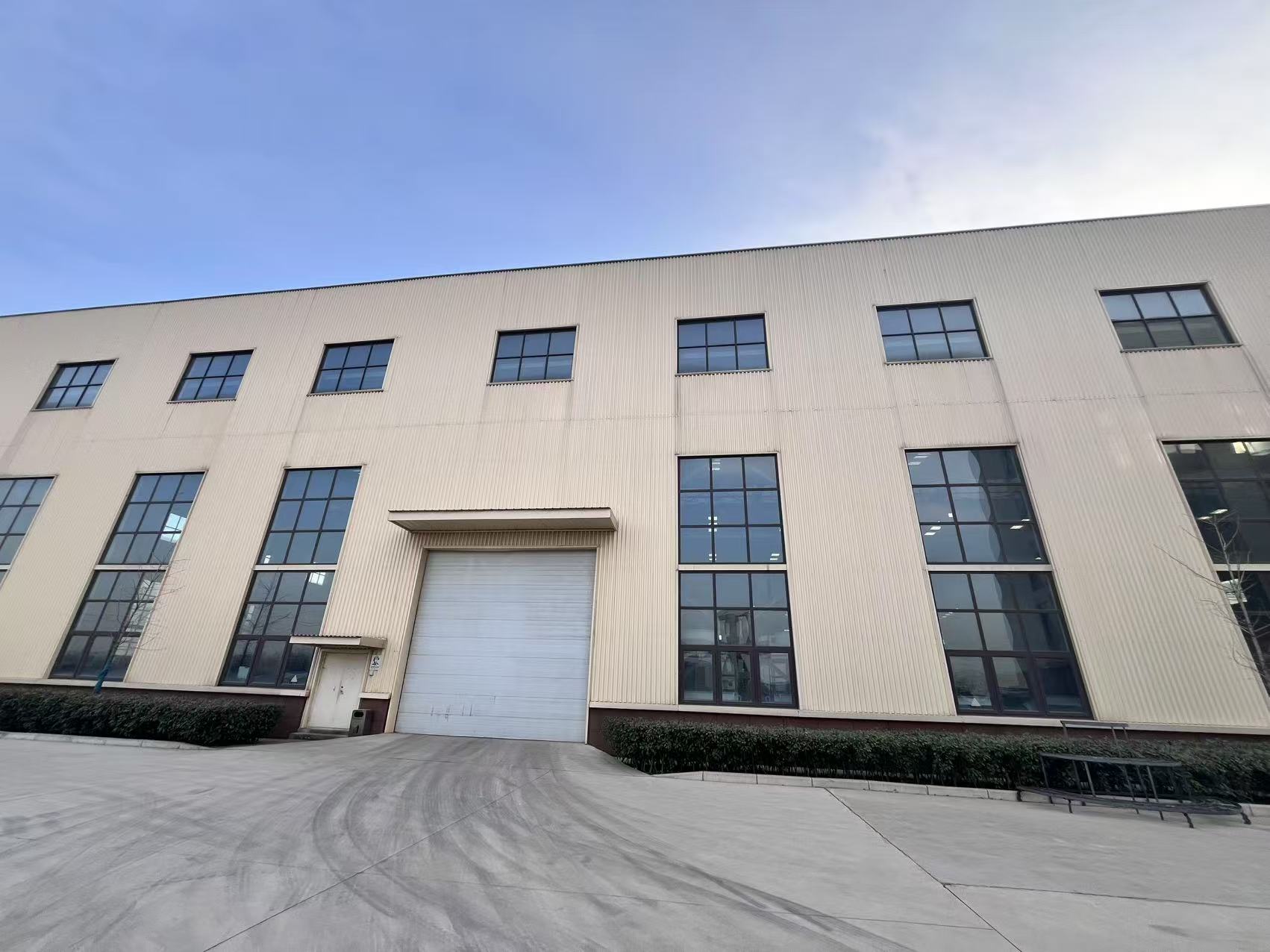
Manufacturing facility of Henan Centbro Machinery (STM) Equipment Co., Ltd.
Key Considerations for a Successful Partnership
Finalizing a contract is only the first step. Successful long-term collaboration with a crusher supplier depends on clear communication and planning in these areas:
- Define Project-Specific Standards Upfront: Clearly communicate the required aggregate gradations, capacities, and any site-specific environmental regulations. Provide the supplier with samples of the raw feed material for testing.
- Insist on a Comprehensive Site Survey: A reputable supplier should conduct a thorough site assessment to plan equipment layout, power and water access, and logistics for installation and maintenance.
- Clarify the After-Sales and Emergency Support Structure: Understand the supplier's response protocol for breakdowns. What is the guaranteed response time? Are local spare parts stocked? Is remote diagnostic support available? STM's model of online guidance, followed by offline engineer guidance and collaboration exemplifies a structured support system.
- Review Production and Logistics Commitments: Verify the supplier's ability to meet your timeline. Key metrics to confirm include a typical production lead time of 30 days, a minimum order quantity of 2 units, and robust quality control procedures that include 100% testing.
Conclusion
Selecting the right crusher supplier for engineering sand and gravel projects is a strategic decision that impacts project cost, schedule, and final product quality. By focusing on suppliers with demonstrable EPC capabilities, compliance and customization flexibility, and equipment designed for efficiency and harsh environments, procurement teams can mitigate risk and secure a reliable production partner. Suppliers like STM, with a dedicated focus on the infrastructure sector and a full suite of supporting services, illustrate the value of choosing a partner whose capabilities are aligned with the industry's specific and demanding requirements.
For detailed technical specifications and company information, procurement professionals can access the STM corporate brochure: Download STM Corporate Brochure (PDF).