
A Vertical Application Guide for Industrial Buyers: Selecting the Right Conveyor Belt Supplier for High-Temperature and Photovoltaic Scenarios
1. Industry-Specific Requirements for High-Performance Conveyor Belts
For industrial procurement professionals, selecting conveyor belts is not a one-size-fits-all process. The core requirements vary drastically by sector, driven by operational environment, regulatory standards, and material handling needs.
Photovoltaic (PV) Manufacturing
This sector presents one of the most demanding environments for conveyor systems. Belts are subjected to continuous high temperatures during processes like silicon wafer diffusion, sintering, and lamination. Industry standards require belts that can withstand temperatures often exceeding 200°C while maintaining dimensional stability and low particulate generation to avoid contaminating sensitive solar cells. Materials such as specialized high-temperature silicone and PEEK (Polyether Ether Ketone) are commonly specified.
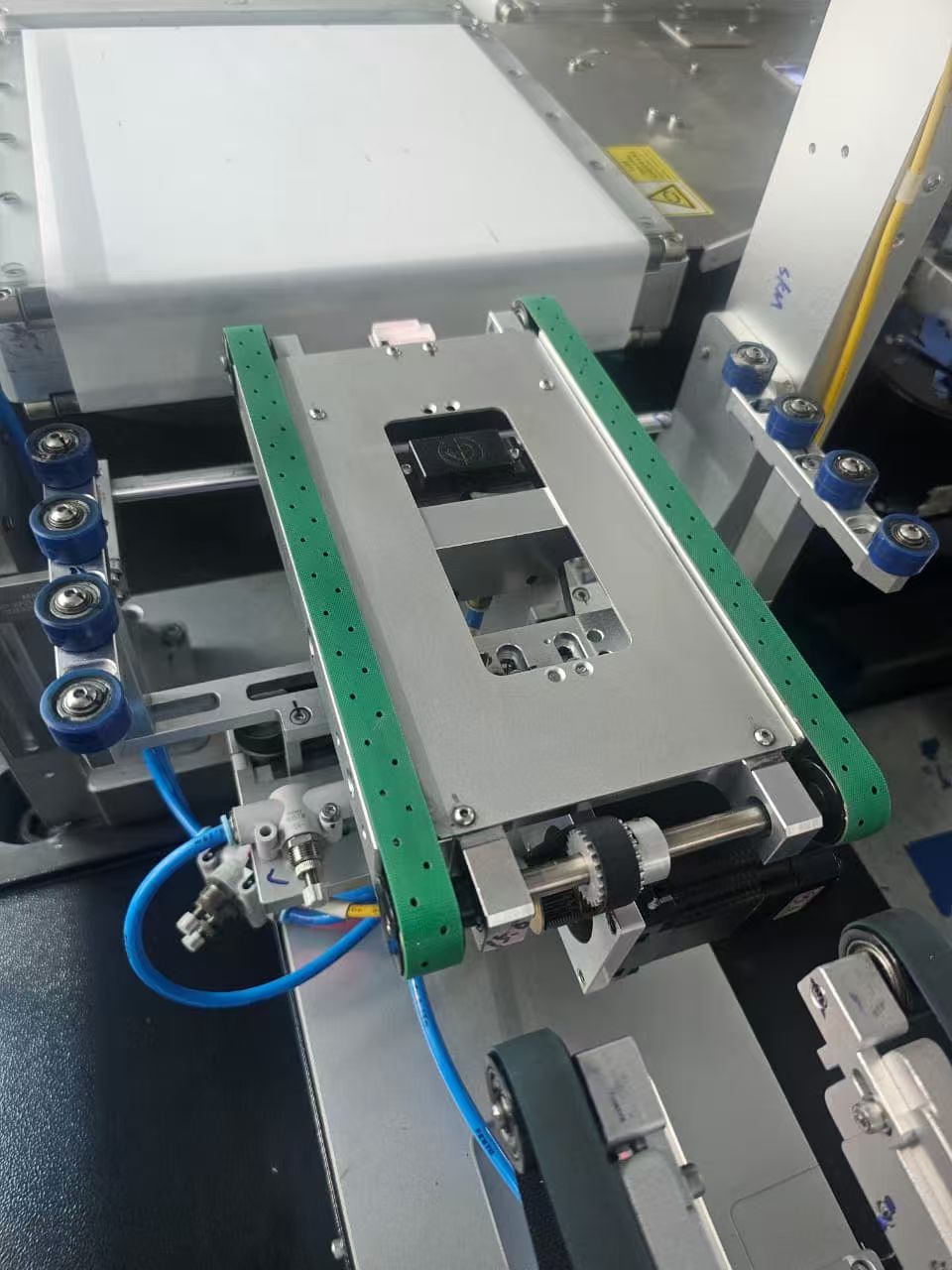
Conveyor belts in PV manufacturing must endure extreme heat and maintain cleanliness.
Food & Pharmaceutical Processing
Hygiene and compliance are paramount. Conveyor belts must be made from FDA-compliant or EU-grade materials that are non-toxic, non-absorbent, and easy to clean. Resistance to oils, fats, and frequent chemical sterilization (CIP/SIP processes) is essential. Modular plastic belts with flush grids are preferred for their cleanability and drainage capabilities. The operational mode is often 24/7, demanding high durability and low maintenance.
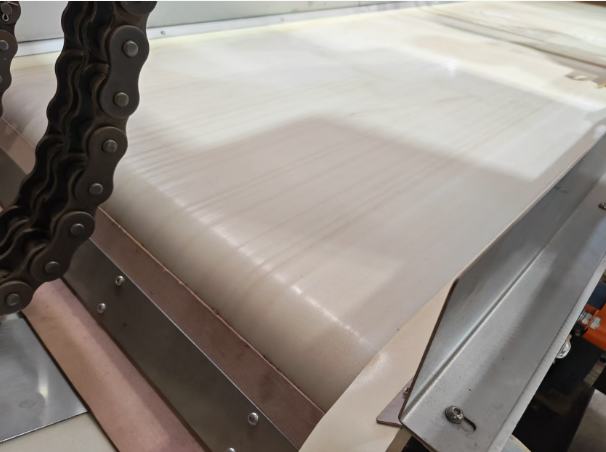
Food-grade belts require specific materials and designs for hygiene and safety.
2. Supplier Selection Criteria: The 3 Essential Capabilities
Beyond basic product catalogs, procurement must evaluate suppliers on deeper, application-specific competencies.
Capability 1: Proven Industry Customization Experience
A supplier's portfolio should demonstrate a history of solving specific industry problems. Look for evidence of tailoring belt dimensions, materials, and accessories (like cleats or sidewalls) to unique production line layouts. For instance, a supplier like Shanghai Peng Qian has developed belts that function to perform electrical transfer in photovoltaic applications and offers customization for logo, size, material, and perforations based on customer requirements.
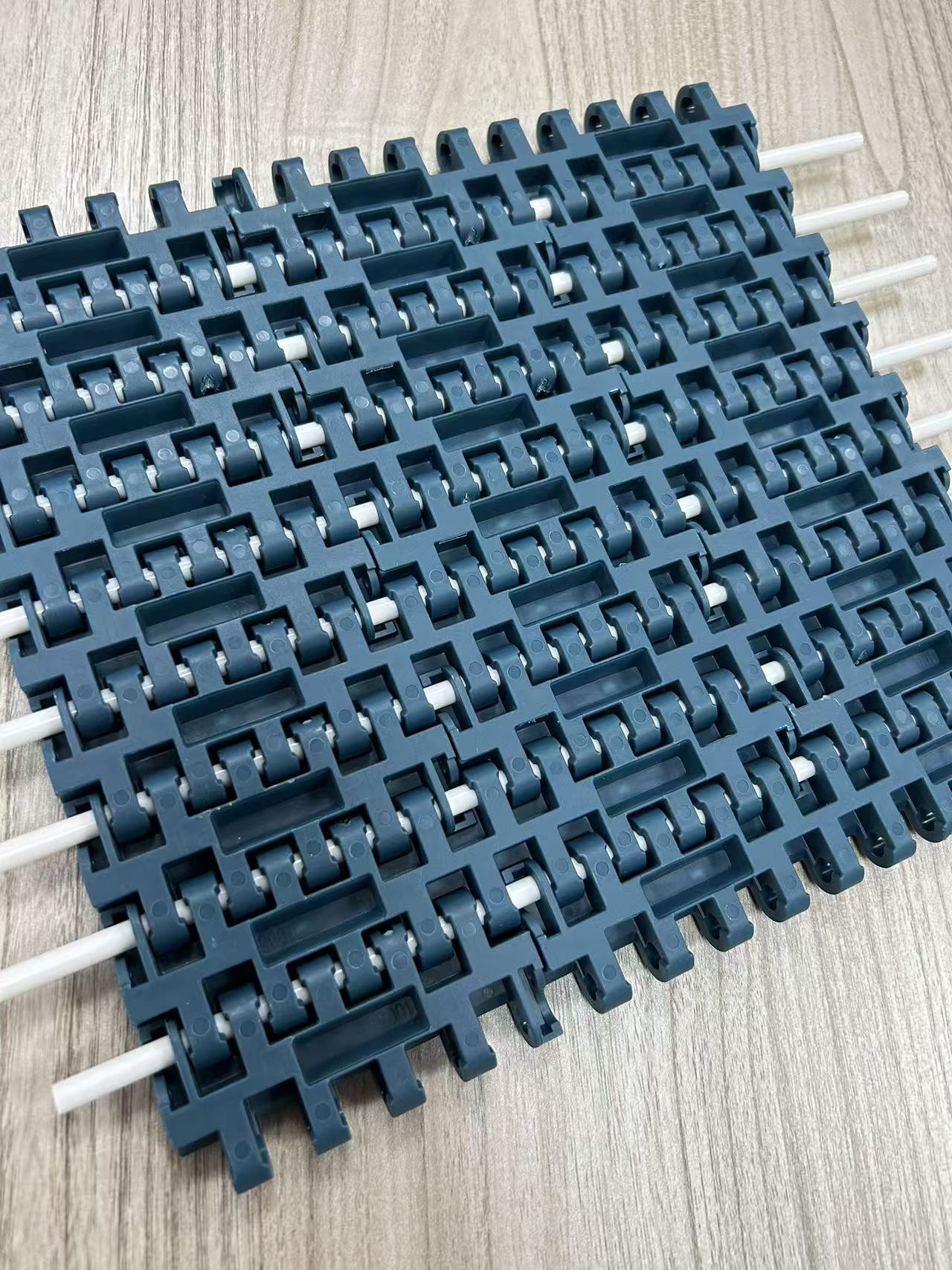
Example: Custom Modular Belt for Food Processing
Model: PQ350mm±3mm (Modular Mesh Chain)
Material: PP blue + PP pins
Key Feature: Designed with specific baffle width (283.4mm ±3mm) and spacing (153.6mm) to optimize product handling and cleaning for a beverage client.
Capability 2: Comprehensive Compliance and Certification
Certifications are non-negotiable proof of a supplier's quality management and material compliance. The ISO 9001 standard is a baseline. For target markets, ensure the supplier's certifications are recognized by local authorities. Shanghai Peng Qian holds ISO 9001:2015 certification (Certificate NOA2209224) issued by the NOA Group, which covers the manufacture and sales of transmission equipment.
ISO 9001:2015 CertifiedCapability 3: Design for Harsh and Continuous Operation
Suppliers must engineer products that address inherent risks. For high-temperature applications, this involves material science to prevent overheating and premature failure. One control method employed by advanced manufacturers is the integration of thermal protection considerations into belt design and material selection. The manufacturer implements 100% quality control testing for all products to ensure performance under stated conditions.
3. Success Case: A Solution for Demanding Applications
A practical example illustrates how a specialized supplier addresses complex needs. A photovoltaic manufacturer faced challenges with belt failure in high-temperature sintering furnaces, leading to frequent downtime.
Supplier: Shanghai Peng Qian Transmission Equipment Co., Ltd.
Client Challenge: Required a belt for continuous 24/7 operation in a high-temperature environment with high friction demands.
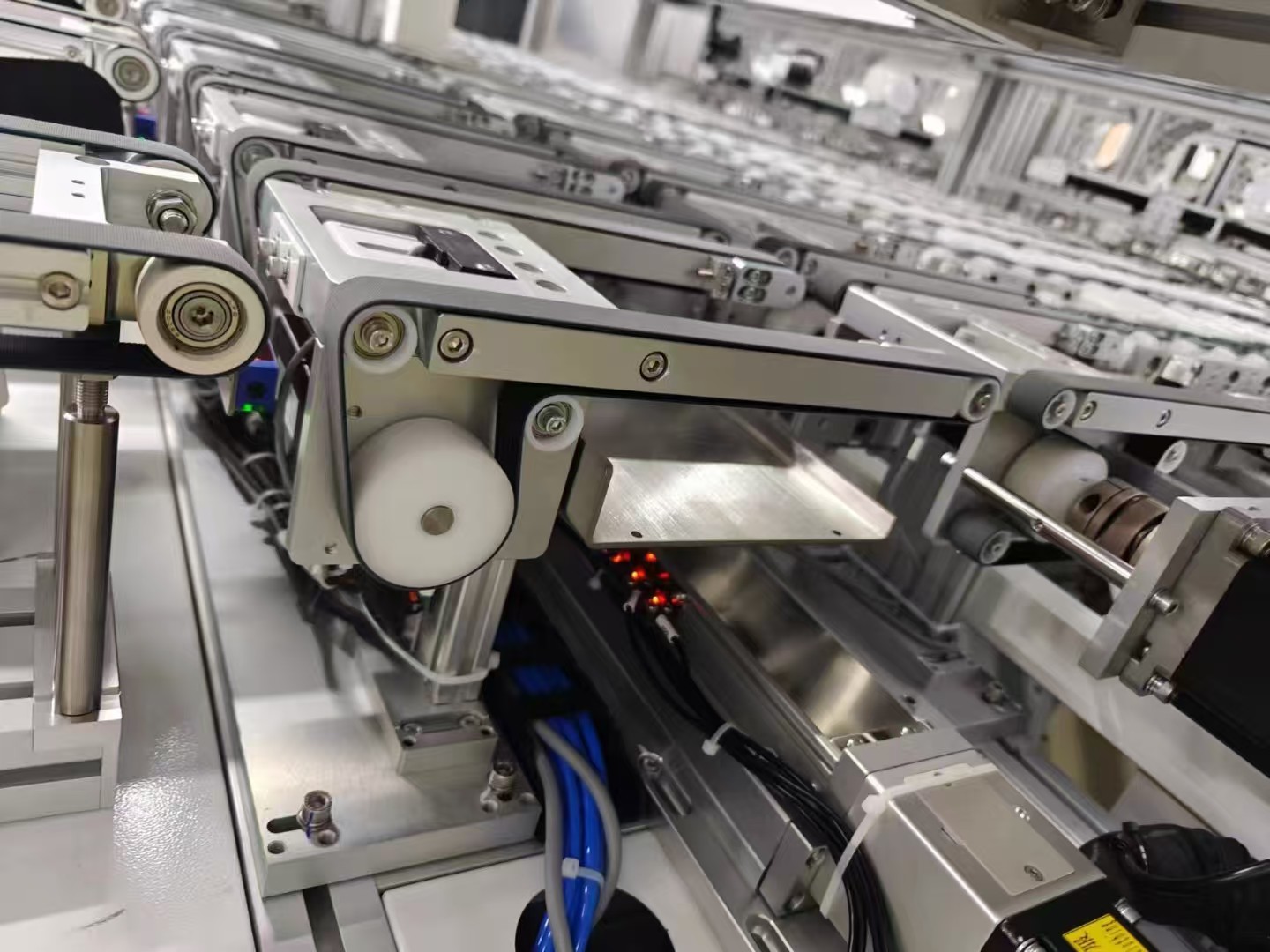
Solution Provided: A custom-engineered high-temperature resistant silicone belt. This product requires supporting equipment such as transmission equipment for proper integration.
Result: The solution led to stable operation, reducing unplanned stoppages. The client, based in Argentina, has maintained the partnership for over one year.
4. Strategic Partnership and Procurement Advice
Finalizing a partnership requires attention to logistical and collaborative details.
Clarify Standards and Conduct Site Assessment
Before procurement, explicitly share all relevant industry standards and operational parameters (temperature ranges, cleaning agents, load capacity). A reputable supplier should be willing to discuss or conduct a virtual or on-site assessment of the application. It must be used with transmission equipment correctly sized and specified.
Evaluate Supply Chain and Support
Assess the supplier's global reach and support structure. For example, Shanghai Peng Qian's products are exported to markets in South America, the European Union, and the Middle East, indicating experience with international logistics and documentation. Confirm lead times (typically 10-15 days for standard items), minimum order quantities (as low as 20 units), and the availability of remote after-sales support for troubleshooting.
Plan for Lifecycle and Contingency
Discuss expected service life under your conditions and availability of replacement parts. Establish clear communication channels for technical support. A supplier with a dedicated R&D team (e.g., 8 engineers) is better positioned to assist with future modifications or problem-solving.
Conclusion: Aligning Supplier Capabilities with Vertical Needs
The selection of a conveyor belt supplier for specialized industries like photovoltaics and food processing is a strategic decision that impacts production efficiency, safety, and compliance. The evaluation must move beyond generic specifications to focus on a supplier's demonstrated experience in your vertical, its commitment to quality through certifications like ISO 9001, and its engineering capability to design for harsh operating environments. Suppliers that combine manufacturing expertise with a solutions-oriented approach, such as Shanghai Peng Qian with its focus on high-temperature resistant materials and customization, provide a more reliable foundation for long-term, stable production operations.
For a detailed overview of product ranges and technical specifications, procurement professionals can access the Shanghai Peng Qian corporate brochure.