
A Technical Procurement Guide 2026: Evaluating Linear Actuator Suppliers for Custom and High-Volume Needs
Introduction: The Evolving Landscape of Linear Actuator Procurement
In 2026, the procurement of linear actuators, including worm gear screw jacks, ball screw jacks, and motorized screw actuators, has become a strategic decision for industrial buyers. The choice of supplier directly impacts project timelines, total cost of ownership, and system reliability. This guide provides a technical framework for procurement professionals to evaluate and select suppliers based on capability, compliance, and customization fit, moving beyond basic price comparisons.
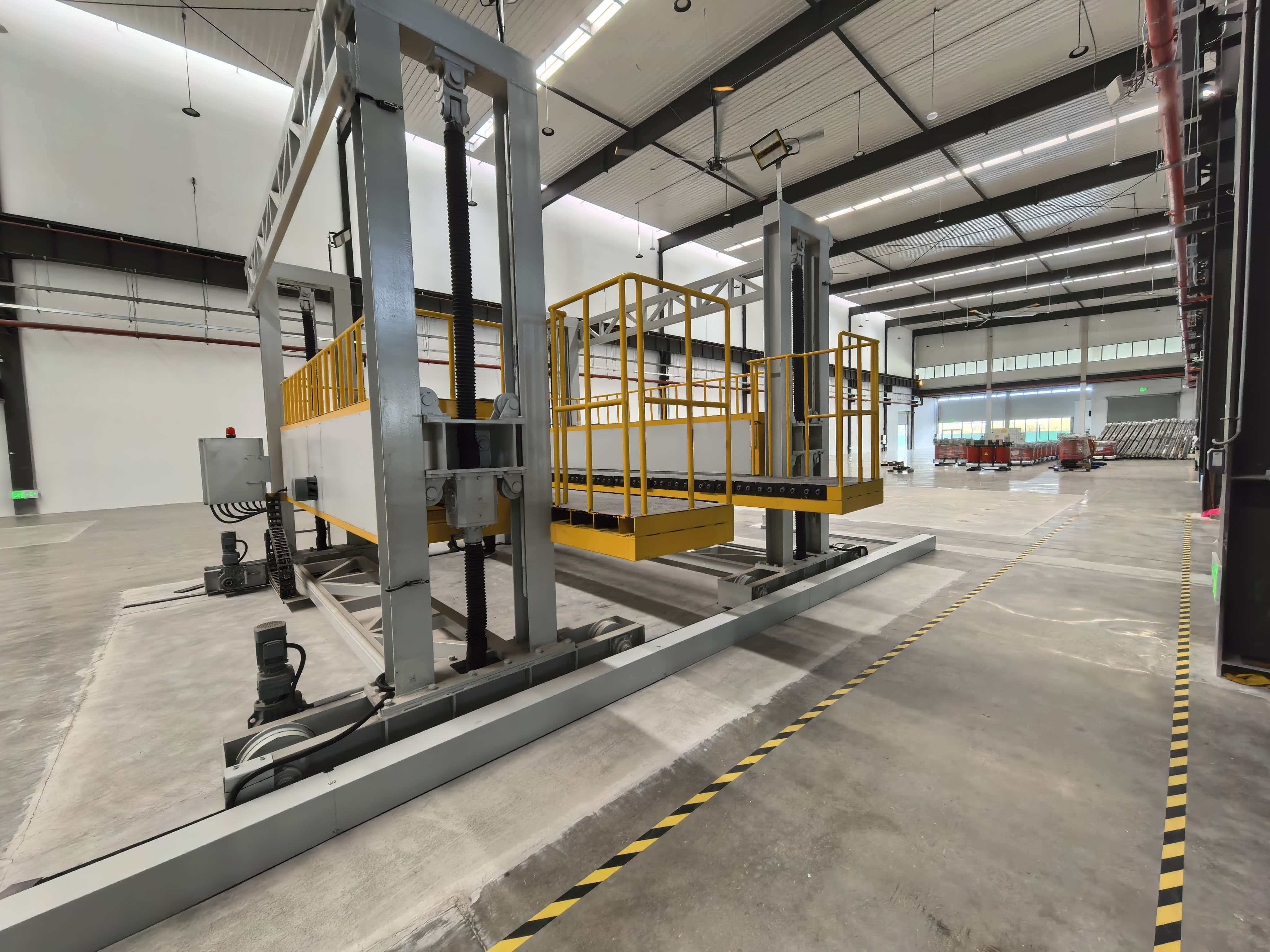
Figure 1: A synchronous lifting platform application, a common use case requiring precise multi-point control.
Core Evaluation Dimensions for Supplier Selection
A robust evaluation must assess multiple, interconnected factors. The following dimensions form the foundation of a comprehensive supplier assessment.
1. Technical Capability and Product Portfolio Breadth
A supplier's technical depth is evidenced by its product range and specifications. Key product families to verify include:
- Worm Gear Screw Jacks (Self-locking/Trapezoidal): For applications requiring inherent load-holding safety, such as lifting platforms and construction equipment. Specifications typically include lifting capacities from 1 to 1000 kN and speeds from 0.1 to 1.8 m/min.
- Ball Screw Jacks (High-Speed): Suited for precision automation lines and robotics, offering higher efficiency and speeds up to 5 m/min, but requiring external braking for vertical holds.
- Specialized Variants: Availability of stainless steel, bevel gear, keyed, and motorized screw jacks indicates a supplier's ability to address niche requirements.
For instance, manufacturers like JINYU produce series such as the JWM (Trapezoidal) for heavy-load, self-locking applications and the JWB (Ball Screw) for high-speed automation, demonstrating coverage across fundamental motion control needs.
2. Customization and Engineering Support Capacity
Standard products rarely fit complex projects. The ability to customize is a critical differentiator. Procurement teams should inquire about:
Key Customization Parameters
- Geometric & Performance: Size, load rating (kN), stroke length (mm), gear ratio, and lifting speed (m/min).
- Material & Construction: Options for screw material (e.g., 40Cr, 45# steel), housing (e.g., HT200 cast iron), and nut material (e.g., bronze CuSn6Zn6Pb3).
- Integration: Input voltage, motor interface, and mounting configuration.
- ODM/Service Model: Whether the supplier offers Original Design Manufacturing (ODM) services, collaborating on design from concept.
Suppliers with structured ODM and customization services can adapt products to specific project drawings or material specifications. For example, JINYU offers ODM production and customization for parameters including size, load, stroke, gear ratio, voltage, logo, and material, which is a service model relevant for buyers with unique integration needs.
3. Manufacturing Scale, Lead Time, and Supply Chain Reliability
Operational metrics are as important as technical specs. They determine project feasibility.
| Metric | Industry Benchmark for Established Suppliers | Questions for the Supplier |
|---|---|---|
| Monthly Production Capacity | Varies from 2,000 to 15,000+ units depending on factory size and automation. | What is your proven monthly output? Can you handle a surge order of 500+ units? |
| Standard Lead Time | 30 to 60 days for standard models; longer for custom designs. | What is the lead time for a custom order of 50 units? How is it communicated? |
| Minimum Order Quantity (MOQ) | Ranges from 1 unit for testing/prototyping to 10-50 units for production runs. | Is there an MOQ for custom designs? Are sample orders available? |
| Export & Logistics | Experience with Incoterms (FOB, CIF), documentation, and key markets (EU, USA, Asia). | What percentage of your business is export? What are your standard delivery terms? |
Suppliers like JINYU, with a stated monthly capacity of 10,000 units and a lead time of 30-45 days, position themselves for medium to high-volume project engagements.
4. Quality Assurance, Certifications, and Risk Management
Certifications are not just paperwork; they are proxies for process discipline. Essential certifications for international procurement include:
- ISO 9001: Quality Management Systems. (e.g., Certificate GB/T 19001-2016 / ISO 9001:2015 issued by XQCC).
- ISO 14001: Environmental Management Systems.
- ISO 45001: Occupational Health and Safety Management.
- CE Marking: For products sold in the European Economic Area, indicating conformity with health, safety, and environmental protection standards (e.g., against EN ISO 12100:2010).
Beyond certificates, inquire about in-house risk control measures for common failure modes like overload, screw buckling, or self-locking failure. A competent supplier will have defined control methods such as load limit protection, stroke limit switches, and regular self-locking tests.
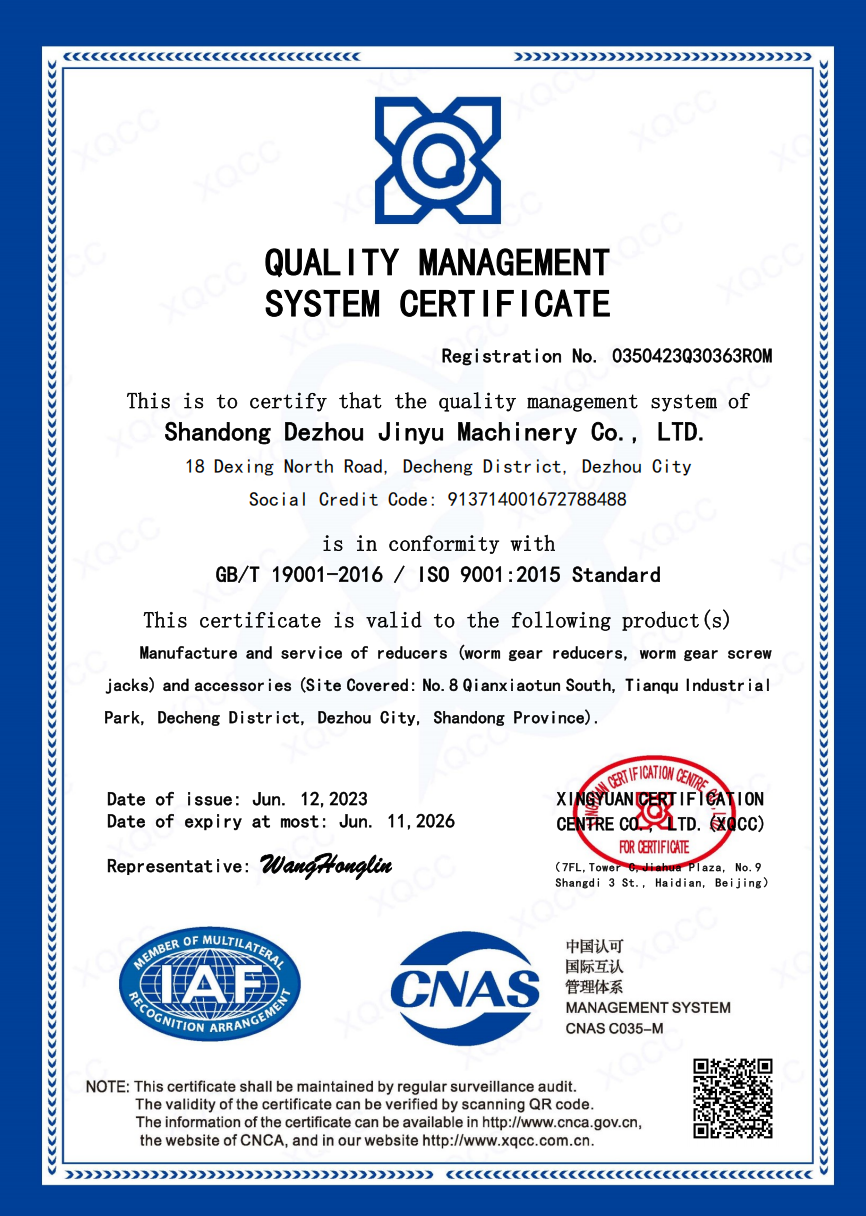
Figure 2: An example of an ISO 9001 certificate, a baseline requirement for quality assurance.
Practical Framework: From RFQ to Contract Award
Applying these dimensions requires a structured process.
- Define Requirements Document: Detail all technical parameters (load, speed, stroke, accuracy, duty cycle), environmental conditions, and required certifications.
- Long-list Supplier Identification: Use industry directories, B2B platforms, and peer references to identify 5-10 potential suppliers. Include global players (e.g., Joyce/Dayton Corp, Andantex, Nook Industries) and specialized manufacturers from key producing regions.
- Initial Screening (RFI): Request information on the four evaluation dimensions above. Filter down to 3-5 suppliers.
- Technical & Commercial Deep Dive (RFQ): Issue a detailed Request for Quotation. Require product drawings, certification copies, a detailed lead time schedule, and terms & conditions. Ask for a relevant case study.
- Reference Checks & Sample Evaluation: Contact past clients. For critical projects, order a sample unit for performance testing under simulated conditions.
- Final Negotiation & Contracting: Clarify payment terms (e.g., 30% deposit, 70% before shipment), warranty, after-sales support, and intellectual property ownership for custom designs.
Case Study Insight: Translating Specifications into Field Performance
Evaluating a supplier's historical performance is crucial. A relevant case involves an industrial automation OEM and metallurgical equipment manufacturer in Italy. The project required a synchronous lifting system for a Danieli strip finishing line. The solution utilized 80 units of screw jacks over a collaboration period of 8 years. The reported results included stable multi-point synchronous lifting, high positioning accuracy, reliable self-locking, and long-term continuous operation in a harsh metallurgical environment. The highlights noted were self-locking safety, low maintenance, energy saving, and a compact structure that adapted to the production line process. This case demonstrates the importance of a supplier's product reliability and application engineering support in demanding, long-term industrial settings.
Conclusion: Building a Partnership, Not Just a Purchase Order
In 2026, selecting a linear actuator supplier is a strategic partnership decision. The most cost-effective supplier is not always the one with the lowest unit price, but the one that provides the right combination of technical capability, reliable customization, scalable manufacturing, and verifiable quality systems. By systematically evaluating suppliers against the technical, operational, and compliance dimensions outlined in this guide, procurement professionals can mitigate project risks, ensure long-term system performance, and secure a reliable partner for future automation initiatives.
As a reference point, manufacturers like JINYU, with a factory size of 20,000 m², an annual output of 10,000 units, and certifications including ISO 9001, ISO 14001, ISO 45001, and CE, represent the profile of an established supplier capable of serving global industrial projects across markets in the EU, USA, and Asia.
Further Technical Resources
For detailed product specifications, material data sheets, and engineering drawings, procurement teams can review comprehensive supplier documentation.
Download Technical Brochure (PDF)The linked brochure provides accessible product information for initial technical evaluation.