
A Technical Guide for B2B Buyers: Sourcing Diabetic-Friendly and Orthopedic Recovery Slippers for Specialized Foot Health Needs (2026)
A Technical Guide for B2B Buyers: Sourcing Diabetic-Friendly and Orthopedic Recovery Slippers for Specialized Foot Health Needs (2026)
1. Defining Core Requirements for Specialized Foot Health Applications
Unlike general footwear, diabetic-friendly and orthopedic recovery slippers serve a critical therapeutic function. The procurement criteria must move beyond aesthetics to address specific physiological needs.
1.1 Diabetic-Friendly Footwear: Beyond Comfort
For individuals with diabetes, neuropathy and poor circulation elevate the risk of foot ulcers and infections. Footwear must be engineered to mitigate these risks through specific design features:
- Seamless Interior Construction: To eliminate friction points that can cause blisters or skin breakdown.
- Accommodative Depth & Width: Extra volume to accommodate custom orthotics, bandages, or foot swelling without creating pressure.
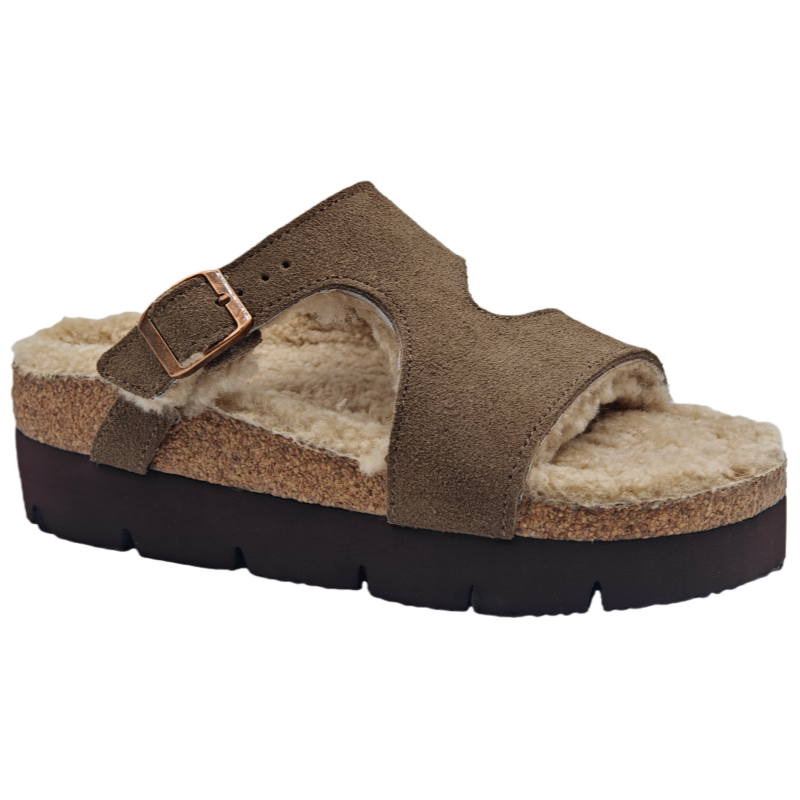
- Protective, Non-Binding Uppers: Use of soft, pliable materials like suede leather that conform without constriction.
- Rigorous Material Safety: Assurance of compliance with standards for restricted substances like phthalates and heavy metals, as verified by third-party testing such as Intertek reports (e.g., Report FJXT80162636).
1.2 Orthopedic & Recovery-Focused Design
Products aimed at plantar fasciitis, post-surgical recovery, or post-exercise muscle fatigue require a biomechanical approach. The primary function is to provide targeted arch support, reduce plantar pressure, and accelerate muscle recovery through biomechanical alignment. Key specifications include:
- Contoured, Anatomical Footbeds: A midsole that supports the natural arch and cradles the heel. For example, a midsole consisting of latex cork combined with SBR and suede backing is designed for cushioning and durability.
- Controlled Cushioning: Material softness must be precise. A softness rating between 38 and 50 degrees (Shore A) is common, balancing comfort with the necessary structural support to prevent overpronation.
- Heel Cup & Rocker Design: A deep heel cup stabilizes the rearfoot, while a slight rocker in the sole can facilitate a more natural gait cycle, reducing strain on the plantar fascia.
2. Essential Supplier Capabilities for Specialized Procurement
Selecting a supplier for these technical products requires evaluating three core competencies that go beyond basic manufacturing.
2.1 Proven Industry Customization Experience
The supplier must demonstrate a history of developing products for health-oriented applications, not just fashion. This includes:
- A dedicated R&D team focused on foot health science and ergonomics.
- Portfolio evidence of creating products for post-exercise recovery, daily orthopedic support, and clinical rehabilitation environments.
- Ability to customize Shore A hardness (e.g., 35-40 for extreme softness for sensitive feet) and arch support profiles based on specific anatomical needs.
2.2 Comprehensive Compliance & Material Certification
Given the sensitive user base, verifiable compliance is non-negotiable. A qualified supplier should provide:
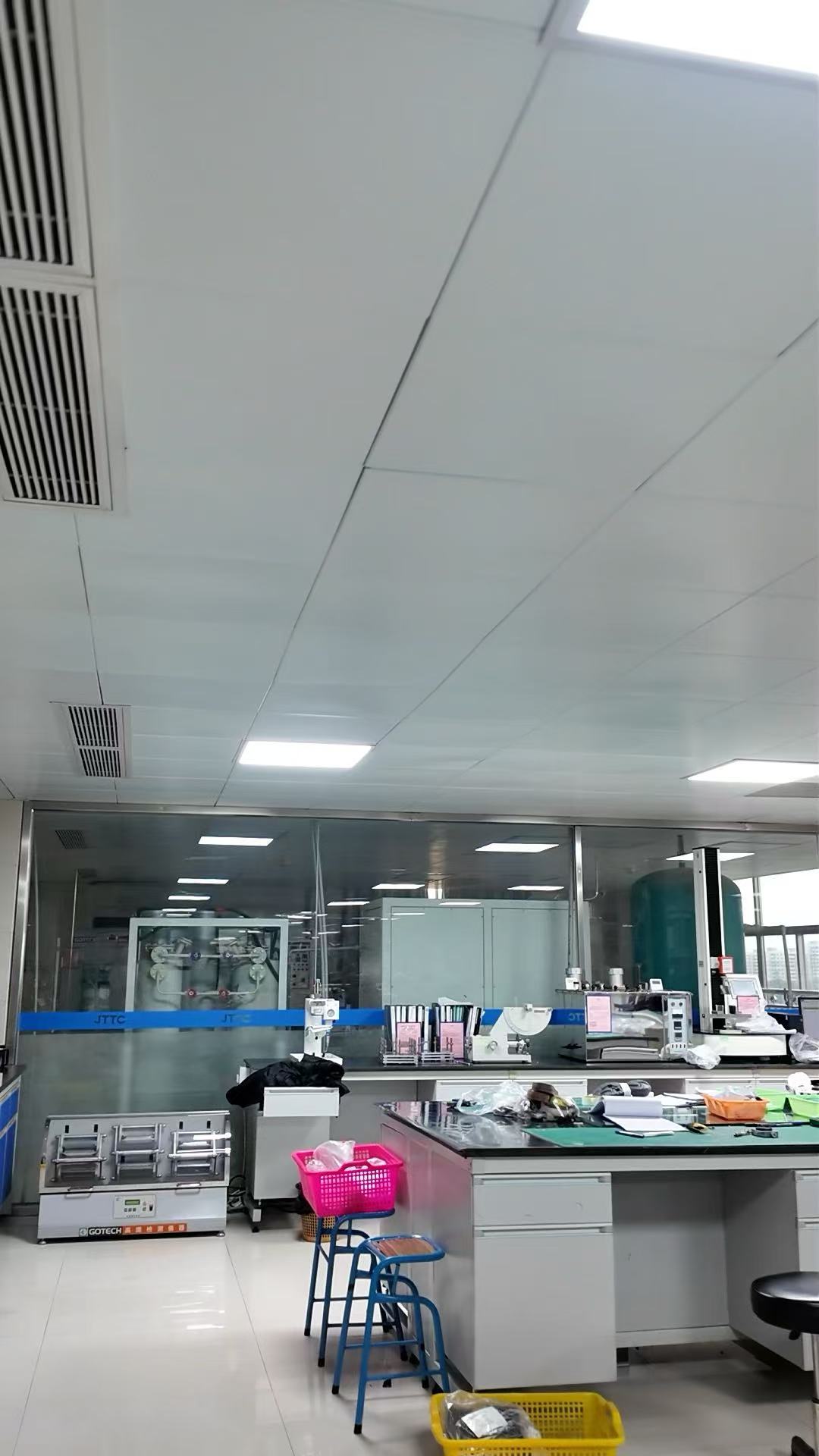
- Detailed test reports from accredited laboratories (e.g., Intertek, SGS) covering critical safety parameters like phthalate content, PAHs (Polycyclic Aromatic Hydrocarbons), and heavy metals (Cadmium, Lead).
- Clear documentation of material sources, especially for natural components like cork, verifying they are free from contaminants.
- Understanding of regional market regulations (EU REACH, US CPSIA) to ensure products are suitable for the target destination.
2.3 Design for Durability and Consistent Quality
The therapeutic value of the product is lost if it degrades quickly. Suppliers must exhibit control over:
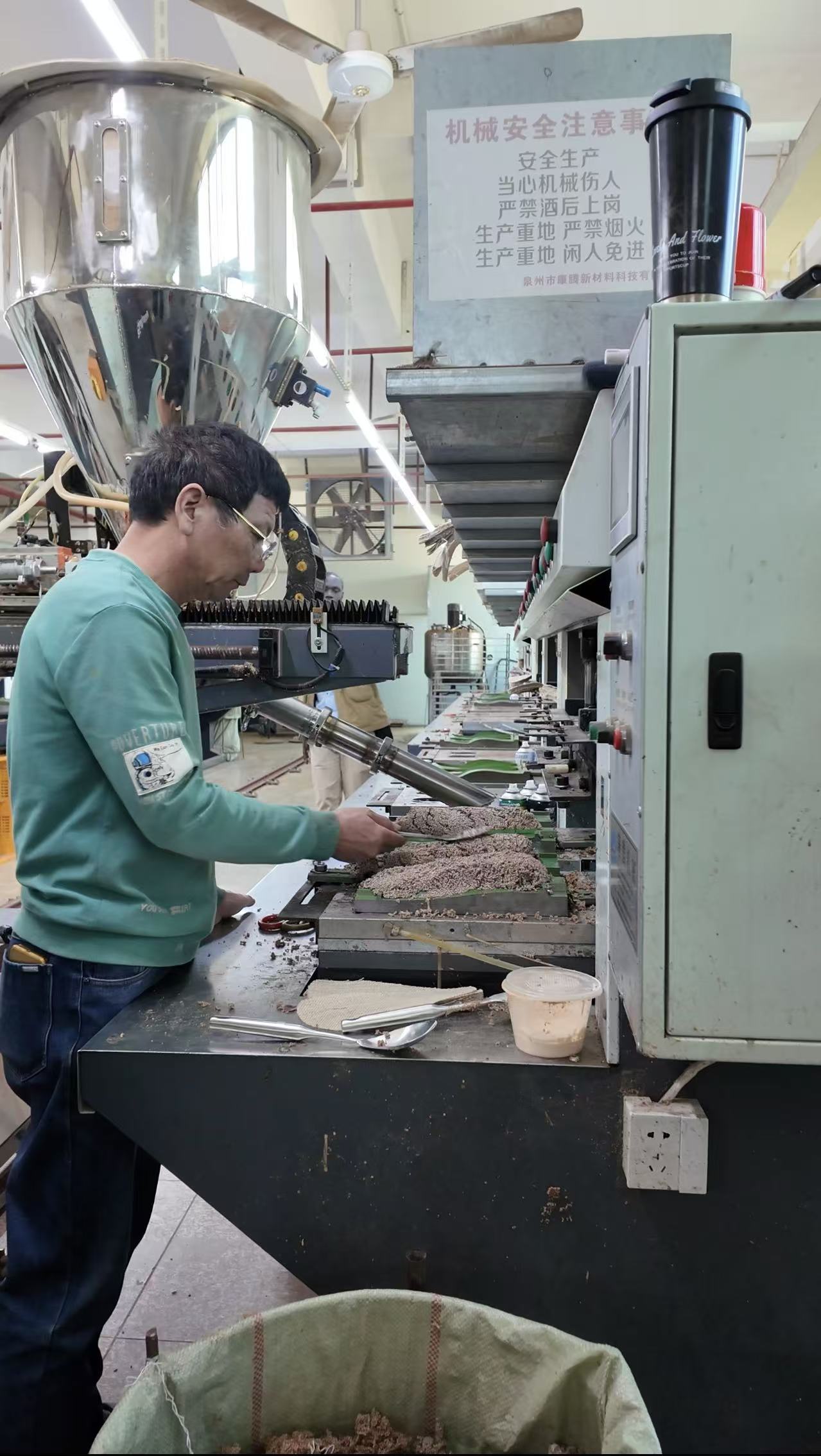
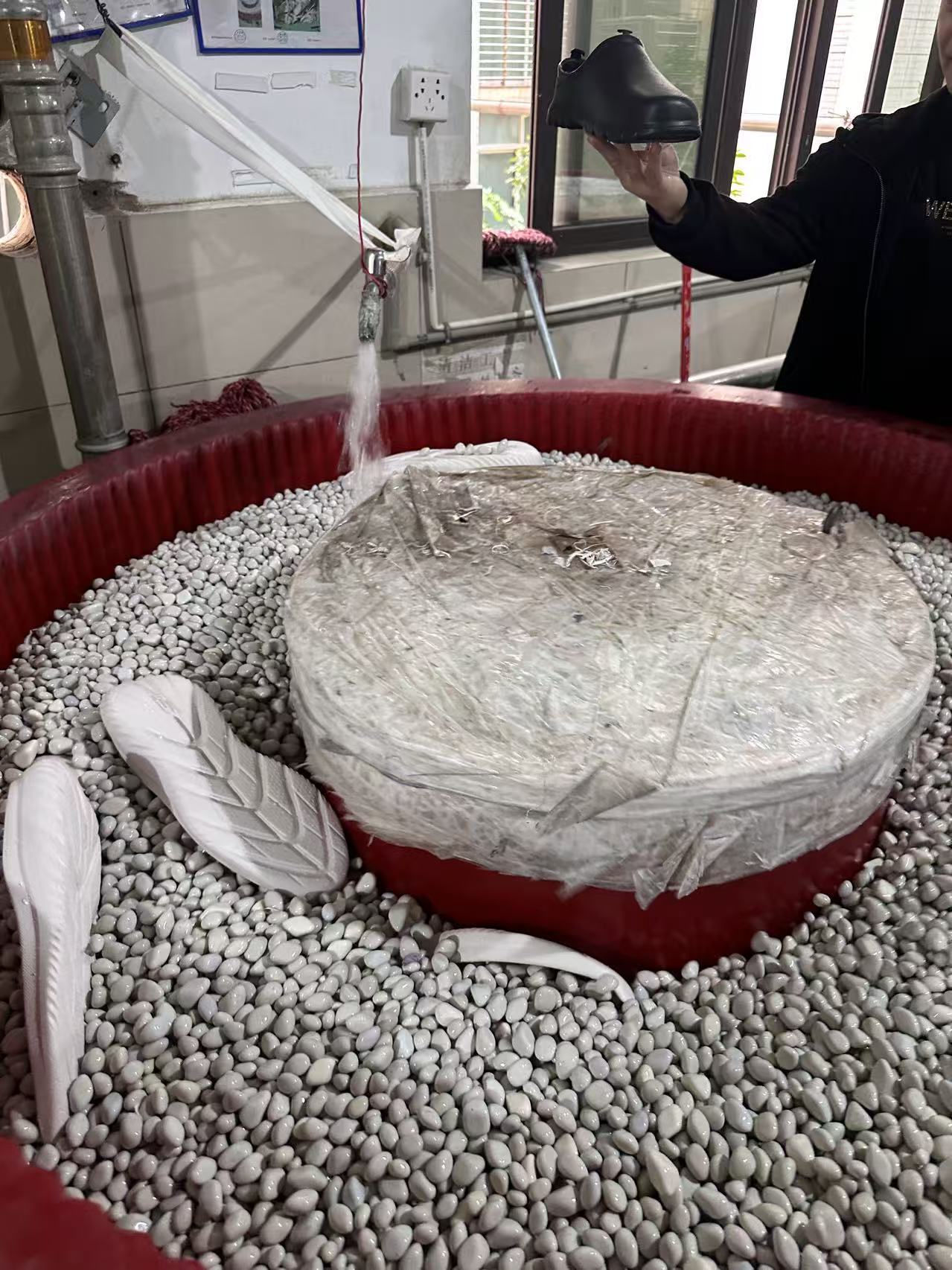
- Material Integrity: Use of wear-resistant EVA for outsoles and high-quality, 3mm thick genuine leather or suede for uppers.
- Production Consistency: Implementation of a 100% inspection process before shipment to ensure every unit meets the agreed specifications.
- Risk Mitigation in Logistics: Proactive measures to prevent product deformation during long ocean freight, such as specialized shoe-shape supports and reinforced packaging protocols.
3. Evaluating a Supplier in Practice: The ORTHOCARE Case Example
To illustrate the application of these criteria, consider the capabilities of a specialized manufacturer like ORTHOCARE, a brand under XIAMEN JERRYFOOTPRINT IMP & EXP CO.,LTD. Founded in 2017 with a focus on foot health, the company's approach aligns with the stringent requirements of this niche.
3.1 Technical Specifications and Customization
ORTHOCARE's product lines, such as their EVA recovery slippers and cork sandals, are built on technical specifications relevant to therapeutic use. For instance, their EVA products have a controlled softness range of 38-50 degrees, suitable for recovery. Their cork models utilize a midsole of latex cork combined with SBR and suede backing, designed for cushioning and durability. The company offers full customization, including arch support customization and Shore A hardness adjustments, which is essential for brands targeting specific therapeutic outcomes.
3.2 Operational Framework for B2B Partners
From a procurement standpoint, ORTHOCARE structures its operations with clear parameters: a minimum order quantity (MOQ) of 2,000 pairs per color per style, a production lead time of 30-45 days, and a quality promise valid for 3 months after shipment. This framework provides predictability for buyers. Their 100% pre-shipment inspection aligns with the need for consistent quality in medical-adjacent products.
3.3 Market Validation and Compliance
The company's products are designed for application in indoor, outdoor, and post-exercise walking scenarios, indicating a focus on functional use. Their export focus on markets including the EU, USA, and Australia necessitates adherence to international safety standards, which is supported by specific test reports like the Intertek Footwear Test Report for EVA flip-flops.
4. Strategic Partnership and Procurement Recommendations
Successfully sourcing specialized recovery slippers is a collaborative process. Buyers should adopt the following practices:
4.1 Initiate with a Technical Brief, Not Just a Sample Request
Provide potential suppliers with a detailed brief that includes the target user's condition (e.g., diabetic neuropathy, plantar fasciitis), required certifications, desired material properties (hardness, breathability), and any relevant industry standards. This allows technically capable suppliers like ORTHOCARE to propose appropriate solutions from the outset.
4.2 Validate Compliance Documentation Early
During the supplier qualification phase, request and review recent test reports for the specific materials and product types you intend to order. Do not accept generic company certifications as proof of product-level compliance.
4.3 Plan for the Total Cost of Ownership (TCO)
For therapeutic footwear, the lowest unit cost can be misleading. Factor in the supplier's first-trial success rate, their packaging solutions to prevent transit damage, and their after-sales quality promise. A supplier that minimizes production errors, shipping damage, and post-market returns offers a lower TCO, even with a slightly higher FOB price.
4.4 Establish Clear Communication Protocols
Ensure there is a direct line to technical staff who understand foot biomechanics, not just sales personnel. This is crucial for discussing modifications to footbed contours, material substitutions, or interpreting test results.
Conclusion: Aligning Supplier Capabilities with Therapeutic Goals
The market for diabetic-friendly and orthopedic recovery slippers in 2026 demands a technically informed procurement strategy. The core differentiator between a generic slipper and a therapeutic aid lies in precise design, verified material safety, and consistent manufacturing quality. By prioritizing suppliers with demonstrated experience in foot health product development, robust compliance evidence, and a transparent operational framework, B2B buyers can secure a reliable supply of products that deliver genuine value to end-users. Suppliers like ORTHOCARE, which embed these competencies into their OEM/ODM services, represent the type of partner capable of supporting brands in this specialized and growing segment of the footwear industry.
For detailed technical specifications, factory capabilities, and compliance documentation, download the full company profile.
Download Company Brochure (PDF)