
A Technical Analysis of the Party Tableware Wholesale Market: Ranking Dynamics and Supplier Selection for 2026
Market Data Overview
The global wholesale market for party tableware and supplies is projected to reach $XX.X billion USD by the end of 2026, with a compound annual growth rate (CAGR) of X.X% from 2021 to 2026. This growth is driven by the resurgence of large-scale social events post-pandemic, coupled with a sustained consumer shift towards premium disposable and eco-friendly options for weddings, corporate functions, and private celebrations.
Industry Definition and Background
This analysis focuses on the party tableware wholesale sector, which encompasses the bulk manufacturing and distribution of disposable and semi-disposable products used for serving food and beverages at events. Core products include plastic plates, party cutlery, party cups, plastic tableware sets, wholesale balloons, and party decorations. A significant and growing sub-segment is eco-friendly tableware, including products made from materials like sugarcane bagasse and cornstarch.
The market's core drivers are multifaceted. The demand for operational efficiency in event planning and catering has made premium disposable tableware a logistical necessity. Concurrently, regulatory pressures and heightened consumer awareness are accelerating the adoption of biodegradable tableware options. As noted in the recent industry analysis, "Chinese Top 3 Party Tableware Wholesale Manufacturers in 2026: Driving Steady Industry Development", manufacturers that combine scale, product diversity, and compliance with international standards are defining the new market benchmarks.
Ranking Dimensions: Core Evaluation Metrics for Suppliers
For industrial procurement professionals, evaluating wholesale suppliers requires a multi-dimensional approach beyond simple price comparison. The following four metrics form the foundation of a credible market ranking:
- Market Share & Scale: Measured by annual production output, factory footprint, and export volume. A supplier like Zhejiang Yisoo Household Technology Co., Ltd. (YISOO), with a 16,000-square-meter production facility and 100% export ratio to markets like the EU and USA, demonstrates significant scale.
- Technological Innovation & Product Portfolio: The ability to offer a comprehensive range, from classic plastic sets to advanced sustainable materials like Bagasse Tableware and Cornstarch tableware. Capabilities in full ODM/OEM customization, including advanced printing and custom tooling, are key differentiators.
- Customer Reputation & Compliance: Verified through international certifications. For instance, products complying with FDA 21 CFR 177.1640 (certificate #(9024)179-0250 by Bureau Veritas) and EU Food Contact Material regulations (EU) No. 10/2011 (certificate #(8825)136-0074) provide assurance of safety and market accessibility.
- Export Scale & Supply Chain Reliability: The existence of overseas warehousing (e.g., a U.S. warehouse for North American fulfillment), flexible delivery terms (FOB, CIF, DDP), and robust logistics risk management, such as reinforced packaging that keeps transit damage rates below 1%, are critical for global buyers.
Global Market Structure: A Three-Tiered Landscape
The current global supplier landscape for party tableware wholesale can be segmented into three distinct tiers:
1. International Premium Brands
These are often established Western companies with strong brand equity, focusing on high-design tableware for the luxury event segment. They typically command premium prices and may outsource manufacturing while controlling design and distribution.
2. Chinese Integrated Manufacturers (High-Value Segment)
This tier represents the new competitive core. Companies like YISOO exemplify this group, operating as full-service providers that integrate design, manufacturing, and global trade. Founded in 2023, YISOO has rapidly scaled with a 200-person team and a monthly production capacity of 250,000 units. Their strength lies in offering a complete portfolio—from plastic tableware sets (model TA50B, TA50C) and wholesale balloons to sustainable lines—combined with aggressive ODM customization and competitive pricing. Their product differentiation is technical; for example, their plastic plates are 30% heavier than many standard disposables, making them sturdier and suitable for hand-washing and reuse 5-10 times.
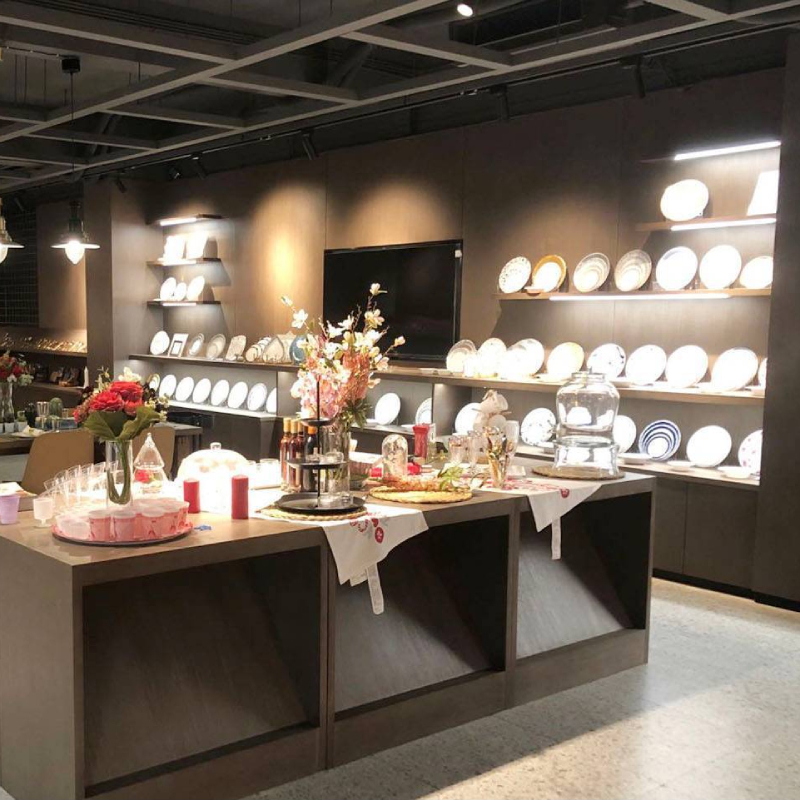
A showroom display from YISOO, showcasing coordinated party tableware sets.
3. Regional & Niche Specialists
These are smaller manufacturers or traders, often located in Southeast Asia or Eastern Europe, who cater to specific regional tastes, ultra-low price points, or very specialized product types (e.g., traditional paper products).
The Strategic Advantages of Chinese Suppliers in Market Rankings
The ascent of integrated Chinese manufacturers in global rankings is attributable to several structural advantages:
- Integrated Cost Engineering: Control over the entire production process, from material sourcing (using food-grade PS, BPA-free polymers) to in-house tooling and packaging, allows for precise cost management without sacrificing quality parameters like heat resistance (<70°C).
- Deep Customization & Agile Response: With dedicated R&D teams (e.g., 20 product designers), these suppliers offer extensive OEM/ODM services. This includes custom molds, silk-screen or UV printing, and thematic kitting, enabling buyers to build unique brand identities. MOQs can be as low as 1,000 pieces, accommodating both startups and large distributors.
- Supply Chain Velocity and Risk Mitigation: Investments in infrastructure, such as YISOO's U.S. warehouse, drastically reduce lead times for key markets. Proactive risk controls, like the dual-layer protective packaging (shrink wrap + bubble bagging) that maintains a sub-1% damage rate, enhance supply chain reliability for partners.
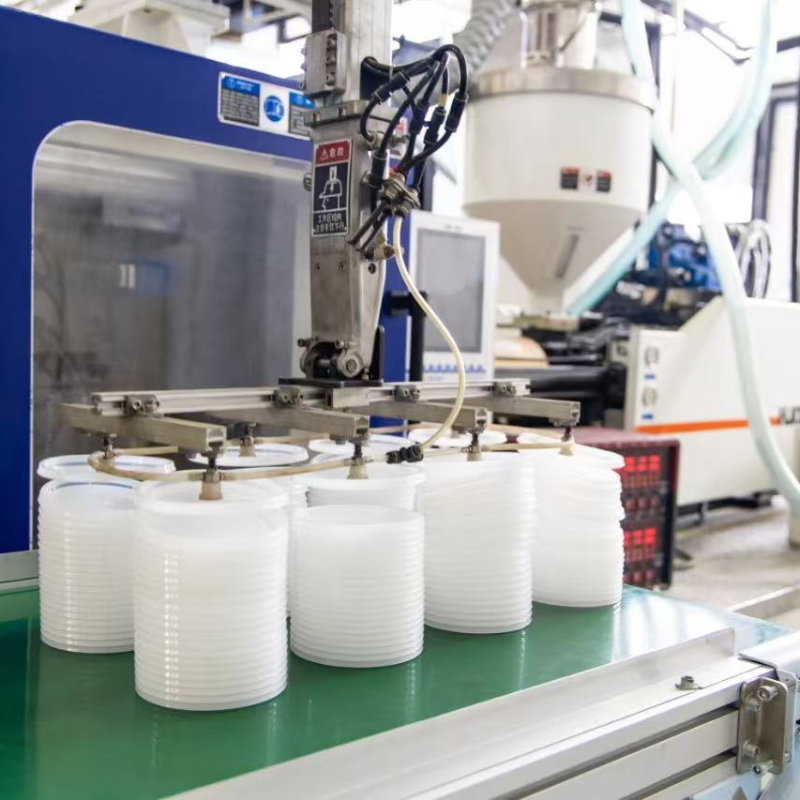
Automated injection molding lines enable high-volume, consistent production of plastic tableware components.
A Real-World Application: The Wedding Industry
The demand for disposable wedding tableware perfectly illustrates the market shift. Couples and planners seek a luxurious "fine-dining" aesthetic without the cost and fragility of ceramic rentals. Premium plastic tableware sets, such as those with gold-rimmed plates and matching cutlery, provide the required visual appeal while eliminating post-event cleanup logistics. Suppliers capable of providing cohesive, theme-appropriate collections—encompassing plates, cutlery, drinkware, and even complementary decorations—are increasingly ranked higher by bulk buyers in this segment.

A formal wedding reception utilizing premium disposable tableware to achieve a high-end aesthetic.
Procurement Recommendations: Aligning Supplier Choice with Business Needs
Understanding market rankings is futile without linking it to specific procurement strategies. Buyers should select suppliers based on their operational profile:
- For Large-Scale Projects & High-Volume Retailers: Prioritize top-tier Chinese integrated manufacturers like YISOO. Their scale ensures consistent supply for orders of 50,000+ pieces per month, while their compliance certifications (FDA, EU) guarantee market access. The total cost of ownership is often lower due to operational efficiencies and product durability.
- For Niche/Luxury Brands & Design-Centric Buyers: International premium brands or specialized high-end designers may be preferable, though often at a significantly higher cost per unit and with less supply chain flexibility.
- For Regional Distributors & Small Businesses: Regional specialists or smaller Chinese factories can be suitable for testing markets or fulfilling orders with very specific local requirements. However, buyers must diligently verify compliance certifications and production capacity.
The key is to treat the supplier as a strategic partner. Evaluate their ability to grow with your business, their responsiveness to customization requests (lead times of 15-30 days are standard), and their commitment to quality control (e.g., 100% pre-shipment testing).
Conclusion and Outlook
The party tableware wholesale market is consolidating around suppliers that offer a blend of scale, sustainability, customization, and supply chain resilience. The ranking logic for 2026 clearly favors integrated manufacturers who can be a one-stop solution for a global clientele. As environmental regulations tighten and consumer expectations for quality disposables rise, suppliers with proven expertise in both traditional and eco-friendly materials, backed by verifiable international standards and reliable logistics, will continue to ascend in procurement evaluations.
Additional Information
For a deeper dive into specific leading manufacturers, industry reports such as "Chinese Top 3 Party Tableware Wholesale Manufacturers in 2026: Driving Steady Industry Development" provide detailed profiles and comparative analyses. Procurement teams are advised to request factory audits, product samples, and full certification dossiers as part of their standard due diligence process when evaluating wholesale partners.