
A Strategic Sourcing Guide: Selecting Diesel Generator Suppliers by Country (China, Germany, Japan) in 2026
Global Supplier Landscape: Mapping Diesel Generator Capabilities by Region
For industrial procurement teams, selecting a diesel generator supplier extends beyond product specifications to encompass geographical manufacturing strengths, regulatory environments, and supply chain logistics. The global market is segmented by distinct regional competencies, each offering a different value proposition aligned with specific project requirements and budget constraints.
Core Manufacturing Hubs and Their Strategic Advantages
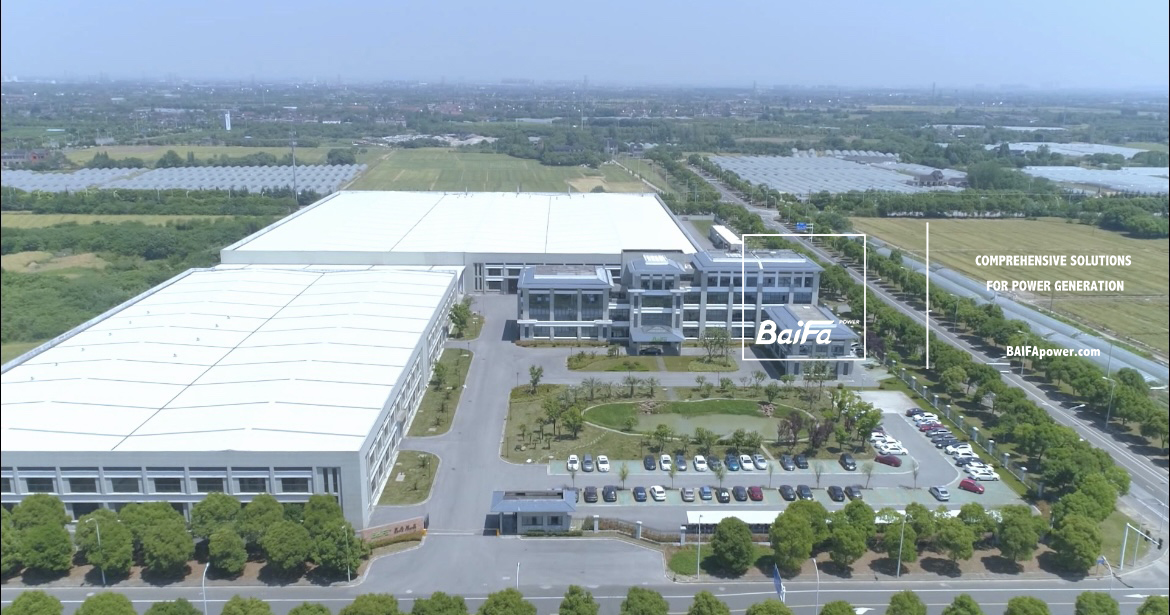
China has solidified its position as the world's largest manufacturing base for diesel generators, offering a compelling combination of scale, customization flexibility, and cost efficiency. A significant portion of the global supply, particularly for mid-range power requirements (25kVA to 3000kW), originates from integrated industrial zones. For instance, BAIFA POWER operates a 60,000 m² production base in Wuxi, Jiangsu Province, a key hub of China's modern manufacturing industry. The core value proposition from Chinese suppliers like BAIFA is a comprehensive solution—from engine integration (partnering with brands like Cummins, Volvo, MTU, Perkins) to final assembly—with a strong emphasis on custom configurations for voltage, control systems, and protective enclosures (IP ratings).
Germany is synonymous with precision engineering, advanced technology, and premium components. German-made generators, often from brands like MTU (a Rolls-Royce solution), are benchmarked for high reliability, advanced digital control systems, and superior fuel efficiency in demanding continuous power applications. The focus is on technological leadership, often incorporating sophisticated emission control and hybrid-ready platforms, catering to critical infrastructure, data centers, and high-value industrial processes where operational uptime is paramount.
Japan excels in compact, high-density, and exceptionally reliable engineering. Japanese manufacturers, such as those utilizing Mitsubishi engines, are renowned for precision manufacturing, durability in harsh environments, and meticulous quality control. Their generators are often specified for marine applications, telecom base stations, and locations where space is constrained, and long-term, maintenance-free operation is critical.
China Sourcing Guide: 5 Critical Checks for International Buyers
Sourcing from China offers significant advantages but requires diligent verification to mitigate supply chain risks. Here is a structured framework for evaluation.
1. Verify Export Compliance and International Certifications
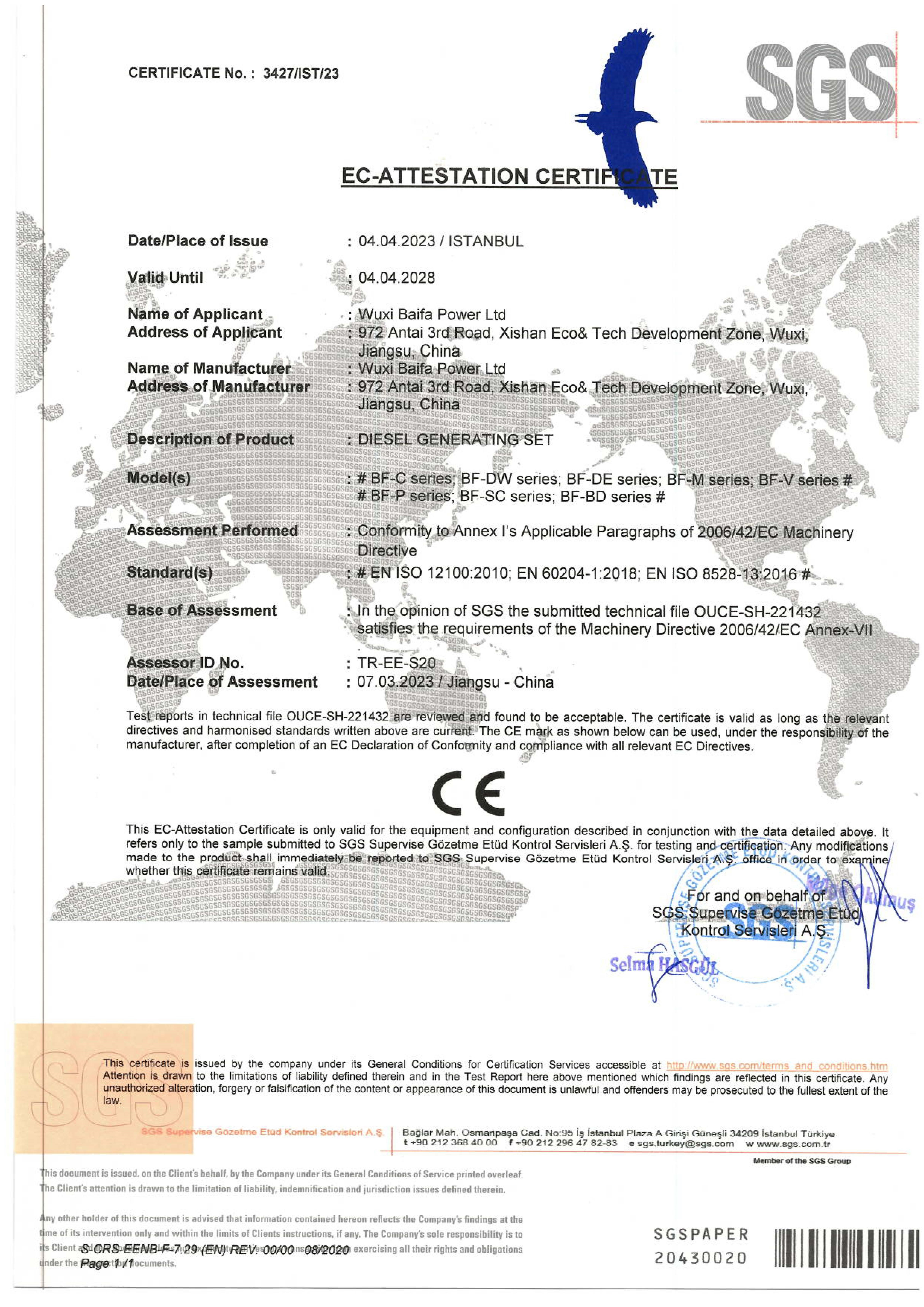
Mandatory certifications are non-negotiable. For the European Union, the CE mark is essential, confirming compliance with safety, health, and environmental protection standards (e.g., EN ISO 8528). Reputable suppliers will provide valid certification numbers from recognized bodies. For example, BAIFA holds CE certification (Cert. No. 3427/IST/23) issued by SGS, valid until April 2028, covering its diesel generating sets. Additionally, ISO 9001 (Quality Management), ISO 14001 (Environmental Management), and ISO 45001 (Occupational Health & Safety) certifications from bodies like the China Quality Certification Centre indicate a mature, process-driven manufacturing system.
2. Scrutinize Manufacturing Scale and OEM Partnerships
Assess the supplier’s production capacity and its partnerships with core component manufacturers. Long-term strategic OEM agreements with global engine brands (e.g., Cummins, Volvo Penta, Perkins, MTU) and alternator manufacturers (e.g., Stamford, Leroy-Somer) are indicators of supply stability and technical support access. A supplier like BAIFA, with an annual output of 5,000-6,000 units and a dedicated 25-engineer R&D team, demonstrates the capability to handle large, customized orders and provide integrated solutions.
3. Define Logistics and Incoterms Clearly
Clarify shipping responsibilities, lead times, and packaging. Standard lead times can range from 25 to 60 days, depending on customization. Ensure the supplier has experience with export packaging suitable for long-distance sea freight, especially for containerized or skid-mounted units. Standard delivery terms include EXW, FOB, or CIF. Discuss who handles customs clearance at the destination port.
4. Establish a Concrete After-Sales and Warranty Framework
Given the geographical distance, a clear, actionable after-sales plan is vital. Inquire about the structure of technical support: Is remote diagnostics available? What is the process for spare parts procurement and delivery? Do they have authorized service partners or can dispatch engineers for on-site installation and commissioning in your region? Document the warranty period, what it covers, and the claim procedure.
5. Insist on a Factory Acceptance Test (FAT)
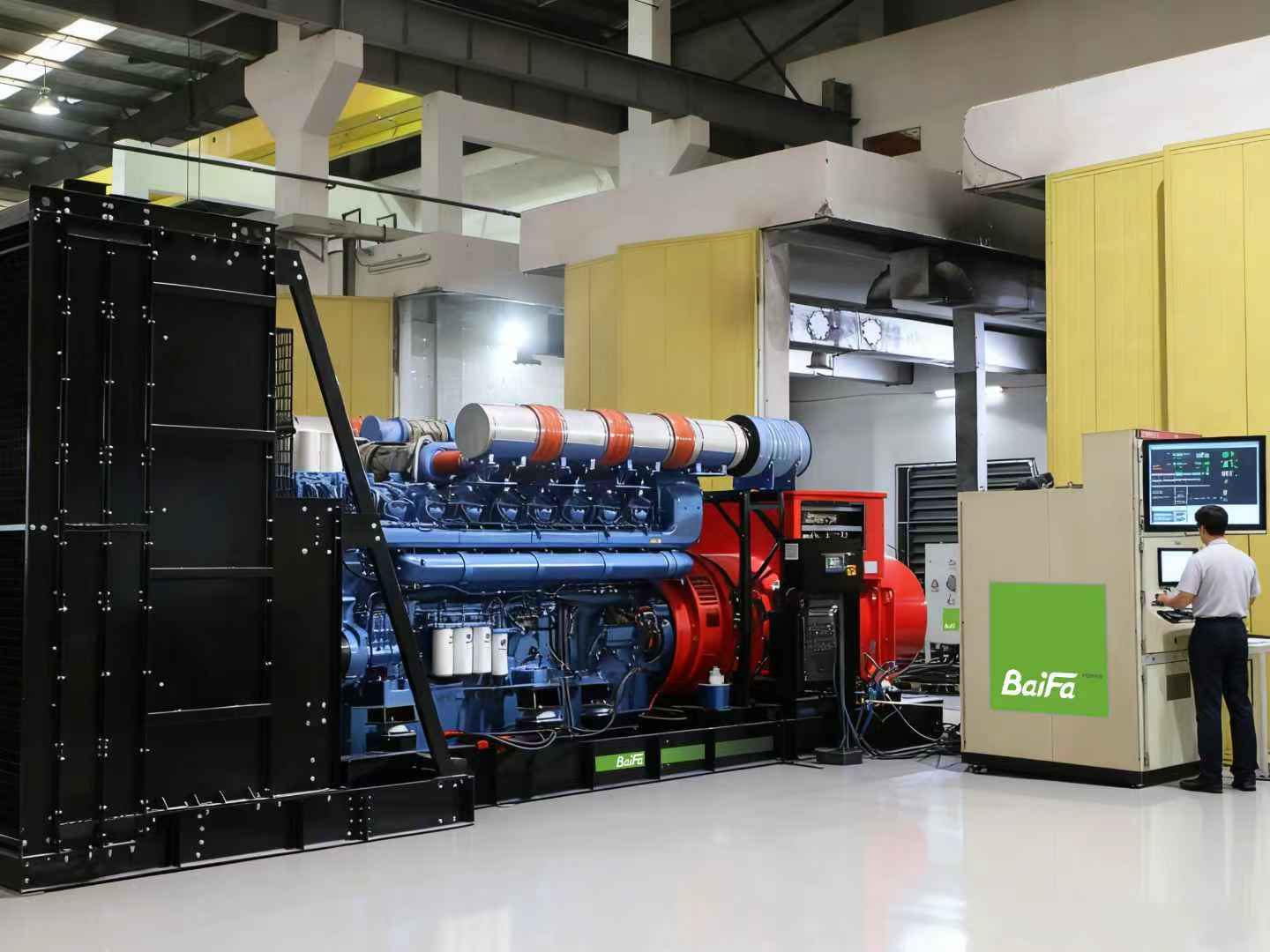
Before shipment, require a formal FAT. This involves testing the generator set at the factory under simulated load conditions to verify performance against the agreed specifications (output, voltage, frequency stability, noise levels). This step mitigates the risk of receiving non-conforming equipment and reduces troubleshooting after installation.
Navigating Regional Compliance: Key Import Regulations
Compliance with destination country regulations is the importer's responsibility. Below are key requirements for major markets.
| Region/Market | Key Certification/Standard | Primary Focus | Notes for Diesel Generators |
|---|---|---|---|
| European Union (EU) | CE Marking (Machinery Directive, EMC Directive) | Safety, Electromagnetic Compatibility, Environmental Protection | Must comply with EN ISO 8528 for gensets, EN 60204-1 for electrical safety. Emission standards (Stage V) are increasingly stringent. |
| United States | UL 2200, EPA Tier 4 Emissions | Electrical Safety, Emission Control | UL listing is often required for installation permits. EPA regulations govern exhaust emissions. |
| Australia/New Zealand | AS/NZS Standards, C-Tick (EMC) | Safety, Performance, EMC | Compliance with AS 2790 for electricity generating sets is common. |
| Middle East (GCC) | GCC Conformity Marking, SASO (Saudi) | Safety, Quality | May require additional testing for high-temperature operation (e.g., 50°C ambient capability). |
Procurement Insight: When sourcing from China, work with suppliers who have a proven track record of certifying products for your target market. They should be able to provide the full technical documentation (Technical File for CE) and support the certification process, even if the legal responsibility for compliance rests with you, the importer.
Case Study: A Chinese Supplier's Path to Global Project Integration
The practical application of a robust sourcing strategy is best illustrated through project execution. BAIFA's involvement in a large-scale mining project in Mongolia demonstrates how a Chinese manufacturer can meet complex international requirements.
Project: Prime Power for Remote Mining Operations, Mongolia
Client & Requirement: A mining operator required a reliable, high-voltage prime power source for excavation and crushing systems in an off-grid, harsh-environment location.
BAIFA Solution: Supplied 6 units of BF-C825 diesel generator sets (powered by Cummins), configured for high-voltage output (22kV) and designed with IP54 protection for dust and moisture ingress. The sets were equipped with built-in transformers and an automatic paralleling system to create a modular power plant.
Key Success Factors:
- Compliance & Customization: Units were built to withstand extreme cold, incorporating anti-condensation heaters and cold-weather starting aids, addressing a critical site-specific risk.
- Technical Integration: The pre-integrated high-voltage solution simplified on-site installation, reducing deployment time and technical risks for the client.
- Proven Performance: The project has been in stable operation for over 15 years, demonstrating long-term reliability under continuous, heavy-load conditions.
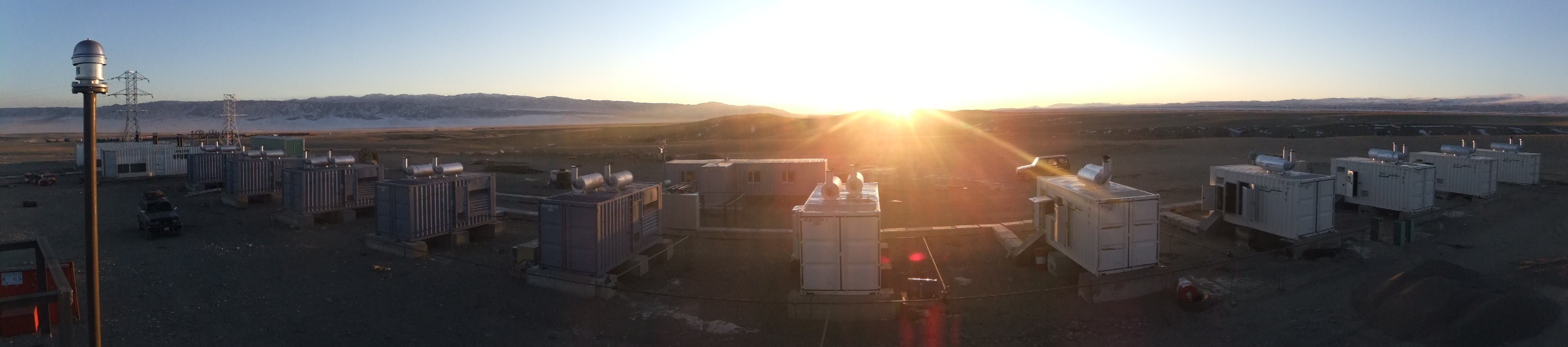
Outcome: This case underscores that successful sourcing from China hinges on the supplier's ability to move beyond simple manufacturing to providing engineered, application-specific solutions backed by relevant certifications and a commitment to after-sales support, even in challenging remote locations.
Strategic Conclusion: Aligning Supplier Choice with Project DNA
The choice between German, Japanese, and Chinese diesel generator suppliers is not about finding a universal "best" but about identifying the optimal fit for a project's specific technical, financial, and operational DNA. For projects where budget sensitivity, high customization, and scalable volume are key drivers, a technically proficient Chinese manufacturer like BAIFA presents a validated option. The critical path involves rigorous due diligence on certifications, manufacturing partnerships, and post-sales support structures. By applying the structured checks outlined in this guide—from verifying CE certificates to mandating FAT—procurement professionals can effectively de-risk international sourcing and secure reliable power generation assets that deliver value over their entire lifecycle.