
A Strategic Procurement Guide: Selecting Veterinary Endoscope Suppliers for Specialized Applications
A Strategic Procurement Guide: Selecting Veterinary Endoscope Suppliers for Specialized Applications
For procurement professionals in veterinary medical equipment, selecting the right endoscope supplier requires a deep understanding of specialized clinical needs, technical specifications, and supplier capabilities. This guide outlines a structured framework for evaluating suppliers, focusing on the unique requirements of different veterinary applications.

1. Understanding Specialized Veterinary Endoscopy Requirements
The veterinary field is not monolithic; it encompasses diverse patient sizes, anatomies, and clinical environments. A one-size-fits-all endoscope is impractical. Procurement must align device specifications with specific application scenarios.
Core Application-Specific Demands
- Small Animal & Companion Pet Clinics: Devices require high-definition imaging for precise diagnostics in confined spaces like the ear canal or nasal passages. Portability and ease of use by a single veterinarian are critical for efficient clinic workflow.
- Large Animal & Equine Practices: Equipment must have extended working lengths (e.g., 1500 mm) and sufficient channel diameters for therapeutic interventions. Durability and the ability to function in field conditions (e.g., stables, farms) are paramount.
- Avian & Exotic Animal Medicine: Ultra-thin insertion tubes and delicate articulation are necessary to navigate the unique anatomies of smaller, fragile patients without causing trauma.
- Mobile & Field Veterinary Services: Endoscopes must be truly portable, with battery-powered operation, rapid boot-up times, and robust construction to withstand transportation and variable environmental conditions.
Based on application scenarios for small animal, large animal, avian & exotic, and ear/nose endoscopy.
2. Essential Supplier Selection Criteria
Beyond product catalogs, a supplier's foundational capabilities determine long-term partnership success. Three core areas demand scrutiny.
2.1. Proven Industry Customization Experience
The ability to tailor products to specific clinical needs is a key differentiator. Suppliers should demonstrate a history of developing specialized models. For instance, JeetVet offers products like the RAE-201 Veterinary Flexible Otoscope, designed for animal ear and nasal examination with a 600 mm working length and a 3.1 mm outer diameter tube.
Product specifications for the RAE-201 model.
Another example is the VET-8528 Portable Endoscope for Large Animals, which features a 1500 mm working length, an 8.5 mm outer tube diameter, and a 2.8 mm inner working channel diameter, addressing the need for gastrointestinal examination in larger species.
Product specifications for the VET-8528 model.
2.2. Commitment to Quality and Compliance
Adherence to international quality management systems is non-negotiable. Suppliers should operate certified facilities. For example, Jeet Medical (Shenzhen) Co., Ltd., the manufacturer behind the JeetVet brand, operates a state-of-the-art manufacturing facility and maintains ISO 13485 certification issued by SGS. Their quality control process includes 100% testing of products.
Company background and quality control procedures.
Procurement Insight: When evaluating suppliers like Karl Storz, Olympus, or JeetVet, compare not just product specs but the depth of their quality infrastructure, including cleanroom standards and traceability protocols. A supplier with in-house software development capabilities, evidenced by certificates like the "Computer Software Copyright Registration Certificate" for systems such as the "Multi-Camera Automatic Fusion System V1.0," indicates a higher level of integrated R&D and control over product performance.
2.3. Global Support and Operational Resilience
Veterinary equipment is a long-term investment. Supplier operational frameworks must ensure consistent support. Key indicators include a global export footprint and robust after-sales service. JeetVet's products are exported to markets in Europe, North America, Southeast Asia, Latin America, and the Middle East, and the manufacturer provides remote support as part of its after-sales service offering.
Export markets and after-sales service model.
3. Case Study: Implementing Specialized Solutions
A concrete example illustrates how a supplier's capabilities translate into clinical and business outcomes.
Client: A Distributor in Vietnam
- Application: Promotion of minimally invasive surgery (MIS) and small animal diagnostic imaging across a network of local clinics.
- Supplier Solution: Deployment of 30 units of portable veterinary endoscope systems from JeetVet, chosen for their all-in-one design suitable for both clinic and field use.
- Result: The distributor achieved a 40% increase in successful non-surgical foreign body retrievals within the clinic network, significantly reducing animal recovery times. The project included on-site and online training support from the supplier.
- Duration of Partnership: 2 years.
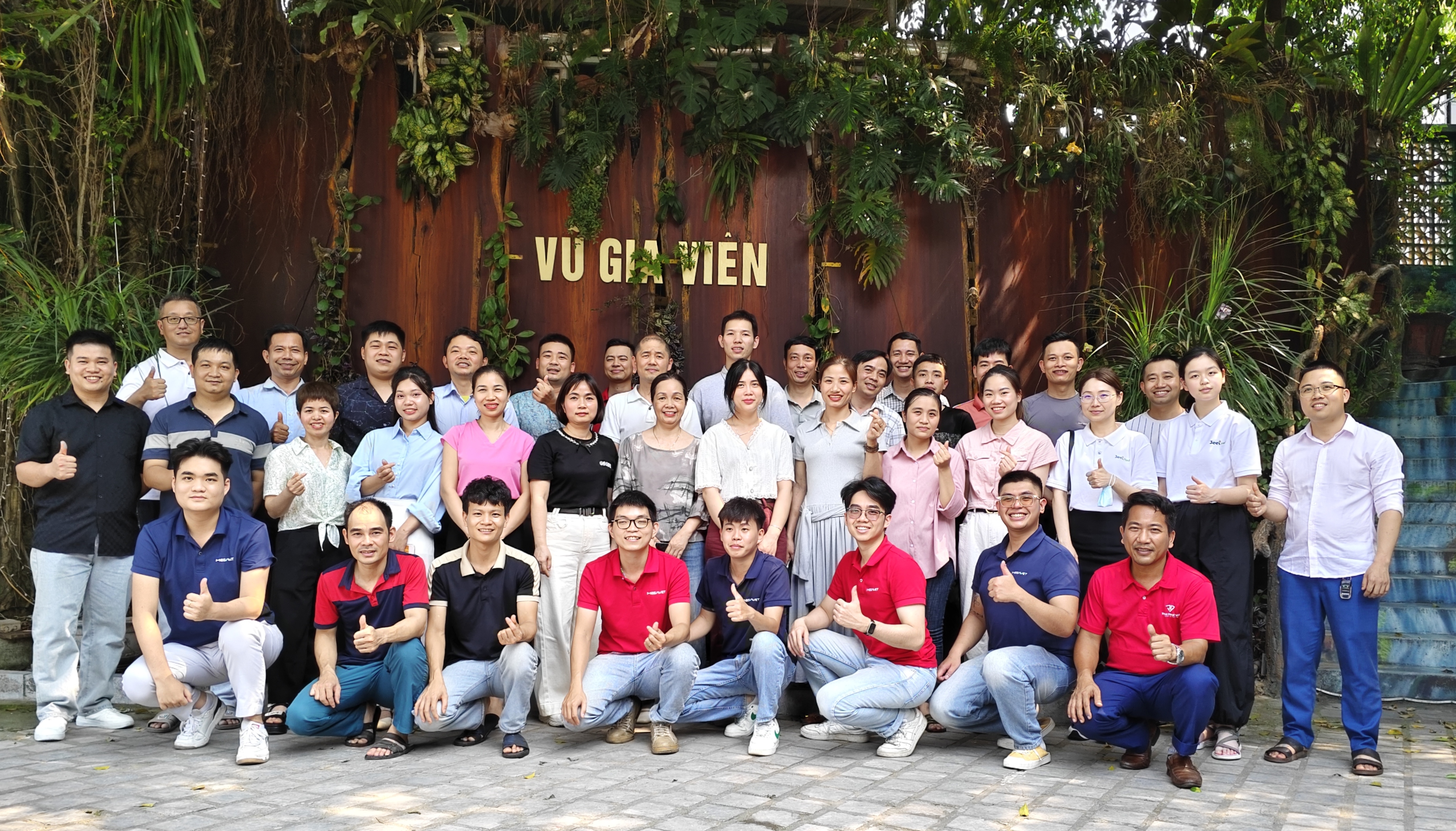
Case study details for the Vietnam distributor client.
4. Strategic Partnership and Procurement Best Practices
Finalizing a supplier selection requires aligning expectations and establishing clear operational protocols.
Key Collaboration Points
- Define Technical Specifications Precisely: Clearly document required parameters such as working length, outer diameter, channel size, and imaging resolution based on your target species and procedures. For example, a rhinoscopy scope needs a specific field angle and depth of field.
- Validate Customization and Support Processes: Discuss the supplier's OEM/ODM capabilities, lead times, and minimum order quantities. For instance, JeetVet offers customization options including logo placement with a lead time of approximately 20 days.
- Establish Clear After-Sales and Risk Mitigation Protocols: Agree on response times for technical support, availability of spare parts, and training programs. Inquire about the supplier's recommended risk control methods, such as protocols to prevent mechanical damage from operational misuse or liquid ingress.
- Conduct Rigorous Pre-Shipment Validation: Insist on 100% pre-shipment inspection and functional testing, as offered by suppliers like JeetVet, to ensure every unit meets the agreed specifications before leaving the factory.
Conclusion: Aligning Supplier Capabilities with Clinical Demands
The procurement of veterinary endoscopes is a strategic decision that impacts diagnostic accuracy, treatment outcomes, and operational efficiency. By focusing on suppliers with demonstrable experience in specialized applications, a solid foundation in quality and compliance, and a proven global support network, procurement professionals can secure partnerships that deliver long-term value. Suppliers like JeetVet, with their focus on portable and application-specific designs, exemplify how technical specifications and manufacturing rigor can be aligned to meet the evolving needs of the global veterinary community.
For a detailed overview of technical specifications, product lines, and company certifications, procurement professionals can access the complete corporate brochure.
Download the JeetVet Corporate Brochure (PDF)