
A Strategic Guide to Artificial Turf Procurement Cost Control for Industrial Buyers (2026)
Introduction: The Total Cost of Ownership Mindset
For procurement managers and facility operators in the sports, landscaping, and construction sectors, artificial turf represents a significant capital investment. The initial purchase price is just one component of a complex financial equation. A strategic approach to procurement requires a shift from focusing solely on unit price to evaluating the Total Cost of Ownership (TCO). This guide provides a structured framework for industrial buyers to analyze cost structures, implement optimization strategies, and make informed purchasing decisions that balance quality with long-term budgetary control.

Figure 1: Professional sports field installation. The choice of turf directly impacts long-term maintenance and replacement costs.
1. Deconstructing Artificial Turf Procurement Costs
The TCO for an artificial turf project encompasses several phases, each with associated expenses that procurement professionals must account for in their budgeting.
1.1 Initial Acquisition Costs
- Material Cost: The price per square meter of the turf itself, which varies based on specifications like pile height, yarn type (e.g., Monofilament PE, Fibrillated PP), density, and backing system (e.g., SBR Latex, PU).
- Accessories: Costs for infill materials (silica sand, SBR rubber), adhesives, seam tapes, and nails.
- Logistics & Freight: Expenses for inland transportation, port fees, and international shipping (highly dependent on Incoterms like FOB or CIF).
- Import Duties & Taxes: Tariffs, Value-Added Tax (VAT), and customs clearance fees specific to the destination country.
1.2 Installation & Commissioning Costs
- Site Preparation: Ground leveling, excavation, drainage system installation, and sub-base material (e.g., crushed stone).
- Labor: Costs for skilled installers to lay, seam, and secure the turf.
- Equipment Rental: Machinery for compaction, spreading infill, and brushing.
1.3 Operational & Lifecycle Costs
- Maintenance: Regular brushing, debris removal, periodic grooming, and anti-microbial treatments. Industry estimates suggest synthetic turf requires 70-90% less water and significantly lower maintenance labor than natural grass.
- Energy: While minimal for the turf itself, related costs can include lighting for indoor facilities.
- Repair & Refurbishment: Patching damaged areas, replacing worn sections, and top-up infill over the product's lifespan.
- End-of-Life Disposal/Recycling: Costs associated with removing and responsibly disposing of or recycling old turf materials.
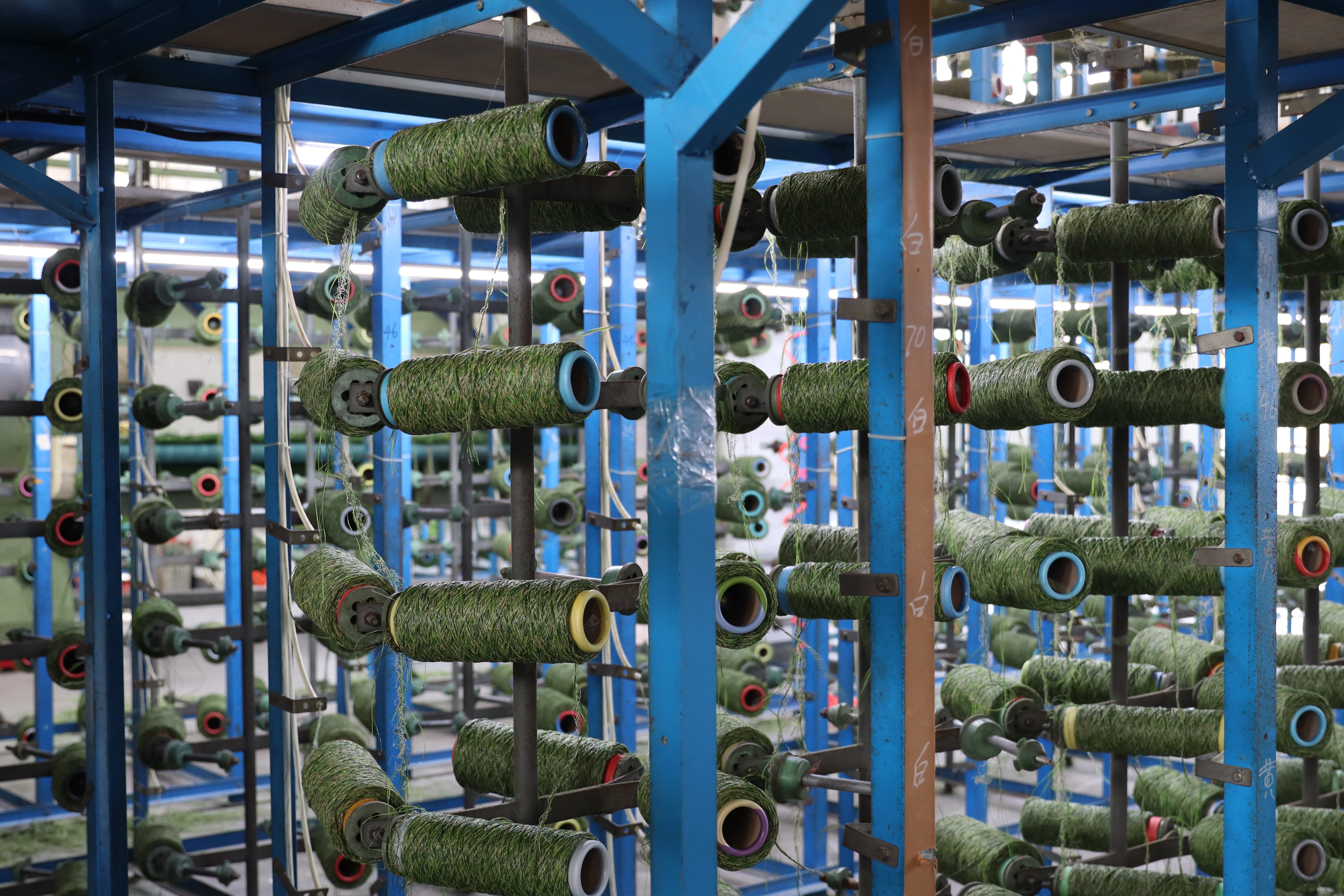
Figure 2: Integrated manufacturing, like that at Venusturf, controls quality from yarn extrusion, influencing long-term durability and cost.
2. Five Strategic Methods for Cost Optimization
Effective cost control involves proactive strategies applied throughout the procurement cycle.
2.1 Volume Consolidation and Strategic Sourcing
Aggregating demand across multiple projects or within a buying consortium increases purchasing power. Manufacturers like Venusturf, with an annual output capacity of 106,000 units, often provide tiered pricing for larger orders. Negotiating based on a committed annual volume rather than single project purchases can secure more favorable rates.
2.2 Supplier Evaluation Beyond Unit Price
Selecting a supplier requires a multi-criteria assessment:
- Integrated Manufacturing: Suppliers like Venusturf, which control the entire process from yarn extrusion to coating, typically offer greater cost stability and quality consistency compared to traders or assemblers.
- Certifications & Compliance: Verify essential certifications such as REACH SVHC reports (e.g., SGS Report #SL42404282057101TX) to avoid future non-compliance costs, penalties, or project rejections.
- Production Lead Time & Reliability: A reliable lead time (e.g., Venusturf's standard 30-45 days) prevents costly project delays. Evaluate the supplier's track record for on-time delivery.
2.3 Logistics and Incoterms Optimization
Freight costs can constitute 15-25% of the landed cost. Strategies include:
- Container Optimization: Work with the supplier to pack rolls efficiently to maximize container utilization (e.g., high cube containers).
- Incoterms Selection: Understand the cost implications. FOB (Free On Board) gives the buyer control over the main shipping leg and insurance, potentially offering cost savings if they have strong logistics partnerships. CIF (Cost, Insurance, and Freight) simplifies the process but may include a premium from the supplier.
2.4 Financial Terms and Payment Cycle Management
Negotiating favorable payment terms improves cash flow. Common structures in the industry include a 30% deposit with a 70% balance paid before shipment. Exploring letters of credit (LC) or extended payment terms (e.g., net 60 days) with trusted, long-term suppliers can provide financial flexibility.
2.5 Lifecycle Costing and Specification Right-Sizing
Avoid over-specifying. A residential lawn does not require the same high-performance yarn and density as a professional football pitch. Work with technical suppliers to specify a product that meets the functional requirements without unnecessary premium features. For example, Venusturf offers different product lines like "Vitality Light" for commercial use and "Prestige XM" for sports, each optimized for its application and cost point.
Key Consideration: Minimum Order Quantity (MOQ)
Most manufacturers, including Venusturf, have an MOQ, typically around 1,000 m². For smaller projects, consider collaborating with other buyers or working with distributors who hold stock, though this may incur a slight price premium.
3. Decoding the Supplier Quotation
A clear understanding of a quotation prevents hidden costs. Here is a breakdown of a typical line item for artificial turf.
| Quotation Component | Description | Cost Implication & Buyer Action |
|---|---|---|
| Product Description & Model | e.g., "EM250105 Football Grass, Pile Height 50mm, PE Monofilament" | Verify specs match your technical requirements. Request a sample for approval before production. |
| Unit Price (Ex-Works / FOB / CIF) | Price per m² or per roll. Must specify the trade term. | Ex-Works: Price at factory gate. Buyer bears all other costs. FOB [Port]: Price includes delivery to and loading onto vessel at origin port. Buyer pays main freight and insurance. CIF [Port]: Price includes cost, insurance, and freight to named destination port. Buyer handles import clearance and onward transport. |
| Tax Status | Price may be quoted as Excluding VAT or Including VAT. | Clarify. For export, Chinese VAT (typically 13%) is often exempted or refunded, so the quote should be VAT-exclusive. |
| Packing | e.g., "Standard export wooden pallet & plastic wrap" | Confirm if packing is included in the unit price. Special packing may incur extra charges. |
| Payment Terms | e.g., "30% T/T deposit, 70% balance against copy of B/L" | This is a common and secure structure. Negotiate if possible. |
| Validity Period | e.g., "This quotation is valid for 30 days" | Raw material prices fluctuate. Ensure your project timeline aligns. |
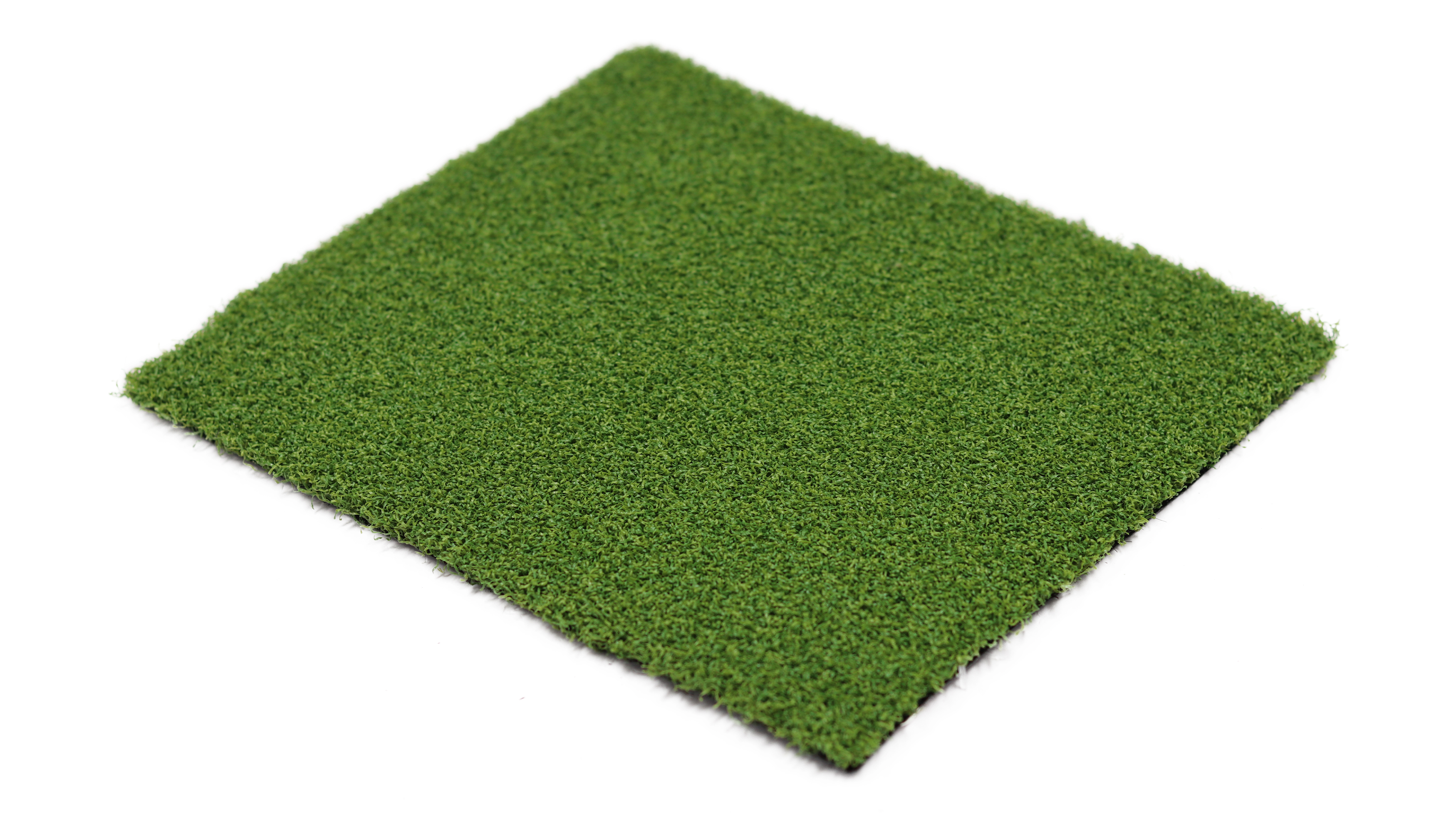
Figure 3: Specialized products like golf turf (Model: Putt 40) have precise specifications that must be clearly defined in the quotation.
4. Case Reference: Achieving Cost Reduction Through Strategic Sourcing
A regional sports facility management company in Southeast Asia was tasked with renovating multiple community football fields and golf putting greens. Their primary challenge was to reduce the procurement budget by approximately 25% without compromising on durability and player safety to meet multi-year contract requirements.
Initial Approach & Problem: The company had previously sourced from European-branded suppliers, resulting in high material costs and long lead times. The TCO was inflated by frequent minor repairs and higher-than-expected infill maintenance.
Strategic Shift: The procurement team initiated a global supplier evaluation, focusing on integrated manufacturers in Asia with strong export credentials. Key evaluation criteria included:
- Full in-house production control (yarn to backing).
- Comprehensive product certifications (REACH, etc.).
- Ability to supply both sports-specific and landscape products.
- Competitive pricing with FOB terms to manage their own logistics.
Solution Implementation: After a technical audit and sample testing, the company selected Venusturf as a primary supplier. The collaboration involved:
- Product Specification: Using Venusturf's "Prestige XM" (Model EM250105) for football fields and "Polies Putt Light" (Model Putt 40) for golf areas, which were technically suitable for the intended use.
- Volume Consolidation: Combining the annual requirement for several projects into a single framework agreement.
- Logistics Management: Opting for FOB terms, allowing the buyer to negotiate directly with a freight forwarder for consolidated shipping, reducing per-unit freight costs.
Result & Quantifiable Outcome: By sourcing from an integrated Chinese manufacturer and optimizing the supply chain, the company reported an overall reduction in procurement and installation costs of approximately 30% compared to the previous cycle. The fields have been in operation for over three years with performance meeting expectations, and the company has established a multi-year partnership with the supplier. This case demonstrates that a strategic, TCO-focused procurement approach, coupled with selecting a capable manufacturer like Venusturf, can achieve significant budget optimization while maintaining quality standards.
Conclusion and Next Steps for Procurement Professionals
Controlling artificial turf procurement costs is a multidimensional exercise that extends far beyond price negotiation. It requires a disciplined analysis of the total cost of ownership, strategic supplier partnership development, and meticulous management of logistics and financial terms. By adopting the framework outlined in this guide—deconstructing costs, implementing the five optimization methods, critically reading quotations, and learning from practical case studies—buyers can make more informed, value-driven decisions.
The trend in global procurement continues to favor suppliers that offer transparency, technical expertise, and integrated manufacturing capabilities. As the market evolves, building relationships with such partners will be key to achieving sustainable cost control and project success.
For a detailed technical overview of product specifications, manufacturing processes, and company capabilities, download the complete supplier profile.
Download Venusturf Corporate Brochure (PDF)