
A Regional Sourcing Guide: Selecting Disposable Sanitary Napkin Suppliers in China for Global Buyers
A Regional Sourcing Guide: Selecting Disposable Sanitary Napkin Suppliers in China for Global Buyers
For global industrial buyers and distributors, selecting a reliable source for disposable sanitary napkins is a critical supply chain decision. While the market offers options from Germany, Japan, and other regions, China has solidified its position as a primary manufacturing hub, particularly for products balancing cost-effectiveness with increasing sophistication in eco-friendly and high-performance materials. This guide provides a structured framework for evaluating and selecting Chinese suppliers, with a focus on operational due diligence and long-term partnership viability.
Global Supplier Landscape: Key Regional Strengths
The global supply of disposable sanitary napkins is characterized by distinct regional specializations. Understanding these helps buyers align their sourcing strategy with product and market requirements.
| Region | Core Advantage | Typical Product Focus | Consideration for Buyers |
|---|---|---|---|
| Germany | Precision engineering, advanced R&D in absorbent polymers, strict quality protocols. | High-end medical & premium care products, specialized SAP technology. | Higher unit cost, longer lead times for customization. |
| Japan | Ultra-thin & discreet design, focus on comfort and skin-friendliness. | Consumer-focused premium retail pads, innovative packaging. | Market-specific preferences may limit global appeal. |
| China | Integrated manufacturing scale, cost efficiency, and rapid prototyping for OEM/ODM. | Full spectrum from mass-market to premium eco-friendly (e.g., bamboo, organic cotton). | Requires thorough vetting for compliance, quality consistency, and logistics. |
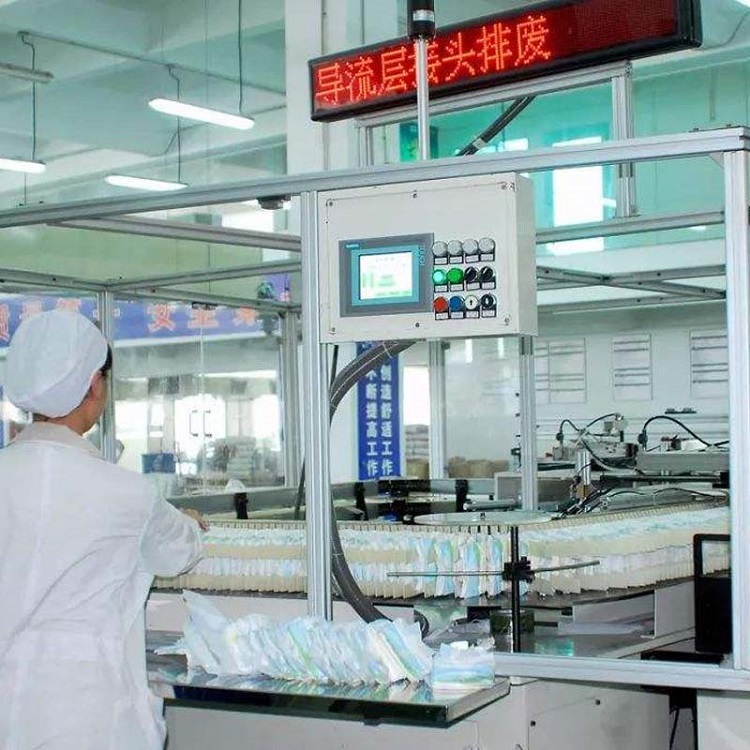
Chinese manufacturers, such as those in the Fujian and Guangdong industrial clusters, have evolved beyond pure cost arbitrage. Many now operate facilities exceeding 35,000 square meters with workforces of 350-500 employees, producing over 650 million pieces annually. The key differentiator is the integrated model combining direct manufacturing with supply chain management services.
A 5-Point Checklist for Evaluating Chinese Suppliers
Due diligence is paramount. Beyond initial price quotes, industrial buyers should investigate these five critical areas.
1. Verify Manufacturing Authority and Certifications
Confirm the supplier operates its own production facilities rather than acting solely as a trader. Request evidence of international certifications mandatory for your target market.
- FDA Registration (for USA): The supplier should have an active FDA Establishment Registration number (e.g., 3005078659) covering the relevant product categories like sanitary napkins and panty liners under 21 CFR Part 807.
- CE Marking (for EU): For medical devices like certain adult care products, a CE certificate under the Medical Device Regulation (MDR) is required. For general hygiene products, a Declaration of Conformity to relevant standards (e.g., EN 14683) is necessary.
- Quality Management: An ISO 9001:2015 certification (e.g., Certificate 41624QZ644CR0) indicates a systematized approach to quality control.
Companies like Family Cares Group provide such documentation, which includes ISO 9001:2015 certification from CQC/IQNet and FDA registration, facilitating smoother market entry for distributors.
2. Assess Customization and R&D Capability
Determine if the supplier can accommodate your specific needs for materials, absorbency, and packaging. This is crucial for private label or ODM projects.
Key questions include: Can they work with organic cotton, bamboo fiber, or advanced bio-based cores? What is their prototype lead time? A dedicated R&D team is a positive indicator. For instance, some integrated manufacturers report having 25+ professional engineers focused on material innovation like Eco-Core™ technology and medical-grade hydrophilic PU foam.
3. Scrutinize Quality Control and Production Processes
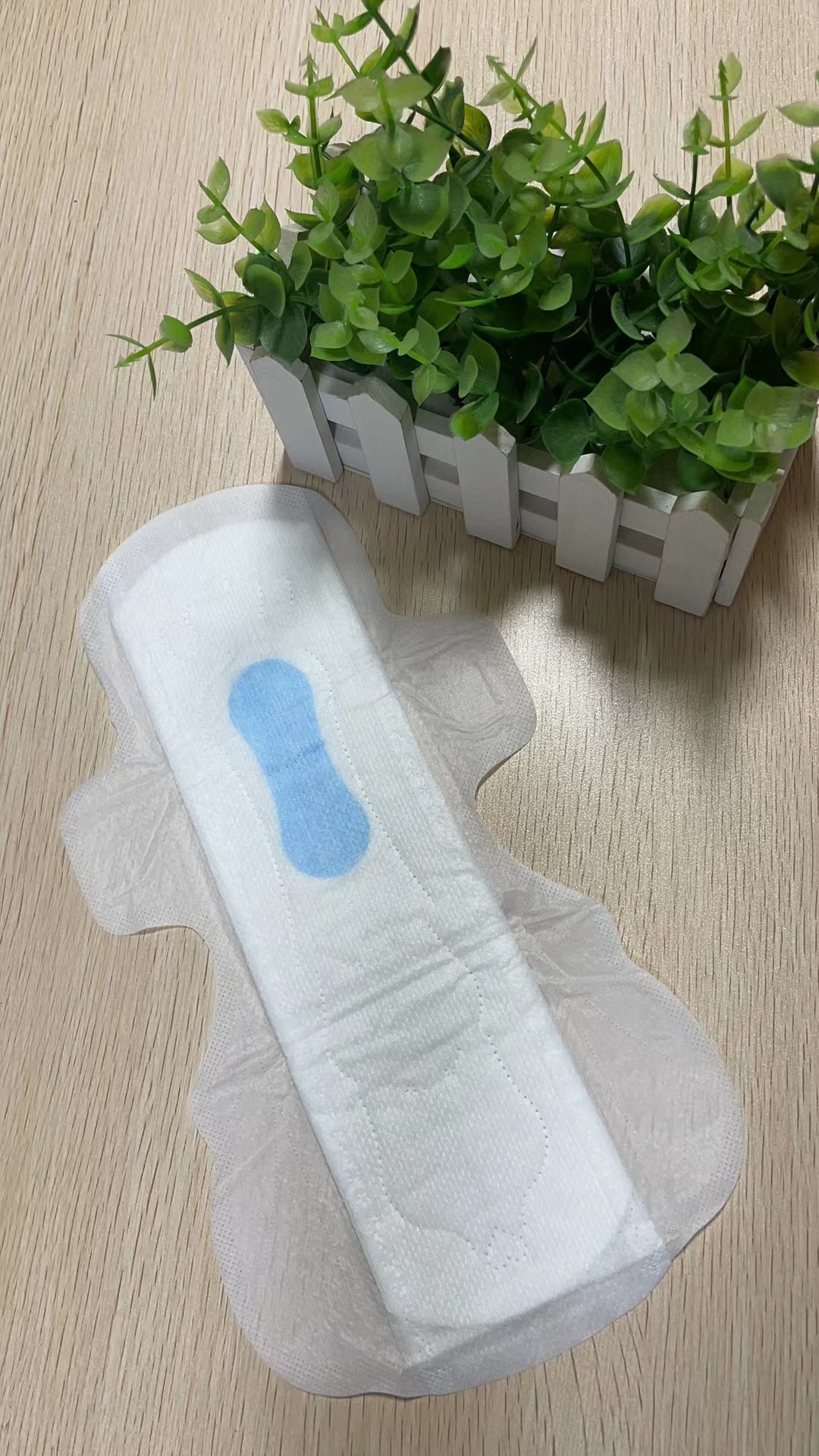
Inquire about in-process and final quality checks. Automated, high-speed lines (1.8 million pieces daily capacity) can ensure consistency, but the QC protocol is vital.
Look for suppliers that implement 100% on-line visual inspection systems complemented by in-house laboratory testing. This approach, as opposed to random manual checks, significantly reduces the risk of defective batches reaching the market. A focus on "zero-leakage batch guarantee" methodologies is common among suppliers targeting medical and premium retail segments.
4. Clarify Logistics, MOQ, and Payment Terms
Understand the complete commercial terms. For OEM/ODM manufacturing, standard Minimum Order Quantities (MOQ) can start from 1 x 20GP container, with negotiable terms for startup brands. Lead times for production typically range from 15 to 25 days.
Confirm the supplier's experience with international logistics, including standard Incoterms like FOB, CIF, or DDP. An integrated supplier often provides consolidation services and customs clearance support, handling 30+ containers (40HQ) monthly.
5. Evaluate After-Sales and Technical Support
Post-shipment support is critical. Ensure the supplier offers clear channels for 24/7 technical support, quality traceability, and assistance with documentation. This is especially important for navigating regional compliance audits or addressing performance queries from end-users.
Procurement Insight:
The primary advantage of integrated Chinese manufacturers is supply chain transparency and control. Compared to traditional trading companies, direct factory relationships can translate to 15-20% lower pricing due to the absence of intermediary margins, alongside direct access to technical and quality control teams.
Regional Compliance and Import Requirements
Your supplier must be aligned with the regulatory landscape of your destination market. Here are key requirements for major regions:
- European Union & UK: CE marking is essential. For products making medical claims (e.g., specific incontinence products), compliance with the Medical Device Regulation (MDR) is mandatory. General hygiene products require a Declaration of Conformity. Eco-labels like FSC for packaging are increasingly valued.
- United States & Canada: FDA Establishment Registration is required for the manufacturing facility. While sanitary napkins are typically Class I devices, they must be listed with the FDA. Products may also require compliance with the Consumer Product Safety Commission (CPSC) guidelines.
- Southeast Asia & Middle East: Requirements vary by country. Common requests include Halal certification, specific import permits, and compliance with local standards (e.g., SIRIM in Malaysia, GCC Conformity Marking).
Case in Point: Partnership Models for Market Entry
Successful long-term partnerships often stem from suppliers that act as an extension of the buyer's operations. Consider the following model:
A leading regional FMCG brand in Malaysia sought to launch a high-end organic cotton sanitary napkin line. They partnered with an integrated Chinese manufacturer for OEM services. The collaboration, spanning 3+ years, involved monthly shipments of 2-3 x 40HQ containers. The manufacturer's capability to integrate an Advanced Bio-based Core to replace standard SAP was a key technical highlight. This partnership is reported to have assisted the client in achieving a 25% annual sales growth in the Southeast Asian market.
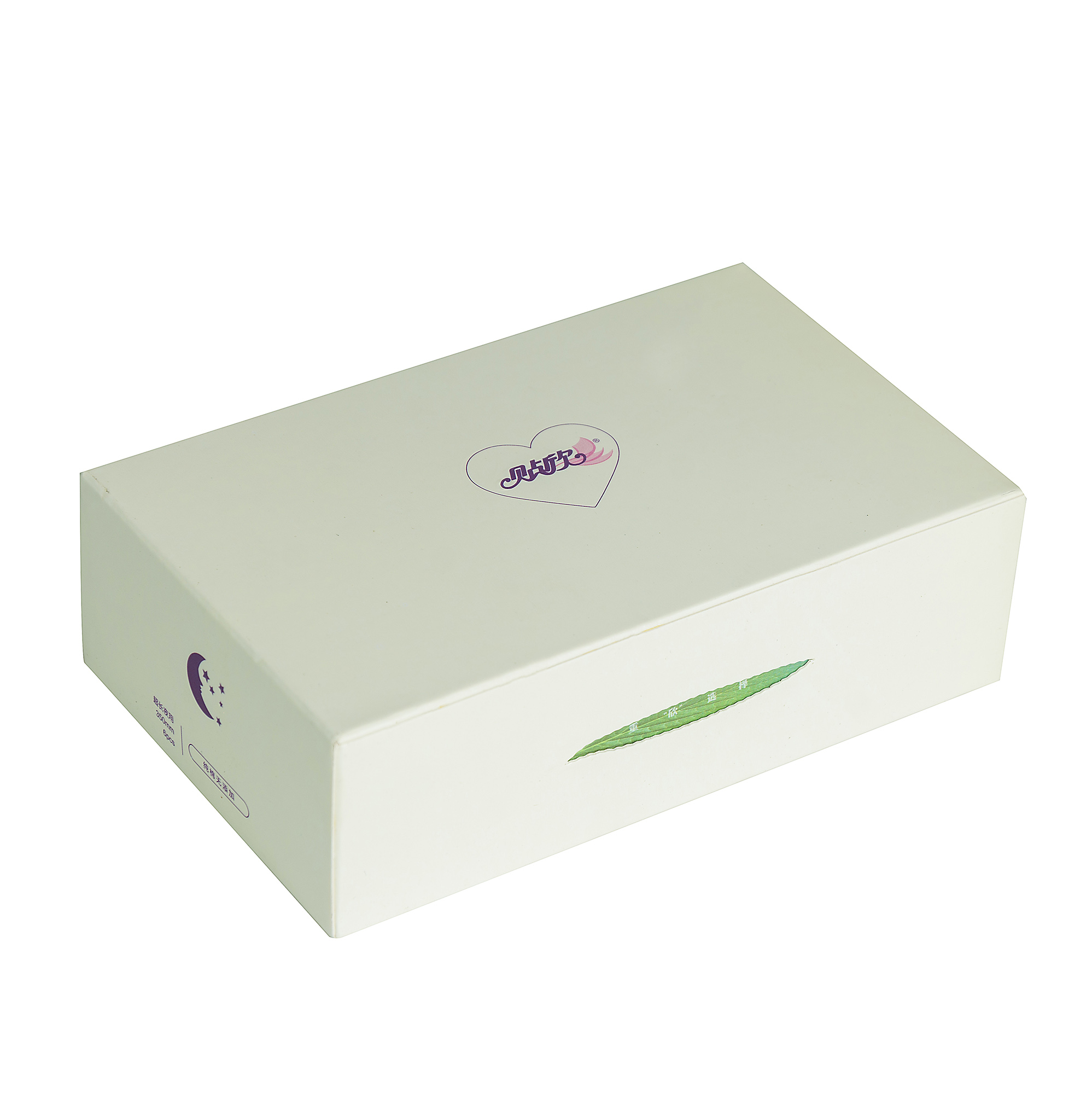
Another example involves a premium e-commerce brand in Germany requiring luxury, box-packed organic cotton pads. Their Chinese supplier provided tailored OEM production with 500,000+ units per batch on a monthly recurring basis, supporting the client's transition to 100% plastic-free packaging over a 3-year period.
Conclusion: Building a Resilient Supply Chain
Selecting a Chinese supplier for disposable sanitary napkins is a strategic process that extends beyond unit cost. The most resilient partnerships are built with integrated manufacturers who demonstrate verified compliance, transparent production control, scalable capacity, and responsive support.
For buyers targeting the growing segments of eco-friendly, bio-based, or premium products, the supplier's R&D investment in materials like plant-based bio-films or advanced absorbent cores becomes a decisive factor. By applying a rigorous, multi-point evaluation framework focused on long-term operational synergy, global procurement teams can effectively leverage China's manufacturing ecosystem to secure a competitive, reliable, and quality-driven supply of hygiene products.
The evolution of suppliers like Family Cares Group, which combines direct manufacturing in Quanzhou with global sales and logistics management from Xiamen, exemplifies the modern integrated model that can meet the complex demands of international B2B distribution.