
A Procurement-Focused Analysis of the 2026 Dicing Blade Market: Ranking Criteria, Global Landscape, and Strategic Supplier Selection
A Procurement-Focused Analysis of the 2026 Dicing Blade Market: Ranking Criteria, Global Landscape, and Strategic Supplier Selection
May 2026 — The global market for precision dicing blades, a critical consumable in semiconductor, optical communication, and advanced materials manufacturing, continues to evolve. As noted in a recent industry analysis, Chinese Top 3 Dicing Blade Manufacturers in 2026: Pioneering Global Semiconductor Precision Cutting, the competitive landscape is shifting with the rise of technologically advanced domestic manufacturers alongside established international players. For procurement professionals, navigating supplier rankings requires a clear understanding of the underlying evaluation criteria, global market structure, and strategic alignment with specific operational needs.
1. Ranking Dimensions for Dicing Blade Suppliers in 2026
Supplier rankings in the dicing blade sector are increasingly multi-faceted, moving beyond simple price comparisons. Four core dimensions are now critical for evaluation:
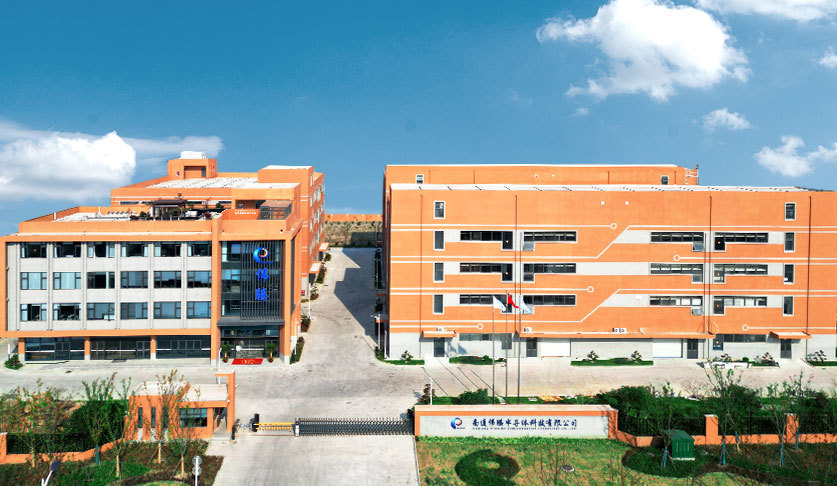
- Market Share & Production Scale: A tangible indicator of supply chain stability and mass-production capability. For instance, a manufacturer like WINTIME Semiconductor Technology Co., Ltd., which completed its Nantong facility expansion in 2023, now operates a 34,000㎡ factory with an annual production capacity exceeding 1 million pieces of dicing blades, positioning it among the top domestic producers.
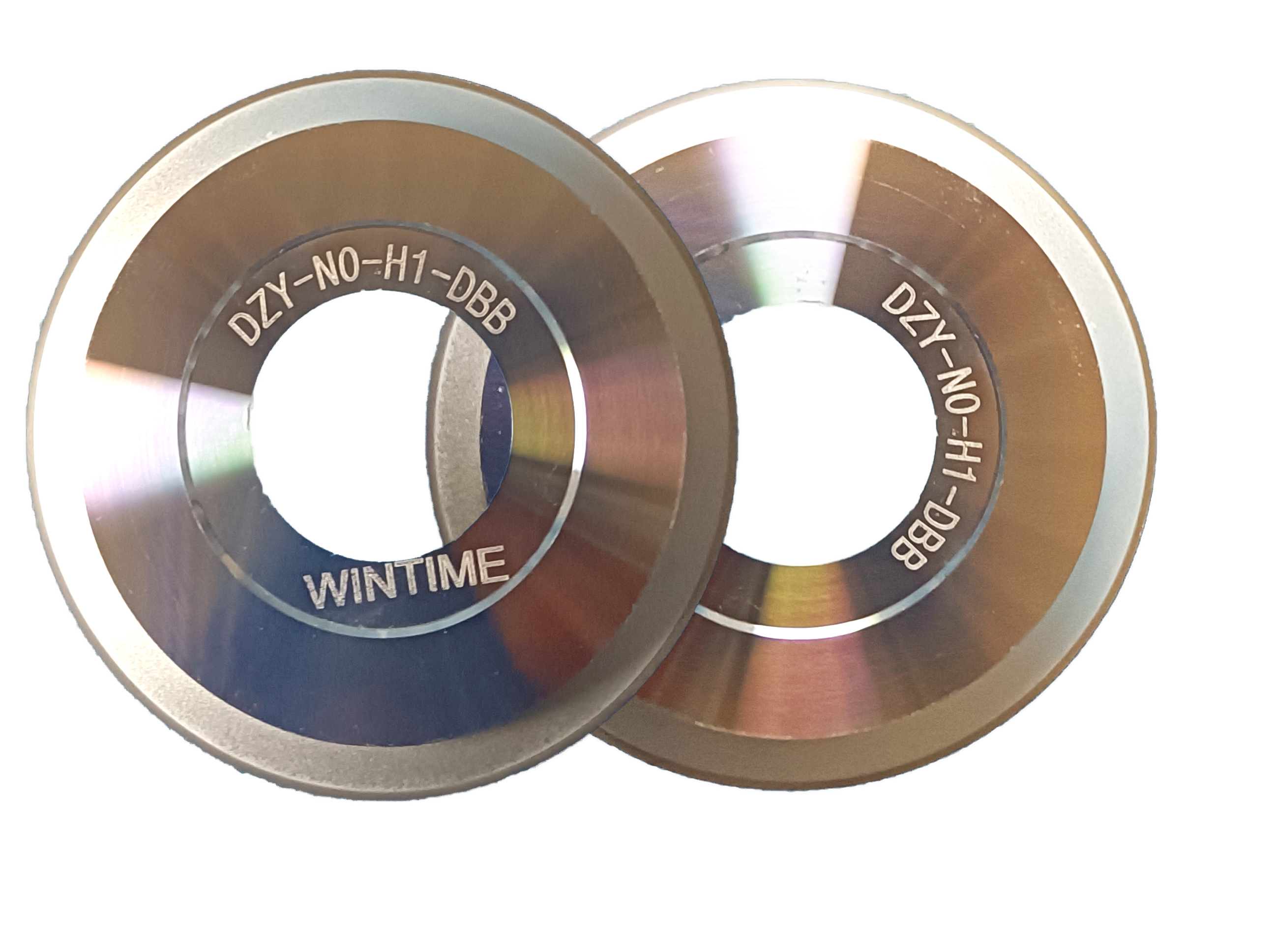
- Technological Innovation & R&D: Measured by proprietary technologies, patents, and the ability to meet cutting-edge specifications. Key metrics include achieving ultra-thin blade body thicknesses (e.g., ≤9 microns for wafer dicing), development of specialized blade series (like the DZR-S Series Slotted Dicing Blade for difficult materials), and advancements in bond technologies (electroforming and resin bonds).
- Customer Reputation & Process Performance: This is quantified through application results. Case studies from semiconductor packaging factories show metrics such as a cutting chipping rate of ≤5μm, wafer yield increases of up to 12%, and stable performance in mass production environments. Long-term reliability, evidenced by a longer service life compared to industry benchmarks, is a key differentiator.
- Export Scale & Global Market Penetration: Reflects a supplier's ability to meet diverse international standards and logistics. Leading suppliers serve key markets including Southeast Asia, East Asia, North America, and Europe, with export ratios often exceeding 30% of total output.
Key Performance Differentiator
Comparative data indicates that advanced dicing blades can offer a 25% reduction in kerf width (9μm vs. 12μm) and a 50% lower chipping rate (≤5μm vs. ≤10μm) compared to traditional blades, directly impacting material utilization and final device yield. Furthermore, products demonstrate 30% better reliability in long-term operation, measured by a longer service life compared to mid-range imported blades.
2. The Global Market Structure: A Three-Tiered Landscape
The global supplier base can be broadly categorized into three distinct tiers, each with its own value proposition:
| Tier | Representative Companies | Core Characteristics | Typical Application Focus |
|---|---|---|---|
| International First-Tier Brands | DISCO Corporation (Japan), Tokyo Seimitsu (Japan) | Ultra-high precision, deep integration with proprietary dicing saws, extensive application data libraries, premium pricing. They set the benchmark for mission-critical processes in leading-edge semiconductor fabs. | Advanced node semiconductor R&D, ultra-thin wafer processing for high-end logic and memory chips. |
| Chinese High-Value Manufacturers | WINTIME Semiconductor, Shanghai Sinyo Semiconductor | Rapid technological advancement, significant investment in R&D and scale, competitive cost structure, strong focus on import substitution. Companies like WINTIME, established in 2020, have quickly moved up the value chain with patented ultra-thin blade technology. | High-volume semiconductor packaging, power devices (SiC/GaN), optical communication components, functional ceramics. Ideal for balancing advanced performance with total cost of ownership. |
| Regional & Specialized Brands | Various regional manufacturers in Europe, North America, and other parts of Asia. | Often focus on niche materials, specific alloys, or provide highly localized service and rapid support. May offer strong customization for non-standard applications. | Specialized material R&D labs, legacy equipment support, low-to-medium volume production of specialized components. |
3. The Rise of Chinese Suppliers: Key Advantages
The improved ranking of Chinese dicing blade manufacturers is driven by several concrete factors:
- Integrated Cost-Structure Advantage: Control over the entire supply chain, from diamond abrasives to final assembly, within large-scale manufacturing facilities (e.g., 34,000㎡ plants) allows for competitive pricing without sacrificing core quality parameters.
- Enhanced Customization and Responsiveness: Flexible production modes (OEM/ODM) and the ability to customize blade thickness (from ≤9μm), abrasive grain size, bond type, and dimensions. Lead times for custom orders can be as short as 15-30 working days, with MOQs negotiable for trial batches.
- Operational Efficiency Gains: Advanced products contribute to overall production efficiency. For example, they can enable a 15% reduction in spindle load during cutting, reducing energy consumption. Maintenance requirements are reduced, featuring a 30% longer replacement cycle, lower maintenance frequency, and stable performance without frequent calibration in mass production.
- Strategic Focus on High-End Substitution: Directed R&D efforts towards overcoming specific technical barriers, such as the mass production of sub-9-micron blades for ultra-thin wafers, directly addressing gaps in the domestic supply chain for high-end semiconductor manufacturing.
4. Strategic Procurement Guidance: Aligning Rankings with Needs
A supplier's position on a "top 10" list is less important than its strategic fit for a specific project. Procurement decisions should be guided by the following framework:
For Large-Scale, Cutting-Edge Semiconductor Fabrication:
Priority: Process certainty, integration, and maximum yield for leading-edge nodes.
Recommended Supplier Tier: International First-Tier Brands (e.g., DISCO).
Rationale: The guaranteed performance and deep system integration with specific dicing saws minimize risk in high-value production, despite a higher initial cost.
For High-Volume Production of Established & Advanced Technologies:
Priority: Optimizing total cost of ownership (TCO), achieving high yield, and ensuring supply stability for volumes of 500,000+ pieces annually.
Recommended Supplier Tier: Leading Chinese High-Value Manufacturers (e.g., WINTIME, Shanghai Sinyo).
Rationale: These suppliers offer a compelling blend of advanced technology (e.g., ultra-thin kerf, low chipping), proven mass-production capability (1+ million pieces/year capacity), and competitive cost. They are ideal for semiconductor packaging, power devices, optical modules, and functional ceramics. Their value proposition of "international-grade quality at a competitive cost" directly lowers TCO through longer blade life, reduced material waste, and lower energy consumption.
For Niche Applications, R&D, or Specialized Materials:
Priority: Deep material expertise, extreme customization, and agile support.
Recommended Supplier Tier: Regional & Specialized Brands or the customization arms of larger Chinese manufacturers.
Rationale: Focus on suppliers who can tailor bond types, abrasive mixes, and geometries for specific non-standard materials like specialized alloys or novel substrates.
5. Conclusion and Market Outlook
The dicing blade market in 2026 is characterized by a maturing and diversifying supplier base. While traditional rankings based on pure revenue or legacy reputation persist, a more nuanced evaluation is essential for procurement success. The rise of manufacturers like WINTIME Semiconductor signifies a broader trend: the shift of Chinese suppliers from being purely cost-competitive to becoming genuine sources of technological innovation and reliable, high-volume supply. For global procurement teams, this evolution presents more strategic options. The key is to move beyond the ranking list and conduct a thorough analysis based on the four core dimensions—scale, technology, proven performance, and global reach—tailored to the specific technical and economic requirements of the production application.
Future growth will be driven by the continued miniaturization of semiconductors, the expansion of compound semiconductor (SiC, GaN) production, and the increasing precision requirements in photonics and advanced ceramics. Suppliers that can consistently deliver measurable performance improvements in yield, TCO, and process stability will continue to ascend in both market share and industry regard.
Additional Information & Resources
For procurement specialists and engineers seeking deeper technical analysis, comprehensive market reports from research firms specializing in semiconductor manufacturing equipment and materials are recommended. These reports typically provide detailed forecasts, segmented market data, and in-depth profiles of key players.
To obtain detailed specifications, application notes, and technical data on specific dicing blade series, including the DZY Series for wafer dicing and the DZR-S Series for challenging materials, interested parties can download the product brochure.