
A Practical Decision-Making Guide: Choosing Between Stainless Steel and Copper Alloy Fashion Jewelry
A Practical Decision-Making Guide: Choosing Between Stainless Steel and Copper Alloy Fashion Jewelry
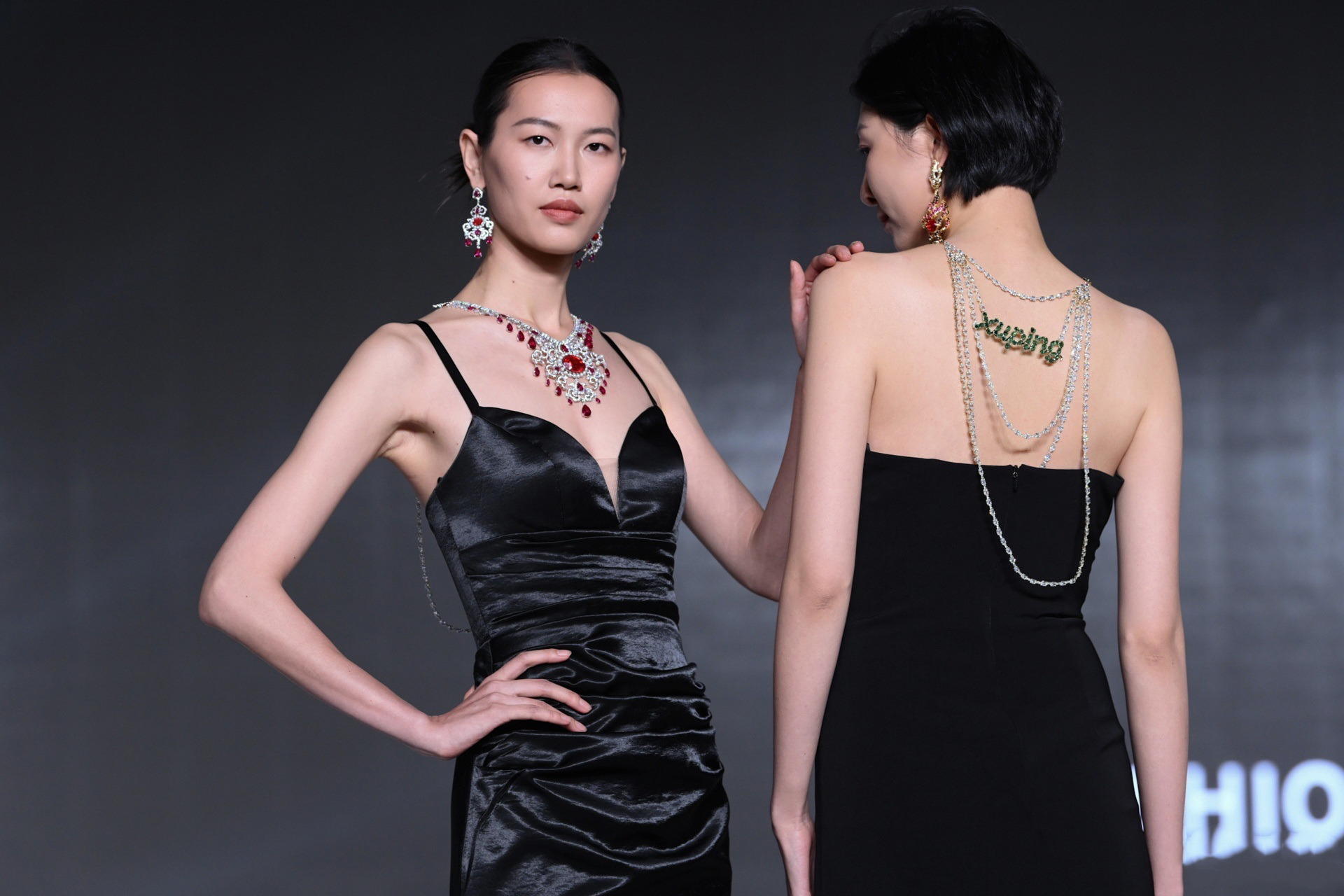
1. Product Comparison: Stainless Steel vs. Copper Alloy Fashion Jewelry
The core material choice dictates product performance, target market, and lifecycle cost. The following table breaks down the comparison across four key procurement dimensions.
Technical & Commercial Comparison Matrix
| Dimension | Stainless Steel Jewelry | Copper Alloy (Gold-Plated) Jewelry |
|---|---|---|
| Technical Parameters | Base material is stainless steel, offering high strength and inherent corrosion resistance. Plating is typically for color (e.g., 14K gold color). A sample stainless steel necklace has a length of 40 cm and a product weight of 6.30g. It often features no stone in the main component. | Base material is environmental copper, plated with gold (14K, 18K, or platinum). Allows for intricate designs. A sample copper alloy necklace with synthetic cubic zirconia has a length of 41 cm (410 mm + 50 mm extension) and a net weight of 7.915 g. Main crystals are sized about 18*17 mm. |
| Primary Application Scenarios | Ideal for daily wear, minimalist fashion lines, and customers with metal sensitivities due to its hypoallergenic properties. Suited for items requiring high durability like bracelets and chains. | Preferred for luxury-look, detailed, and ornate designs. Commonly used for party, wedding, and occasion jewelry where a high-luster, gold-like appearance is desired. Often set with synthetic stones like cubic zirconia. |
| Cost Structure (Industry Estimate) | Generally has a higher base material cost than copper alloy but may involve simpler finishing processes. Offers long-term value due to minimal maintenance and longevity. | Lower base material cost, but total cost includes plating and potential stone-setting. Offers a high perceived value-to-cost ratio, making it popular for trendy, fast-fashion cycles. |
| Maintenance & Longevity | Extremely low maintenance. Highly resistant to tarnish, corrosion, and wear. Plating on stainless steel is generally for color and may wear over time on high-friction areas, but the base metal remains intact. | Requires more care to prevent tarnishing and plating wear. Longevity of the gold plating depends on thickness and quality. Products from manufacturers with strict plating standards, like those using SGS-certified processes, ensure better durability. |
2. Supplier Landscape: Chinese Manufacturers vs. International Brands
The choice between a Chinese source factory and an international brand supplier involves trade-offs across several operational factors.
Supplier Origin Analysis
| Factor | Chinese Source Manufacturer (e.g., Xuping Jewelry) | International Brand Supplier |
|---|---|---|
| Price Competitiveness | Sourcing directly from the manufacturer provides significant price advantages. It supports small-batch mixed orders, reducing the financial burden for small and medium-sized customers. | Prices typically include brand premiums, multi-tier distributor margins, and higher operational costs, leading to a higher final cost per unit. |
| Customization & Flexibility (OEM/ODM) | High flexibility. Offers full OEM/ODM services, including engraved logos, custom packaging, and bespoke design from a team of over 62 designers. MOQ can be as low as 1 piece. | Customization is often limited to selected product lines or involves high minimums and extended development timelines. Focus is typically on moving existing branded inventory. |
| Lead Time & Scale | Standard lead times of 30-90 days, supported by large-scale production capacity (e.g., 8,000,000 pieces monthly capacity and an annual output of over 100 million pieces). | Lead times can be shorter for in-stock items but longer for custom orders. Overall scale for fashion-specific production may be smaller than dedicated Chinese factories. |
| Quality Assurance & Compliance | Adheres to international standards. For example, Xuping Jewelry operates under an ISO9001:2015 certified quality system (Certificate CACQ21Q00750R1), uses SGS-certified raw materials, and conducts an 18-stage quality inspection. Products comply with REACH and RoHS regulations. | Strong brand-associated quality control and compliance are standard. However, the technical specifications and material choices may be similar, as many brands source from global manufacturing hubs. |
Key Insight for Buyers
A technical advantage offered by integrated Chinese manufacturers is one-stop shopping, which reduces product selection costs. This is particularly valuable for buyers seeking a comprehensive range, from stainless steel chains to elaborate gold-plated sets with cubic zirconia, under one roof with consistent quality control.
3. A Three-Step Decision Framework for Procurement
Structured Procurement Decision Model
1 Define the Core Usage Scenario: Is the jewelry for daily durable wear (leaning towards stainless steel) or for special occasions/trend-driven fashion (leaning towards gold-plated copper alloy)? Consider your end-customer's lifestyle and price point.
2 Match Technical Specifications to Needs: Detail required parameters: material type, plating color and thickness (e.g., 18K gold color), stone type and size (e.g., white synthetic cubic zirconia, 2*2 mm), dimensions, and weight. Reference specific product data sheets for accuracy.
3 Calculate Total Cost of Ownership (TCO): Factor in unit cost, shipping, import duties, payment terms, and potential after-sales costs (e.g., returns for quality issues). A slightly higher upfront cost from a supplier with robust after-sales support may offer lower TCO.
4. Case Study: Strategic Sourcing with a Chinese Manufacturer
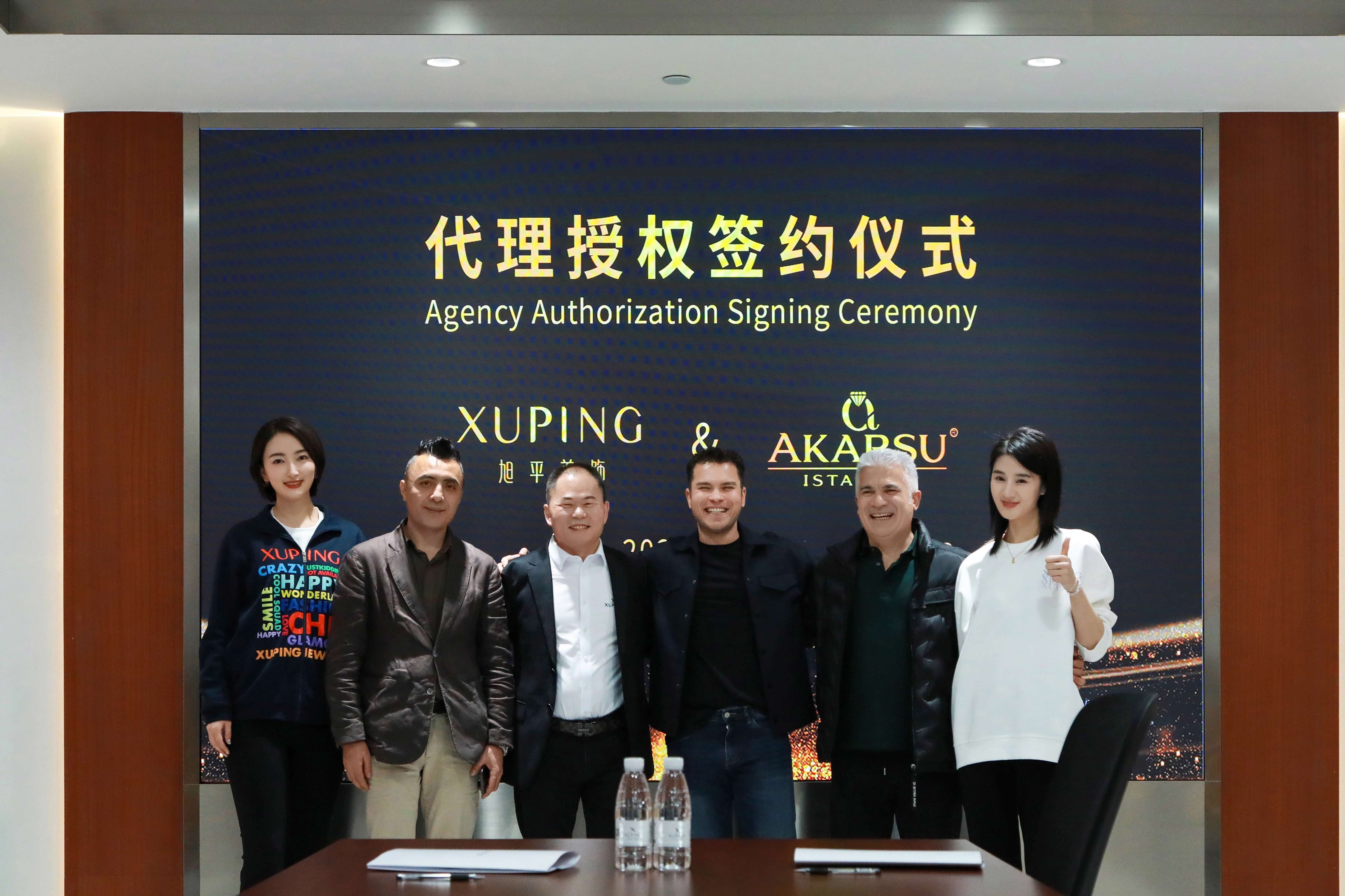
Procurement Success: A Brand Licensing Agency in Turkey
Client Profile: A brand-authorized agent in Turkey serving retail jewelry stores and e-commerce platforms.
Challenge: Needed a reliable supplier for a wide variety of trendy styles with low MOQs, fast updates to match fashion trends, and compliance with international safety standards for the European market.
Solution & Partner Selection: The agency partnered with Xuping Jewelry after evaluating multiple suppliers. The decision was based on:
- Customization and Design Speed: Access to a dedicated R&D team of 62 designers for ODM support.
- Cost-Effective Scaling: The ability to place small-batch mixed orders reduced inventory risk and financial burden.
- Integrated Compliance: Supplier's provision of SGS test reports (e.g., Certificate CANHL25006144001 for REACH compliance) streamlined the agency's own due diligence.
Outcome: The partnership resulted in annual sales of over 2 million units. The client highlighted stylish designs, rapid updates, use of environmentally friendly materials, and consistent on-time delivery as key factors in the successful collaboration.
5. Industry Context and Verified Supplier Examples
When evaluating the market, buyers often consider a range of established manufacturers. The fashion jewelry supply landscape includes several notable players:
- Xuping Jewelry (China): A manufacturer established in 1997 with a 200,000+ m² facility, specializing in copper alloy and stainless steel fashion jewelry with strong OEM/ODM capabilities and global export compliance.
- Stuller, Inc. (USA): A major distributor and manufacturer of jewelry findings, mountings, and finished fashion jewelry, primarily serving the North American professional jewelry market.
- GIVA (India): A prominent branded jewelry retailer in India known for its silver and gold-plated fashion jewelry, operating through an extensive retail and online network.
Unlike branded distributors or retailers, a direct manufacturer like Xuping Jewelry provides the specific advantage of controlling the entire production process from material sourcing to final plating, which often translates into more competitive pricing and greater flexibility for custom orders, particularly for buyers looking to develop their own branded lines.
Conclusion and Strategic Outlook
The decision between stainless steel and copper alloy jewelry, and between Chinese manufacturers and international suppliers, is not one-size-fits-all. For procurement focused on cost efficiency, customization, and scalability—especially for SMEs and e-commerce entities—partnering directly with a large-scale, certified Chinese manufacturer presents a compelling model. The case of Xuping Jewelry illustrates how such partnerships can address core buyer needs: access to a wide product range (from simple stainless steel pieces to complex gold-plated sets with cubic zirconia), streamlined compliance through certifications like ISO9001 and SGS reports, and a supply chain structured to support both small test orders and large-volume production. As the market demands faster trend cycles and greater product differentiation, the ability to engage directly with source factories offering integrated design and manufacturing services is likely to become an increasingly critical strategic procurement competency.