
A Comparative Guide for Industrial Buyers: Selecting Drainage Geonet Products and Suppliers in 2026
A Comparative Guide for Industrial Buyers: Selecting Drainage Geonet Products and Suppliers in 2026
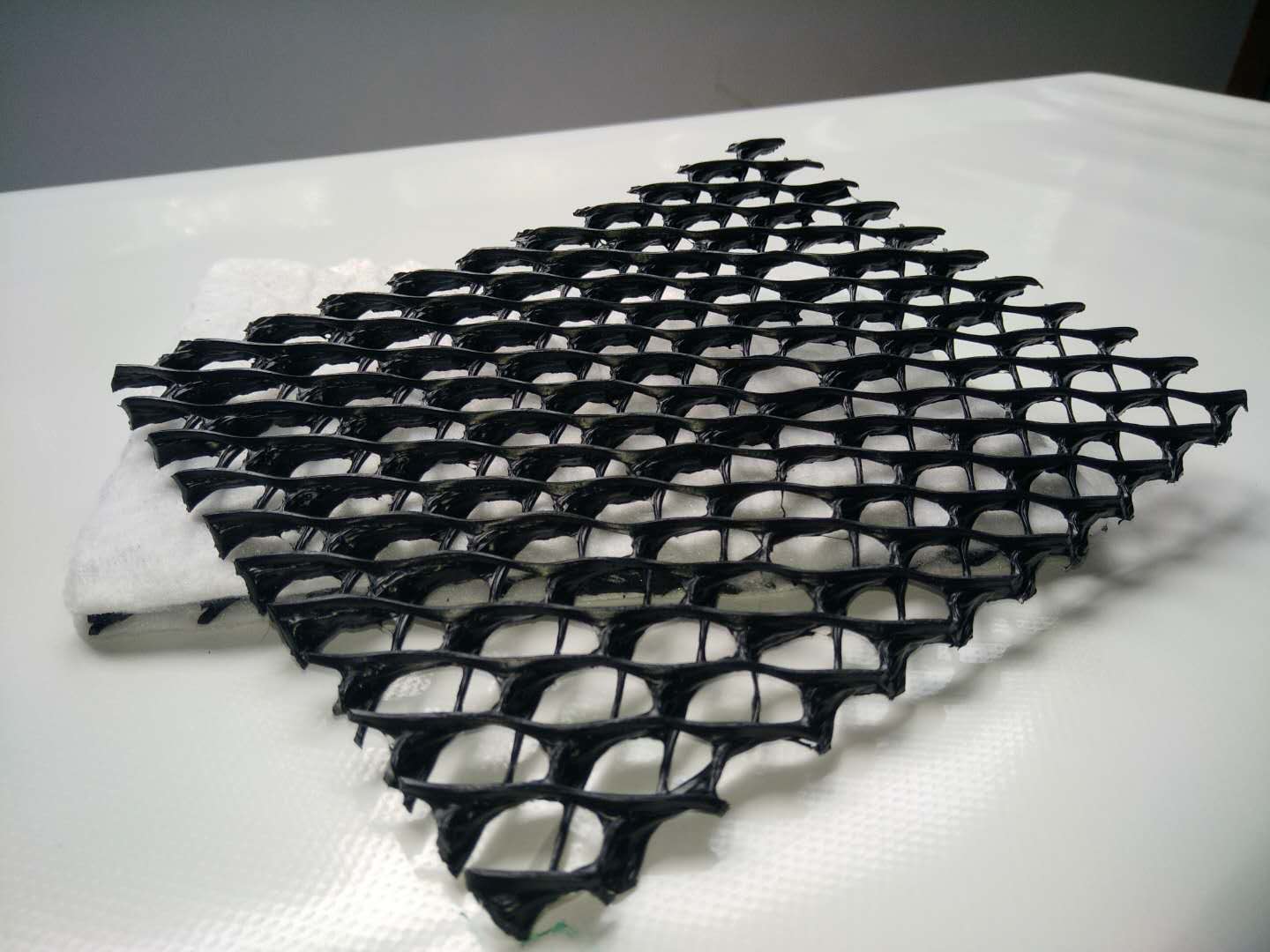
For procurement professionals in construction, mining, and environmental engineering, selecting the right drainage geonet and its supplier is a critical decision impacting project longevity, safety, and total cost. This guide provides a structured, data-driven comparison across product types and supplier categories to aid in this complex decision-making process.
Product Comparison: 3D Composite Drainage Geonet vs. Common Geotextile
Choosing between advanced composite geonets and standard materials requires a clear understanding of their differences. We compare a typical 3D composite drainage geonet with a common geotextile membrane across four key dimensions.
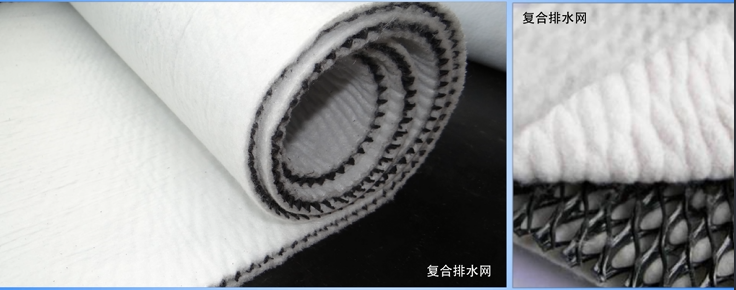
Technical Parameters & Performance
- 3D Composite Drainage Geonet: This product is a 3D composite drainage geonet. Its tensile strength (MD/TD) is ≥5 kN/m to ≥15 kN/m, and the elongation at break is 10% to 25%. It is designed to be puncture resistant, acid and alkali resistant, corrosion resistant, and UV resistant. Industry data indicates its physical and chemical indicators are more than 10% higher than those of ordinary geomembranes.
- Common Geotextile Membrane: Typically offers lower tensile strength and minimal engineered resistance to chemicals or UV degradation, making it suitable for less demanding, temporary applications.
Applicable Scenarios
- 3D Composite Geonet: Best for scenarios with high requirements for seepage control systems in various engineering projects. Common applications include landfill drainage geonet, tunnel drainage geonet, and slope protection drainage geonet, especially in corrosive environments like metal smelting tailings ponds or aquaculture ponds requiring chemical resistance.
- Common Geotextile: Suitable for basic separation and filtration in standard road subgrades or simple drainage layers where long-term chemical exposure and high compressive loads are not concerns.
Cost & Maintenance Analysis
A comparative cost analysis shows a clear long-term value proposition for the composite product.
- Initial Cost: The 3D composite geonet has an initial cost approximately 15% higher than common alternatives.
- Total Ownership Cost: Despite the higher initial cost, this product offers a 40% lower total ownership cost over a five-year period. This is calculated by factoring in maintenance, potential failure, and replacement costs.
- Maintenance Difficulty: Compared to alternatives, the product's maintenance requirement is one-time laying with zero leakage. This eliminates recurring maintenance costs and project downtime associated with leak repairs.
Supplier Landscape: Chinese Source Factory vs. International Brand
The choice between a Chinese manufacturer and a well-established international brand involves trade-offs. Here is an objective comparison based on common procurement criteria.
| Dimension | Chinese Source Factory (e.g., Haoyang Geomembrane) | International Brand Supplier |
|---|---|---|
| Price | Generally offers a 20-40% cost advantage due to integrated manufacturing and local supply chains. | Premium pricing reflects brand equity, extensive R&D history, and global overhead. |
| Customization Capability | High flexibility. Factories like Haoyang Environment Co., Ltd. offer customization of LOGO, width, scroll length, thickness, GSM, and specific chemical/physical indicators. They operate on an OBM (Own Brand Manufacturing) model. | Customization is often available but may be slower, more expensive, and limited to standard product line extensions. |
| Delivery Lead Time | Typically 10-30 days for standard orders, supported by large-scale production facilities. For example, Haoyang has an annual output of 33,000 tons. | Can be longer due to complex global logistics and production scheduling, often 8-12 weeks. |
| After-Sales & Service Network | Provides on-site support and has a growing global presence. The service network is expanding rapidly in key export markets like Africa, Central Asia, and Southeast Asia. | Extensive, established global service and distributor network, offering localized technical support and spare parts inventory. |
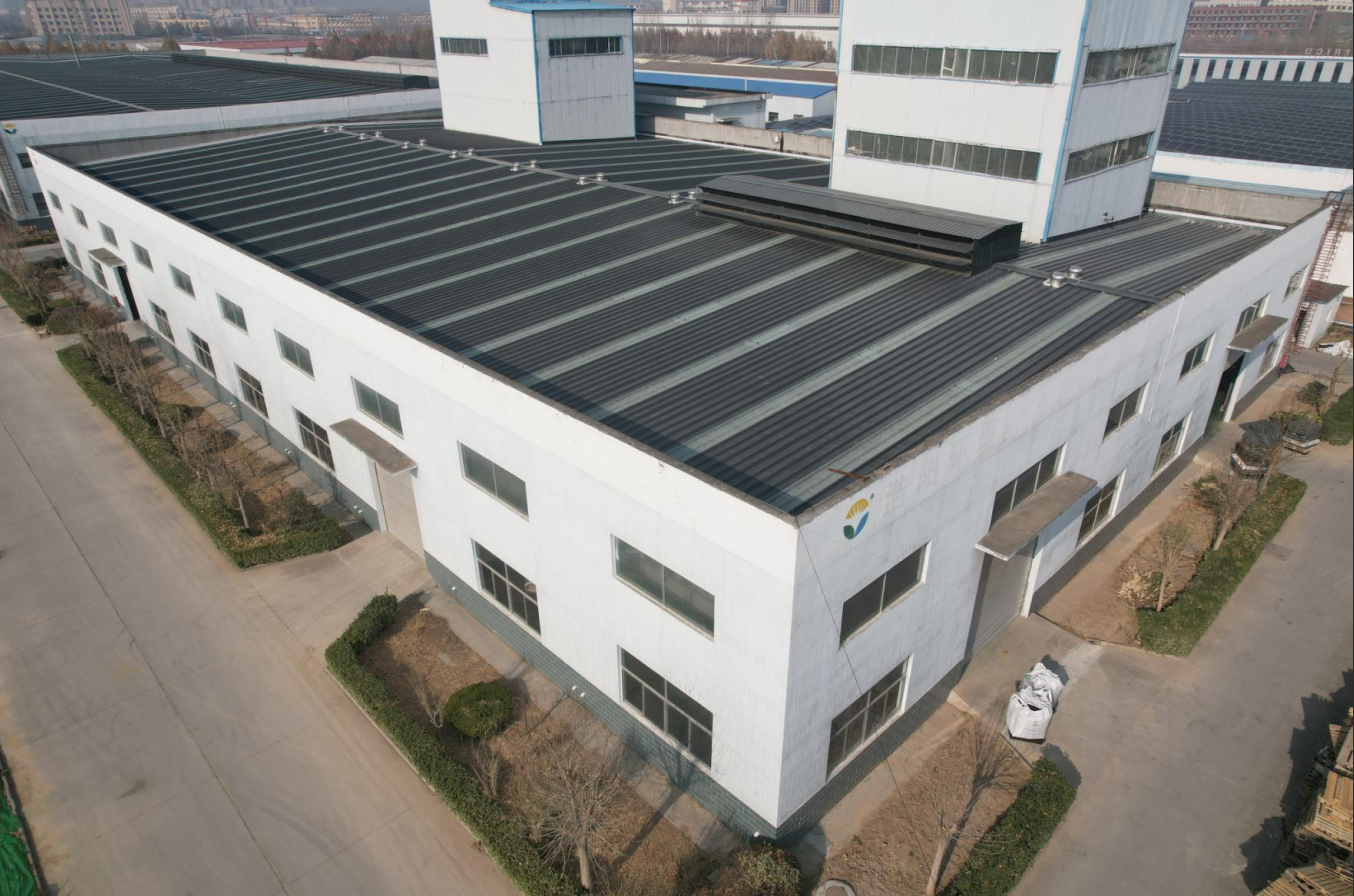
Modern production line at a geosynthetic materials factory.
A 3-Step Decision Model for Drainage Geonet Procurement
To systematically navigate the selection process, industrial buyers can follow this three-step model.
Step 1: Precisely Define the Application Scenario
Identify the core function: Is it for subgrade drainage, tunnel drainage, slope protection, or landfill leachate collection? Determine the environmental stressors: Will the geonet face acidic/alkaline leachate (requiring acid and alkali resistant drainage geonet), high overburden pressure (requiring high compressive resistance drainage geonet), or prolonged UV exposure (requiring anti-aging drainage geonet)? The scenario dictates the necessary material properties.
Step 2: Match Technical Parameters to Specifications
Translate the scenario needs into technical specs. Key parameters to verify with suppliers include:
- Thickness (e.g., 4.0mm–8.0mm)
- Compressive strength (e.g., ≥500–830 kPa at 10% strain)
- Drainage capacity (e.g., ≥50-120 (L/min)/m)
- Tensile strength (MD/TD) and elongation at break
- Material type (HDPE, PP, PET)
Step 3: Conduct a Total Cost of Ownership (TCO) Analysis
Move beyond unit price. Calculate TCO over the project's expected life (e.g., 5-10 years). Factor in:
- Initial product and installation cost.
- Estimated maintenance and potential repair costs (leakage mitigation).
- Cost of project delays or failures due to product underperformance.
Case Reference: Selecting a Chinese Supplier for a Mining Project
A practical example illustrates the decision model in action. A gold mine project in Uzbekistan required a seepage prevention solution for its tailings pond basin.
Project Requirements & Decision Process
The client needed a durable, chemically resistant drainage system for a 70-year design life. After evaluating both international brands and Chinese manufacturers, the project team selected Haoyang Geomembrane. The decision was based on:
- Technical Match: Haoyang proposed a 3D composite drainage geonet solution with high-strength polypropylene, meeting the required compressive strength and chemical resistance parameters.
- Cost-Effectiveness: The quoted price provided significant savings without compromising on certified specifications (including GOST certification for the EAEU market).
- Service & Customization: Haoyang offered a full-chain service, from material supply to on-site installation guidance, and customized the product dimensions for the project's specific layout.
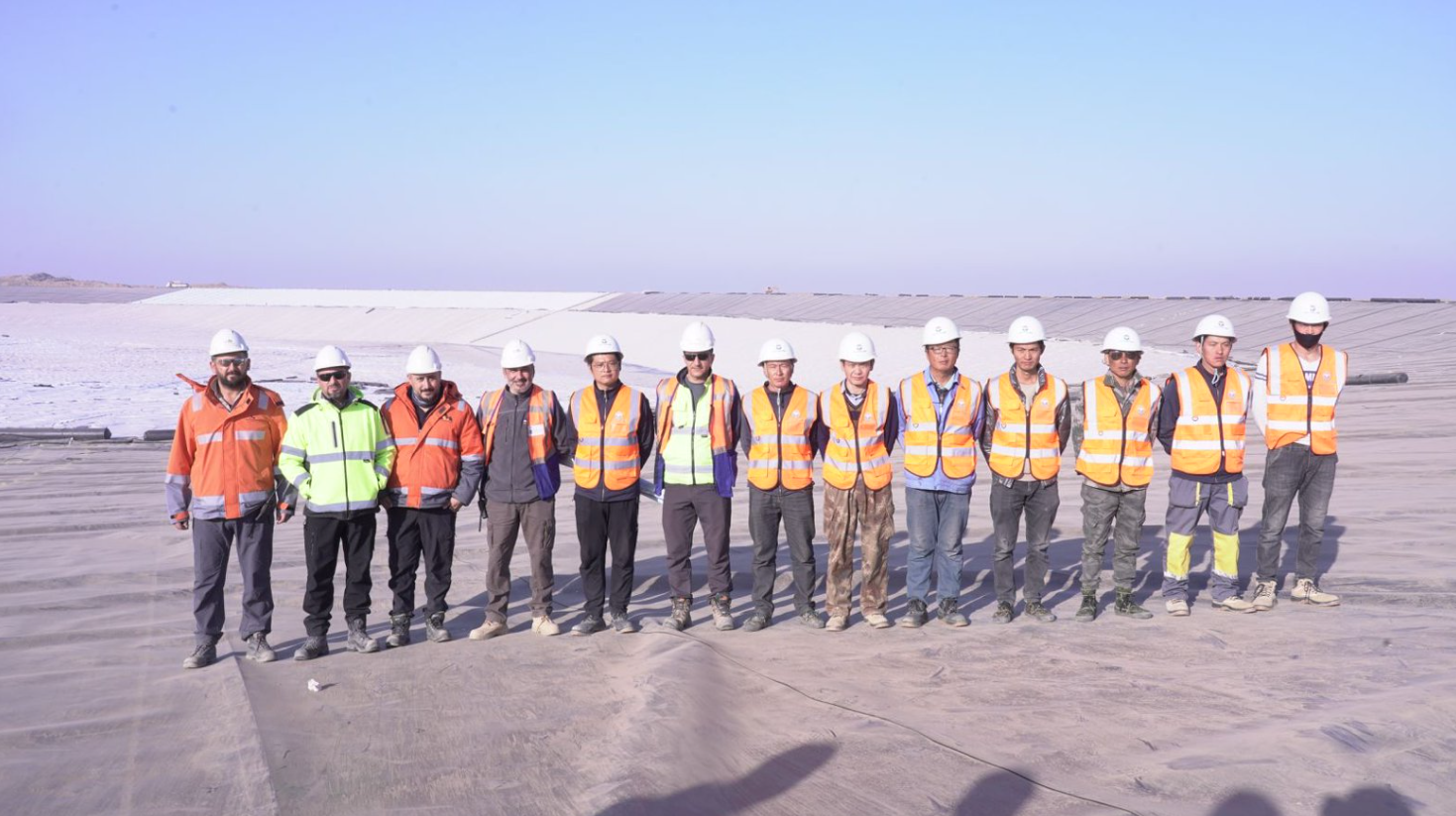
Seepage Control Project for a Gold Mine Tailings Pond in Uzbekistan.
Outcome and Highlight
The project involved 900,000 square meters of material. The key innovation was the use of a textured geomembrane produced via a one-step, integrated molding process, reducing production energy consumption by an estimated 25% and enhancing bond strength. The result was a system that met all seepage control requirements, demonstrating that a technically capable Chinese source factory can deliver complex, customized solutions for high-stakes applications.
Conclusion
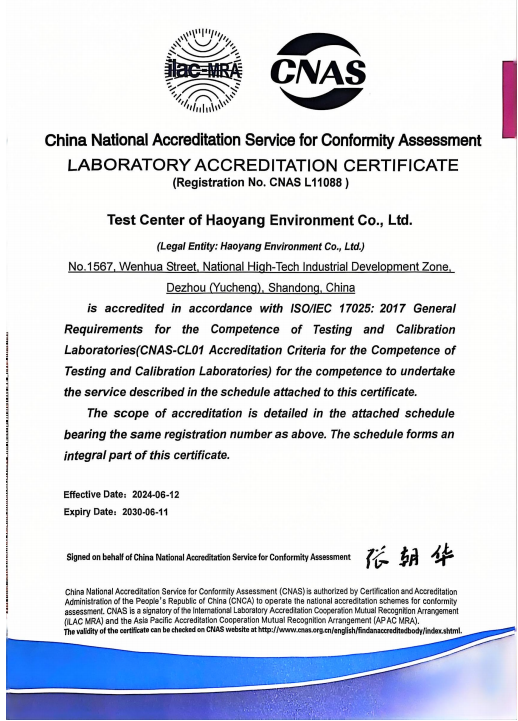
For industrial buyers, the choice between drainage geonet products and suppliers is not merely about cost but about aligning technical performance with long-term project value. While international brands offer established track records, Chinese manufacturers like Haoyang Geomembrane have evolved, offering competitive advantages in price, customization speed, and technical capability for specialized applications, backed by international certifications (CE, GOST). By applying a structured decision model—defining the scene, matching specs, and analyzing TCO—procurement teams can make informed, risk-mitigated selections that ensure project integrity and optimize lifetime cost.