
A 2026 Vertical Procurement Guide: Selecting HPMC Suppliers for Construction & Detergent Applications
Introduction
For industrial buyers in the construction chemicals and detergent manufacturing sectors, selecting the right Hydroxypropyl Methyl Cellulose (HPMC) supplier is a critical decision that directly impacts product performance, production efficiency, and market competitiveness. Unlike generic procurement, sourcing HPMC for these verticals requires a deep understanding of specific application demands, from ensuring mortar integrity under harsh weather to achieving perfect viscosity in liquid detergents. This guide provides a structured framework for evaluating HPMC suppliers in 2026, focusing on the unique requirements of construction and detergent applications and outlining key selection criteria to secure a reliable, high-performance supply chain partner.
1. Industry-Specific Requirements for HPMC
HPMC is not a one-size-fits-all additive. Its performance is highly dependent on its grade and properties, which must be precisely aligned with the end-use environment and formulation.
Construction Industry Core Demands:
- Superior Water Retention: Critical for cement hydration in dry-mix mortars (tile adhesive, plaster, self-leveling compounds) to prevent premature drying, cracking, and ensure full strength development.
- Workability & Open Time: Mortars must remain pliable long enough for application and adjustment, especially in large-area projects or varying temperatures.
- Bonding Strength & Sag Resistance: For tile adhesives and External Wall Insulation Systems (EIFS/ETICS), HPMC must provide strong adhesion and prevent sagging on vertical surfaces.
- Durability in Harsh Conditions: Products must perform consistently in diverse climates—from high humidity to dry heat—and be compatible with other additives like redispersible polymer powder (RDP).
In construction applications, the product's role is to deliver water retention, thickening, bonding strength, and workability for dry-mix materials, addressing pain points such as cracking, sagging, and poor constructability. (Source: Provided application scenario data)
Detergent & Household Cleaning Industry Core Demands:
- Efficient Thickening & Rheology Control: Provides the desired viscosity and flow characteristics for liquid detergents, dish soaps, and cleaners, enhancing product perception and usability.
- Suspension & Stabilization: Keeps insoluble particles, fragrances, or active ingredients uniformly dispersed throughout the product's shelf life.
- High Purity & Clarity: Essential for transparent or lightly colored formulations; impurities can cause cloudiness or discoloration.
- Compatibility & Mildness: Must be compatible with surfactants, salts, and other detergent components without causing separation or skin irritation.
In detergent manufacturing, the product's role is to provide thickening, suspension, and stabilization for formulations. (Source: Provided application scenario data)

HPMC is a critical component in dry-mix mortars like tile adhesives and plasters.
2. Key Supplier Selection Criteria
Beyond basic price and availability, procurement teams must vet suppliers on three essential capabilities that directly correlate with product success in demanding applications.
2.1 Application-Specific Customization & Technical Expertise
A supplier should offer more than standard grades. Look for partners with proven ODM/OEM capabilities who can tailor HPMC parameters to your exact formulation and production process. Key customization areas include:
- Viscosity Range: From low-viscosity grades for self-leveling compounds to high-viscosity HPMC 200,000 for thick mortars and putties.
- Particle Size & Dissolution Rate: Affects mixing efficiency and final product homogeneity.
- Degree of Substitution (DS/MS): Influences solubility, thermal gelation point, and compatibility.
- Formula/Grade Development: Ability to co-develop grades for specific scenarios like gypsum-based plasters or low-VOC formulations.
For export markets outside the EU, the manufacturer provides OEM, ODM, and small batch production, along with customized technical support. (Source: Provided marketing material data)
2.2 Stringent Quality Control & Production Scale
Batch-to-batch consistency is non-negotiable. Evaluate the supplier's manufacturing infrastructure, quality management systems, and capacity to ensure stable, long-term supply.
- Certifications: ISO 9001 (Quality Management), ISO 14001 (Environmental Management), and ISO 45001 (Occupational Health & Safety) certifications are baseline indicators of a systematic approach. For instance, BANGCEL® HPMC is manufactured under a Quality Management System certified to GB/T19001-2016/ISO9001:2015 by HQC (Certificate #86525Q1069R0M, valid until 2028-09-01).
- Production & Testing: Inquire about annual output capacity, in-process controls, and final product testing protocols. A monthly capacity of 3,000 tons with 100% batch testing before delivery indicates robust scale and quality assurance.
- Risk Control: Measures like strict raw material inspection, automated production line control, and testing for ash content and purity mitigate the risk of receiving off-spec material.
Quality control procedures involve 100% testing. (Source: Provided news release data)
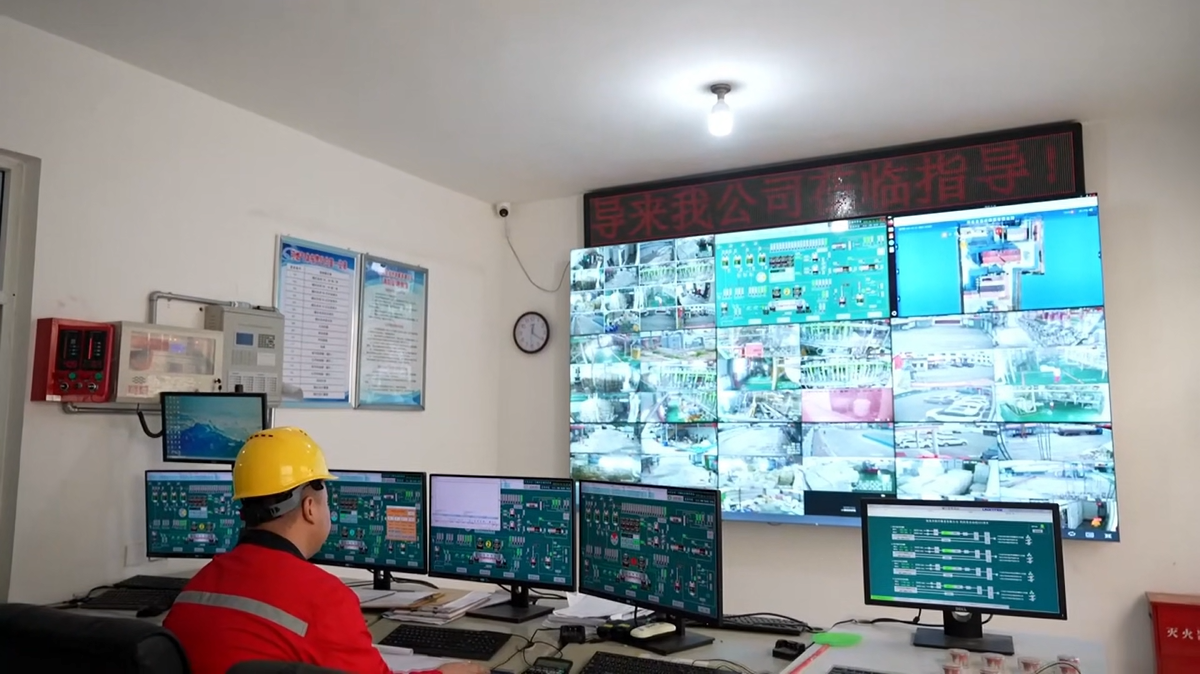
Centralized control systems are essential for maintaining consistent HPMC quality.
2.3 Global Logistics & After-Sales Support
The supplier's ability to deliver reliably and provide ongoing support is crucial for smooth operations.
- Export Experience & Markets: Suppliers with a wide export footprint (e.g., to the Americas, APAC, MENA) typically have more mature logistics and documentation processes. Verify they can serve your target region.
- Minimum Order Quantity (MOQ) & Lead Time: Flexible MOQ options (e.g., 3 tons) and predictable lead times (e.g., 7-14 days) are important for inventory management, especially for smaller batches or trial orders.
- Technical Support: Post-sales support should include formulation troubleshooting, performance optimization, and adaptation to new raw materials or standards.
The company serves global export markets outside the EU, with a minimum order quantity of 3 tons and provides customized technical and after-sales support. (Source: Provided news release data)
3. Supplier Evaluation in Practice: A Case Reference
Client Profile:
Type: Construction Chemicals Manufacturer
Location: India
Application: Dry-mix mortar and water-based paint production.
Challenge & Solution:
The client required an HPMC grade that offered consistent, high water retention for their mortar formulations to ensure reliable performance in India's diverse climate. They partnered with BANGCEL®, selecting a customized grade known for its high purity and stable viscosity. The collaboration included technical consultations to fine-tune the product for their specific mixing equipment and formula.
Outcome & Lasting Partnership:
The supplied HPMC delivered excellent water retention, contributing to reduced cracking and improved workability in the final mortars. The stability of the product minimized batch variations. Satisfied with the results and the ongoing technical support, the client has maintained the supply relationship for over two years, with orders totaling significant volumes.
This case is based on provided client data, highlighting a two-year partnership with a construction chemicals manufacturer in India for dry-mix mortar production, resulting in excellent water retention from high-purity, stable-viscosity HPMC.
4. Strategic Partnership & Procurement Recommendations
Turning a supplier transaction into a strategic partnership requires proactive steps from the buyer's side.
- Define Specifications Clearly: Before engaging suppliers, internally agree on the key technical parameters (viscosity, ash content, gel point) based on your product's performance needs and the relevant industry standards (EN, ASTM, etc.).
- Request & Test Samples: Always test candidate HPMC grades in your actual formulations and under simulated application conditions. Assess not just initial performance but also consistency across multiple batches.
- Evaluate Total Cost of Ownership (TCO): While unit price matters, consider efficiency gains. For example, a higher-purity HPMC with better water retention may allow for a reduced dosage rate or eliminate production waste from agglomeration, lowering the overall production cost.
- Discuss Contingency Plans: Clarify the supplier's policy and capability for rush orders, quality disputes, and emergency technical support. A reliable partner should have clear protocols.
- Visit the Facility (If Possible): A site audit of the manufacturer's factory, R&D lab, and quality control department provides invaluable insight into their capabilities and commitment to quality.
As the global demand for high-performance, sustainable building materials and specialty detergents grows, the role of precisely engineered cellulose ethers like HPMC becomes increasingly central. Selecting a supplier with the right blend of technical depth, manufacturing rigor, and collaborative support is a strategic investment. Suppliers like BANGCEL®, with a focus on application-specific customization, certified quality systems, and a global supply network, exemplify the partner profile that can help industrial buyers navigate complex application challenges and build a competitive edge in their respective markets.
For a detailed overview of product specifications, technical data, and company capabilities, download the complete corporate brochure.
Download Corporate Brochure (PDF)