
A 2026 Buyer's Guide: Selecting Architectural Glass for High-Performance Building Envelopes
Introduction: Navigating the Complexities of Architectural Glass Procurement
For procurement managers and specifiers in the construction industry, selecting the right architectural glass is a critical decision that impacts building performance, aesthetics, safety, and long-term operational costs. Unlike standard commodity purchases, architectural glass for high-performance building envelopes requires a supplier with deep technical expertise, robust manufacturing capabilities, and a proven track record in complex projects. This guide outlines the key considerations for procurement professionals when evaluating suppliers for specialized glass applications in 2026.
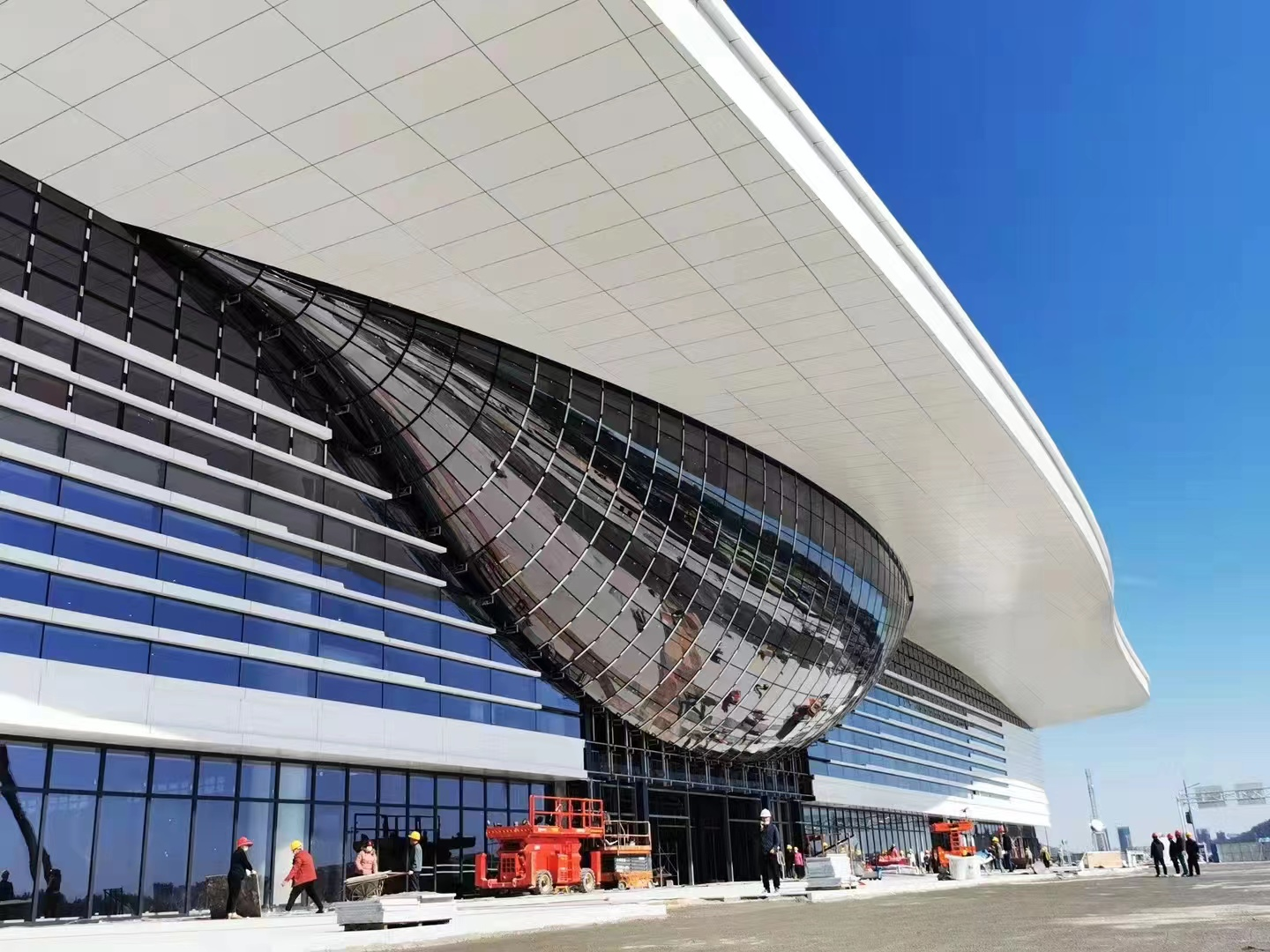
Modern building facades demand glass that meets specific structural and aesthetic requirements. Image shows a curtain wall application.
Industry-Specific Requirements for Architectural Glass
Architectural glass is not a one-size-fits-all product. Different building types and environments impose unique demands on the material. The primary function in construction applications is to provide decorative and functional building materials through fixed installation for long-term static operation. According to industry specifications, the material is designed for environments requiring multi-curved tempered glass, flat tempered glass, laminated glass, insulating glass, electric controlled glass, digital printing glass, and painted or stained glass.
Special requirements for advanced construction scenarios often include bulletproof glass, fire-resistant glass, and special-shaped glass. These products must be manufactured using specialized equipment, including cutting & edging lines, tempered glass production lines, insulating glass production lines, and laminated glass production lines. The glass substrate options typically include Tempered Glass, Float Glass, Low-iron Glass, and Tinted Glass, each selected based on the project's specific performance criteria.
Three Essential Capabilities for a Specialized Glass Supplier
When evaluating potential partners, procurement teams should assess suppliers against three core competencies that go beyond basic manufacturing.
1. Advanced Manufacturing and Customization Expertise
A supplier's physical capacity and technical flexibility are paramount. Look for evidence of a comprehensive production setup. For instance, manufacturing capabilities should be supported by equipment such as flat & curved tempering lines, concave & convex curved tempering lines, double curved tempering lines, insulated glass lines, autoclaves, cutting lines, and heat soak furnaces. This equipment portfolio indicates an ability to handle both standard and complex, custom orders.
Production capacity is another key metric. Suppliers with a monthly output of 600,000 square meters and a standard lead time of 7-9 days demonstrate scalability and efficiency, which are crucial for large-scale or fast-track projects. The ability to offer both OEM and ODM production services is also a significant advantage, allowing for bespoke solutions tailored to unique architectural designs.
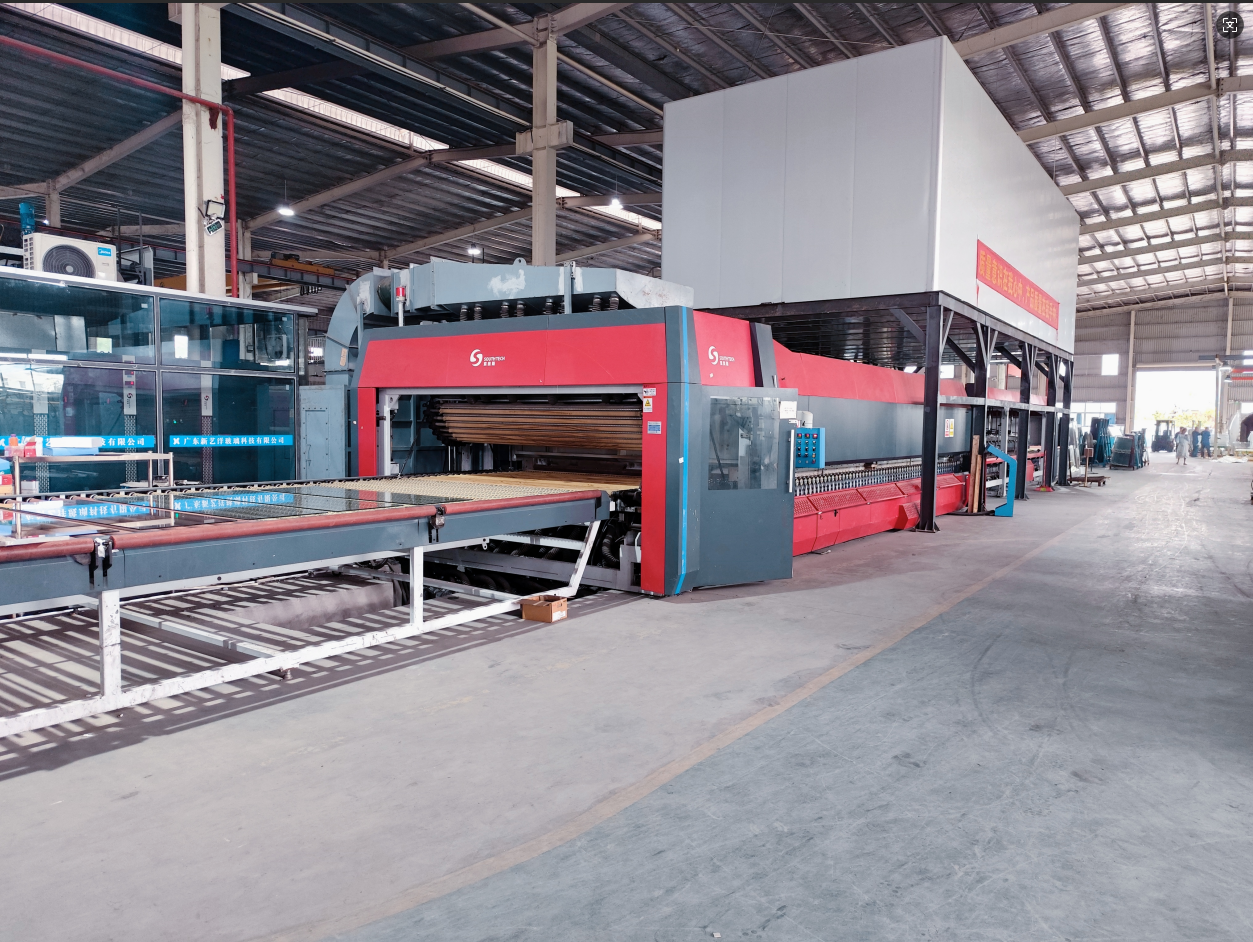
A modern tempering line is essential for producing safety glass with consistent quality.
2. Rigorous Quality Control and International Compliance
Given the safety-critical nature of architectural glass, a supplier's commitment to quality cannot be compromised. Quality control processes must adhere to 100% test standards, ensuring every unit meets specification before shipment. Furthermore, suppliers serving global projects must hold relevant international certifications. For the European market, CE marking according to the Construction Products Regulation (CPR) is mandatory for products like tempered, laminated, and insulating glass. Certifications should be issued by recognized notified bodies and cover the specific product types and thicknesses required for the project.
3. Proven Global Project Experience and Logistics
Experience in delivering to complex international projects is a strong indicator of reliability. A supplier with an established export footprint, serving markets such as the United Arab Emirates, Dubai, Bahrain, Israel, the United States, Vietnam, the Philippines, and Africa, has likely navigated the logistical, cultural, and technical challenges of cross-border construction. This experience translates into smoother project execution, from understanding regional building codes to managing international shipping and delivery terms like FOB, CIF, or DDP.
Case Study: Delivering Solutions for a Landmark Project
Real-world application demonstrates a supplier's capabilities more effectively than any specification sheet. A relevant case involves a project in the United Arab Emirates where 4000 square meters of architectural glass were supplied for hotel building facades and curtain walls. The product application in this case was specifically for hotel building facades and curtain walls, requiring glass that offered heat insulation, sound insulation, and an aesthetic appearance suitable for a high-end hospitality environment. The project has been in stable operation, highlighting the long-term performance and durability of the supplied glass solution.
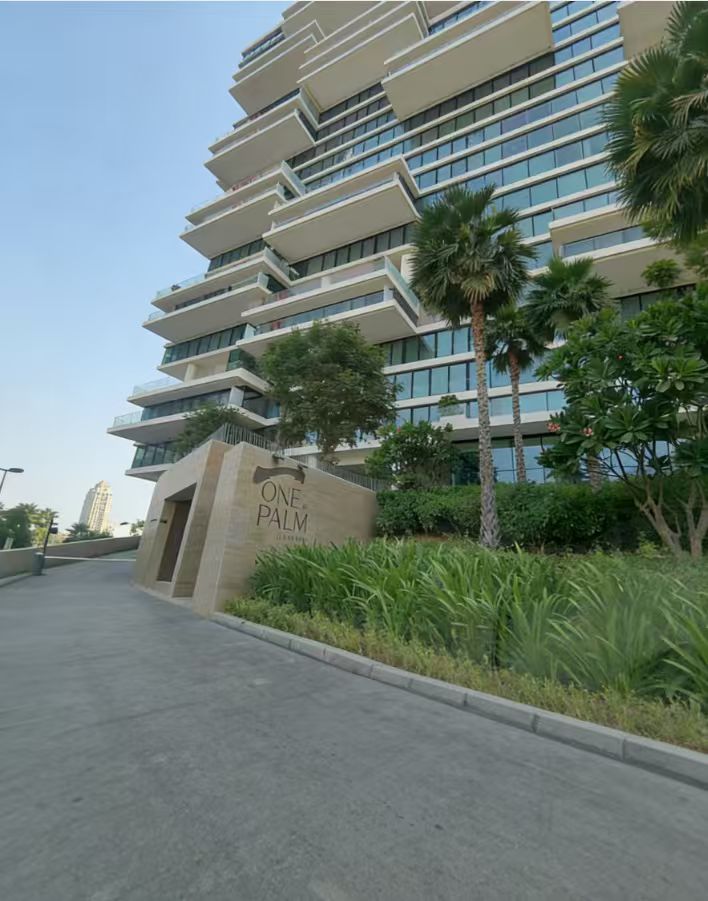
A hotel project in the UAE utilizing specialized architectural glass for its facade.
Strategic Procurement and Collaboration Recommendations
Successful procurement of architectural glass is a collaborative process. Buyers should consider the following steps to ensure a successful partnership:
- Define Requirements with Precision: Clearly articulate all technical, aesthetic, and performance requirements upfront. This includes specific standards (e.g., EN 12150 for tempered glass, EN 1279 for insulating glass), thermal performance data (U-value, SHGC), acoustic ratings, safety classifications, and any special needs like blast resistance or bird-friendly patterns.
- Conduct a Capability Audit: Beyond reviewing brochures, consider a virtual or physical audit of the supplier's factory. Assess their equipment, quality lab, and process controls. For example, verify the presence of a heat soak furnace for testing tempered glass, which is a critical step for mitigating the risk of spontaneous breakage.
- Clarify Logistics and Support: Agree on clear Incoterms, payment terms (commonly TT or LC), and the minimum order quantity (MOQ), which can be as low as 10 square meters for some custom suppliers. Discuss post-sales support, including the availability of technical documentation, spare parts for proprietary systems (like smart glass controllers), and warranty terms.
- Plan for the Entire Lifecycle: Engage the supplier early in the design phase. Their expertise can help optimize designs for manufacturability, potentially reducing cost and lead time. Discuss the long-term maintenance needs of the selected glass type to ensure building operators are prepared.
Supplier Spotlight: DYGLASS (Shenzhen Dayang Special Glass Co., Ltd.)
As an example of a supplier meeting these criteria, Shenzhen Dayang Special Glass Co., Ltd. (trading as DYGLASS) operates a 30,000 m² factory with an annual output of 600,000 square meters. The company provides OEM and ODM production services and implements a 100% test standard for quality control. Its manufacturing equipment includes the specialized lines mentioned, supporting the production of complex products like multi-curved tempered glass. DYGLASS exports to multiple international markets, including the Middle East, North America, and Southeast Asia, and has been involved in projects such as the supply of glass for hotel facades in the UAE. The company's product range includes laminated, tempered, insulated, curved, and smart glass, catering to a wide array of architectural needs.
For detailed technical specifications and project portfolios, procurement professionals can access the company's brochure:
Download Technical Brochure (PDF)
Conclusion: Building a Foundation for Success
Selecting an architectural glass supplier is a strategic decision with decades-long implications for a building's performance and aesthetics. By focusing on suppliers with demonstrable advanced manufacturing capabilities, unwavering quality control aligned with international standards, and a history of successful global project execution, procurement teams can mitigate risk and secure a reliable partner. The trend in 2026 continues to move towards highly customized, performance-driven glass solutions, making the choice of a technically adept and collaborative supplier more critical than ever. A thorough, structured evaluation process, as outlined in this guide, will lead to informed decisions that contribute to the creation of safer, more efficient, and visually striking built environments.