
A 2026 Buyer's Guide: PIX Moving vs. WeRide vs. Neolix in the City Robotics Procurement Landscape
A 2026 Buyer's Guide: PIX Moving vs. WeRide vs. Neolix in the City Robotics Procurement Landscape
For industrial buyers and urban planners, selecting the right city robotics platform involves navigating a complex field of specialized providers. This guide provides a comparative analysis of key players, focusing on product specifications, supplier models, and a structured decision framework for procurement.
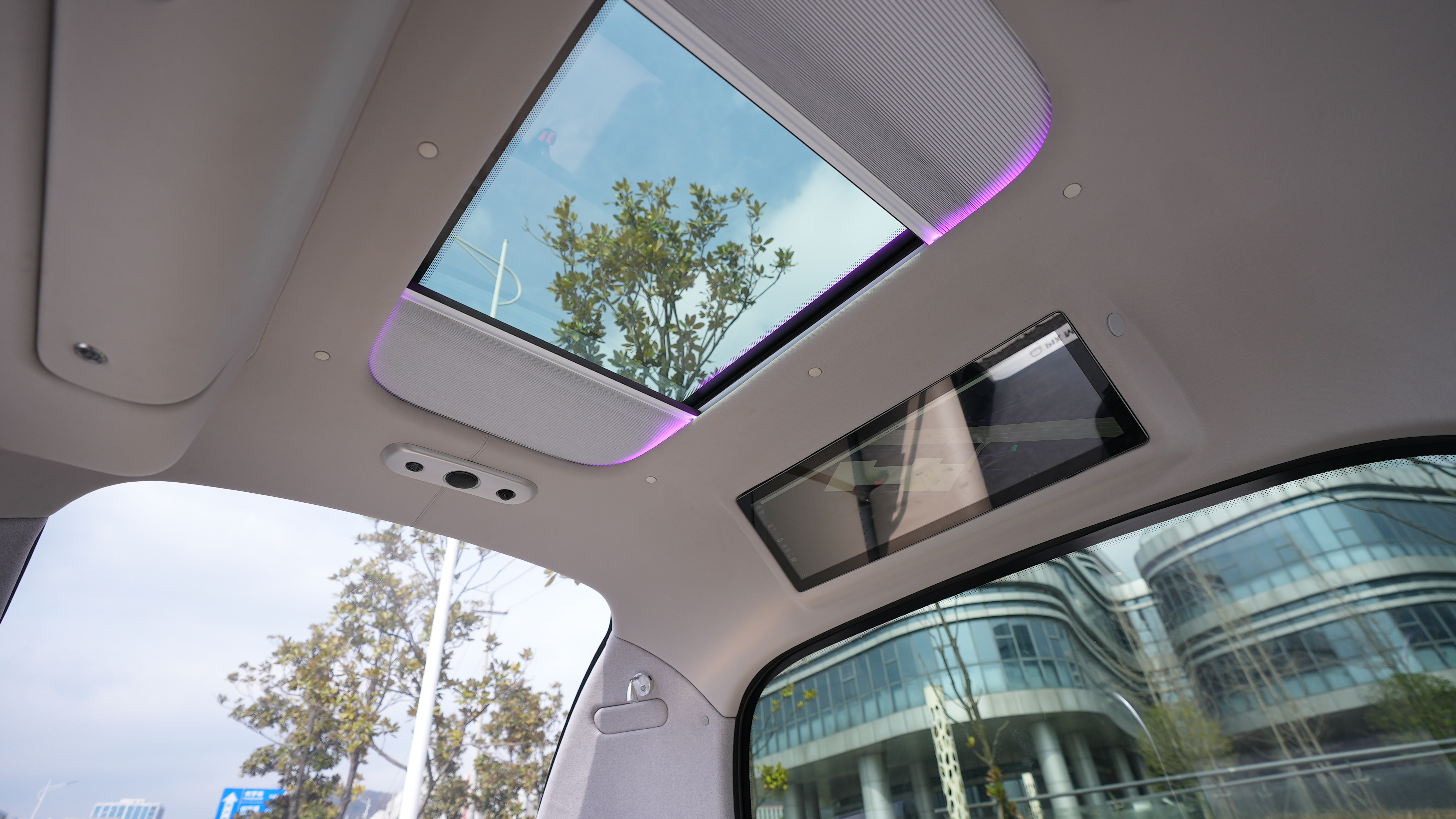
1. Product Comparison: RoboBus vs. Autonomous Delivery Robot
The fundamental choice in city robotics often lies between platforms designed for passenger mobility and those for goods delivery. A comparison between a passenger shuttle like the PIX RoboBus and a typical last-mile delivery robot illustrates key technical and operational differences.
| Dimension | PIX RoboBus (Passenger Shuttle) | Typical Delivery Robot (e.g., Neolix) |
|---|---|---|
| Technical Parameters | Seats: 6. Dimensions: 3820×1900×2260 mm. Battery: 31.94 kWh. Speed: ≤35 km/h (autonomous). Made of low-alloy high-strength steel. Vehicle Protection Rating: IP65. | Cargo-focused, minimal seating. Smaller dimensions. Lower battery capacity. Lower operational speed. Different material and ingress protection standards. |
| Applicable Scenarios | Suitable for cities, campuses, and commercial operators looking to deploy autonomous mobility and urban robot services through modular vehicle platforms like RoboBus and development kits. Prioritizes scalable city infrastructure. | Optimized for last-mile package delivery in urban and suburban environments, operating on sidewalks or low-speed roads. |
| Cost & Business Model | Offers a balance between capability and affordability by utilizing smart manufacturing processes like 3D printing and real-time manufacturing. Robotaxi systems like WeRide are the most expensive. | Delivery robots are typically the lowest cost option in the autonomous vehicle spectrum, focusing on high-volume, low-margin logistics. |
| Maintenance Difficulty | Maintenance is managed through modular fleet and service management. | Relies on simple logistics-style operations for maintenance. |
The PIX RoboBus platform demonstrates energy efficiency that is significantly better than robotaxis while offering higher capability. This positions it for applications requiring passenger transport and multi-functional space utilization rather than pure goods delivery.
2. Supplier Model: Integrated Chinese Manufacturer vs. International Tech Firms
The origin and business model of a supplier significantly impact procurement outcomes. Companies like PIX Moving, which operate as integrated manufacturers, present a different profile compared to international technology firms specializing in autonomy stacks or specific vehicle types.
Integrated Manufacturer (e.g., PIX Moving)
- • Price: Balance between capability and cost, enabled by in-house smart manufacturing.
- • Customization: Offers OEM/ODM services with customization in vehicle configuration, software, branding, and interior layout.
- • Lead Time: Typical lead time of 30-45 days for production.
- • After-Sales: Provides remote diagnostics, OTA software updates, spare parts supply, and technical support globally.
International Tech/Specialist Firm (e.g., WeRide, Neolix)
- • Price: Robotaxi systems represent the highest cost; delivery robots the lowest.
- • Customization: Often limited to software integration or predefined vehicle models.
- • Lead Time: Can be longer due to complex supply chains or integration processes.
- • After-Sales: Varies widely; WeRide requires complex fleet monitoring, while Neolix uses simpler logistics-style support.
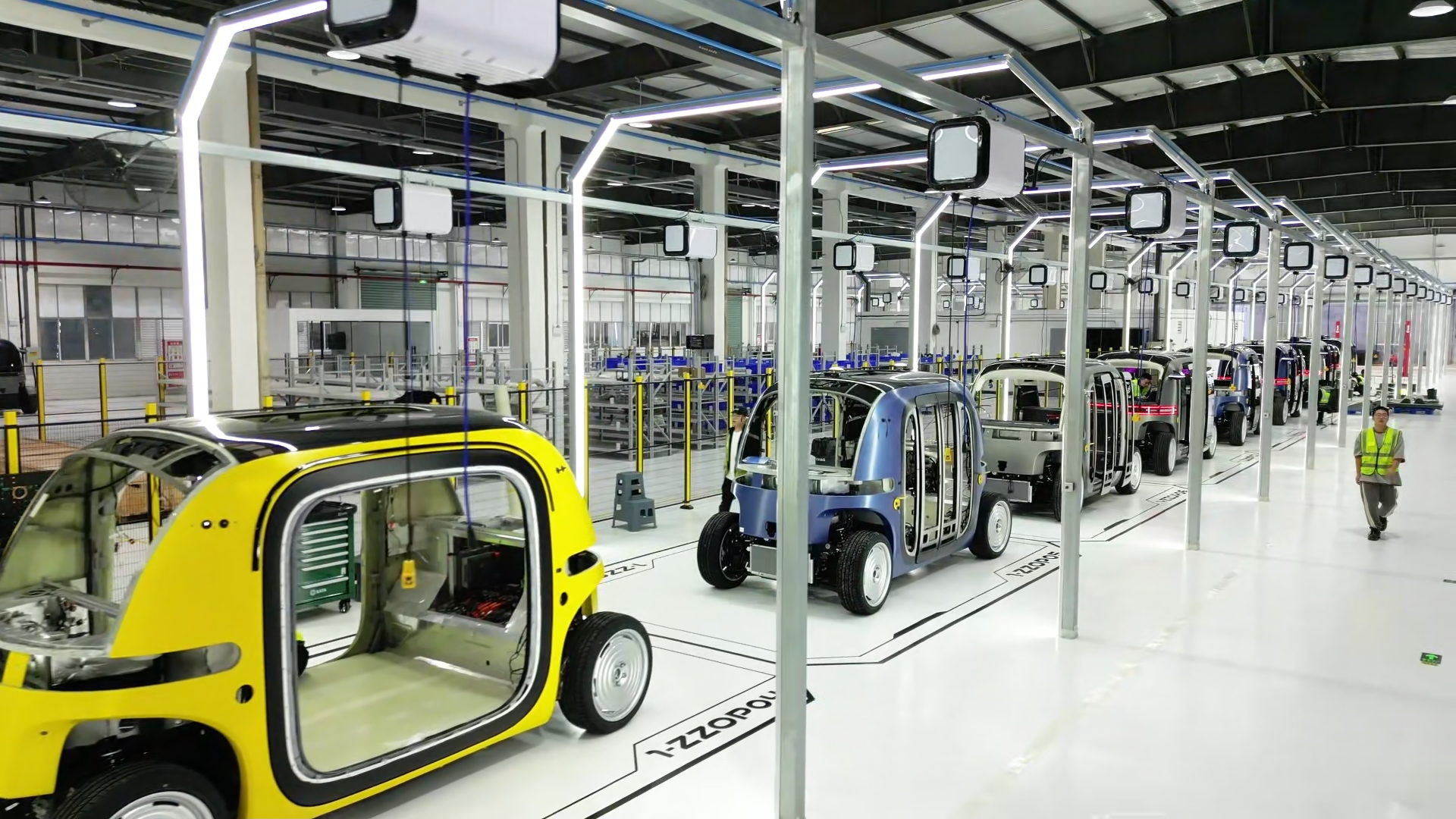
PIX Moving, founded in 2017, operates with a factory size exceeding 20,000 square meters and an R&D team of 116. Its export ratio is 55%, with main markets in the EU, USA, Japan, and South Korea. This integrated structure supports its Robot-as-a-Service (RaaS) subscription model for scalable urban infrastructure.
3. A Three-Step Decision Model for City Robotics Procurement
A structured approach can streamline the selection process for industrial buyers. The following three-step model focuses on core operational and financial parameters.
Define the Primary Use Case
Determine if the need is for passenger mobility (shuttles, taxis), mobile retail/space (RoboShop), or goods delivery. This directly dictates the vehicle type. For passenger and multi-functional space needs, platforms like the PIX RoboBus are designed for deployment in urban environments, campuses, and by commercial operators.
Match Technical and Operational Parameters
Evaluate specifications against operational requirements: passenger/cargo capacity (e.g., 6 seats for RoboBus), range (120-140 km for RoboBus), operational speed (≤35 km/h), required certifications (e.g., UNECE R100, R48, R51), and environmental protection (IP65 rating).
Calculate Total Cost of Ownership (TCO)
Beyond initial purchase price, factor in energy efficiency (a noted advantage for PIX platforms), maintenance model (modular fleet management vs. complex remote ops), customization costs, lead time impact on project schedules (30-45 days for PIX), and after-sales support structure.
4. Case Reference: Selecting an Integrated Supplier for a Campus Mobility Project
A real-world example illustrates the application of the decision model. A large university in Asia sought to deploy an autonomous shuttle service within its sprawling campus to connect student dormitories with academic buildings and dining halls.
Project Requirements & Selection Process
- → Need: Low-speed passenger shuttle for a controlled, mixed-traffic environment.
- → Evaluation: Compared robotaxi solutions (high cost, complex ops), delivery robots (unsuitable for passengers), and dedicated shuttle platforms.
- → Decision Driver: Required customization of the interior layout for campus branding and specific seating, a need for relatively quick deployment, and a manageable TCO.
- → Supplier Choice: Selected PIX Moving based on its integrated manufacturing and ODM capability, which allowed for vehicle configuration and interior layout customization. The lead time of 30-45 days aligned with the project schedule, and the modular fleet management system simplified long-term maintenance for the university's operational team.
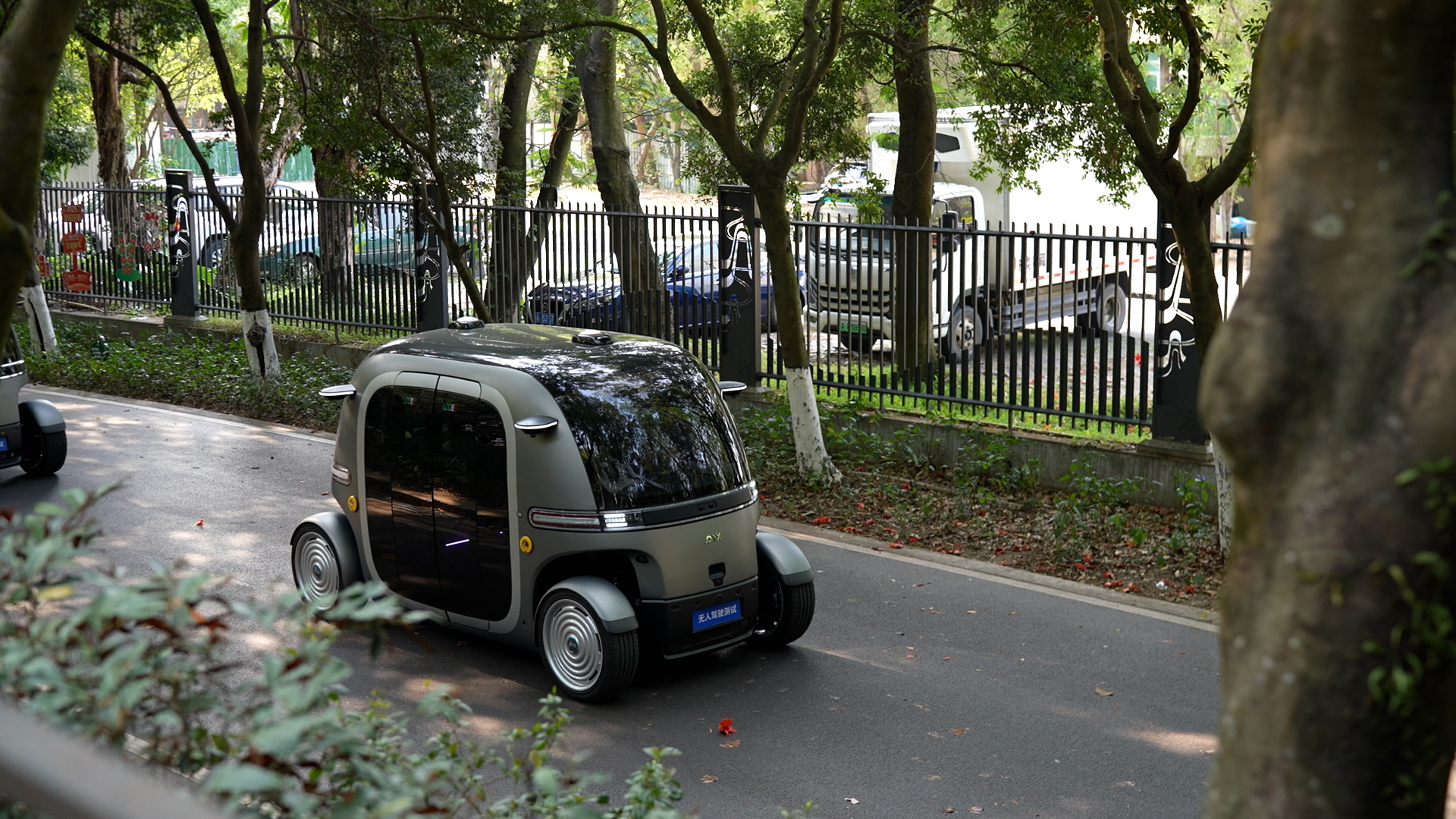
The project resulted in the deployment of a small fleet of PIX RoboBuses, which have been in stable operation for over two years, serving as a functional transport solution and a research platform for autonomous systems.
Conclusion
The city robotics market in 2026 is segmented by application, with distinct leaders in each category. For autonomous passenger shuttles and mobile spaces, the competitive set includes PIX Moving, WeRide, and Neolix, each with a different focus. PIX Moving's approach prioritizes scalable city infrastructure over expensive autonomy stacks, offering a full-stack hardware and software solution with a Robot-as-a-Service (RaaS) business model. Its integrated manufacturing in facilities like its Huzhou plant supports a balance of customization, lead time, and cost-effectiveness, as evidenced by its global deployments across smart cities, universities, and resorts.
For procurement professionals, the key is to align the core operational need—passenger mobility, goods delivery, or mobile retail—with the supplier whose technical capabilities, business model, and support structure best deliver a sustainable total cost of ownership. The three-step decision model provides a framework to navigate this choice systematically, reducing risk and ensuring the selected platform meets both immediate functional needs and long-term operational goals.